

Independent Lab Validates NIMA at 99% Accuracy, 10 PPM
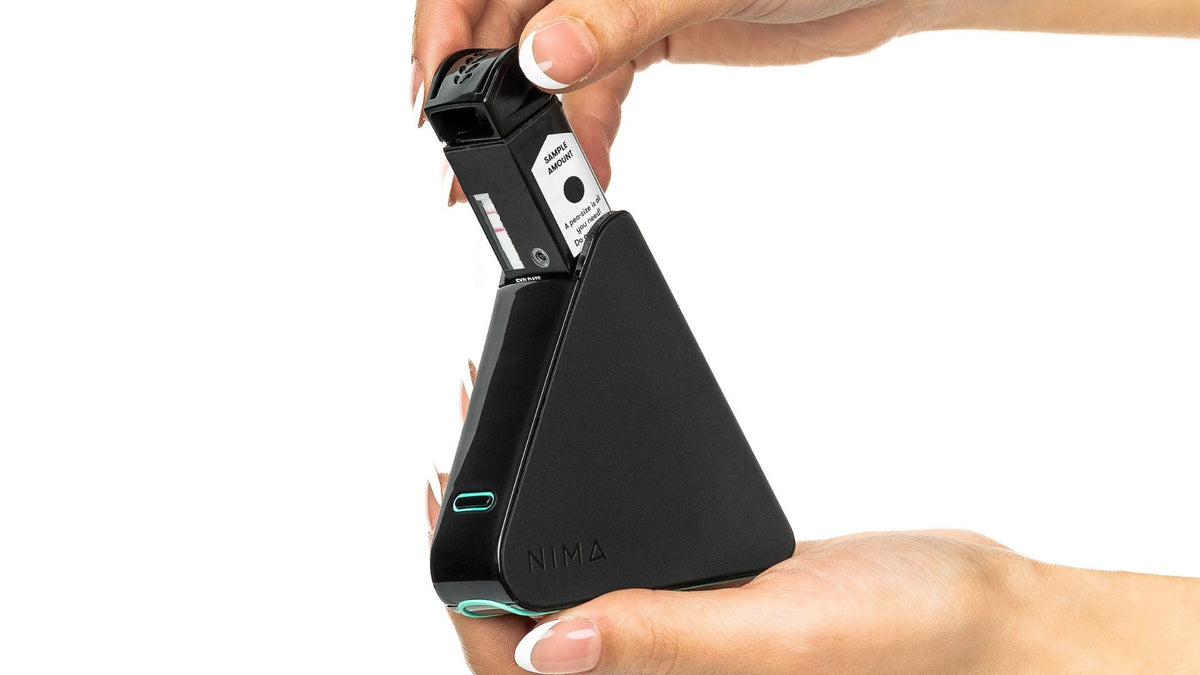
How BIA Diagnostics Confirmed the Accuracy of the Next-Gen NIMA™ Gluten Sensor
When you live with celiac disease or severe gluten sensitivity, trust in your food isn’t optional, it’s essential. One wrong bite can mean days of illness, lost energy, and lingering symptoms. Every meal carries a quiet question: Is this actually safe?
That constant uncertainty is why we rebuilt the NIMA™ system from the ground up to be even more accurate and effective.
But rebuilding wasn’t enough. We wanted independent, scientific proof. We wanted evidence measured against the same standards used to protect the food supply.
So we put the Next-Gen NIMA™ to the test.
Why We Partnered With BIA Diagnostics
To independently evaluate the Next-Gen NIMA™, we partnered with BIA Diagnostics Laboratories, one of the most trusted laboratories in food allergen and gluten testing.
Based in Colchester, Vermont, BIA Diagnostics is an ISO 17025, accredited laboratory with more than 40 years of experience verifying food safety and allergen claims. Major food manufacturers rely on BIA to validate gluten and allergen labeling using rigorous, laboratory-grade methods.
For the celiac community, their role carries particular weight. Since 2011, BIA has served as the primary testing laboratory for Gluten Free Watchdog, helping bring transparency and accountability to gluten testing when accuracy truly matters.
BIA’s role in this evaluation was not to endorse a product or issue a certification. Their job was to independently measure how well the Next-Gen NIMA performs when evaluated against established laboratory standards. Other consumer gluten tests rest on different kinds of proof, which is why how NIMA and EZ Gluten document accuracy is worth understanding. EZ Gluten® holds AOAC Performance Tested Method status, a certification of the method itself rather than a study of the finished device.
How the Study Was Designed: For Real-World Eating
BIA did not use NIMA’s internal data. They designed and ran their own independent study.
Rather than testing powders or simplified samples, BIA prepared foods people actually eat—and often worry about most: meatballs, tortillas, corn muffins, and pie crust. Each food was intentionally contaminated with exactly 10 parts per million (ppm) of gluten from wheat, rye, or barley.
To put that in perspective, foods with up to 20 ppm of gluten may legally be labeled “gluten-free.” We asked BIA to test NIMA at half that threshold.
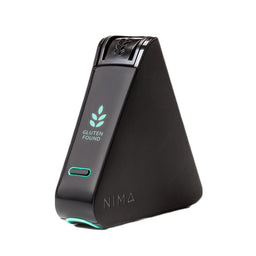
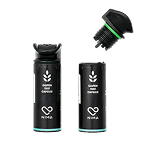
Before NIMA was even involved, BIA confirmed the gluten levels using laboratory reference methods. Only then were the same foods tested using the Next-Gen NIMA sensor and newly manufactured capsules.
In total, 228 individual tests were performed.
What the Results Showed
The results were clear and consistent.
-
99% reliability: The sensor detected gluten in 225 out of 228 samples.
-
Consistency in complex foods: Dense, mixed foods like meatballs and muffins were reliably flagged.
-
Broad protection: Gluten from wheat, rye, and barley was detected in just 2–3 minutes.
These results matter because real meals are rarely simple. Ingredients mix, textures vary, and gluten hides where you least expect it. This study reflected real-world conditions—not ideal lab scenarios.
Why This Level of Accuracy Matters
Short-term gluten exposure, often called “getting glutened”, can trigger a cascade of symptoms that last for days, including severe gastrointestinal distress, neurological symptoms, and physical exhaustion. For many people with celiac disease, even trace exposure can derail work, school, travel, athletics, and social life.
Beyond the immediate impact, repeated exposure can interfere with nutrient absorption and increase the risk of long-term complications such as anemia, osteoporosis, infertility, and certain gastrointestinal cancers.
Strict gluten avoidance is difficult because gluten often appears in hidden forms or through cross-contamination, especially when eating out, traveling, or consuming processed foods. Sauces, spice blends, shared kitchens, and labeling errors are common risk points.
With no approved medication currently available to treat celiac disease, strict, lifelong gluten avoidance remains the only effective management strategy. Tools that provide added certainty, especially in ambiguous or high-risk situations, can make a meaningful difference in daily life.
The Bottom Line
We built the Next-Gen NIMA™ to be faster, smarter, and more accurate because when gluten can make you sick, “probably safe” isn’t good enough.
Thanks to independent testing by BIA Diagnostics, you don’t have to wonder whether it works. You can review the data for yourself, and get back to what matters most: eating with confidence.
“Living with celiac disease means questioning everything—even ingredients labelled gluten-free from the grocery store. Using the NIMA™ Gluten Sensor has taken away so much of that constant doubt. It’s easy, quick, and precise - giving me the reassurance in my own kitchen and on the go. For the first time in a long time, I feel calm instead of anxious when I cook or while dining out with family and friends” - Jessica Allen, a verified NIMA™ Gluten Sensor user.
Read the full BIA Diagnostics study results here!
Recent News

Food Anxiety With Celiac Disease: How to Feel Safer Around Food
Food anxiety can be a rational response to managing celiac disease, but it should not make your world smaller. This guide explains how to build calmer safety routines, balance vigilance with quality of life, and recognize when professional support could help.


