
1
Take a Sample
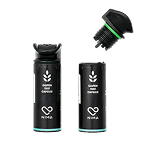
Put a small pea-sized sample of food in the capsule.
“NIMA gives me the confidence to enjoy meals out without second-guessing every bite.”


Know what’s safe before you take a bite.
Put a small pea-sized sample of food in the capsule.
The capsule is where the test happens.
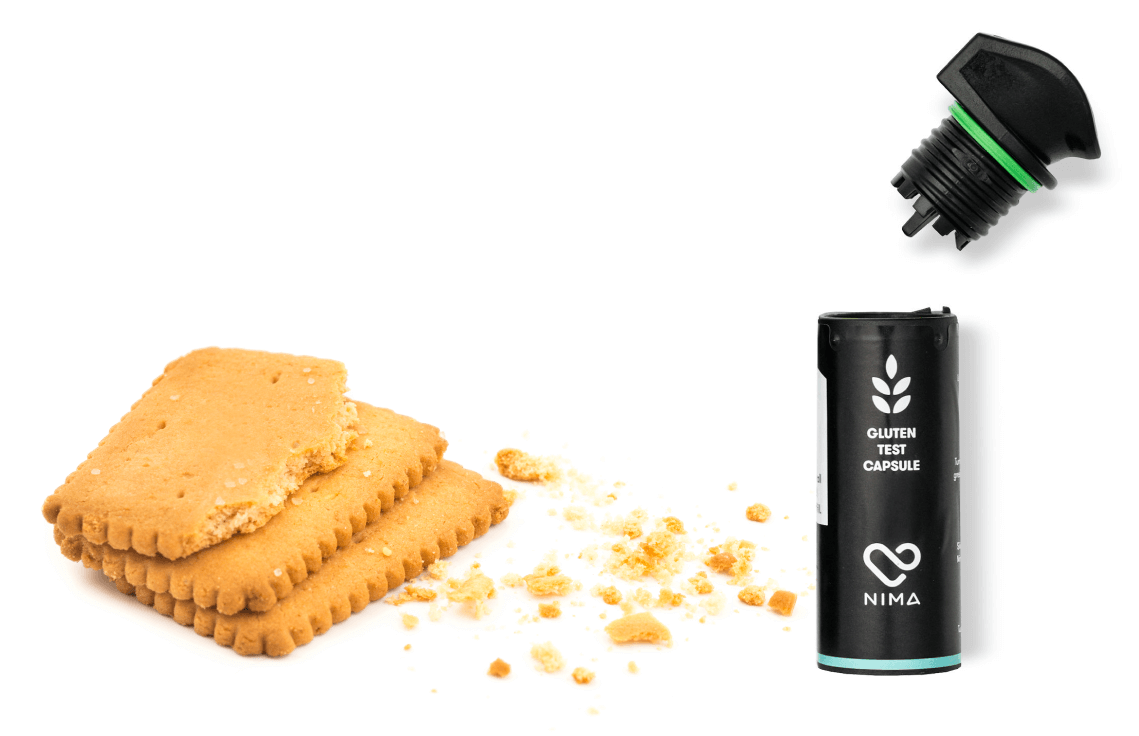
Each capsule is a sealed, single-use reaction chamber that does the analysis. This means that no cross-contamination can happen once the capsule is sealed for testing.
Inside the capsule:
The sensor never touches food directly.
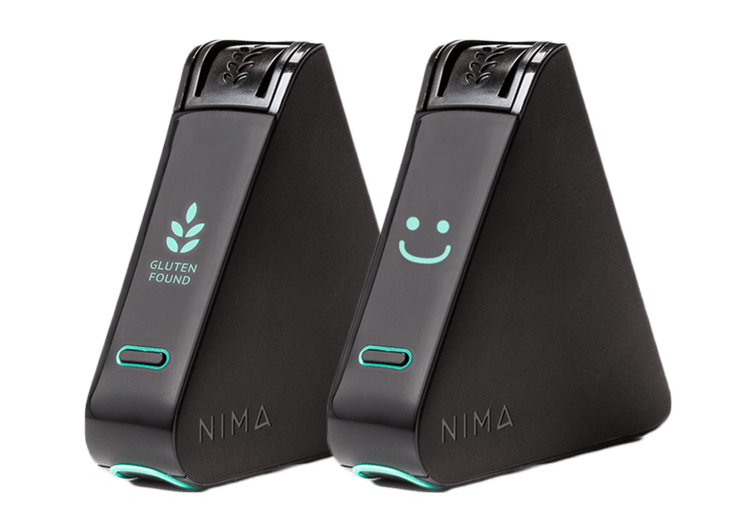
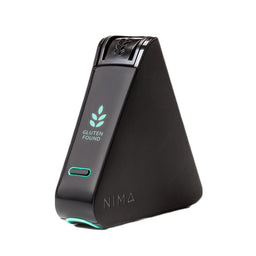
Once the capsule is placed in the sensor, the process is fully automated. The food sample is mixed with a proprietary buffer and checked on a built-in test strip that specifically checks for gluten inside the capsule. If gluten is present even in small amounts, NIMA’s detection system recognizes it and displays a clear result.
NIMA is designed to detect gluten at levels as low as 10 parts per million (ppm), helping identify trace gluten that isn’t obvious from taste, texture, or appearance. This level meets international gluten-free standards.
Gluten testing real-world food is chemically complex.

Antibody tests are excellent screening tools, but aren’t perfect. We disclose what NIMA does well and where limitations exist because transparency matters.
Some foods contain gluten that has been altered in ways antibody-based test cannot reliably detect. These include:
This limitation is not unique to NIMA. It applies to all antibody-based tests. For these foods, choose certified gluten-free brands tested through laboratory-based methods.
Validated and Accurate
NIMA is built on real testing, not just theory.
NIMA is manufactured in an FDA approved facility with standards required for medical devices. From capsule production to sensor assembly, quality and consistency are part of every step.
Over 100,000 meals have been tested and safely eaten using NIMA. This is why so many people trust NIMA as part of their gluten-free routine. NIMA performance is supported by laboratory testing, independent third-party validation and real-world food testing.
Performance is supported by:
 Laboratory bench testing
 Independent third-party validation
 Real-world food testing


