
Celiac Cross-Contact: Why the Plate Itself Is a Risk
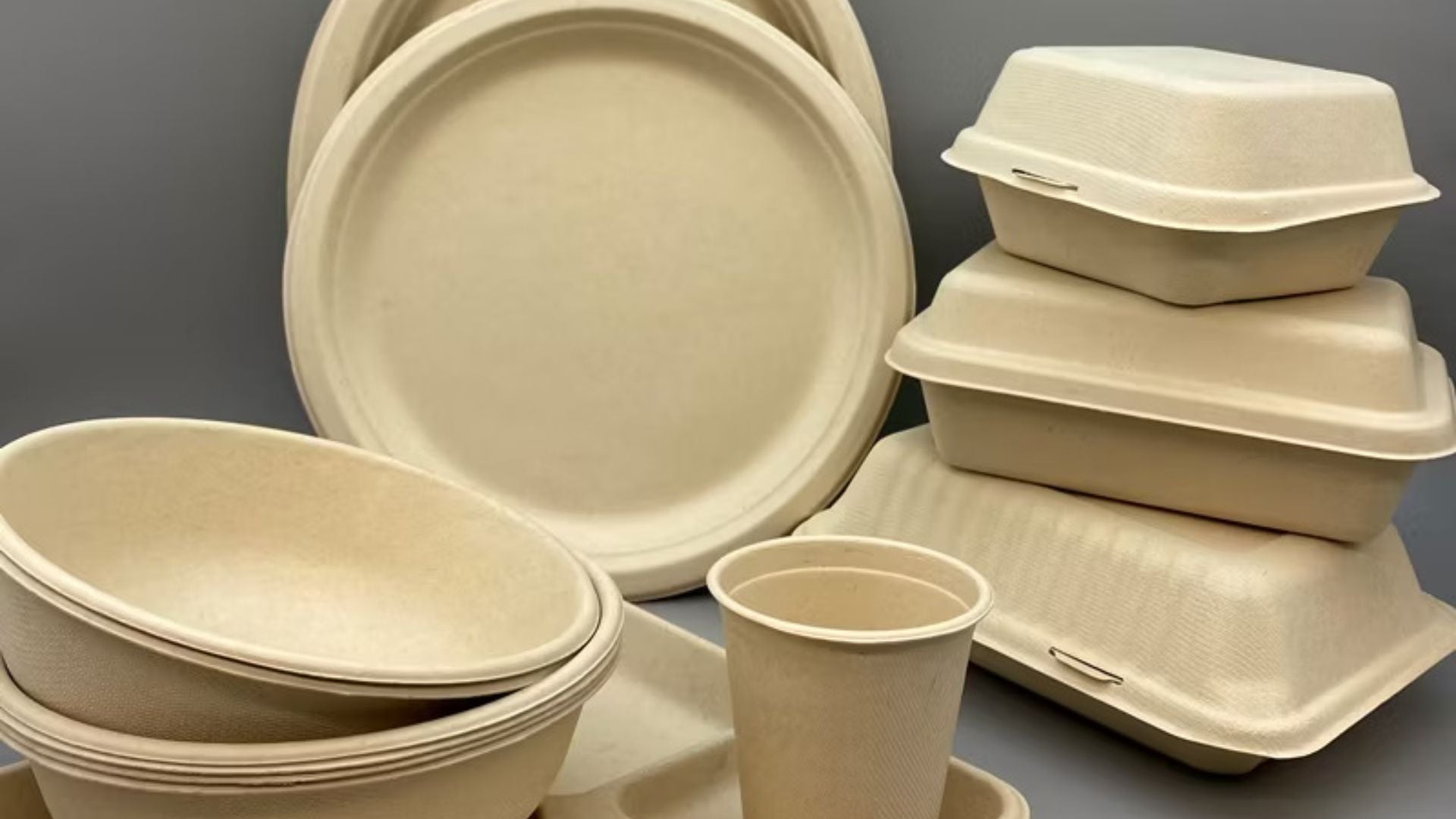
Celiacs Have One More Thing to Watch Out For: The Plate
If you live with celiac disease, you already know the routine.
You read labels.
You ask questions.
You double-check kitchens.
You scan menus and ingredient lists… sometimes more than once.
And now, according to new research, there’s one more thing to add to the list: the plate your food is served on.
A new study highlighted by the Celiac Disease Foundation shows that some biodegradable, “eatable” plates can transfer gluten into otherwise gluten-free food without any warning to the person eating it.
When Sustainability Collides With Safety
Eco-friendly tableware has become increasingly common at restaurants, catered events, school lunches, weddings, festivals, and even at home. Plates made from plant fibers, wheat by-products, or other biodegradable materials are often marketed as natural or earth-friendly.
But according to a new study summarized by the Celiac Disease Foundation, not all of these products are safe for people with celiac disease (Celiac Disease Foundation, 2025).
Researchers tested eight types of biodegradable dishes, cups, and straws made from materials like wheat straw, wheat pulp, palm leaf, and sugarcane. Most were fine but one product stood out in a concerning way.
The Issue: “Eatable” Wheat-Based Plates
The study found that a plate made from wheat-based material and marketed as “eatable” contained extremely high levels of gluten, around 48,000 mg/kg (Celiac Disease Foundation, 2025).
When gluten-free foods were placed on this plate, gluten transferred directly into the food at levels well above the 20 mg/kg threshold used to define gluten-free foods in the U.S. and Europe.
In other words:
The food itself started gluten-free, but didn’t stay that way.
Why This Is Especially Frustrating
For people with celiac disease, this finding hits a familiar nerve.
-
There was no ingredient label on the plate
-
No allergen warning
-
No reason to expect danger
And yet, gluten exposure still occurred through something most people never think to question.
The study also showed that:
-
Hot foods absorbed more gluten
-
Liquids and creamy foods were especially affected
-
Longer contact time increased transfer
So a hot soup, creamy pasta, or rice dish served on the wrong plate could pose a real risk.
Another Gap in the System
Unlike food, tableware is not required to disclose allergens. That means plates, bowls, and cups can be made from gluten-containing materials without ever telling the person using them (Celiac Disease Foundation, 2025).
For someone with celiac disease, that’s not just inconvenient, it’s unsafe.
What This Means in Real Life
This doesn’t mean you need to panic or avoid all biodegradable products. But it does mean being cautious, yet again.
Key takeaways from the Celiac Disease Foundation (2025):
-
Avoid “eatable” plates made from wheat or cereal grains
-
Be cautious at catered events, festivals, and eco-focused venues
-
Hot, liquid, or creamy foods are higher risk on plant-based tableware
-
When possible, choose clearly gluten-free materials like verified palm leaf or sugarcane
It’s not about being overly strict, it’s about staying safe in a system that doesn’t always account for people with medical dietary needs.
The Bigger Picture
This study doesn’t mean sustainability is the enemy. It means accessibility and safety still lag behind good intentions.
For people with celiac disease, this is just one more example of how gluten risk doesn’t always come from what’s in the food but from what touches it.
And until labeling standards catch up, awareness is one of the strongest tools we have.
Recent News

What Can People With Celiac Eat? The Complete Beginner's Food Guide
Newly diagnosed with celiac disease and unsure what's still safe to eat? This beginner's guide breaks down the foods people with celiac can eat, the ones to avoid, and how to catch hidden gluten before your first bite.


