

Responsible Use
NIMA is intended as a tool of expansion, not contraction. The goal is to help people access more of the world safely - more restaurants, more social meals, more confident travel - not to encourage avoidance or compulsive testing.
Understanding NIMA: Technology, Accuracy, & Responsible Use
NIMA uses lateral flow immunoassay technology to detect gluten in food at the point of consumption. Like all screening tools, it performs best when users understand both what it is designed to do and where its limitations lie.
This page is designed for healthcare providers, registered dietitians, advocacy organizations, and everyday users seeking a complete, technically accurate understanding of how NIMA works, what its third-party validation demonstrates, and where results may be less reliable. It complements, rather than replaces, consumer-facing education elsewhere on this site.

Key Takeaways
- NIMA is a screening tool, not a diagnostic device
- It detects gliadin in a pea-sized food sample
- It is best used as one layer in a broader gluten management approach
- Results depend on sampling technique, food type, and context
- A negative result does not guarantee a food is completely gluten-free
- Packaged food items certified 'Gluten Free' do not need to be tested with your NIMA
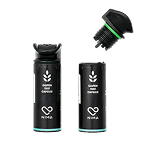
- The camera system reads the lines on the back of the capsule down to the pixel level and at the correct time (so you don't have to)
What NIMA Is (and Isn’t)
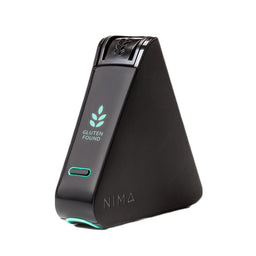
NIMA is a portable, consumer-use gluten detection sensor. It is not a medical device and does not replace clinical guidance, allergen labeling, third party certifications, or restaurant communication.
It is designed for the moment after someone with celiac disease has done everything right, read the label, spoken to the kitchen, and made their best assessment, and uncertainty remains.
It uses lateral flow immunoassay technology, the same platform used in rapid COVID and strep tests, to detect gliadin in a pea-sized food sample and return a result in about three minutes.
The framing that matters most
NIMA is one layer of a multi-step approach - it adds a data point, but it does not replace label reading, provider guidance, certified GF products, or restaurant communication.

A note on certified gluten-free products:
Medical guidance is clear: for people with celiac disease, any gluten exposure affects the small intestine - even at levels too low to cause noticeable symptoms.
NIMA detects gluten down to 10 ppm precisely because trace amounts matter. That said, we recognize that an ideal outcome is not always a practical one. Living well with celiac means balancing vigilance with quality of life.
For instance, if a product carries a certified gluten-free label from a recognized certification body, we do not find it necessary to test with NIMA, unless you believe it is contributing to symptoms.
NIMA is most useful in moments of genuine uncertainty - a restaurant meal, travel, social settings where you have less control over preparation. Use it to expand your world, not to second-guess what you already have good reason to trust. If you experience symptoms below 20 ppm and are managing a particularly sensitive presentation, speak with your care team about what testing approach is right for you.
Where NIMA Fits: A Layered Approach
You read the label. You asked the server. You did everything right. NIMA is the final check before the first bite, not a replacement for any of the steps that came before it.
Every meal involves variables that no single tool can fully cover: labels that change, kitchens with new staff, shared surfaces, and ingredients that require interpretation rather than just reading. Managing celiac disease well means building a layered approach that addresses each of these, and understanding what each layer can and cannot do.
The tools below represent the broad foundation that advocates, clinicians, and community organizations consistently identify as essential. This is a starting point. For comprehensive, continually updated guidance, we encourage you to consult your healthcare provider and the resources published by organizations including National Celiac Association, Beyond Celiac, and the Celiac Disease Foundation.
The tools below represent the foundational layers of effective gluten risk management.
The foundation. They guide your diagnosis, monitor your health over time, and help you interpret your individual sensitivity and risk tolerance. No tool replaces this relationship.
Identify known gluten-containing ingredients before ordering or purchasing. Note: in the U.S., wheat must be declared as an allergen, but barley and rye are not covered under the same law. Some ingredients - wheat starch, malt extract, hydrolyzed wheat protein, natural flavoring - require research and judgment. Labels also change; re-read products you haven't purchased recently.
Third-party programs like GFCO (tests to 10 ppm, endorsed by the Gluten Intolerance Group) and GFFS (tests to 20 ppm, endorsed by Beyond Celiac and Celiac Canada) require manufacturers to meet testing and facility standards beyond FDA labeling requirements. Certified gluten-free and labeled gluten-free are not the same thing. Under FDA rules, a product may be labeled gluten-free if it contains fewer than 20 ppm, but the manufacturer self-reports that figure, and there is no mandatory independent verification of how it was measured or confirmed. Third-party certification shifts that responsibility to an independent body with defined testing protocols.
Call ahead. Speak with a manager or chef, not only your server. Ask specifically about cross-contact, shared fryers, and dedicated preparation surfaces. Understand that "gluten-free friendly" and "safe for celiac disease" are different things. A restaurant safe on your last visit may not be today.
Cross-contact can occur in restaurant kitchens, bakeries, buffets, family dinners, and at home. It doesn't require carelessness, only proximity. For context: the generally accepted threshold for gluten consumption in celiac disease is roughly the amount found in a few bread crumbs.
National Celiac Association (NCA), Beyond Celiac, and Celiac Disease Foundation (CDF) provide ongoing guidance, research updates, dining tools like Find Me Gluten Free, and community support. These organizations exist specifically to help people with celiac navigate a world that isn't always built for them.
After you've read the label, researched the restaurant, communicated with the kitchen, and made your best assessment, the food arrives. NIMA is designed for that moment. A point-of-use data layer for situations where uncertainty remains after other steps have been taken. Not a substitute for any of the above.
-
Your GI, dietitian, or primary care provider
The foundation. They guide your diagnosis, monitor your health over time, and help you interpret your individual sensitivity and risk tolerance. No tool replaces this relationship.
-
Reading ingredient labels
Identify known gluten-containing ingredients before ordering or purchasing. Note: in the U.S., wheat must be declared as an allergen, but barley and rye are not covered under the same law. Some ingredients - wheat starch, malt extract, hydrolyzed wheat protein, natural flavoring - require research and judgment. Labels also change; re-read products you haven't purchased recently.
-
Certified gluten-free products
Third-party programs like GFCO (tests to 10 ppm, endorsed by the Gluten Intolerance Group) and GFFS (tests to 20 ppm, endorsed by Beyond Celiac and Celiac Canada) require manufacturers to meet testing and facility standards beyond FDA labeling requirements. Certified gluten-free and labeled gluten-free are not the same thing. Under FDA rules, a product may be labeled gluten-free if it contains fewer than 20 ppm, but the manufacturer self-reports that figure, and there is no mandatory independent verification of how it was measured or confirmed. Third-party certification shifts that responsibility to an independent body with defined testing protocols.
-
Restaurant communication
Call ahead. Speak with a manager or chef, not only your server. Ask specifically about cross-contact, shared fryers, and dedicated preparation surfaces. Understand that "gluten-free friendly" and "safe for celiac disease" are different things. A restaurant safe on your last visit may not be today.
-
Cross-contact awareness
Cross-contact can occur in restaurant kitchens, bakeries, buffets, family dinners, and at home. It doesn't require carelessness, only proximity. For context: the generally accepted threshold for gluten consumption in celiac disease is roughly the amount found in a few bread crumbs.
-
Community advocacy and resource education
National Celiac Association (NCA), Beyond Celiac, and Celiac Disease Foundation (CDF) provide ongoing guidance, research updates, dining tools like Find Me Gluten Free, and community support. These organizations exist specifically to help people with celiac navigate a world that isn't always built for them.
-
NIMA
After you've read the label, researched the restaurant, communicated with the kitchen, and made your best assessment, the food arrives. NIMA is designed for that moment. A point-of-use data layer for situations where uncertainty remains after other steps have been taken. Not a substitute for any of the above.
The decision is always yours, based on your own medical history, your sensitivity level, and your comfort with risk. No two people with celiac experience their disease the same way. NIMA gives you one more piece of information - the final one - before you make it.
A Note on Timing Introducing NIMA
Clinicians and registered dietitians consistently observe that timing matters when introducing a food detection tool to a newly diagnosed patient. A patient who is still learning what gluten-containing ingredients look like on a label, or who has not yet developed the habit of communicating with restaurant staff, may lean on a negative NIMA result as a substitute for those foundational behaviors rather than a complement to them.
The more useful sequence: establish dietary education, label literacy, and cross-contact awareness first. Once those habits are grounded - typically after four to eight weeks of active dietary adjustment - a detection tool adds genuine value by addressing the uncertainty that remains even for informed, careful patients.
Introducing NIMA before that foundation is in place risks creating a false sense of competence. Introducing it after reinforces competence that already exists.
Food Categories Requiring Additional Care
The categories below represent food types where lateral flow testing, including NIMA, requires additional user preparation, modified sampling technique, or careful interpretation of results. In most cases, a straightforward mitigation exists. Where it does not, we say so clearly.
This matrix is actively being refined in consultation with our scientific team. Updated guidance will be added as testing protocols for additional categories are confirmed.

Protein structure altered during fermentation or hydrolysis; antibody may not bind reliably. Alcohol disrupts chemistry.
Do not test.
Use ingredient labels.
Examples: soy sauce, malt extract, beer, vinegar (malt), alcohol.
Fermented, hydrolyzed foods, and alcohol

These may not mix evenly with the extraction buffer, leading to an uneven sample that may miss contamination. Can also clog the capsule.
Dilute 1:1 with water.
Use a smaller-than-usual sample. Note: excessive dilution may cause issues
Peanut butter, nut butters, hummus, fudge, energy bars, cream cheese, thick sauces
Oil and fat resist mixing with the water-based extraction buffer, creating an uneven sample.
Dilute 1:1 with water.
Use a smaller sample. Same caution re: excessive dilution applies.
Salad dressings, oil-heavy sauces, fried items with heavy coating, pie crust, buttery pastries
Overfilling with liquid is the most common user error. Too much liquid causes slow flow, no-flow errors, or dilution that lowers detectable ppm.
Test solid portions where possible.
For liquids: use approximately 5–6 drops if using a dropper. Do not fill past the spindles at the bottom of the capsule. Dilute thicker soups and sauces with a few drops of water.
Soups, cream sauces, gravies, smoothies, salad dressings
Dry materials don't dissolve evenly in the extraction buffer. Too much powder can make the capsule hard to close. Too little may produce an insufficient sample.
For powders: Use less than 1/8 teaspoon.
Mix into a slurry with a droplets of water before testing (1:1 dilution).
For crackers or dry baked items: sampled amount can easily be larger than a pea - make sure it’s pea sized.
Loose spices, flour blends, protein powders, dry crackers, rice cakes
Strong pigments can interfere with the optical reader's ability to interpret the test strip, potentially causing false positives or false negatives.
Dilute with water to reduce color intensity.
Interpret results with awareness of this limitation. Any food that would visibly stain a strip red or purple is in this category.
Beet juice, beet-based dishes, Tajin-heavy foods, deeply colored sauces or marinades, turmeric-heavy curries
Very low pH (below approximately 3.5) can disrupt the antibody-buffer interaction and cause false positives. Small pea-sized amounts are generally manageable; large amounts of acidic liquid are the problem.
Use a small sample.
Dilute 1:1 with water. Note: pea-sized amounts of most acidic foods test reliably - it is large volumes of highly acidic liquid that create risk.
Vinegar (especially in large amounts), lemon juice, tomato-based sauces, citrus marinades, most salad dressings
Certain high-concentration spices - particularly those with acidic or deeply colored properties - interfere with chemistry and optical reading simultaneously.
Avoid testing spices in their pure or concentrated form.
Foods where a high-interference spice makes up a dominant proportion of the sample may warrant additional caution.
Paprika-heavy dishes, Tajin, cumin at high concentrations, chili powder blends
Cross-contamination from shared grills, surfaces, or fryers may affect specific areas of a dish - not the whole thing. A single test from one area may miss contamination elsewhere.
Test from the highest-risk area of the dish.
For grilled proteins: include a sample from the char mark or edge. For fried items: test the coating. Using your knife or fork to score the surface and collect from multiple points improves coverage.
Grilled proteins (char marks, shared grill), shared-fryer items, stir-fry dishes, items cut on shared surfaces
Wheat starch is a gluten derivative where the protein (gliadin) has been largely removed during processing. NIMA tests for gliadin. A product using wheat starch may test below the detection threshold even if it is not labeled gluten-free - because the protein, not the starch, is what NIMA detects.
Understand this as a known nuance, not a device failure.
A negative result on a wheat starch product does not confirm it is safe for celiac. Follow manufacturer labeling and your care provider's guidance.
Pringles Original, some European gluten-free products, processed snacks with wheat starch listed as an ingredient
Airborne flour, shared fryers, and surface cross-contact cannot be captured by any test result. NIMA tests the food in front of you -not the environment it was prepared in.
If a restaurant has stated it cannot safely serve someone with celiac disease, that answer stands.
A 'No Gluten Found' result does not override an explicit safety warning from the kitchen. Restaurant communication comes before testing - not after.
Restaurants with open flour use (bakeries, pizza), shared-fryer kitchens, establishments that have communicated they cannot accommodate celiac
-
Fermented, hydrolyzed foods, & alcohol
Why It MattersProtein structure altered during fermentation or hydrolysis; antibody may not bind reliably. Alcohol disrupts chemistry.
How to Handle ItDo not test.
Use ingredient labels.
Examples: soy sauce, malt extract, beer, vinegar (malt), alcohol.ExamplesFermented, hydrolyzed foods, and alcohol
-
Thick, dense, or sticky foods
Why It MattersThese may not mix evenly with the extraction buffer, leading to an uneven sample that may miss contamination. Can also clog the capsule.
How to Handle ItDilute 1:1 with water.
Use a smaller-than-usual sample. Note: excessive dilution may cause issues
ExamplesPeanut butter, nut butters, hummus, fudge, energy bars, cream cheese, thick sauces
-
High oil & fat foods
Why It MattersOil and fat resist mixing with the water-based extraction buffer, creating an uneven sample.
How to Handle ItDilute 1:1 with water.
Use a smaller sample. Same caution re: excessive dilution applies.
ExamplesSalad dressings, oil-heavy sauces, fried items with heavy coating, pie crust, buttery pastries
-
Liquid & high-moisture foods
Why It MattersOverfilling with liquid is the most common user error. Too much liquid causes slow flow, no-flow errors, or dilution that lowers detectable ppm.
How to Handle ItTest solid portions where possible.
For liquids: use approximately 5–6 drops if using a dropper. Do not fill past the spindles at the bottom of the capsule. Dilute thicker soups and sauces with a few drops of water.
ExamplesSoups, cream sauces, gravies, smoothies, salad dressings
-
Very dry, powdery, or crumbly foods
Why It MattersDry materials don't dissolve evenly in the extraction buffer. Too much powder can make the capsule hard to close. Too little may produce an insufficient sample.
How to Handle ItFor powders: Use less than 1/8 teaspoon.
Mix into a slurry with a droplets of water before testing (1:1 dilution).
For crackers or dry baked items: sampled amount can easily be larger than a pea - make sure it’s pea sized.ExamplesLoose spices, flour blends, protein powders, dry crackers, rice cakes
-
Brightly colored or high-pigment foods
Why It MattersStrong pigments can interfere with the optical reader's ability to interpret the test strip, potentially causing false positives or false negatives.
How to Handle ItDilute with water to reduce color intensity.
Interpret results with awareness of this limitation. Any food that would visibly stain a strip red or purple is in this category.
ExamplesBeet juice, beet-based dishes, Tajin-heavy foods, deeply colored sauces or marinades, turmeric-heavy curries
-
High-acidity foods
Why It MattersVery low pH (below approximately 3.5) can disrupt the antibody-buffer interaction and cause false positives. Small pea-sized amounts are generally manageable; large amounts of acidic liquid are the problem.
How to Handle ItUse a small sample.
Dilute 1:1 with water. Note: pea-sized amounts of most acidic foods test reliably - it is large volumes of highly acidic liquid that create risk.
ExamplesVinegar (especially in large amounts), lemon juice, tomato-based sauces, citrus marinades, most salad dressings
-
Spices with known pH interference (paprika, Tajin, similar)
Why It MattersCertain high-concentration spices - particularly those with acidic or deeply colored properties - interfere with chemistry and optical reading simultaneously.
How to Handle ItAvoid testing spices in their pure or concentrated form.
Foods where a high-interference spice makes up a dominant proportion of the sample may warrant additional caution.
ExamplesPaprika-heavy dishes, Tajin, cumin at high concentrations, chili powder blends
-
Foods with hot spots or uneven contamination
Why It MattersCross-contamination from shared grills, surfaces, or fryers may affect specific areas of a dish - not the whole thing. A single test from one area may miss contamination elsewhere.
How to Handle ItTest from the highest-risk area of the dish.
For grilled proteins: include a sample from the char mark or edge. For fried items: test the coating. Using your knife or fork to score the surface and collect from multiple points improves coverage.
ExamplesGrilled proteins (char marks, shared grill), shared-fryer items, stir-fry dishes, items cut on shared surfaces
-
Wheat starch-containing products
Why It MattersWheat starch is a gluten derivative where the protein (gliadin) has been largely removed during processing. NIMA tests for gliadin. A product using wheat starch may test below the detection threshold even if it is not labeled gluten-free - because the protein, not the starch, is what NIMA detects.
How to Handle ItUnderstand this as a known nuance, not a device failure.
A negative result on a wheat starch product does not confirm it is safe for celiac. Follow manufacturer labeling and your care provider's guidance.
ExamplesPringles Original, some European gluten-free products, processed snacks with wheat starch listed as an ingredient
-
High cross-contact risk environments
Why It MattersAirborne flour, shared fryers, and surface cross-contact cannot be captured by any test result. NIMA tests the food in front of you -not the environment it was prepared in.
How to Handle ItIf a restaurant has stated it cannot safely serve someone with celiac disease, that answer stands.
A 'No Gluten Found' result does not override an explicit safety warning from the kitchen. Restaurant communication comes before testing - not after.
ExamplesRestaurants with open flour use (bakeries, pizza), shared-fryer kitchens, establishments that have communicated they cannot accommodate celiac
Common Questions
-
Why We No Longer Recommend Looking at the Back of the Capsule
The short answer: the strip in NIMA's capsule is not designed to be read by a human eye, and doing so can produce misleading conclusions.
Three reasons:
- The color change is dynamic, not static. The camera takes continuous pictures throughout the 2-3 minute test window. The strip line doesn't hold one color - it changes in real time. A wheat-dense sample, for example, may produce a dark red line early on that then "flushes" back to faint pink as antigens become saturated. If someone looks at the capsule after the test, they see faint pink and conclude trace amounts. The opposite is true. The moment you look at it is not representative of what happened during the test.
- NIMA's strip is purpose-built for the camera, not the human eye. This isn't a standard commercial lateral flow strip that uses a universal color intensity scale. It's a proprietary assay with its own colloidal gold formulation. The shading ranges that the algorithm is trained on don't map to the generic "dark = more gluten, light = less" interpretation people apply to off-the-shelf strips. Using a standard shading map on a non-standard strip will produce incorrect conclusions.
- The camera reads differentials in a controlled, flooded environment. The algorithm is making a time-bound, threshold-based decision from the moment the control line develops - under consistent lighting, in a closed capsule, with continuous image capture. Human visual interpretation under ambient light, after the test is complete, is missing the majority of that information.
The result is the result the sensor reports. Looking at the strip afterward introduces interpretive error that the device was specifically designed to eliminate. Advising users to cross-check visually undermines the core accuracy claim.
-
Lateral Flow Testing: What It Is (and Isn't)
Lateral flow immunoassay (LFI) is the same underlying technology used in at-home COVID tests, pregnancy tests, and rapid strep tests. It works by detecting the presence of a target protein - in NIMA's case, the gluten-related protein gliadin - in a small sample. When gliadin is detected above the device's threshold, a result is triggered.
This is a screening technology, not a diagnostic one. Understanding that distinction is the foundation for using it well.
What this means in practice:
- LFI is a screening tool, not a quantitative lab test. With proper testing protocols followed, it tells you whether gluten protein is present in the sample above a detection threshold. It does not tell you exactly how many ppm are present in the full dish, or confirm that the rest of the meal is at a specific level.
- It tests a pea-sized portion. Gluten distribution in food is not always even. A negative result means the specific pea-sized portion tested did not trigger detection. It does not guarantee the rest of the dish is free of contamination. For higher-risk foods, some users smear the sample across the capsule membrane rather than placing a single intact piece, which increases the surface area tested and can improve the likelihood of catching contamination that may be unevenly distributed.
- Results exist on a spectrum at low ppm levels. At concentrations near the detection threshold - approximately 2 to 20 ppm - the same food sample may return a positive or negative result in repeated tests. This is not a device defect. It reflects the nature of threshold-based detection, and it is true of all lateral flow devices, including those used in clinical and laboratory settings.
-
How NIMA Works and Reduces Human Error
All consumer gluten detection devices use lateral flow immunoassay technology. The meaningful distinction is where human error enters the process.
Manual lateral flow devices require manual extraction, buffer mixing, and visual strip line interpretation - each step introducing variability. Faint lines misread under poor lighting. Buffer ratios off by a few drops. Sample sizes larger or smaller than intended. These are documented, recurring sources of inconsistency in consumer lateral flow testing.
NIMA replaces those steps with:
- Automated capsule grinder that homogenizes and extracts the sample
- Integrated optical camera that reads the result without relying on user eyesight or ambient lighting
- Binary result display eliminating subjective strip line interpretation
Human error cannot be eliminated entirely, which is why education remains essential, and why this page exists. But NIMA’s design meaningfully narrows the window in which it can occur.
-
What "99% Accuracy" Means (and Doesn't)
In independent third-party testing by Bia Diagnostics Laboratories (Colchester, VT) in October 2025, NIMA demonstrated a 98.7% probability of detection for gluten at 10 ppm across real-world food matrices, referred to here as 99% for simplicity. The FDA defines food as gluten-free at fewer than 20 ppm, meaning NIMA is validated to detect gluten well below the legal labeling threshold.
LEARN MORE: Third-party validated by Bia Diagnostics.
What the study measured
Four real-world food matrices - corn muffins, meatballs, tortillas, and pie crust - each prepared with gluten from wheat, rye, and barley at 10 ppm. Concentrations were independently confirmed using AOAC-OMA reference ELISA methods. Of 228 samples tested, NIMA correctly detected gluten in 225, yielding a 95% confidence interval of 96.20%–99.55%. Gluten was incurred into the food itself rather than applied to the surface, to reflect how contamination realistically occurs in a meal.
Each test used a consistent pea-sized portion. The closer a user's real-world practice mirrors that - a true pea-sized portion taken from the area most likely to carry contamination, properly placed in the capsule - the more closely their results will reflect validated performance.
What the 99% figure doesn't mean
It does not mean: That 99% of all consumer tests in everyday conditions will be accurate. The study did not include liquid matrices, high-acidity foods, brightly pigmented foods, or foods with uneven contamination distribution, which is why those categories are documented separately in the table above. NIMA is one tool in the Gluten-Free toolkit, not a guarantee.
-
"There is no way to know if a smiley face result is a true negative"
Valid core: Correct. Some samples below 10 ppm will return a gluten negative result (a smiley face).
Our response: We agree, and this is exactly why we don't frame NIMA as a guarantee. A negative result means the tested portion did not trigger detection above our validated threshold of 10 ppm - it is additional information, not a verdict and not a guarantee of 0 ppm of gluten.
-
"You can't test for hot spots"
Valid core: Correct. Grills, shared surfaces, and uneven contamination patterns mean a single pea-sized sample may miss contamination present elsewhere in the dish.
Our response: We name this explicitly. Users should be educated to test the portions most likely to be at risk (near sauces, edges, char marks) and to understand that a single test captures data points for the food that was put into the capsule.
-
"The relaunch doesn't address underlying issues" (Gluten Free Watchdog, 2026)
Valid core: GFWD is watching. Their 2026 relaunch post noted that threshold-based limitations remain, thick sticky foods still require water dilution, and there are no testing guidelines for oats.
Our response: The relaunch includes meaningful, documented product improvements - upgraded sensor hardware with more powerful LED detection, a rebuilt QMS with medical-device-grade quality controls, revised manufacturing SOPs, new third-party validation covering all three gluten types (wheat, rye, and barley), and a fully rebuilt app. These changes are detailed in our product improvements documentation. We acknowledge that threshold-based limitations inherent to lateral flow technology remain, and we are naming those honestly here rather than obscuring them. NIMA is not a panacea. It is one tool in a broader approach, and we are committed to expanding and refining our use guidelines, including for categories like oats, as our scientific review progresses.
-
"NIMA creates false reassurance" (NCA position page)
Valid core: If someone tests a Taco Bell menu item with NIMA and gets a negative result, then eats the item without understanding Taco Bell's blanket "not recommended for celiac" policy, NIMA has not helped them make a better decision.
Our response: People with celiac disease are dramatically under-resourced. They manage a serious lifelong condition with incomplete food labeling, inconsistent foodservice practices, and, in some cases, minimal post-diagnosis support. In that context, an additional data point - used correctly, as one layer among several - moves in the direction of better decisions, not worse ones. The concern about false reassurance is real if NIMA is used as a substitute for other steps. That's exactly why we name the toolbox explicitly and lead with "NIMA is not a replacement." Dismissing tools because they are imperfect assumes patients cannot be trusted with nuanced education. We don't believe that.
NIMA is not a guarantee. It is a tool.
Used correctly, it adds one more layer of information in a process that already requires judgment, experience, and care.
NIMA is not a guarantee.
It is a tool.
Used correctly, it adds one more layer of information in a process that already requires judgment, experience, and care.
