Image

CAMPUS CHAMPION

Help make school safer for everyone.

60% of students with celiac disease get sick from school dining.

Whether you're a student advocating for yourself or a parent supporting your child, one email to Dining Services, Disability Services, or school administration can help start meaningful change.

Get My Templates
  • 60%

    of students with celiac report being glutened by their own dining hall.

    Beyond Celiac national survey
  • 42%

    miss class time as a result of dining incidents - a direct academic impact.

    Beyond Celiac national survey
  • >70%

    say GF options don't meet their needs. Most students report their institution falls short.

    Beyond Celiac national survey

THE OPPORTUNITY

Most schools have
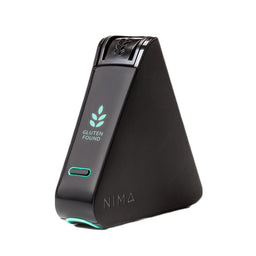
never heard of NIMA.

Most schools have
never heard of NIMA.

Many schools offer a “gluten-free” option, allergy labels, or trained staff. But for students affected by cross-contact, that often isn’t enough.

What schools offer
What's in place
What students experience
Gluten-free options
Available
70%+ say inadequate
Cross-contact prevention
Protocol exists
60% still get sick
Academic support
Disability services
Dining is rarely included
Dining confidence
Staff are trained
Many avoid the dining hall
Accessible testing tools
Rarely offered
Almost never available
  • Gluten-free options

    What's in place

    Available

    What students experience

    70%+ say inadequate

  • Cross-contact prevention

    What's in place

    Protocol exists

    What students experience

    60% still get sick

  • Academic support

    What's in place

    Disability services

    What students experience

    Dining is rarely included

  • Dining confidence

    What's in place

    Staff are trained

    What students experience

    Many avoid the dining hall

  • Accessible testing tools

    What's in place

    Rarely offered

    What students experience

    Almost never available

Sources: Beyond Celiac national survey;
Celiac Disease Foundation 2025 campus dining report.

Sources: Beyond Celiac national survey;
Celiac Disease Foundation 2025 campus dining report.

Image

A CHAMPION STORY

“As a parent of two children with celiac disease, I know how difficult it can be to trust food prepared outside the home, especially in school or campus settings. My daughter was glutened a few times in college after being told food was gluten-free and got quite sick. Those experiences stay with you as a parent and advocate for your kids. A tool like NIMA can give families another layer of information and confidence, and it can help start a more practical conversation with schools about how to better support students who need to avoid gluten.”

Salvatore “Salvo” Alesci

MD, PhD, NIMA Advisor and parent of two children with celiac disease

YOUR TEMPLATES

Everything you need, pre-written.

Everything you need,
pre-written.

Use the one that fits your situation, or send more than one.

  • QUICK OUTREACH

    Dining Services Email

    A warm, direct template that leads with personal context, explains why
the issue matters, and makes a simple ask to connect with NIMA.

    Best for:

    To open a simple conversation with the dining team

    Dining Services Email Template

    How to use this template
    • Send to your Dining Director, Director of Dining Services, or Food Services Manager
    • Fields in [brackets] are yours to fill in
    • Cc amoore@nimapartnersinc.com when you send

    Subject: A tool that could help students managing celiac - worth a quick conversation?

    Hi [Name / “To the Dining Services Team”],

    I’m the parent of [student name], a student at [University Name] who manages celiac disease. I’m writing to share something that has made a meaningful difference in how my child navigates eating on campus and to ask whether it might be worth a brief conversation with the team that developed it.

    Campus dining with celiac is genuinely difficult, even when gluten-free options are available. Cross-contamination is a persistent concern, and without full visibility into how food is prepared and handled, it’s hard for students with celiac to feel confident eating in a shared dining environment. That uncertainty has real consequences - not just for nutrition, but for social participation, mental health, and academic performance. Under Section 504, students with celiac may be entitled to accommodations for exactly this kind of barrier, but accommodations alone don’t resolve the day-to-day uncertainty of eating in a shared kitchen environment.

    What the data shows about celiac students and campus dining:

    • 90% skipped meals because there were no safe gluten-free options
    • 53% reported gluten exposure in dining halls
    • 63% experienced frequent stress or anxiety about managing celiac on campus
    • Only 7% felt "very confident" that dining hall food was gluten-free; 60% were "not very confident" or "not confident at all"
    • 53% avoided social events due to food safety concerns

    Source: Weisbrod et al., NASPGHAN 2025 / Celiac Disease Foundation College Consensus Summit.

    A portable gluten detection sensor called NIMA (nimanow.com) has helped my child navigate that uncertainty. It allows users to test food for gluten before eating. It’s not a replacement for gluten-free preparation or careful dining protocols, but a practical layer of confidence when ingredients and handling practices aren’t fully visible. For students with celiac, that additional layer can mean the difference between eating in the dining hall and skipping a meal. It could mean reducing high-risk eating behavior that could land them in the hospital.

    The NIMA team is copied on this email and can speak directly to what a partnership or awareness program might look like, from something as simple as letting students know the tool exists, to integrating it into how your dining program supports students with medical dietary needs. No commitment needed on your end, just a conversation.

    Thank you for making time for this.

    [Your name]
    [Parent of (student name), Class of (year)]
    [Contact information]

    Dining Services Email Template

    How to use this template
    • Send to your Dining Director, Director of Dining Services, or Food Services Manager
    • Fields in [brackets] are yours to fill in
    • Cc amoore@nimapartnersinc.com when you send

    Subject: A tool that could help students managing celiac - worth a quick conversation?

    Hi [Name / “To the Dining Services Team”],

    I’m a student at [University Name] managing celiac disease. I’m writing to share something that’s made a real difference in how I navigate eating on campus and to ask whether it might be worth a conversation with the team that developed it.

    Managing celiac in a campus dining environment is harder than most people realize, even when gluten-free options are on the menu. Cross-contamination is a constant concern, and it’s rarely possible to know exactly how food was prepared or what it came into contact with. That uncertainty affects more than just what I eat. It affects whether I feel comfortable eating in the dining hall at all, whether I can participate in campus meals and social events the way other students do, and on difficult days, whether I can show up to class the way I need to. Under Section 504, students with celiac may be entitled to accommodations for exactly this kind of barrier, but even with accommodations in place, the day-to-day uncertainty of eating in a shared dining environment doesn’t go away.

    What the data shows about celiac students and campus dining:

    • 90% skipped meals because there were no safe gluten-free options
    • 53% reported gluten exposure in dining halls
    • 63% experienced frequent stress or anxiety about managing celiac on campus
    • Only 7% felt "very confident" that dining hall food was gluten-free; 60% were "not very confident" or "not confident at all"
    • 53% avoided social events due to food safety concerns

    Source: Weisbrod et al., NASPGHAN 2025 / Celiac Disease Foundation College Consensus Summit.

    A portable gluten detection sensor called NIMA (nimanow.com) has helped my child navigate that uncertainty. It allows users to test food for gluten before eating. It’s not a replacement for gluten-free preparation or careful dining protocols, but a practical layer of confidence when ingredients and handling practices aren’t fully visible. For students with celiac, that additional layer can mean the difference between eating in the dining hall and skipping a meal. It could mean reducing high-risk eating behavior that could land them in the hospital.

    The NIMA team is copied on this email and can speak directly to what a partnership or awareness program might look like, from something as simple as letting students know the tool exists, to integrating it into how your dining program supports students with medical dietary needs. No commitment needed on your end, just a conversation.

    Thank you for making time for this.

    [Your name]
    [Class of (year) - optional]
    [Contact information]

  • FORMAL CASE

    Campus Advocacy Email

    A more structured template that frames the request in a clearer benefits
and business context, with language better suited to formal review.

    Best for:

    To push for more formal, campus-wide support

    Campus Advocacy Email Template

    How to use this template
    • Send to Disability Services, Dean of Students, or Student Health; choose whoever is most relevant at your institution
    • Fields in [brackets] are yours to fill in
    • Cc amoore@nimapartnersinc.com when you send

    Subject: Supporting students with celiac disease - a program worth considering

    Hi [Name],

    I’m the parent of a student at [University Name] who manages celiac disease. I’m writing to raise something I believe deserves more institutional attention, and to propose a few practical ways your office might be able to help.

    Celiac disease affects approximately 1 in 100 people, meaning a significant number of students at [University Name] are managing it right now. The data on how campus institutions are currently serving those students is sobering:

    What the data shows:

    • 90% of celiac students skipped meals because there were no safe gluten-free options
    • 53% reported gluten exposure in dining halls
    • 63% experienced frequent stress or anxiety about managing celiac on campus
    • 53% avoided social events due to food safety concerns
    • Only 32% registered with Disability Services for celiac accommodations
    • Of those, only 20% found Disability Services “very helpful” in securing housing or meal accommodations
    • Only 4.4% felt their campus community clearly understood or supported students with celiac disease

    Source: Weisbrod et al., NASPGHAN 2025 / Celiac Disease Foundation College Consensus Summit.

    These numbers reflect a widespread and underserved gap between what institutions intend to provide and what students with celiac actually experience. The students who aren’t registering with Disability Services, aren’t using the dining hall, and aren’t attending campus events aren’t opting out by choice - they’re managing an unmet need on their own.

    I want to introduce a tool that I believe could help close that gap: NIMA (nimanow.com), a portable gluten sensor that allows users to test food for gluten before eating. It doesn’t replace gluten-free dining protocols. NIMA adds a layer of real-time confidence in situations where ingredients and handling practices aren’t fully transparent. For students with celiac, that additional layer can mean the difference between eating in the dining hall and skipping a meal. It could mean reducing high-risk eating behavior that could land them in the hospital.

    Will [University Name] take an active role in making NIMA accessible and recognized? A few ways that could look in practice:

    • Assistive Technology Program Coverage: NIMA may qualify for coverage through your campus Assistive Technology program. AT programs exist to support students with disabilities in accessing educational environments, and for a student whose ability to eat safely on campus directly affects their academic participation, a gluten detection tool fits that framework under ADA and Section 504. If your AT coordinator hasn’t encountered this use case before, the NIMA team can provide supporting documentation.
    • Inclusion in Formal Celiac or Allergen Accommodations: Under Section 504, students with celiac disease may be entitled to reasonable accommodations that address barriers to full educational participation. For many students, the uncertainty of eating in a shared campus dining environment is exactly that kind of barrier. NIMA could be formally recommended or provided as part of a celiac accommodation package, alongside dietary modifications and dining hall protocols, recognizing it as a medically appropriate self-management tool.
    • Student Discount or Subsidy Program: Partnering with NIMA to offer students managing celiac a subsidized device or discounted capsule subscription - similar to how many universities offer discounts on health and wellness tools - would meaningfully reduce the financial barrier to access. This is the lowest-lift option and could be implemented through Student Health, Disability Services, or a wellness program.

    I recognize these represent different levels of investment, and I’m not asking for a commitment today. The NIMA team is copied on this email and can speak directly to what implementation looks like, what costs are involved, and what other schools have done - no obligation beyond a conversation.

    Thank you for considering this. Students managing celiac on campus are doing a lot on their own. Even a small signal from the institution that their needs are seen goes a long way.

    [Your name]
    [Class of (year) - optional]
    [Contact information]

    Campus Advocacy Email Template

    How to use this template
    • Send to Disability Services, Dean of Students, or Student Health; choose whoever is most relevant at your institution
    • Fields in [brackets] are yours to fill in
    • Cc amoore@nimapartnersinc.com when you send

    Subject: Supporting students with celiac disease - a program worth considering

    Hi [Name],

    I’m a student at [University Name] managing celiac disease. I want to raise something I think deserves more institutional attention than it typically receives and propose a few concrete ways your office might be able to help.

    Celiac disease affects approximately 1 in 100 people, meaning a significant number of students at [University Name] are managing it right now. The data on how campus institutions are currently serving those students is sobering:

    What the data shows:

    • 90% of celiac students skipped meals because there were no safe gluten-free options
    • 53% reported gluten exposure in dining halls
    • 63% experienced frequent stress or anxiety about managing celiac on campus
    • 53% avoided social events due to food safety concerns
    • Only 32% registered with Disability Services for celiac accommodations
    • Of those, only 20% found Disability Services “very helpful” in securing housing or meal accommodations
    • Only 4.4% felt their campus community clearly understood or supported students with celiac disease

    Source: Weisbrod et al., NASPGHAN 2025 / Celiac Disease Foundation College Consensus Summit.

    These numbers reflect a widespread and underserved gap between what institutions intend to provide and what students with celiac actually experience. The students who aren’t registering with Disability Services, aren’t using the dining hall, and aren’t attending campus events aren’t opting out by choice - they’re managing an unmet need on their own.

    I want to introduce a tool that I believe could help close that gap: NIMA (nimanow.com), a portable gluten sensor that allows users to test food for gluten before eating. It doesn’t replace gluten-free dining protocols. NIMA adds a layer of real-time confidence in situations where ingredients and handling practices aren’t fully transparent. For students with celiac, that additional layer can mean the difference between eating in the dining hall and skipping a meal. It could mean reducing high-risk eating behavior that could land them in the hospital.

    Will [University Name] take an active role in making NIMA accessible and recognized? A few ways that could look in practice:

    • Assistive Technology Program Coverage: NIMA may qualify for coverage through your campus Assistive Technology program. AT programs exist to support students with disabilities in accessing educational environments, and for a student whose ability to eat safely on campus directly affects their academic participation, a gluten detection tool fits that framework under ADA and Section 504. If your AT coordinator hasn’t encountered this use case before, the NIMA team can provide supporting documentation.
    • Inclusion in Formal Celiac or Allergen Accommodations: Under Section 504, students with celiac disease may be entitled to reasonable accommodations that address barriers to full educational participation. For many students, the uncertainty of eating in a shared campus dining environment is exactly that kind of barrier. NIMA could be formally recommended or provided as part of a celiac accommodation package, alongside dietary modifications and dining hall protocols, recognizing it as a medically appropriate self-management tool.
    • Student Discount or Subsidy Program: Partnering with NIMA to offer students managing celiac a subsidized device or discounted capsule subscription - similar to how many universities offer discounts on health and wellness tools - would meaningfully reduce the financial barrier to access. This is the lowest-lift option and could be implemented through Student Health, Disability Services, or a wellness program.

    I recognize these represent different levels of investment, and I’m not asking for a commitment today. The NIMA team is copied on this email and can speak directly to what implementation looks like, what costs are involved, and what other schools have done - no obligation beyond a conversation.

    Thank you for considering this. Students managing celiac on campus are doing a lot on their own. Even a small signal from the institution that their needs are seen goes a long way.

    [Your name]
    [Class of (year) - optional]
    [Contact information]

Helpful resources

Optional materials to support your outreach.

NIMA is already HSA/FSA eligible students and parents can use those accounts to purchase it today.
The ask to your institution isn't to change eligibility. It's to actively promote it, make it part of the accommodation conversation, and remove the barriers between eligibility and access.

NIMA is already HSA/FSA eligible students and parents can use those accounts to purchase it today.
The ask to your institution isn't to change eligibility. It's to actively promote it, make it part of the accommodation conversation, and remove the barriers between eligibility and access.

BEFORE YOU SEND

A few things that help.

A few things that help.

Sending a Champion email does not need to feel complicated. A short, personal note can make your introduction clearer, more credible, and easier to act on.

Write to the right person

Different campus teams care about different outcomes. Aim your message at the person most likely to understand the issue and respond.

You are starting the conversation, not carrying the outcome.

Expand Access

Ready to make your school safer?

Ready to make
your school safer?

One email. A few minutes. Real impact.

Choose your template, add a short personal note, and send the email. The NIMA team handles the follow-up after that.