


How to Safely Dine-Out
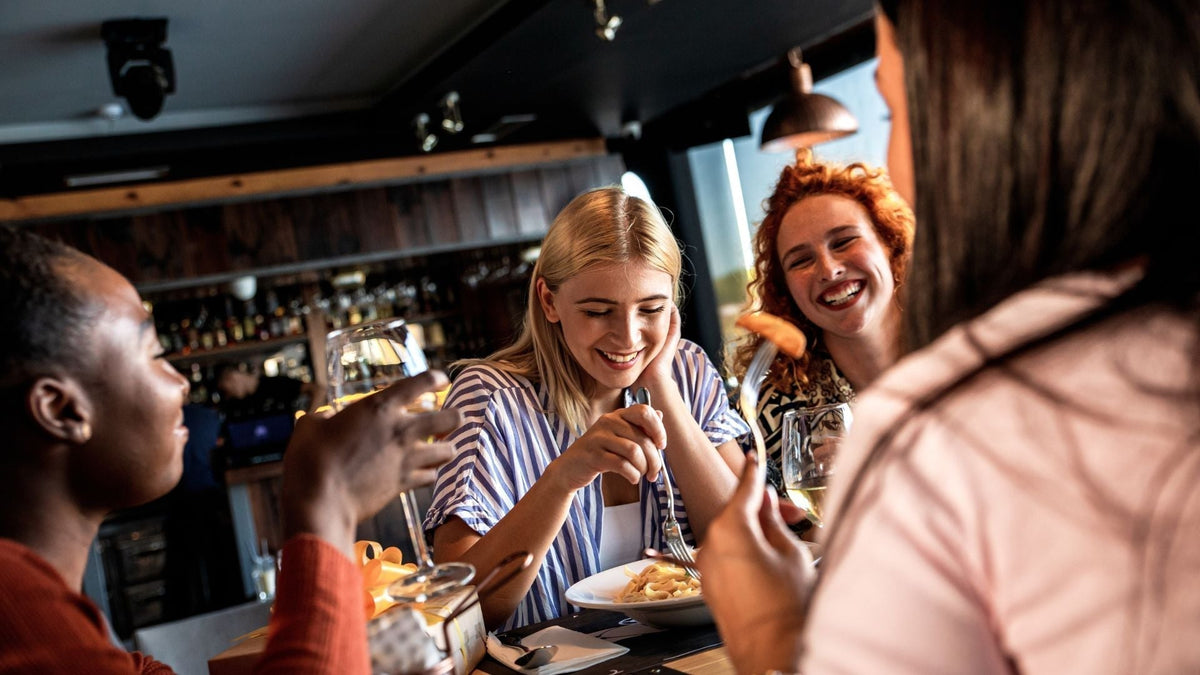
How to Feel Safer Dining Out
Eating out can feel like stepping into uncertainty when you live with celiac disease or gluten intolerance. Restaurants are meant to be places to connect, celebrate, and feel included. But for many of us, they come with a familiar question quietly running in the background:
Is this meal going to make me sick? Should I even risk it? Should I make an excuse to not go?
The good news is that there are ways to walk into a restaurant feeling more prepared, more confident, and more in control, without losing the joy of the experience.
Start by Researching Restaurants
Not all restaurants operate the same way, and understanding the difference can help you choose wisely.
Dedicated gluten-free restaurants are the gold standard. There’s no gluten in the kitchen at all, which dramatically reduces the risk of cross-contact and allows you to relax a little more fully.
Non-dedicated restaurants can still be safe but they require clear communication and extra precautions. Some restaurants may have separate prep areas, and the owners may be knowledgeable about celiac disease. Many kitchens are happy to accommodate, especially when they understand what’s needed.
Both options can work. The key is knowing what questions to ask.
Call Ahead When You Can
Calling a restaurant before you arrive gives everyone a better chance to succeed.
A quick phone call allows the kitchen to:
- Confirm whether they can safely accommodate you
- Prepare ingredients and clean surfaces ahead of time
-
Flag your reservation so staff are ready when you arrive
This gives you a sense of their knowledge of cross-contamination and ingredient safety. You’re not being a Karen, you’re giving them the information they need to keep you safe.
Questions to ask the manager when you call:
-
“What would be safe for someone with celiac disease on your menu?” (Often, people will say gluten allergy in case they do not know what celiac disease is.)
-
“Are separate utensils and pans used for gluten-free meals?”
-
“Can cooks change their gloves when they handle my order?”
-
“Do you have a dedicated gluten-free fryer, or is it shared with breaded items?”
-
“Is the grill cleaned before gluten-free items are cooked?” (If not, ask if they can cook your meal in a separate pan or put aluminum foil on the grill.)
-
"Are your sauces, marinades, and seasonings gluten-free?" (A dish can look gluten-free on the surface but still contain hidden sources unless checked carefully.)
-
“Could you please mark my reservation as ‘celiac disease’?”
Ask to Speak With a Manager or Chef
When you arrive, asking to speak with a manager or chef can make a big difference. This ensures your needs are communicated clearly and taken seriously.
You can say something simple:
“I have celiac disease and need to avoid gluten completely, including cross-contact.”
From there, it’s okay and important to follow up from your phone call and ask about specific precautions.
Advocate for Yourself—Without Guilt
Speaking up can feel uncomfortable, especially in social settings. But advocating for your health is not an inconvenience.
You are not asking for special treatment.
You are asking for safety.
The right restaurant will understand that.
End With Peace of Mind
Even after doing everything “right,” it’s normal to still feel unsure. That lingering doubt can take away from the experience and cause symptoms to pop up just from the anxiety alone.
This is where a final layer of reassurance can help.
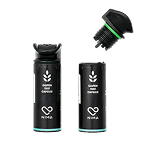
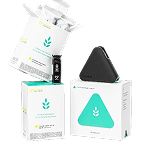
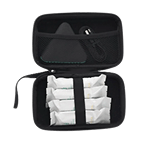
Using our portable gluten detector, the NIMA™ Sensor, allows you to test your food for extra peace of mind. It’s not about mistrust—it’s about certainty. Even after taking all of these precautions, it is hard to trust multiple strangers handling your food who may or may not know the severity of celiac disease.
Everyone deserves to enjoy a meal without fear.
Eating out with celiac disease or gluten intolerance will always require more thought but it doesn’t have to mean sitting back from life. Knowing how to test restaurant food for gluten, from the questions you ask before you order to where you take the sample at the table, turns that thought into a routine. With preparation, communication, and trusted tools, you can reclaim confidence and a seat at the table.
Recent News

Food Anxiety With Celiac Disease: How to Feel Safer Around Food
Food anxiety can be a rational response to managing celiac disease, but it should not make your world smaller. This guide explains how to build calmer safety routines, balance vigilance with quality of life, and recognize when professional support could help.


