

A Parent's Guide to Celiac Disease and Gluten Safety
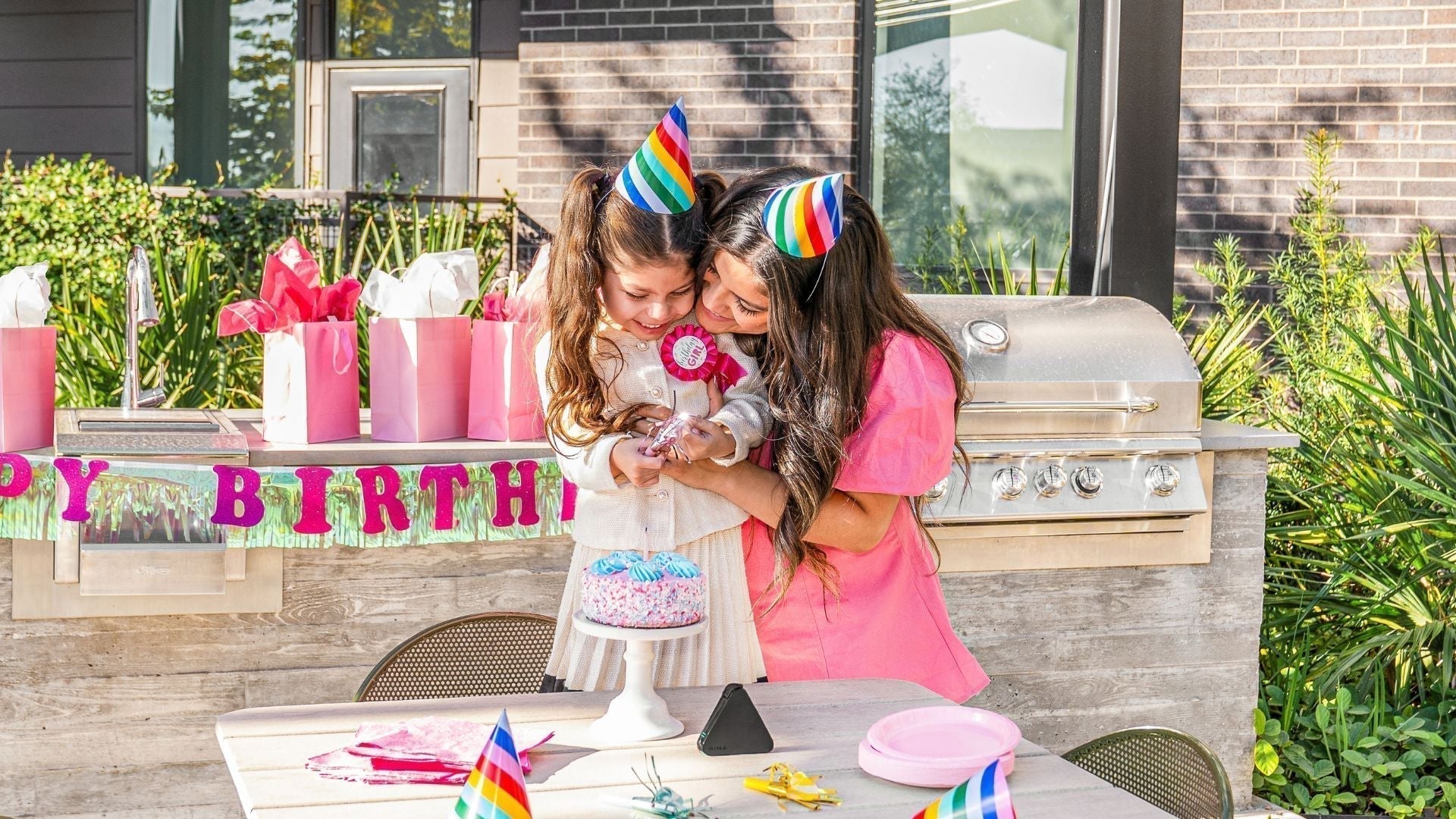
Everything You Need to Know to Keep Your Child Safe and Confident
Practical strategies, emotional support, and the tools you need to protect your child from school to travel and everywhere in between.
Developed with Kate Bourke, RD | Clinical Advisor, NIMA.
You Are Not Overreacting. You Are Protecting.
There is a particular kind of exhaustion that comes with raising a child with celiac disease. It isn't just physical; though it is that. It is the constant mental math of every meal, every birthday party, every school trip, every playdate. It is the weight of knowing that a single crumb, invisible to the eye, can derail your child's health for days.
If that sounds familiar, this guide is for you.
The worry you carry is not an overreaction. It is a valid, rational response to the daily risks your child faces. And the vigilance you practice (e.g. the label reading, the phone calls ahead, the carefully packed snacks) is not overprotection. It is love in action.
This guide won't add to your list. It will help you feel more organized, more confident, and a little less alone.
What Every Parent Should Know: Understanding Celiac Disease in Children
Celiac disease is an autoimmune condition, not a food preference or a sensitivity that can be managed with moderation. When a child with celiac disease consumes gluten, a protein found in wheat, barley, and rye, their immune system attacks the lining of the small intestine. Over time, this damages the villi (tiny finger-like projections responsible for absorbing nutrients) and the effects reach far beyond the digestive system.
According to research, 1 in 133 children has celiac disease. But 33% show no obvious outward symptoms, which means many go undiagnosed for years. 52% of children with celiac experience failure to thrive, and an estimated 10% of unexplained growth delays may be linked to the condition.
The symptoms parents should watch for include:
Physical signs: failure to thrive in infants and toddlers, short stature compared to peers, delayed puberty in adolescents, iron deficiency anemia, weakened bones from low Vitamin D and calcium, and persistent fatigue from B12 deficiency.
Behavioral signs: irritability and mood swings, chronic fatigue that affects school performance, anxiety, depression or social withdrawal, and ADHD-like symptoms including hyperactivity and difficulty concentrating.
Understanding the full picture of what celiac can look like in a child is the first step toward protecting them effectively.
Hidden Sources of Gluten
Once a diagnosis is confirmed, many parents are surprised to discover just how many unexpected places gluten can hide. Beyond the obvious — bread, pasta, crackers — be aware of:
- Processed foods: Soups, sauces, gravies, and bouillon cubes frequently use gluten as a thickener.
- Processed meats: Sausages, hot dogs, and deli meats may contain gluten-based fillers.
- Cereals and oats: Even cornflakes can contain malt flavoring derived from barley. Always choose oats that are specifically labeled gluten-free.
- Snack foods: Some chips are seasoned with wheat or fried in shared oil alongside breaded items.
- Non-food items: Lip balms, toothpastes, and children's modeling dough — including Play-Doh — can contain gluten.
One of the most important things to remember: "wheat-free" does not mean "gluten-free." Barley and rye also contain gluten, and many products that avoid wheat still include one of these. Always look for certified gluten-free labeling.
School and Social Situations
Gluten risk for children looks different than it does for adults. Kids eat in environments that are harder to control, with less ability to advocate for themselves — and often without you there to ask the right questions.
Navigating the School Environment
Cross-contact is when gluten-free food comes into contact with gluten-containing food and it can happen in more places than the cafeteria. Lunch tables, desks, and kitchen counters can be contaminated with crumbs. Art and craft materials like Play-Doh, paper mache, and certain paints contain gluten, and wet or sticky materials carry a particularly high transfer risk. Class parties and celebrations are a consistent source of challenge.
Steps that make a real difference:
- Educate school staff (e.g. teachers, nurses, and cafeteria workers) about your child's needs and the severity of cross-contact. Don't assume anyone knows what celiac disease actually means.
- Encourage consistent handwashing before eating, especially after art projects.
- Provide a box of pre-packaged, certified gluten-free snacks at the start of the school year so your child is covered for impromptu celebrations.
- Discuss gluten-free alternatives for classroom art projects directly with the teacher.
- Work with your school to establish a 504 Plan. This is a formal legal accommodation that creates institutional protection, from the cafeteria to the classroom, and holds the school accountable to specific protocols.
Birthday Parties and Social Moments
The constant stream of cupcakes, pizza, and classroom snacks can feel like a social minefield. The goal isn't to remove your child from these moments, it's to prepare them to participate fully and safely.
A practical strategy: keep gluten-free cupcakes or brownies in your freezer. When an invitation arrives, your child has a safe treat ready that looks just like everyone else's. Most parents are genuinely happy to help once they understand the stakes. A brief, matter-of-fact message ahead of the party can make all the difference.
It's also worth beginning to practice language with your child early. Simple, confident phrases such as, "No thank you, I have my own special treat!", reduce social awkwardness and help your child feel ownership over their health rather than shame about their needs.
Sports and After-School Activities
When your child's team travels for tournaments or practices away from home, the food environment becomes unpredictable. Before the season starts, explain celiac disease and the risks of cross-contact to the coach and team manager. Pack a dedicated to-go bag with safe essentials — gluten-free bread, protein bars, fruit, cheese sticks — for long tournament days. Apps like Find Me Gluten Free and Atly can help you identify safe restaurants near your destination before you leave.
Restaurants, Travel, and Other People's Homes
Eating Out
Eating out with a child who has celiac disease requires planning, communication, and the recognition that even after doing everything right, you are still placing your child's health in the hands of a kitchen you can't see. That doesn't mean you shouldn't go, it means you go prepared.
Before you arrive: call ahead and ask specifically about dedicated fryers, prep surfaces, and staff training. Choose restaurants with established gluten-free menus over those offering vague "accommodations." When you're seated, ask your server to confirm the kitchen's cross-contact protocol. A well-trained team will know exactly what that means.
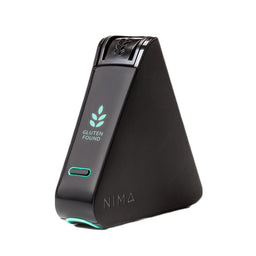
When the food arrives, use NIMA as a final verification layer. After all the planning and communication, it provides a real-time check on what's actually in front of your child.
Travel
The challenge multiplies when you travel. Hotel breakfast buffets become minefields of shared tongs. Airport food courts offer limited options and rushed service. Small-town diners may have little or no awareness of celiac disease. As your ability to control the environment decreases, uncertainty grows.
To travel with more confidence:
- Research gluten-free friendly restaurants before departure using Find Me Gluten Free or Atly.
- Pack safe snacks for airports and car trips to reduce reliance on unfamiliar food sources.
- Inform hotel staff about dietary needs, especially for breakfast.
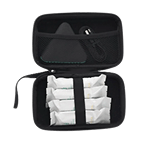
- Keep NIMA in your carry-on. It's small enough to travel easily and provides a real-time check at every unfamiliar meal.
Playdates and Other Kids' Homes
The parent hosting the playdate genuinely wants to do the right thing. They've read the label. They've tried. But shared kitchens, unknown products, and the best intentions aren't always enough. Microscopic gluten particles can linger on shared toasters, cutting boards, or condiment jars that have been double-dipped with a non-GF utensil.
This is exactly the scenario NIMA was built for. It provides a discreet, scientific data point in the middle of social uncertainty. It isn't about distrusting the host, it's about diligence. It turns an anxious guess into an informed choice, and it allows your child to participate fully rather than sitting on the sidelines.
Safe Home Practices
For families where not everyone is gluten-free, creating a safe home kitchen is about building consistent habits rather than achieving perfection.
Managing a Shared Kitchen
Dedicated spaces: Designate separate areas of the pantry and refrigerator for gluten-free foods. Store GF items on higher shelves to prevent crumbs from falling onto them.
Separate tools: Invest in dedicated cutting boards, toasters, colanders, and utensils for gluten-free cooking. Color-coding is a simple visual system the whole family can follow without much thought.
Condiment control: Use squeezable containers or keep separate, clearly labeled jars of peanut butter, jam, and condiments to prevent cross-contamination from shared utensils.
Thorough cleaning: Clean all surfaces and cookware with hot, soapy water after preparing gluten-containing meals. Pay particular attention to what might be called "gluten traps" — the microwave interior, the oven, and the crevices of shared countertops.
Label Reading Basics
In the United States, the FDA allows the "gluten-free" label only on products containing fewer than 20 parts per million (ppm) of gluten. Third-party certified gluten-free organizations often hold stricter standards, testing as low as 5–10 ppm — their logos are worth looking for on packaging.
When reading ingredient lists, look specifically for wheat, barley, rye, malt, and brewer's yeast. And remember: "may contain wheat" or "processed in a facility with wheat" warnings, while voluntary, indicate a real cross-contact risk and should be taken seriously.
Raising a Child Who Can Advocate for Themselves
One of the hardest parts of raising a child with celiac disease isn't the logistics, it's watching them navigate a world that wasn't built for them, and knowing that you won't always be there to help.
The most durable protection you can give your child is the ability to advocate for themselves. This is a long-term investment, built gradually with age-appropriate language and practice.
Start early with simple language. Explain their dietary needs in terms they can understand and repeat confidently. Role-play common scenarios: what to say when someone offers them food at a party, how to explain their needs to a new friend's parent, what to do if they're not sure about something.
Build confident phrases. Something like: "No thank you, I can't eat that, but I have my own special snack!" This kind of language reduces social awkwardness and builds self-confidence without requiring a lengthy explanation.
Grow the toolkit with age. As your child gets older, involve them in label reading, restaurant decisions, and food testing. Each skill builds toward full independence. A teenager who has grown up understanding their condition and their tools is far better equipped than one who has always had decisions made for them.
Let them take ownership. Give them increasing responsibility for their own safety decisions. The goal isn't dependence on any single tool or person. It's raising a child who knows their toolkit, uses it confidently, and trusts themselves to make good decisions.
Your Complete Safety Toolkit
Protecting your child from gluten exposure is about building layers, not relying on any single strategy. Here is how the pieces fit together:
Pediatric GI specialist or registered dietitian. This is the foundation of your child's care. Regular monitoring ensures their diet is nutritionally complete, their growth is on track, and any complications are caught early.
504 Plan and school accommodations. A formal legal document that creates institutional protection in the school environment, from cafeteria protocols to classroom activities.
Label reading and certified gluten-free products. Your first line of defense at the grocery store. Certified products provide the highest level of trust.
Teaching self-advocacy. A lifelong skill. The most durable protection you can give your child is the ability to speak up, ask questions, and make informed choices independently.
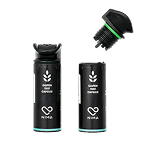
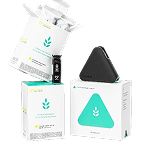
NIMA Gluten Sensor. The final layer. A real-time check when the food is in front of your child and all other steps have already been taken. NIMA detects gluten down to 10 ppm with 99% probability and delivers results in about 3 minutes.
What NIMA Does — and What It Doesn't
We believe parents deserve a straight answer about what any tool can and cannot do.
NIMA tests a small sample of food, not an entire dish. Proper sampling technique matters, and results reflect only the portion tested. Used as part of a complete toolkit, NIMA gives families real information at the moment it matters most.
NIMA does:
- Detect gluten down to 10 ppm with 99% probability
- Deliver results in about 3 minutes
- Test a real sample of the food in front of your child
- Give your child a concrete, confidence-building action in uncertain moments
- Work alongside your full gluten-free safety toolkit
NIMA does not:
- Test an entire dish — sampling technique is important
- Replace your child's medical care or dietitian
- Substitute for label reading or school accommodations
- Guarantee the rest of the meal is safe
- Make the decision — that always belongs to you and your child
Emotional Support for Parents
The emotional weight of managing your child's celiac disease is real and significant. You are simultaneously a food detective, a vocal advocate, a logistics coordinator, and a pillar of calm for your child; all while managing your own worry and grief about the challenges they face.
It is completely normal to feel overwhelmed, anxious, or even guilty. Please know: you are not alone, and a strong community of parents who understand exactly what you're carrying exists and is ready to support you.
A few things worth holding onto:
Your diligence is an act of love. The phone calls you make, the labels you read, the snacks you pack, every one of those things is a form of protection. You are not overreacting. You are responding rationally to real risk.
Connecting with other celiac families provides something that practical guides cannot: the feeling of being truly understood. Seek out those communities, online and in person.
It's okay to lean on professionals. Pediatric gastroenterologists, registered dietitians, and mental health providers who work with chronic illness are valuable resources. You don't have to manage all of this alone.
Be kind to yourself. You cannot control everything. Not every kitchen, not every birthday party, not every moment when you're not in the room. That is not failure. That is the honest reality of raising a child with a chronic condition, and it is okay.
Resources
- Psychosocial Support for Children With Celiac Disease — Stanford Medicine Children's Health
- Celiac Disease Support Groups — BeyondCeliac.org
- Gluten: Preventing Cross-Contact — AGA GI Patient Center
- Find Me Gluten Free App — Community-reviewed gluten-free restaurants
- Atly App — Dietitian and celiac expert-curated restaurant guide
NIMA is not a medical device and does not replace clinical guidance, school accommodations, or professional dietary advice. Always work with your child's healthcare provider to determine the right approach for your family.
Recent News

Is Bulgur Gluten Free? Why It Contains Gluten and What to Eat Instead
Bulgur is a form of wheat, so it is not gluten free. This guide explains where it appears, how to read labels and menus, and which naturally gluten-free grains can replace it in salads, pilafs, soups, and other recipes.


