

Celiac Disease Foods to Avoid: The Complete List
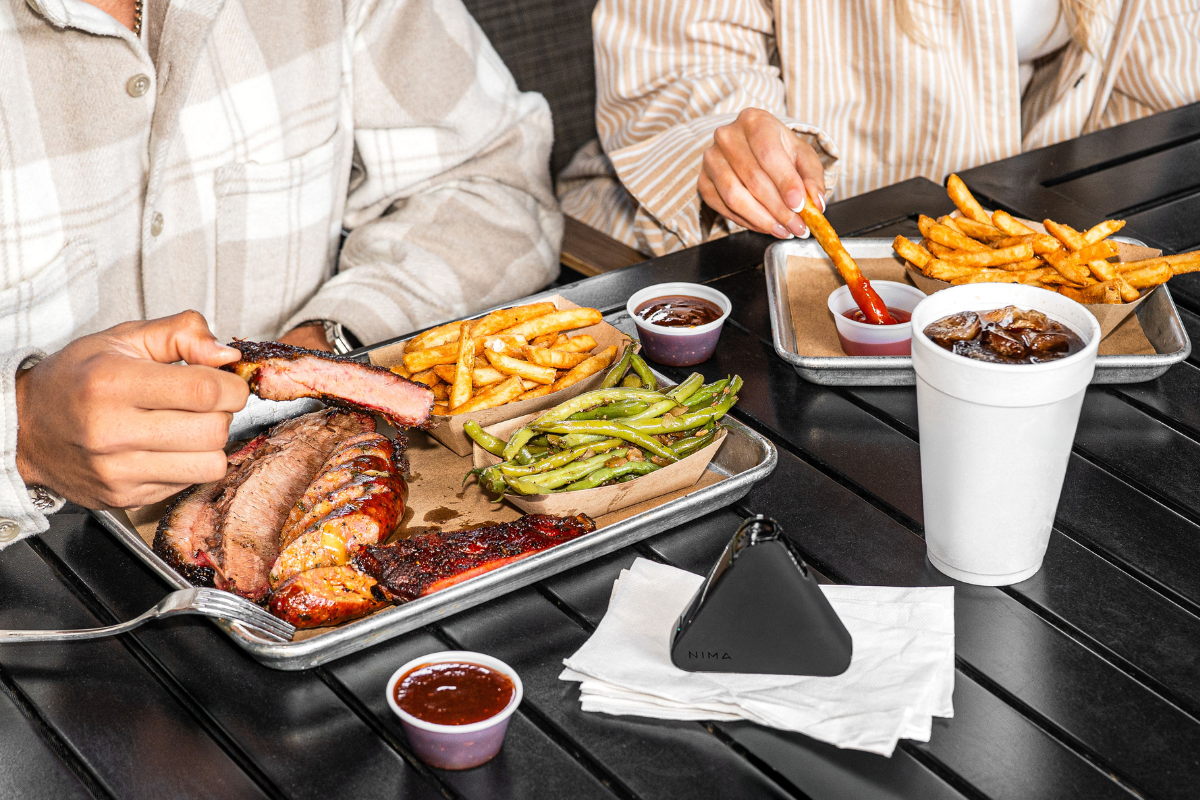
You scan the menu. You read the label. You ask the server one more clarifying question. And you still can’t fully shake the feeling that something might slip through.
That feeling is one of the most exhausting parts of living with celiac disease, and if you are newly diagnosed, nobody really warns you about that part. The rules sound simple at first. Avoid gluten. Then you realize gluten is in soy sauce. And most soups. And the shared toaster in your kitchen. The list keeps growing, and so does the mental load of keeping track of it all. Understanding gluten allergy vs. celiac disease helps readers distinguish an immune disorder from intolerance or other reactions.
This guide is your full list of celiac disease foods to avoid, plus the surrounding context that makes those lists genuinely useful. It answers what celiacs cannot eat in one practical place. For the other side of the plate, our guide to what people with celiac can eat covers the safe foods you can build meals around.
You will get the obvious grains, the everyday products that almost always contain gluten, the hidden sources that catch even careful eaters, the truth about the “gluten-free” label, and a practical playbook for cross-contact at home and out in the world.
Why Even Trace Gluten Matters When You Have Celiac
Celiac disease is an autoimmune condition. When you eat gluten, your immune system reacts by attacking your small intestine and damaging the tiny villi that absorb nutrients from your food. That damage happens even when you feel fine afterward, which is part of what makes celiac so frustrating to manage. It is also why celiac cannot be reversed and the diet is lifelong.
This is the reason “mostly gluten-free” doesn’t work for celiac the way it might for a casual dietary preference. Even trace amounts can trigger the immune response. A few crumbs from a shared toaster. A teaspoon of soy sauce in a marinade. A swipe of butter from the family jar. Any of it can be enough.
The Three Grains You Always Have to Avoid
Wheat, barley, and rye. Anything made from these, or anything where they appear as an ingredient, is off-limits.
Wheat shows up under many names. Spelt, kamut, farro, einkorn, durum, and semolina are all forms of wheat and all contain gluten. Triticale, a wheat-rye hybrid, belongs in the same category. If a flour, bran, malt, starch, or grain extract comes from any of these grains, it carries gluten with it.
The reason these three grains are unsafe comes down to specific proteins. Wheat contains gliadin. Barley contains hordein. Rye contains secalin. These are the gluten proteins your immune system reacts to, and processing doesn’t remove them. Bleached, sprouted, fermented, sourdough, ancient, organic. None of those words change the underlying protein. If it traces back to wheat, barley, or rye, it isn’t safe for celiac.
Everyday Foods That Almost Always Contain Gluten
Assume each item below contains gluten unless a certified gluten-free version is clearly labeled on the package. This is not a comprehensive list, but it covers the foods that come up most often.
• Breads, rolls, bagels, and buns
• Pasta, noodles, ramen, and udon
• Crackers, pretzels, and croutons
• Cookies, cakes, brownies, and pastries
• Pancakes, waffles, and most baking mixes
• Most breakfast cereals, granola, and muesli
• Breaded or battered meats, seafood, and vegetables
• Fried foods cooked alongside breaded items
• Pizza, calzones, and dumplings
• Couscous, bulgur, farina, and seitan for the grains that are safe to build meals around, rice is the obvious starting point, though whether every kind of rice is gluten free depends on what is added to it.
• Beer, ales, lagers, and malt-based beverages
Gluten-free versions exist for almost every item on this list, but never assume a swap is safe based on the category alone. Check for a certified gluten-free label, and if you’re eating at someone else’s house or in a restaurant, ask before you take the first bite.
The Surprising Hidden Sources of Gluten
This is where careful, experienced gluten-free eaters still get caught. Gluten works as a thickener, a binder, a flavoring agent, and a coating, which means it slips into products you’d never suspect from the name on the front of the package.
The categories below cover the places gluten most commonly hides. Scan to whichever is most relevant to how you eat and shop.
Sauces, Soups, and Condiments
Soy sauce is the classic trap. Wheat is usually the second ingredient, which is why most traditional soy sauces are off-limits. Teriyaki, oyster sauce, and many Asian-style marinades carry the same issue. Tamari is the most common safe substitute, but always confirm the bottle is labeled certified gluten-free, because whether soy sauce is gluten free comes down to the exact product rather than the type or the brand name.
Wheat is also one of the most common thickeners in canned and prepared soups, especially cream-based varieties. Many gravies, pan sauces, BBQ sauces, and salad dressings use wheat flour to thicken or stabilize. Malt vinegar is made from barley and is not safe. Some mustards include malt or wheat-based stabilizers as well.
A scratch vinaigrette takes 30 seconds and removes the guesswork. Sometimes the simplest fix is also the best one.
Processed Meats and Deli Counter Items
Hot dogs, sausages, meatballs, and luncheon meats often contain wheat-based fillers or binders. Self-basting poultry, imitation crab, and pre-seasoned proteins frequently include gluten in the seasoning or marinade. Check every label, even on products you’ve bought before, because formulations change.
Deli counters add a second layer of risk. The same slicer that cuts gluten-free turkey usually just sliced a gluten-containing ham. That residue can transfer in trace amounts large enough to trigger a reaction. Asking for a freshly cleaned slicer is completely reasonable, and most deli staff will do it without any fuss. Or buy pre-packaged meats clearly labeled gluten-free.
Beverages: Beer, Malt Drinks, and Flavored Coffees
Regular beer, ales, lagers, malt liquor, and most hard seltzers with a malt base are not safe. Barley and wheat sit at the heart of traditional brewing. “Gluten-removed” beers are a more complicated case. Some people with celiac tolerate them, but the residual gluten content is not reliably below the safe threshold for everyone, so most clinicians recommend avoiding them.
Distilled spirits and wine are typically gluten-free, even when the source grain is gluten-containing, because distillation removes the gluten proteins. The risk with cocktails shifts to mixers and flavored syrups. Coffee shop syrups, premade cocktail mixes, and seasonal lattes sometimes use malt or barley extract for color and flavor. Worth asking before you order.
Safer choices include cider, certified gluten-free beers, and straight spirits with simple mixers.
Medications, Supplements, and Personal Care
This one surprises people. Some prescription and over-the-counter medications use wheat starch as a binder. Many supplements use unnamed “starch” that may or may not be wheat-derived. Lipsticks, lip balms, mouthwash, and toothpaste can all carry gluten that ends up ingested in trace amounts over time.
Asking your pharmacist to check the inactive ingredients of every medication and supplement you take is a simple fix. It takes a few minutes and is genuinely worth it. Choose personal care products from brands that explicitly label gluten-free, especially anything that touches your mouth or hands you use to eat.
The “Gluten-Free” Label: What 20 ppm Really Means
A product labeled “gluten-free” isn’t truly gluten-free in the absolute sense. Under the FDA’s gluten-free labeling rule, a product can carry that label as long as it contains less than 20 parts per million of gluten. That is the legal threshold in the United States.
For most people with celiac disease, food consistently below 20 ppm is safe and doesn’t trigger an immune response. For a smaller subset, even amounts under that threshold can cause symptoms or damage. That is why two people with celiac can follow the same diet and have very different experiences with the same product.
The “gluten-free” label is a strong first defense, not a guarantee. Label reading, certified gluten-free choices, and awareness of cross-contact are still doing real work even when the label looks right.
Oats and Celiac Disease: A Special Case
Oats are naturally gluten-free, but most commercial oats are grown, harvested, and processed alongside wheat and barley. That shared supply chain contaminates standard oats enough to make them unsafe for celiac.
Only buy oats when they are labeled certified gluten-free. These come from dedicated supply chains that prevent cross-contact during growing and processing. When you first add oats back into your diet, introduce them slowly and pay attention to how your body responds over a few weeks.
A small percentage of people with celiac react to avenin, a protein found in oats themselves, separate from any gluten contamination. If you eat certified gluten-free oats and still feel symptoms, that is a real possibility worth raising with your doctor or dietitian.
Cross-Contact: Where Safe Foods Become Unsafe
Cross-contact happens when a gluten-free food touches a gluten-containing food, surface, or utensil. Even when no visible crumbs transfer, the residue is enough to make a previously safe item unsafe for someone with celiac. This is one of the most common ways people get exposed even after a perfect grocery shop.
The cross-contact traps below cover home, restaurants, and the supply chain.
At Home
A few dedicated items prevent most household cross-contact. Keep a separate toaster, cutting board, colander, and butter or jam jar for the gluten-free eater. Shared cookware needs careful washing, but porous tools like wooden cutting boards and old plastic colanders are nearly impossible to fully clean.
Wipe down counters before preparing gluten-free meals. Wash your hands after handling gluten-containing food. Use separate sponges where you can, since old sponges trap crumbs even after rinsing. Store gluten-free items above gluten-containing ones in the pantry so crumbs and flour dust don’t fall onto safe products.
At Restaurants
Shared fryers are one of the biggest restaurant traps. French fries that look gluten-free are often cooked in the same oil as breaded chicken or onion rings. Shared pasta water, shared grills, gluten-containing marinades, and croutons picked off a salad mid-plate all carry the same risk. The food may technically be gluten-free, but its preparation is not.
A few questions worth asking before you order:
• Does the kitchen have a dedicated fryer for gluten-free items?
• Is the pasta cooked in its own water?
• Can the kitchen confirm the ingredient list for sauces and seasonings?
• Does the restaurant have a documented gluten-free protocol, or is it handled on the fly?
Servers want to help, but they aren’t always trained on every ingredient and process. When in doubt, ask to speak with a manager or the chef, and trust your gut if anything feels uncertain. A 2019 study found 32% of restaurant foods labeled gluten-free still had detectable gluten, which is the case for learning how to test restaurant food for gluten before the first bite. Corn itself belongs on the naturally safe list; corn is naturally gluten-free even when a restaurant preparation may not be. That gap between the menu label and the kitchen is exactly why being sick after eating gluten-free can still raise questions about cross-contact, even after asking the right questions at the table.
At the Grocery Store and During Manufacturing
Bulk bins are high-risk territory. Scoops get swapped, lids stay open, and a bin labeled gluten-free can sit next to one full of wheat flour with crumbs traveling easily between them. Most celiac clinicians recommend avoiding bulk bins entirely.
Manufacturing on shared lines is also legal under the 20 ppm rule, which is why warnings like “may contain wheat” or “processed in a facility that also processes wheat” deserve real weight. They aren’t boilerplate. Where possible, choose certified gluten-free brands for products with a high hidden-gluten risk profile, especially oats, flours, sauces, and packaged baked goods.
Naturally Gluten-Free Foods You Can Eat With Confidence
The list of foods safe for celiac is much longer than the avoid list. According to the Celiac Disease Foundation, the following foods are naturally gluten-free in their unprocessed form:
• Fresh fruits and vegetables
• Plain meats, fish, and seafood
• Eggs
• Legumes, beans, and lentils
• Nuts and seeds
• Dairy in its natural form, including milk, plain yogurt, and most cheeses
• Rice, including brown, white, and wild
• Corn and plain corn tortillas
• Potatoes and sweet potatoes
• Quinoa, buckwheat, amaranth, millet, and sorghum
“Naturally gluten-free” stays gluten-free only until something is added or shared. A seasoned chicken can become unsafe. A salad with croutons is no longer safe. A rice dish made in a pan that just cooked pasta carries cross-contact risk.
The good news is the variety here is much bigger than it first looks. Most home-cooked meals built from this list are a safe foundation, and a strong gluten-free kitchen leans on these ingredients heavily.
How to Read an Ingredient Label Like Someone With Celiac
Label reading is a skill. Once it clicks, it goes fast. Until then, scan every list every time, because formulations change without warning and brands you trusted last month may have quietly reformulated.
Flag these words immediately: wheat, barley, rye, triticale, malt, brewer’s yeast, hydrolyzed wheat protein, and seitan. “Modified food starch” is safe only if the source is named and is not wheat. “Dextrin” can be wheat-derived in some products. Anything that uses generic “starch” without a source on a US-labeled product is usually corn, but it’s worth verifying when you’re new to a brand.
A few quiet traps. “Wheat-free” does not mean gluten-free. The product can still contain barley or rye. “May contain wheat” and “processed in a facility with wheat” should be treated as real risks, not legal disclaimers. And if a product you have bought dozens of times suddenly starts causing symptoms, reformulation is a legitimate first thing to check.
Your Gluten-Free Toolkit (and Where NIMA Fits)
Managing celiac is a stack of small decisions made every day, and knowing the celiac disease foods to avoid is the starting line. Most people in this community already lean on a toolkit that includes their healthcare team, careful label reading, certified gluten-free buying, and a sharp list of questions for any kitchen they didn’t cook in themselves.
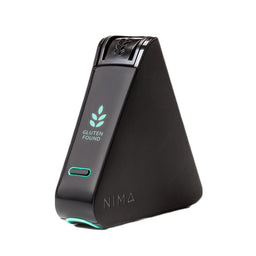
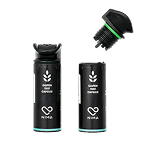
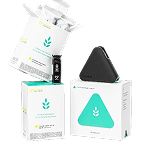
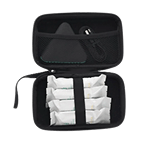
NIMA is one more tool you can reach for when you have done everything right and still want a clearer answer. It’s a portable gluten sensor that tests a pea-sized sample of food for gluten down to 10 ppm in about three minutes, with 99% accuracy validated by an independent third-party lab. More than 100,000 meals have already been tested and cleared this way by people doing exactly what you’re doing. If you are weighing it against the other food test on the market, how NIMA compares with EZ Gluten comes down to speed, format, and whether you want a reusable reader or a disposable strip.
It’s not the first line of defense. It’s the last step before the first bite for the moments when you want one more layer of clarity. See how NIMA helps.
You deserve more confidence at the table.
Sources
United States Food and Drug Administration. "Gluten-Free Labeling of Foods." U.S. Food and Drug Administration, www.fda.gov/food/nutrition-food-labeling-and-critical-foods/gluten-free-labeling-foods. Accessed 21 June 2026.
Celiac Disease Foundation. "Gluten-Free Foods." Celiac Disease Foundation, celiac.org/gluten-free-living/gluten-free-foods/. Accessed 21 June 2026.
Recent News

Food Anxiety With Celiac Disease: How to Feel Safer Around Food
Food anxiety can be a rational response to managing celiac disease, but it should not make your world smaller. This guide explains how to build calmer safety routines, balance vigilance with quality of life, and recognize when professional support could help.


