

The Gluten-Free Summer Camp Checklist Every Celiac Parent Needs

The Summer Camp Checklist Every Celiac Parent Needs
Summer camp should be one of the best parts of childhood. Campfires, new friends, lake swims, staying up too late in the cabin. For kids with celiac disease, it can also be one of the most stressful things a parent plans all year.
Will the kitchen staff understand cross-contact? Will a counselor think it is fine to just pick the croutons off the salad? Will your child spend the week anxious and hungry, or will they actually get to just be a kid?
We are here to tell you that a great camp experience is absolutely possible. It just takes a little more preparation than most families deal with. Here is what you need to know.
First: Day Camp or Overnight Camp?
Before you start comparing programs, think honestly about where your child is right now.
A child who was recently diagnosed, or who is still building confidence with the gluten-free diet, may do better at a day camp first. You can pack their lunch, they come home every night, and the food variables are much easier to control. There is nothing wrong with this. Day camp can still be a wonderful experience, and it gives your child a chance to build independence without the added complexity of three daily meals prepared by someone else.
For a child who is more experienced, confident, and ready for the full overnight experience, the key is doing the right work before they ever set foot on the bus.
Finding the Right Camp
Not every camp is equipped to handle celiac disease safely. Some are genuinely excellent at it. Others mean well but do not fully understand the difference between gluten-free and celiac-safe. Your job is to figure out which category a camp falls into before you commit.
Start with camps that openly list food allergy accommodations on their website. This is a good sign that they have thought about it. But do not stop there. A website that says "we accommodate dietary restrictions" is a starting point, not a guarantee.
Look for programs that describe specific protocols, dedicated prep areas, staff training, and clear communication channels with parents. The more specific they can be, the more confidence you can have.
Dedicated gluten-free camps, where every single camper eats gluten-free, are the gold standard if you can access one. There is something genuinely different about your child being in a place where nobody has to explain themselves, nobody gets a special plate, and the whole dining hall is safe. Organizations like the National Celiac Association and the Celiac Disease Foundation maintain updated lists of these programs each year and are worth checking before registration season begins.
The Conversation to Have Before You Sign Anything
Once a camp catches your eye, ask to speak with the Food Service Manager or Kitchen Manager directly. Not just a general admissions person. The person who actually runs the kitchen.
Here are the questions that matter most:
On sourcing: Are the ingredients themselves gluten-free? Do they use certified gluten-free products where relevant, or do they rely on staff judgment?
On storage: Is gluten-free food stored separately from everything else, in both dry and cold storage? Cross-contact can happen before a meal is ever prepared, so this matters.
On preparation: Is there a dedicated prep area for gluten-free food? If not, what is the cleaning protocol between preparing regular and gluten-free items? What utensils, cutting boards, and cookware are used?
On service: How is food actually served to campers? A buffet line where one shared spoon touches everything is very different from a dedicated plate prepared in the kitchen. Ask specifically how they protect against cross-contact at the point of service.
-
Ask whether menus are available in advance and how substitutions are handled. Reviewing menus before camp allows families to identify potential concerns, discuss alternatives, and ensure their child will have nutritionally adequate options throughout the week.
On exposure: What happens if your child is accidentally exposed to gluten? Does the camp nurse understand celiac disease? Will they have what your child needs on hand if they have a reaction?
-
It can also be helpful to ask whether the camp keeps gluten-free backup foods on hand in case a planned meal becomes unavailable or cross-contact concerns arise. Having safe alternatives readily available can prevent children from skipping meals or relying on less nutritious snack foods.
Pay attention to how these questions are answered. A kitchen that truly understands celiac disease will have ready answers. A kitchen that hesitates, gets defensive, or gives vague responses is one to approach carefully. Trust your instincts here. If something feels off, it probably is.
Prepare Your Child, Not Just the Camp
It is easy to spend so much energy on logistics that you forget the most important conversation: the one with your kid.
Involve them in the process. Tell them what questions you asked and what the camp said. Walk them through what to do if something does not look right on their plate. Practice the words they can use to ask a counselor for help without feeling embarrassed.
-
If age-appropriate, encourage your child to learn how to identify certified gluten-free labels and recognize ingredients that commonly contain gluten. These skills can support safe food choices and foster independence.
For older kids and teens especially, part of what camp teaches is independence. That includes learning to advocate for their own safety in a new environment, with new people, without you there. The more they feel like a participant in the preparation rather than just the subject of it, the more confident they will feel when they actually get there.
Pack a Camp Snack Kit
Even at camps with strong gluten-free protocols, sending a small supply of shelf-stable gluten-free snacks can provide peace of mind for both parents and campers. Camp schedules are often packed with activities, and meal times may shift due to weather, field trips, extended events, or changes in the daily routine. Having trusted gluten-free snacks readily available helps ensure your child always has a safe option if meals are delayed, substitutions are needed, or they need extra fuel after a busy day of swimming, hiking, sports, or other camp activities.
A snack kit can also help reduce anxiety. Many children with celiac disease feel more confident knowing they have familiar foods available if they are unsure about a menu item or if a planned meal does not work out as expected. Rather than going hungry or taking a risk with food they are uncertain about, they have a reliable backup option.
Consider packing a variety of snacks that provide both energy and staying power. Protein bars, nut butter packets, trail mix, roasted chickpeas, beef or turkey jerky, gluten-free crackers, popcorn, dried fruit, applesauce pouches, and individually packaged nuts or seeds are all portable choices that travel well. If permitted by the camp, protein shakes may also be useful for older children and teens with higher energy needs.
When selecting snacks, choose items that your child already enjoys and has eaten before. Camp is not the ideal place to experiment with new foods. Familiar favorites can provide comfort and help maintain normal eating patterns while away from home.
Where NIMA Fits In
Even when you have done everything right, there are still moments of uncertainty. A dish that looks different than expected. A new ingredient the kitchen added this week. A shared surface that someone may not have cleaned carefully enough.
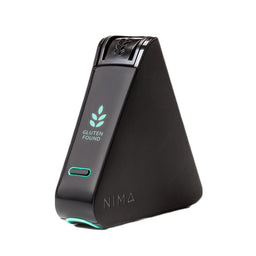
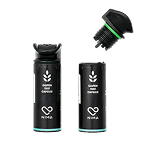
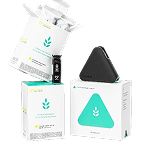
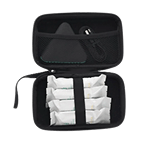
This is where NIMA is genuinely useful for older kids and teens who are mature enough to use it. A quick test before eating gives real information in about 3 minutes. It does not replace the conversations you had with the camp, and it is not a substitute for choosing a program you trust. But it gives your child a tool to use in the moments when they are not sure, and that is its own kind of confidence.
Knowing they can check for themselves, rather than just hoping for the best, makes the whole experience feel less like a leap of faith.
The Bottom Line
Remember that food is a major part of the camp experience. With thoughtful planning, children with celiac disease should be able to participate in meals, snacks, celebrations, and traditions alongside their peers while maintaining a safe gluten-free diet. The goal is not just avoiding gluten-it's helping kids feel included, nourished, and confident throughout their camp experience.
Summer camp and celiac disease can absolutely go together. It takes more preparation than most parents deal with, but that preparation pays off. Ask the hard questions early. Choose a camp that can answer them well. Involve your child in the process. And then let them go have the summer they deserve.
The ropes course and the campfire and the friendships are all waiting for them.
NIMA supports informed decisions. It does not guarantee food safety or replace medical management.
Recent News

Is Bulgur Gluten Free? Why It Contains Gluten and What to Eat Instead
Bulgur is a form of wheat, so it is not gluten free. This guide explains where it appears, how to read labels and menus, and which naturally gluten-free grains can replace it in salads, pilafs, soups, and other recipes.


