

Understanding NIMA’s Accuracy and Role in Gluten-Free Living
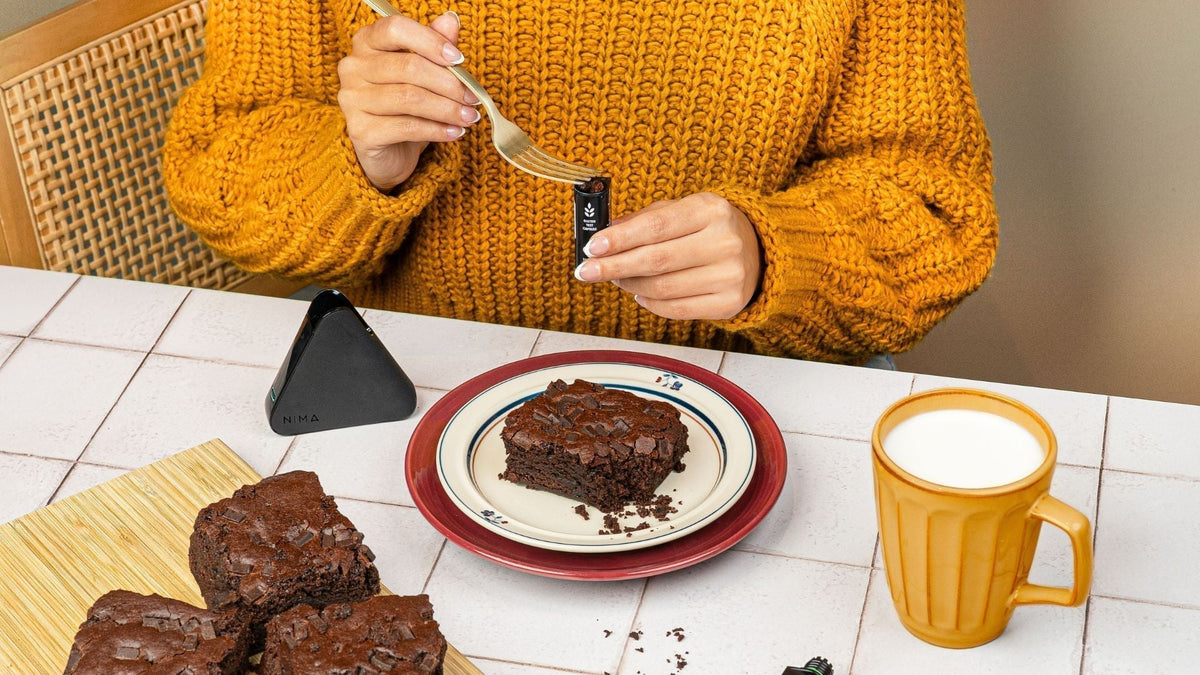
Understanding NIMA’s Accuracy and Role in Gluten-Free Living
Living gluten-free asks a lot of you.
You read labels.
You ask questions.
You double-check ingredients.
You bring snacks just in case.
And even then, uncertainty can remain.
Because gluten isn’t always obvious. It can hide in sauces, spice blends, shared fryers or a cutting board that wasn’t cleaned. A meal can be labeled “gluten-free” and still carry risk due to cross-contamination.
At NIMA, we understand how real those moments are. And because the stakes involve your health or the health of your loved ones, clarity matters.
This article explains how NIMA fits into everyday gluten-free living and how accuracy works in the real world.
NIMA Is One Tool in Your Gluten-Free Toolkit
NIMA is not a replacement for established gluten-free safety practices such as:
-
Reading labels
-
Communicating with waitstaff
-
Asking about cross-contact
-
Choosing certified gluten-free products
Those steps remain essential.
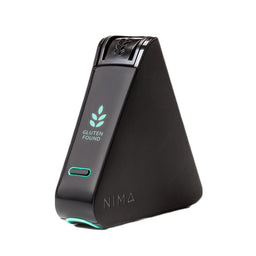
Instead, NIMA acts as an additional layer of information, particularly in situations where uncertainty remains after precautions have already been taken.
Think of NIMA as an assist, not a substitute.
A tool designed to help support informed decisions before taking a bite.
What 99% Accuracy Really Means
No testing method, anywhere, is 100% perfect.
Food itself isn’t perfectly uniform. Gluten may not be evenly distributed throughout a dish, and cross-contact can occur in isolated areas. Even laboratory testing analyzes only portions of a sample rather than an entire plate.
That’s why independent validation matters.
In third-party evaluation conducted by Bia Diagnostics, one of the world’s leading allergy testing laboratories, NIMA demonstrated a 99% probability of detecting gluten at 10 parts per million (ppm) across foods containing wheat, rye, and barley. Published validation is not a given in this category, and what Allergen Alert has and has not published is a useful example, because its claimed detection limit still has no supporting third-party figure behind it. The LEO gluten tester sits at a similar stage, newer to market and with less published independent validation so far.
This level aligns with the FDA definition of gluten-free food labeling standards.
In real life, this means NIMA can provide meaningful additional information when risk or uncertainty remains, helping users make more informed food decisions in the moment.
Transparency matters because real-world eating environments are complex, and no single tool eliminates risk entirely.
Why Proper Sampling Is Important
Because gluten may not be evenly distributed in food, choosing a representative sample helps NIMA do its best work.
When testing, users may consider sampling:
• Areas most likely to experience cross-contact
• Portions prepared on shared surfaces
• Mixed components such as sauces or fillings
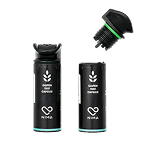
NIMA analyzes a small sample of food, so thoughtful sampling improves the likelihood of detecting contamination when present. Sampling guidance is provided within NIMA user manual and educational resources.
Why NIMA Exists
Research shows gluten-free living significantly impacts social life.
For many people managing medically necessary gluten-free diets, risk cannot always be avoided entirely.
Students rely on campus dining. Employees travel for work. Children eat at school or attend camp. Families attend weddings, birthdays, and community events. These are environments people do not fully control, yet must navigate every day.
Decisions still have to be made in real-time.
NIMA was created to support people living with celiac disease or gluten intolerance in those moments. It does not replace education, certification programs, communication with food providers, or medical care.
Instead, it contributes to the limited toolkit available for managing unavoidable uncertainty.
Each test offers additional information.
Each result helps reduce guesswork.
Each safe meal helps rebuild confidence.
The Bottom Line
No tool removes all risk.
But layers of protection matter.
When combined with label reading, communication, and education, NIMA becomes a supportive part of living your best gluten-free life.
Confidence isn’t about eliminating every uncertainty.
It’s about reducing it and making it easier to say yes again.
Recent News

Food Anxiety With Celiac Disease: How to Feel Safer Around Food
Food anxiety can be a rational response to managing celiac disease, but it should not make your world smaller. This guide explains how to build calmer safety routines, balance vigilance with quality of life, and recognize when professional support could help.


