

What to Know About Cross-Contamination and Cross-Contact
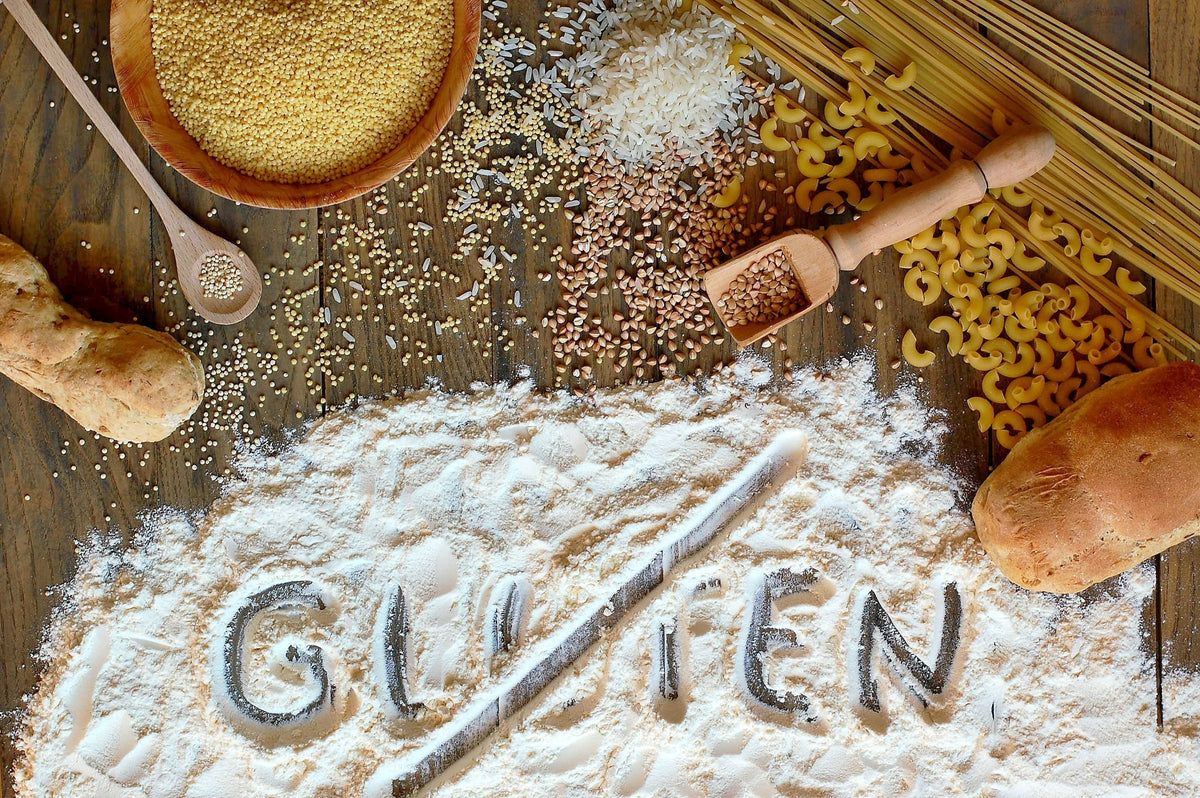
Cross-Contamination/Cross-Contact Protocol
Kate Bourke, RDN | NIMA Clinical Advisor
As a Registered Dietitian, I spend a lot of time talking about food. But when it comes to celiac disease, what's not in your food is just as important as what is. This Celiac Awareness Month, let's break down two of the most critical concepts for staying safe and healthy: cross-contact and cross-contamination.
It might seem like a small detail, but understanding the difference is a game-changer for managing celiac disease.
Terminology: Cross-Contact vs. Cross-Contamination
You've probably heard these terms used interchangeably, but they mean very different things.
- Cross-contamination is about germs. It happens when harmful bacteria or viruses are transferred to a food from another food or surface. A classic example is using the same cutting board for raw chicken and then for fresh vegetables without washing it.
- Cross-contact, on the other hand, refers to the transfer of allergens (like gluten) to an allergen-free food. For someone with celiac disease, cross-contact happens when a gluten-free food comes into contact with a gluten-containing food, making it unsafe to eat. Unlike bacteria, you can't "cook off" or kill gluten with heat. Once that contact happens, the gluten-free food is compromised.
The bottom line: For celiac disease, our main concern is cross-contact. Using this specific term when you're in a restaurant can help kitchen staff understand the severity and the specific precautions needed.
The Invisible Risk: Where Does Gluten Hide?
The biggest challenge with cross-contact is that you often can't see it. Even a few crumbs can be enough to cause an intestinal reaction in a person with celiac disease. Think about it like glitter: once it's out, it gets everywhere, and you'll be finding it for days. It also helps to know which foods to avoid with celiac disease before crumbs ever become the issue.
Here are some common "hot spots" for cross-contact, both at home and when dining out:
- The Toaster: Sharing a toaster is one of the most common ways cross-contact occurs. Toaster bags can help in a pinch, but a separate toaster for gluten-free items is the safest bet.
- Shared Condiments: Jars of peanut butter, mayonnaise, or jam are major risks for "double-dipping," where a knife used on gluten-containing bread introduces crumbs into the container. Squeeze bottles are a great alternative.
- Cookware and Utensils: Wooden spoons, scratched non-stick pans, and colanders can trap gluten particles. It's best to have a dedicated set for gluten-free cooking.
- Airborne Flour: If you're in a kitchen where regular flour is being used, it can hang in the air and settle on your "safe" food or surfaces.
- Shared Appliances: Waffle irons are notoriously difficult to clean, and convection ovens can blow gluten particles around with their fans.
-
Restaurant Kitchens: Shared fryers, pasta water, and grills that aren't cleaned properly between uses are significant sources of cross-contact.
What is PPM and Why Does It Matter?
You might see "ppm" on gluten-free product labels. This stands for parts per million, and it's a measure of concentration. In the United States and many other countries, a product can be labeled "gluten-free" if it contains less than 20 ppm of gluten.
That 20 ppm threshold reflects what regulators consider tolerable for most people with celiac disease, not a testing limitation. To put it ppm in perspective, a single crumb of regular wheat bread contains thousands of ppm. This is why preventing cross-contact is so vital. Oatmeal is a common example, since standard oats are milled on the same equipment as wheat and can carry gluten well above that limit. Quinoa is another naturally gluten-free staple, but answering whether quinoa is gluten-free in practice still requires checking seasonings, processing, and cross-contact. Understanding how much gluten a celiac can tolerate helps put ppm thresholds, cross-contact, and individual reactions into practical context.
How to Avoid Cross-Contact: A Quick Guide
Living in a world with gluten can feel like a lot to navigate, but these simple steps can protect you:
-
In a Shared Kitchen:
- Store gluten-free foods on the top shelf of the pantry and fridge to avoid crumbs falling from above.
- Use separate cutting boards, toasters, and condiments.
- Wash all dishes, utensils, and surfaces with hot, soapy water before preparing gluten-free food.
- Prepare gluten-free meals before other meals are cooked
-
When Dining Out:
- Look at menus online or call ahead to ask about their cross-contact procedures.
- Clearly state that you have celiac disease and need to avoid cross-contact with gluten.
- Ask specific questions: "Are the french fries cooked in a dedicated fryer?" or "Can you prepare my meal on a clean surface with clean utensils?"
-
When your food arrives, confirm with the server that it is the gluten-free meal you ordered. Be your own advocate!
Food Testing Role
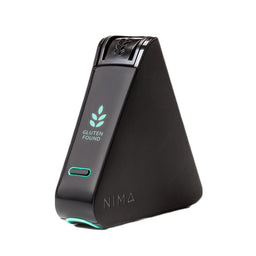
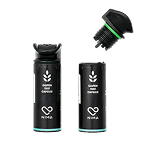
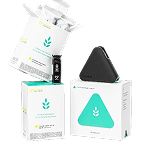
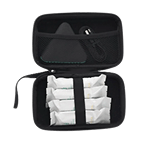
In a world where you want every tool available to stay safe, you may have come across portable gluten-testing devices, like the Nima Sensor. Newer entrants get announced too, including the Allergen Alert mini lab, a gluten and dairy reader that took a Best of CES 2026 award but is not on sale yet. For many, these devices can offer an additional layer of confidence and peace of mind when dining out or trying new products.
To get the most out of these tools, it's helpful to understand how they work. They test a small, pea-sized sample of your food for the presence of gluten. The key thing to remember is that gluten may not be evenly distributed throughout a dish, and there may still be a risk of cross-contact or gluten presence. That uneven spread is why testing restaurant food for gluten means choosing the highest-risk spot on the plate, like the fried side or the sauced protein, rather than the plainest bite.
Because of this, these devices are best used as one part of your overall safety strategy, not as a replacement for it. They are a great supplement to the most powerful tools you have: clear communication with the kitchen staff and learning to spot high-risk situations. Ultimately, using a personal food testing device is a personal choice. It's about finding the right balance of tools and strategies that help you feel secure and empowered in your food choices.
Living with celiac disease requires a different level of awareness, but by understanding the risks of cross-contact and learning how to manage your environment, you can eat with confidence. It might seem daunting at first, but with practice, these steps will become second nature.
Remember, you are your #1 advocate!
To your health,
Kate Bourke, RDN
Recent News

Food Anxiety With Celiac Disease: How to Feel Safer Around Food
Food anxiety can be a rational response to managing celiac disease, but it should not make your world smaller. This guide explains how to build calmer safety routines, balance vigilance with quality of life, and recognize when professional support could help.


