


What to Do After Being Diagnosed With Celiac Disease

Key Takeaways
If your testing is unfinished or pending, keep eating gluten until your care team confirms the diagnosis, so your results stay accurate.
If your diagnosis is confirmed, begin with whole, naturally gluten-free foods while you learn label reading and cross-contact prevention.
Ask your care team which nutrient labs you need and when to repeat them, since follow-up timing is tailored to your results and symptoms.
Encourage first-degree relatives, meaning your parents, siblings, and children, to ask their clinicians about celiac screening, because their risk of undiagnosed celiac disease is higher than average.
Use NIMA as an extra layer of confidence in uncertain eating situations after you have solid daily habits.
What Should I Do After Being Diagnosed With Celiac Disease? A 7-Step Master List
Before diving into the phase-by-phase details, here is the full sequence at a glance. Each step appears again in the sections that follow, so you can see how the first 24 hours connect to the first year.
Celiac disease is an autoimmune condition affecting roughly 1 in 100 people, with no FDA-approved treatment and no cure. The only effective management is strict, lifelong avoidance of gluten.
Where you start depends on your testing status. If your blood test and biopsy are still pending or unfinished, your first step is to keep eating gluten and finish testing. If your diagnosis is already confirmed, your first step is the dietary reset below.
Confirm the diagnosis with your gastroenterologist. If testing is still pending or unfinished, keep eating gluten until it is complete.
Get a referral to a registered dietitian who specializes in celiac disease.
Do an immediate dietary reset by stopping wheat, barley, rye, and malt.
Set up your kitchen to reduce cross-contact.
Ask your doctor which nutrient labs and follow-up tests you need, and when to repeat them.
Tell your first-degree relatives, meaning your parents, siblings, and children, to ask their clinicians about screening.
Give yourself permission to grieve and seek support.
The First 24 Hours: Confirm The Diagnosis Before Changing Your Diet
The priority in the first 24 hours depends on where you stand with testing, and the two scenarios call for different actions.
If your testing is unfinished or pending: keep eating gluten until your care team says otherwise. Celiac disease diagnosis typically requires both a blood test for specific antibodies and an endoscopic biopsy. Starting a gluten-free diet before either test is complete can lower antibody levels and begin intestinal healing. That shift can invalidate results and leave you without a firm diagnosis. Wait for your care team to confirm the diagnosis and guide the timing of any dietary changes.
If your diagnosis is confirmed: you can move ahead with dietary changes under medical guidance. Celiac disease is an autoimmune condition that requires medical management, unlike a food preference or sensitivity. As noted earlier, there is no cure, only strict, lifelong gluten avoidance. Your care team will guide next steps, so defer to their timing before making any dietary changes.
Once that confirmation is in hand, the first week becomes about action. Here is how to reset your diet, set up your kitchen, and start reading labels.
The First Week: The Dietary Reset, Label Reading, And Kitchen Setup
The first week focuses on a simple reset that feels doable. Build meals around naturally gluten-free whole foods such as meat, fish, eggs, legumes, rice, potatoes, fruits, and vegetables. This approach gives your intestines a break while you learn the labeling landscape.
In the United States, wheat must appear as an allergen on packaged food labels. Barley and rye do not follow the same rule. That gap means ingredients like malt extract, malt vinegar, hydrolyzed wheat protein, and wheat starch require active research instead of quick label scanning. Under FDA rules, a product may be labeled gluten-free if it contains fewer than 20 parts per million of gluten, and the manufacturer self-reports that figure. Formulas can change without notice, so a product that felt safe last month may not be safe today.
Learn the essential label checks now, even while your meals stay simple. Read the ingredient list for wheat, barley, rye, malt, and oats without a gluten-free label. Look for a gluten-free claim on the package, then confirm the manufacturer verifies it. Check for advisory statements such as “may contain wheat,” and treat them as a reason to contact the manufacturer before you buy.
For the first week, keep meals straightforward. Rely on whole, single-ingredient foods and a short list of packaged items your dietitian approves. Practice the label checks on those packaged items so the habit is in place before you branch out. The goal right now is building a stable foundation, one meal at a time.
Kitchen Setup And Cross-Contact In The First Week
Kitchen setup in the first week protects you from daily, low-level gluten exposure. Cross-contact, which is the transfer of gluten from one food or surface to another, is a common source of ongoing symptoms and often hides in routine habits.
The shared toaster is a classic example because crumbs from gluten-containing bread collect inside and touch anything toasted afterward. Wooden cutting boards carry similar risk because they are porous and hold gluten residue. Colanders used for regular pasta can contaminate gluten-free pasta. Shared condiment jars, where a knife that touched bread dips back into the jar, are another frequent problem.
Practical steps for the first week include:
Designate a separate toaster, or use toaster bags, for gluten-free bread.
Replace wooden cutting boards with dedicated plastic or glass boards for gluten-free prep.
Switch shared condiments to squeeze bottles, or buy separate jars labeled for gluten-free use only.
Have a direct, calm conversation with household members about how crumbs, shared pans, and shared utensils can trigger reactions.
On kissing a partner who recently ate gluten-containing food, guidance remains practical. Celiac organizations generally suggest rinsing and waiting, or asking your partner to brush their teeth first. Ask your dietitian for advice tailored to your situation.
Kitchen habits address daily exposure. Ongoing health also depends on structured medical follow-up.
Your Medical Follow-Up Roadmap: Labs, Timeline, And What To Ask Your GI
Celiac care works best with a clear follow-up plan instead of vague reminders to schedule checkups. Use this roadmap as a conversation starter with your care team, and expect your clinician to tailor the timing to your results and symptoms.
At diagnosis: Ask your doctor about testing for iron, ferritin, folate, vitamin B12, vitamin D, calcium, and zinc. Nutrient deficiencies are common at diagnosis, including iron, vitamin B12, vitamin D, and folate. Liver function tests are also worth requesting, as mild elevation of liver enzymes is sometimes seen in newly diagnosed patients. Ask about thyroid function as well, given the documented overlap between autoimmune thyroid disease and celiac disease.
Early follow-up: Ask your doctor when your first follow-up visit should happen. Many clinicians schedule it within the first several months after diagnosis, with repeat antibody testing and a review of nutrient levels. A dietitian referral, if not already in place, becomes essential at this stage.
Longer-term monitoring: Follow-up evaluations at 3, 6, and 12 months are recommended, with annual monitoring once levels stabilize. Your clinician will set the interval that fits your antibody trends, nutrient levels, and symptoms. Ask your doctor about a bone density scan and to review your vaccination status. Celiac disease can reduce spleen function in some patients, and those individuals may be eligible for pneumococcal and other vaccines. Your doctor can determine whether this applies to you.
Frame every conversation with your care team as “ask about” rather than self-prescribing. Bring this list to your next appointment and walk through it together.
Emotional Health: Grief, Depression, And Getting Support
Emotional reactions after a celiac diagnosis are common and valid. The grief, anxiety, and depression that follow are documented in the research. A systematic review and meta-analysis found that depression is more common in people with celiac disease than in healthy controls. Depression can persist beyond the first year of dietary treatment, which shows that the gluten-free diet alone does not resolve it for everyone.
The burden is mostly invisible, but it shows up in concrete ways. Gluten-free groceries often cost more than conventional equivalents, and every meal involves a quiet risk assessment. Social situations such as birthdays, work lunches, holidays, and dates become complicated in ways that are hard to explain to people who do not live with the condition. That constant vigilance can create guilt when you turn down food someone cooked for you and isolation when others do not understand the stakes.
It is also worth knowing that doing everything right and still getting exposed is common. It is not a personal failure. Accidental gluten exposure happens to many people with celiac disease even when they follow a strict gluten-free diet.
Practical support makes a real difference. A dietitian who specializes in celiac disease, a celiac support community, and a mental health professional when low mood persists are all worth pursuing. You are not required to manage this alone. Multidisciplinary care, not diet alone, is the standard of care.
Eating Out, Travel, And Rebuilding Confidence
Eating outside your own kitchen becomes easier when you use a clear plan. Research restaurants before you go and look for dedicated gluten-free menus or staff trained in celiac protocols. When you arrive, ask specific questions such as whether there is a shared fryer and whether gluten-free items are prepared on separate surfaces. Treat “gluten-friendly” as a marketing term without regulatory meaning rather than a safety guarantee.
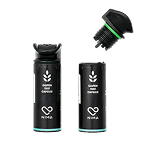
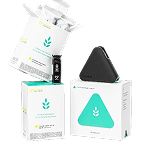
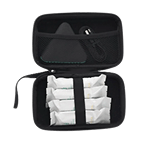
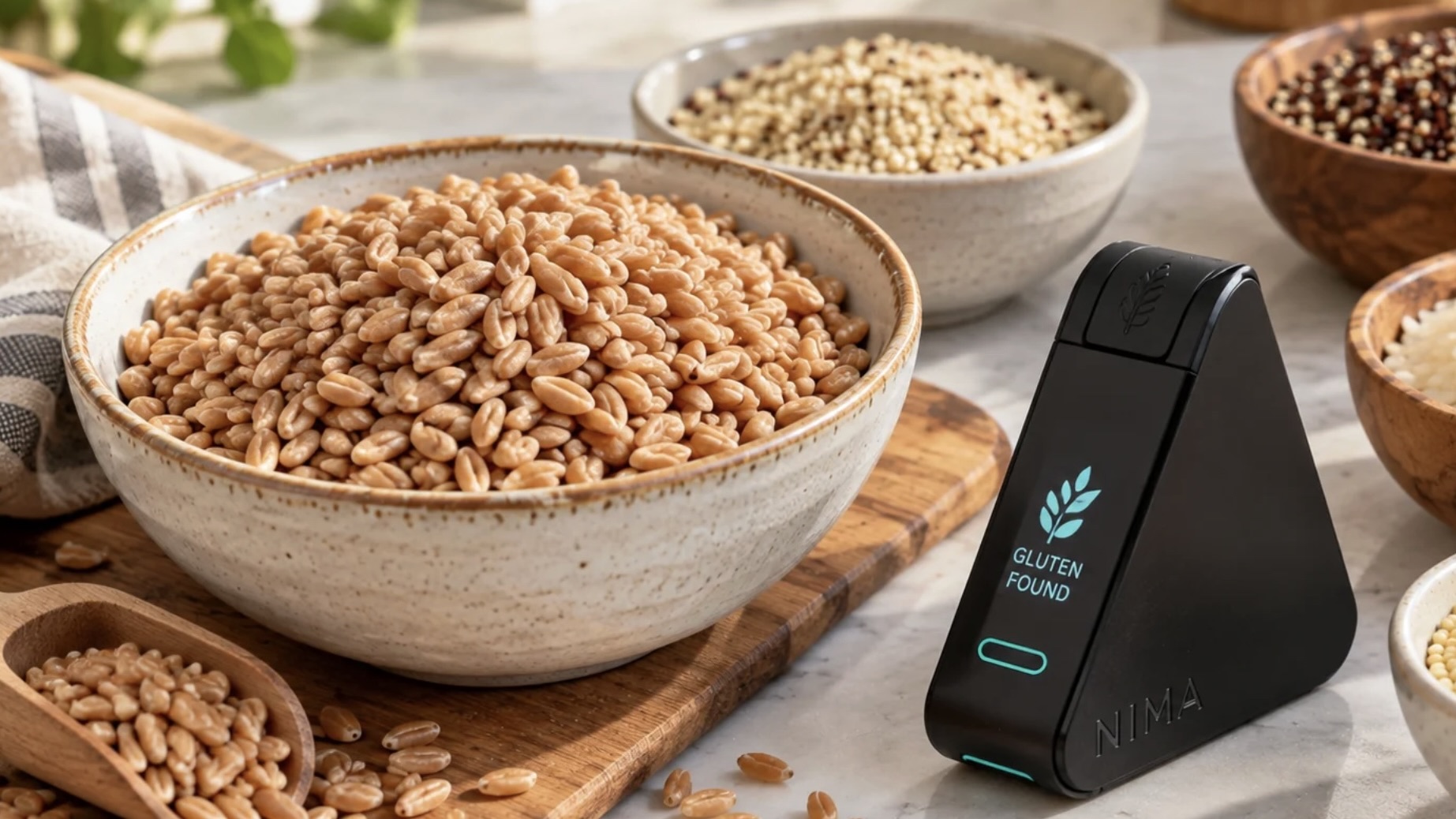
After roughly four to eight weeks of dietary education, once you have label literacy and cross-contact awareness, some people with celiac disease choose to add a portable gluten detection sensor for high-risk moments. NIMA is one such tool. You load a pea-sized portion of food into a single-use capsule. Insert the capsule into the sensor, and you get a clear result in about three minutes. NIMA detects gluten from wheat, barley, and rye down to 10 ppm, which is twice as strict as the FDA’s gluten-free labeling standard of less than 20 ppm.
NIMA’s own guidance is clear. A detection tool works best after you have solid dietary education, not during the first days after diagnosis. It is designed for moments of genuine uncertainty such as travel, dates, unfamiliar kitchens, or a restaurant your dietitian encourages you to try. A result means gluten was not detected above 10 ppm in the tested portion. NIMA adds another layer to your gluten-free toolkit. It does not replace the dietary foundation you are building now.
Frequently Asked Questions
How Careful Do I Have To Be About Cross-Contact?
You need to be careful, but you do not need perfection on day one. A crumb, a shared pan, or a utensil that touched gluten-containing food can trigger an immune response in someone with celiac disease. Focus first on the highest-risk items in a shared kitchen, including the toaster, wooden cutting boards, colanders, and shared condiment jars. Work with a registered dietitian who specializes in celiac disease to build practical habits over time instead of trying to remove every risk at once.
What Labs Should I Get After A Celiac Diagnosis?
Ask your care team about iron, ferritin, folate, vitamin B12, vitamin D, calcium, and zinc at diagnosis, along with liver function tests and thyroid function. Your doctor will decide which labs apply to your specific situation and how often to repeat them based on your results and symptoms. Many clinicians check antibodies again within the first several months after diagnosis, then move to annual monitoring once levels stabilize.
Do I Need A Bone Density Scan?
You may, and it is worth raising with your doctor. Celiac disease impairs calcium and vitamin D absorption before diagnosis, which can reduce bone mineral density. Clinical guidelines from multiple organizations recommend discussing a baseline DEXA scan around one year after diagnosis, particularly for adults. Your doctor will assess your individual risk factors, including age, sex, and initial nutrient levels, before making a recommendation.
Does Celiac Disease Get Worse Over Time?
Untreated or poorly managed celiac disease can lead to long-term complications such as osteoporosis, persistent nutrient deficiencies, and in rare cases more serious conditions. With strict adherence to a gluten-free diet, the intestinal lining typically begins to heal, antibody levels fall, and nutrient deficiencies improve. Symptoms and intestinal healing do not always move together, which is why follow-up care matters even when you feel well. Discuss your individual trajectory with your gastroenterologist.
Conclusion: Your First Year Roadmap And Next Steps
You do not have to solve everything today. A phased approach that confirms the diagnosis, resets your diet, sets up your kitchen, organizes your labs, screens your family, and builds emotional support turns an overwhelming situation into a sequence of manageable steps. Your next actions are clear. Find a celiac-specialist dietitian, ask your care team when to schedule your follow-up labs, and reach out to a support community.
Family screening is worth a direct conversation. First-degree relatives are your parents, siblings, and children, and their risk of celiac disease is higher than the general population. Tell them what you learned and encourage them to ask their own clinicians whether screening makes sense. A clinician can order the antibody blood test and explain what the results mean before anyone changes their diet.
When you feel ready to add another layer of confidence outside your own kitchen, NIMA can support those moments of genuine uncertainty.
Recent News

Is Soy Sauce Gluten Free? What You Need To Know
Most soy sauce contains wheat. NIMA breaks down gluten-free options, tamari, label tips, and safe substitutes so you can eat confidently.


