

Gluten Exposure Symptoms Recovery Time: A Realistic Timeline

Key Takeaways
Individual reactions vary widely. These figures describe research averages: onset can occur anywhere from 10 minutes to 72 hours, and some people experience no acute symptoms at all despite exposure. Acute symptoms after gluten exposure typically resolve within a median of 24 hours, while systemic effects like brain fog and fatigue often linger for 1–2 days or longer.
Recovery unfolds in distinct phases: acute gastrointestinal symptoms, systemic and neurological effects, and long-term intestinal healing for those with celiac disease. Again, the timing of each phase differs from person to person.
No proven method flushes gluten from your system. Detoxes, cleanses, and enzyme supplements lack evidence and may interfere with medications.
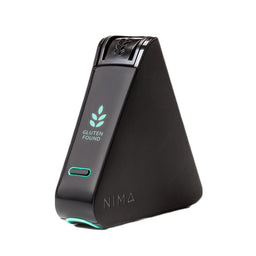
NIMA provides a portable gluten detection sensor that measures actual food at the table, helping reduce accidental exposures that affect 74% of people with celiac disease each year.
The Short Answer: How Long After Gluten Exposure To Feel Better
The figures below are a research average, and individual recovery times vary widely.
In adults with biopsy-confirmed celiac disease who follow a gluten-free diet, acute symptoms after suspected accidental gluten exposure typically resolve within about 24 hours (interquartile range 6–48 hours), though the full range can extend from 1 hour to 8 days.
Systemic effects such as brain fog, fatigue, and joint pain can linger for days or even weeks after gluten exposure, though survey data show brain fog most commonly lasts 1–2 days, with some reporting 3–5 days. For people with celiac disease, intestinal healing is a separate, longer process that takes months to years.
How Long After Gluten Exposure Do Symptoms Start?
A 2025 retrospective study of 274 people with celiac disease (Avino et al. 2025) found that 72% of those who reacted developed symptoms within 4 hours of accidental gluten exposure, and all reported onsets occurred within 72 hours. A survey published in PubMed Central found a similar pattern but a tighter median: one hour, with a range from 10 minutes to 48 hours, and about 13% of people with celiac disease reported onset at 12 hours or later. These are group averages, and individual onset times vary widely.
Those onset windows differ by condition, which explains why the numbers vary so much. Celiac disease is an autoimmune condition in which gluten triggers an immune response that damages the lining of the small intestine. Non-celiac gluten sensitivity is a formal diagnosis given to people who test negative for celiac disease but present with the same symptoms, including cramping, fatigue, brain fog, and joint pain, without the same intestinal damage. A 2021 study by Croall et al. found that in non-celiac gluten sensitivity, symptoms typically began within 90 minutes and resolved within 48 hours.
Onset and severity vary between individuals and between exposures. The same person can react differently to the same amount of gluten on different days, which contributes to the wide range of experiences people report online. Treat every timeline here as a research average rather than a personal prediction.
Test Your Plate Before You Eat
How Long Do Gluten Exposure Symptoms Last? The Acute Phase
A survey by Silvester et al. (2016) found that symptoms after a suspected gluten exposure lasted a median of 24 hours, with a reported range of 1 hour to 8 days. In a 14-day gluten challenge study published in Gut, gastrointestinal symptoms increased significantly by day 3 and returned to baseline by day 28 after stopping. These are research averages, and individual reactions vary widely.
Common acute symptoms include abdominal pain, diarrhea, fatigue, headache, brain fog, and joint pain. In the 2025 Avino et al. series, vomiting was the most common opening symptom in children (54.5%) and diarrhea the most common in adults (40.9%).
The range is wide because reactions vary between individuals. Around a quarter of adults and nearly half of children in the 2025 Avino et al. study reported no acute symptoms at all after an accidental exposure. Feeling fine does not guarantee that no immune activity occurred.
The table below maps the four phases of a gluten reaction, including onset, acute symptoms, systemic effects, and intestinal healing, so you can see how the timelines differ. Each timing shown is an average drawn from research, and your own experience may fall outside these ranges.
Phase |
Timing |
What Happens |
Key Data |
|---|---|---|---|
Onset |
10 minutes to 72 hours; median 1 hour |
First symptoms appear |
Avino et al. 2025 (n=274); Silvester et al. 2016 |
Acute |
Median 24 hours; range 1 hour to 8 days |
Abdominal pain, diarrhea, vomiting, fatigue, headache |
Silvester et al. 2016 |
Systemic |
Up to 1 to 2 weeks after acute phase |
Brain fog, fatigue, joint pain, sleep disruption |
|
Intestinal Healing (celiac disease) |
Months to years |
Villous recovery; feeling better precedes full mucosal healing |
Systemic And Neurological Symptoms After Gluten Exposure
When the acute cramping and diarrhea ease, a second phase often follows. Brain fog, fatigue, and joint pain after gluten exposure most commonly last 1–2 days, with a smaller proportion of people reporting 3–5 days, and this phase is frequently overlooked. These figures reflect research averages, and individual experiences vary widely.
A 2026 narrative review in Nutrients (Pavlovic et al.) confirms that neurological and psychiatric symptoms can follow gluten exposure even when intestinal symptoms are not dominant. This pattern matters for planning work, school, and social commitments. The cognitive symptoms form a real part of the reaction.
Acute symptoms like cramping, diarrhea, and nausea usually peak within the first 24 hours and gradually improve over two to four days. Fatigue and brain fog can linger for a week or more in some people. How long these effects last differs from person to person.
Intestinal Healing After Gluten Exposure: The Long Arc
Feeling better and being healed describe different stages of recovery. For people with celiac disease, intestinal healing after an exposure takes months to years. Partial villous recovery in adults often occurs within 6 to 12 months on a strict gluten-free diet, but complete mucosal healing can take more than 2 years. These timelines are research averages, and healing rates vary widely between individuals.
A larger study found confirmed mucosal recovery in only about a third of adults with celiac disease at two years and about two-thirds at five years after starting a gluten-free diet. Children generally heal faster. Most achieve near-complete villous recovery within 12 months.
There is no cure for celiac disease. Strict, lifelong avoidance of gluten is the only effective management. One accidental gluten exposure does not reset intestinal healing. The overall pattern of exposures over time matters most.
That broader context explains why many people still struggle. Seventy-four percent of people with celiac disease report accidental gluten exposure each year despite following a strict gluten-free diet. This exposure rate reflects a structural gap in the current toolkit rather than a lack of effort.
For non-celiac gluten sensitivity, the picture looks different. Because comparable structural intestinal damage does not occur, non-celiac gluten sensitivity generally involves faster symptom relief. The 2021 Croall et al. study found that symptoms in non-celiac gluten sensitivity typically resolved within 48 hours. That figure is an average, and individual relief times vary widely.
What To Do Right Now: A Practical Recovery Checklist
These steps provide comfort and support while your body processes the exposure. They do not shorten the reaction. Always defer to your care team for medical management.
Hydrate. The National Celiac Association recommends at least 64 ounces of fluid per day, combining water with electrolyte drinks to replace sodium and potassium lost through diarrhea or vomiting. Sip slowly rather than gulping large amounts, especially when nausea is present.
Eat bland, simple foods. Bone broth, bananas, cooked carrots, plain chicken, and plain sweet potato are recommended during the first 24 to 48 hours. Start these once fluids stay down.
Avoid dairy temporarily. The intestinal villi that produce lactase can be damaged during a flare, which explains why dairy often worsens symptoms during an active reaction.
Rest. Fatigue forms part of the immune response. Treat rest as a core part of recovery, not an optional extra.
Avoid high-fiber foods, fatty foods, alcohol, and caffeine until symptoms resolve. These can irritate an already inflamed gut.
Skip cleanses and “flushes.” These products lack evidence and can interfere with medications, as the next section explains.
What Does Not Work: No Proven Way To Flush Gluten Out Of Your System
Researchers have found no proven way to flush gluten out of your system or speed up gluten clearance once it has been eaten. The liver and kidneys do not process gluten the way they handle alcohol or other toxins, so juice cleanses, detox teas, and “gluten flushes” do not change elimination speed.
Researchers tested five commercially available gluten-digesting enzyme supplements under laboratory conditions and found they left immunogenic gluten fragments largely intact, concluding that “currently available digestive enzyme supplements are ineffective in degrading immunogenic gluten epitopes.”
The goal after gluten exposure is managing inflammation and symptoms. The body processes the exposure on its own timeline, and that timeline varies widely from person to person. Rest and hydration support that process, while cleanses and flushes do not change it.
When To Seek Medical Care: Red Flags
Most accidental exposures resolve on their own. Some require medical care. Contact a clinician or seek urgent care for any of the following situations.
Seek same-day medical advice for:
Inability to keep fluids down
Signs of dehydration: very little urine, dizziness when standing, very dry mouth, or fast heartbeat
Persistent vomiting or diarrhea lasting more than 24 hours
Symptoms that are worsening rather than improving
Seek emergency care for:
Severe abdominal pain
Blood in stool, black or tarry stool, or blood in vomit
Confusion, fainting, or difficulty waking
Rapidly worsening symptoms
Always defer to your care team. This article does not replace medical advice, and nothing here should be used to change your medical management.
Why Accidental Gluten Exposure Keeps Happening And How To Reduce It
Reading labels, checking certifications, asking restaurant staff, and consulting community review apps all provide forecasts about food you have not eaten yet. None of these tools measures the plate in front of you.

In the US, a food labeled gluten-free may contain fewer than 20 ppm of gluten, and the manufacturer self-reports that figure with no mandatory independent verification. People who are highly sensitive can react below that line, and the label alone cannot reveal which products will cause problems.

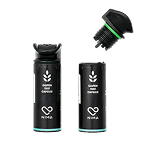
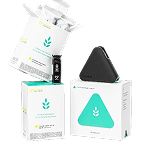
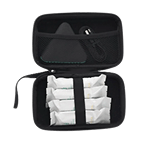
NIMA is a portable gluten detection sensor that measures the actual food on the table at the moment of decision in about three minutes. A pea-sized portion goes into a single-use capsule, which then goes into the sensor. The result is a smiley face or a “gluten found” symbol, with no faint line to squint at or judgment call to make. NIMA detects gluten from wheat, barley, and rye down to 10 ppm. That threshold is twice as strict as the FDA’s 20 ppm labeling limit.
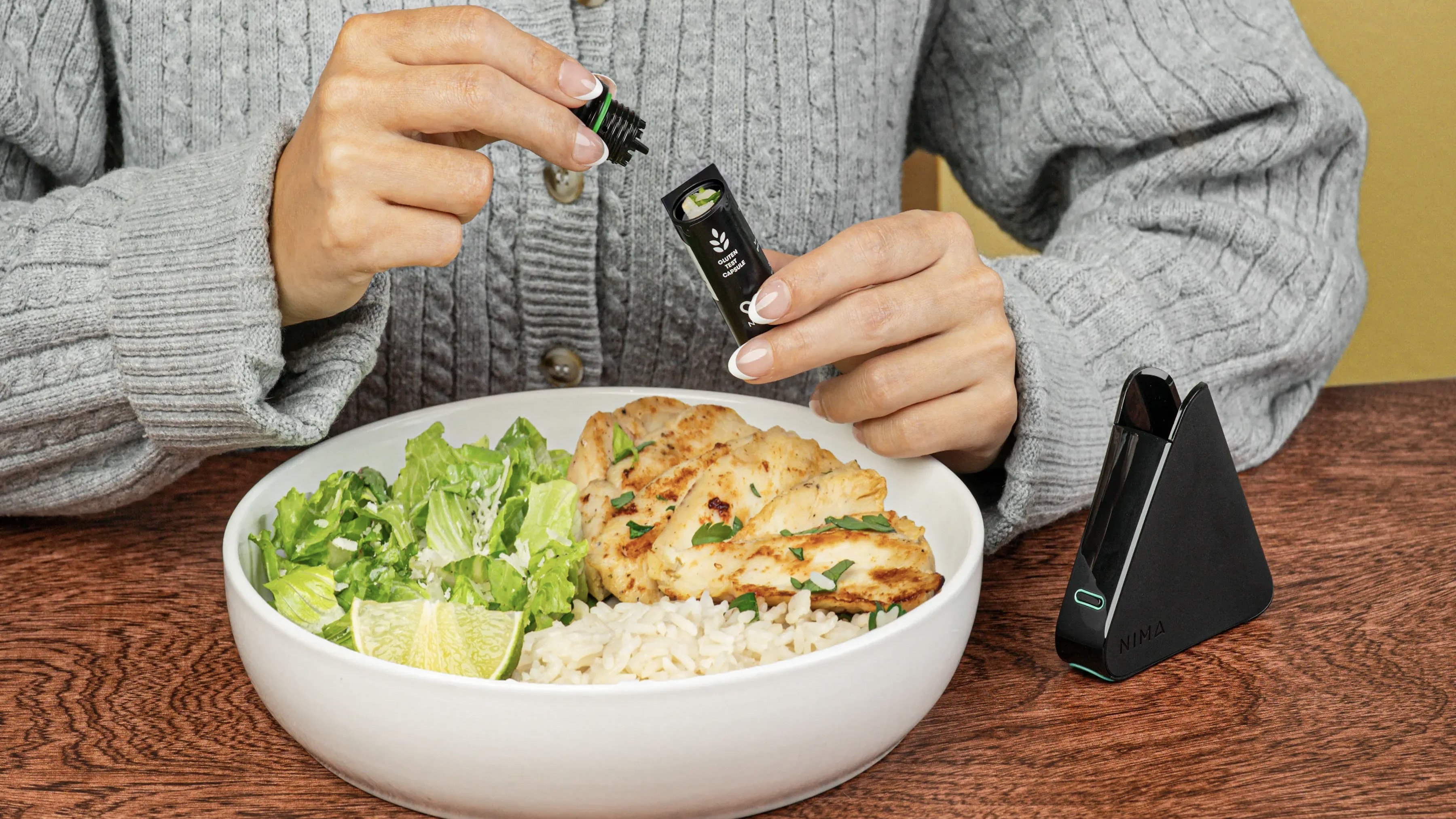
NIMA functions as a screening tool rather than a diagnostic device. A result reflects only the portion tested. Fermented and hydrolyzed foods and alcoholic beverages cannot be reliably tested with NIMA.
NIMA products are generally eligible for HSA and FSA reimbursement with a Letter of Medical Necessity, which NIMA reports saves qualified customers an average of about 30% in pre-tax dollars. Final eligibility always rests with the plan administrator.
Reduce Your Risk Of Hidden Gluten
Frequently Asked Questions
How Do I Know If My Symptoms Are Getting Better Or Worse?
Improvement means symptoms ease over hours to days, such as less cramping, less fatigue, and a returning appetite. Worsening means symptoms intensify, new symptoms appear, or you cannot keep fluids down. If symptoms worsen instead of improving, that pattern warrants same-day medical contact. Signs of dehydration, including very little urine, dizziness when standing, very dry mouth, or a fast heartbeat, also warrant same-day advice. Severe pain, confusion, fainting, difficulty waking, or blood in stool or vomit require emergency care. Individual reactions vary widely, so use your own symptom pattern as the guide rather than a fixed timeline.
Does A Gluten-Free Label Mean A Food Is Safe?
In the US, a gluten-free label means the product contains fewer than 20 ppm of gluten based on the manufacturer’s own testing and reporting, without mandatory independent verification. People who are highly sensitive can react below that threshold. Labels can also change without notice, and ingredients like malt extract, wheat starch, and “natural flavoring” require research rather than simple label reading. A gluten-free label offers helpful information, but it does not guarantee safety for every individual.
Is One Accidental Exposure A Setback In My Intestinal Healing?
One exposure does not reset intestinal healing. The overall pattern of exposures over time matters most for long-term recovery in celiac disease. Intestinal healing can take months to years regardless, and a single accidental exposure does not restart that clock from zero. Healing timelines are research averages, and individual recovery varies widely. After an exposure, keeping a brief record of what you ate, when symptoms started, and how long they lasted can help your doctor or dietitian identify patterns if exposures keep happening.
Conclusion: Planning Recovery And Preventing The Next Exposure
Accidental gluten exposure affects a large share of people with celiac disease each year, even among those who follow a strict gluten-free diet. The recovery arc includes acute symptoms that resolve in days, systemic effects that can linger, and intestinal healing that takes months to years. These timelines are research averages, and individual reactions vary widely. Understanding this arc helps you plan, rest, and recognize when symptoms warrant medical attention.
The current toolkit of labels, certifications, restaurant conversations, and community apps relies on predictions about food you have not eaten yet. NIMA adds a different kind of tool by measuring the actual plate before the first bite and detecting gluten at 10 ppm in about three minutes, so many future exposures can be caught before they start.
Recent News

Gluten-Free Meals, Snacks, and a 7-Day Plan for Kids
Get kid-friendly gluten-free meal ideas, a 7-day plan, and cross-contact safety tips for home and school. NIMA helps your family eat with confidence.


