

Gluten-Free Birthday Party Ideas for Kids: Host Playbook
Key Takeaways
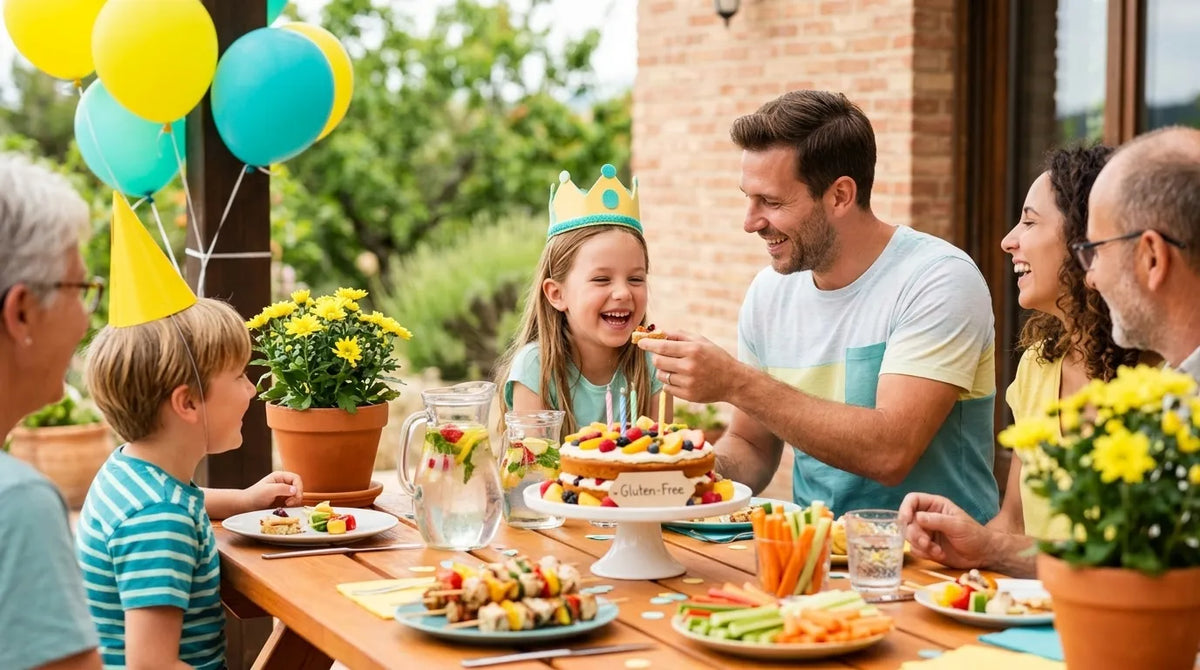
Plan gluten-free birthday parties around logistics first. Choose naturally gluten-free menu formats, solve the cake decision early, and set a cross-contact protocol before you think about recipes.
Build menus around naturally gluten-free options like taco bars with corn tortillas, baked potato bars, and snack boards so all guests eat the same food without noticing differences.
Handle the cake challenge with one certified gluten-free option for everyone. A single cake keeps the focus on the celebration instead of the child’s restriction.
Protect against cross-contact by creating gluten-free zones, assigning separate utensils for every dish, and briefing all helpers before the party begins.
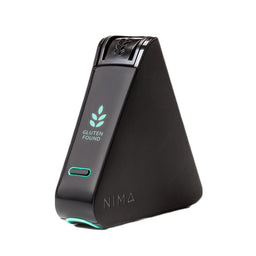
Use NIMA as an extra safety check when labels or conversations leave real doubt about food safety. It detects gluten at 10 ppm, which is stricter than the FDA labeling standard.
Party Food Gluten-Free Guests Can Enjoy: Naturally Gluten-Free Menu Formats
Guests with celiac disease or non-celiac gluten sensitivity can eat food that contains no wheat, barley, or rye and has not been cross-contacted with those grains. For a birthday crowd, the most practical approach is to build the entire menu around naturally gluten-free formats instead of relying on gluten-free substitutes.
These naturally gluten-free party food formats work well for a crowd:
Taco bar with corn tortillas
Baked potato bar with toppings served in separate bowls
Walking tacos with certified gluten-free chips
Snack board with cheeses, fruits, cured meats, and certified gluten-free crackers
DIY pizza on certified gluten-free flatbread
Build-your-own rice bowl with proteins and vegetables
Sundae bar with certified gluten-free toppings
The advantage of naturally gluten-free formats is straightforward. Registered dietitian Alison Kane of Harvard-affiliated Massachusetts General Hospital advises skipping the gluten-free aisle as a default and building meals around naturally gluten-free whole foods instead. Fewer specialty products means fewer labels to verify and fewer sourcing trips. It also removes the risk that a gluten-free substitute tastes noticeably different from what everyone else is eating. Gluten-eating guests eat the same food without noticing anything unusual, which is exactly the experience the birthday child deserves.
Sauces, seasonings, and toppings are where hidden gluten often enters an otherwise safe menu. Barley malt, malt vinegar, natural flavors, malt flavoring often made from barley, and soy sauce can all contain gluten unless specifically made gluten-free. That is why you need to read every label on sauces, marinades, and spice blends, not just the main ingredients.
A plain gluten-free label is different from certified gluten-free. Under FDA rules, a food may carry a gluten-free label if it contains less than 20 parts per million of gluten, and the manufacturer self-reports that figure with no mandatory independent testing.
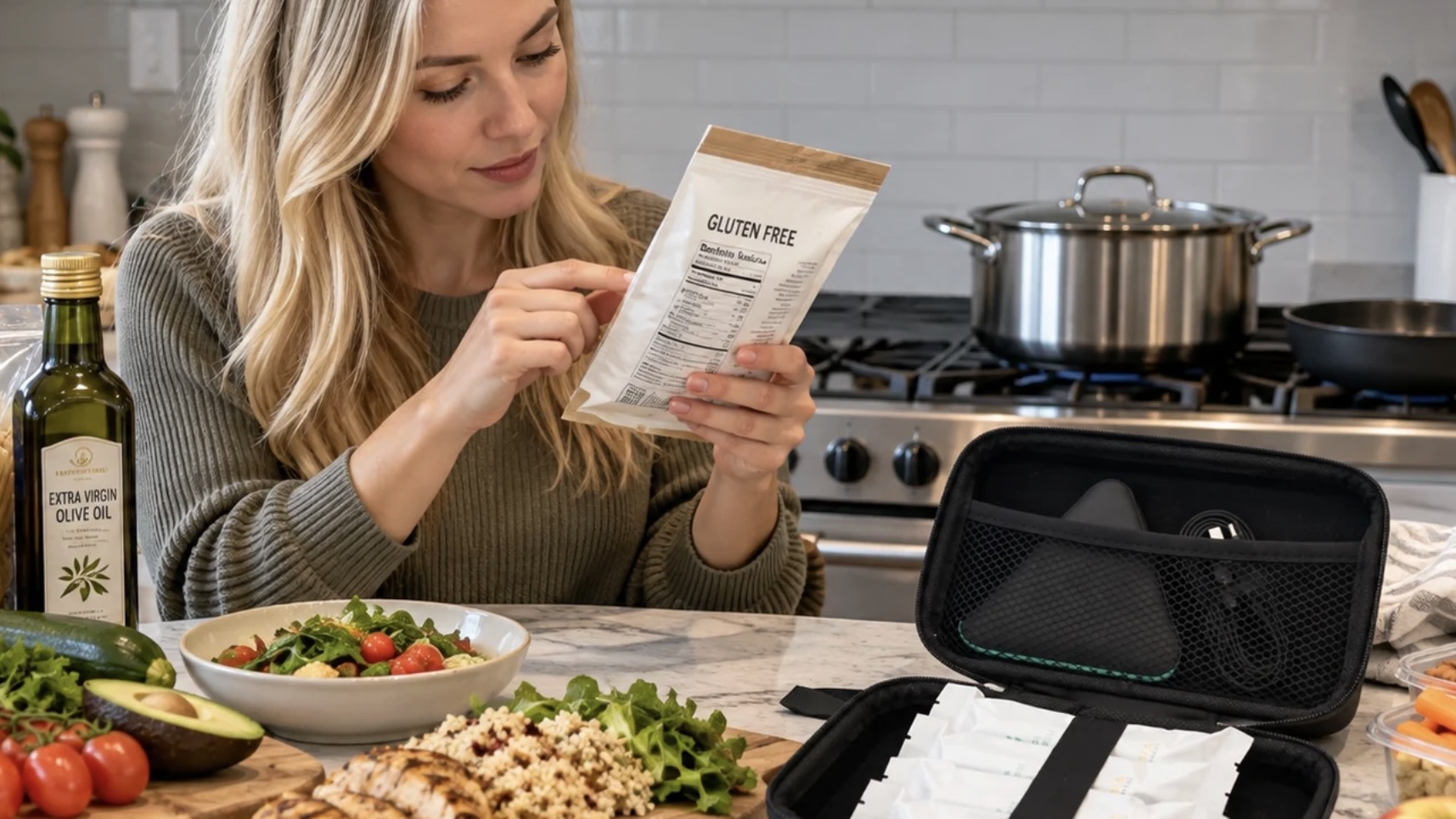
NIMA detects gluten at 10 ppm, which is twice as strict as that standard. It can flag trace gluten in a product that legally carries a gluten-free label. For a host serving a guest with celiac disease, testing a store-bought item with NIMA before the party adds another layer of confidence when a label alone leaves doubt.
Gluten-Free Finger Foods That Work For Parties
Gluten-free finger foods for a birthday party work best when they start with whole foods instead of processed substitutes. The following options are naturally gluten-free, easy to serve, and familiar enough that no guest will feel the menu is unusual:
Fruit skewers with melon, grapes, and strawberries
Veggie cups with certified gluten-free dip
Cheese and cured meat roll-ups
Certified gluten-free chips and salsa
Popcorn for children over age 4
Deviled eggs
Gluten-free meatballs made with certified gluten-free breadcrumbs or almond flour as the binder
Store-bought shortcuts help when time is tight. When shopping for party finger foods, look for a recognized certification seal. Even naturally gluten-free foods like nuts and dried fruit can be cross-contacted during processing, so always check the facility statement on the label.
Finger foods are usually the easy part. The decision that causes hosts the most anxiety, and carries the most risk if handled carelessly, is the cake.
The Cake Decision: Three Real Options
The gluten-free birthday cake is often the most stressful decision for a host and the highest-risk item on the menu. The three main options trade off confidence, effort, and cost in different ways, so you can match the choice to your kitchen, budget, and comfort level.
Option 1: Order From A Certified Gluten-Free Bakery
Certification programs provide independent verification that a bakery meets a defined gluten-free standard. This gives hosts a clear signal when choosing where to order. A certified gluten-free bakery cake offers high confidence because the production environment is dedicated or tightly controlled. The tradeoffs are higher cost and the need for advance planning, since dedicated gluten-free bakeries may be limited and often require orders days or weeks ahead.
Option 2: Bake From A Certified Gluten-Free Mix At Home
A certified gluten-free baking mix simplifies sourcing while keeping costs lower than a custom bakery order. The effort level is moderate. The mix handles the formulation, but the host must use a clean workspace, separate bowls and utensils, and avoid kitchens where gluten-containing flour was used recently. Gluten is a durable protein that must be physically removed from surfaces, which is why dedicated utensils and a clean workspace matter even when the ingredients are certified gluten-free.
Option 3: Decorate-Your-Own Cupcake Station With Certified Gluten-Free Cupcakes
This format helps the birthday child feel included because every guest decorates the same cupcake base. It also turns the cake moment into an activity, which shifts attention from the food itself to what everyone is doing together. Source certified gluten-free cupcakes from a bakery or retailer. Set out certified gluten-free frostings and toppings in separate bowls with dedicated spoons.
The shared cake is usually the biggest cross-contact risk at a birthday party. Candles, cutting, and serving all happen at the table where gluten-containing food may also be present. When the birthday child must avoid gluten and guests do not, the safest approach is to serve one cake that is certified gluten-free for everyone. A single cake keeps the moment simple and avoids drawing attention to differences.
Cross-Contact Protocol For A Home Birthday Party
Cross-contact happens when gluten transfers from a gluten-containing food to a gluten-free one through shared utensils, surfaces, hands, or cooking oil. Celiac Canada notes that even small amounts of gluten can be harmful for someone with celiac disease, whether or not they notice symptoms. Cross-contact control is a core part of party planning, not an afterthought.
A practical cross-contact protocol for a home birthday party builds step by step:
Start by designating a gluten-free zone on the table and keep it physically separated from any gluten-containing dishes.
Within that zone, give every dish its own serving spoon. A single shared utensil can cross-contact an entire gluten-free dish.
Apply the same logic in the kitchen. Use separate cutting boards and prep utensils that have been washed thoroughly before use.
Avoid shared fryers entirely. Frying oil used for gluten-containing foods should never be reused for gluten-free items.
Keep gluten-containing items physically separated from the gluten-free spread throughout the party so crumbs and spills stay contained.
Have everyone wash hands before handling gluten-free food and ask helpers to do the same.
When another parent or family member offers to bring food, a simple script helps: “We are keeping everything gluten-free for [child’s name]. If you would like to bring something, could you keep it sealed in its original packaging with the ingredient label visible? That makes it easy for us to check.” Most people are glad to help once they understand why it matters.
The highest-risk moments at a birthday party include cake cutting with shared knives and plates, shared chip bowls where many hands reach in, any fried food cooked in shared oil, and the arrival of an unlabeled homemade item. Plan for each of these moments specifically instead of relying only on general rules.
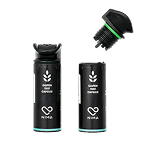
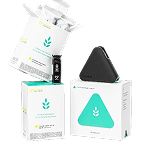
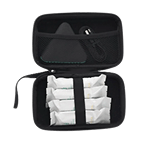
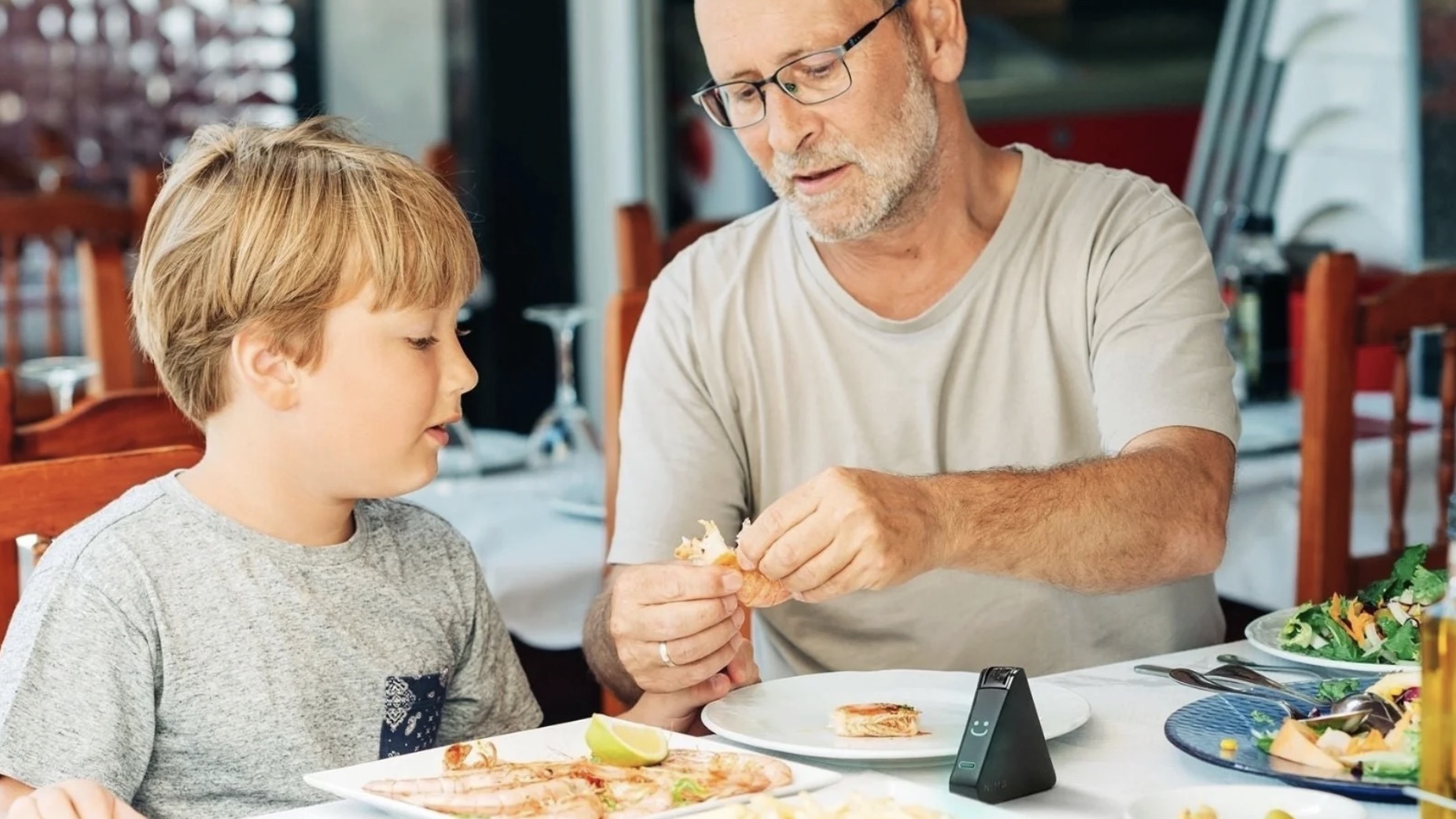
For situations where a label or a conversation leaves genuine doubt, such as an unfamiliar brand or an unlabeled dish, a portable gluten sensor like NIMA adds one objective data point at the table. It uses the 10 ppm threshold mentioned earlier and serves as an extra tool, not a replacement for careful kitchen habits.
Test Your Party Food With NIMA
Gluten Free Birthday Treats For School And Classroom Parties
School and classroom birthday celebrations come with different constraints than a home party. The host has no control over the kitchen, shared tables are common, other parents may bring food, and school allergy policies vary widely. Request a written copy of the snack policy from the teacher or administration at the start of each school year so you know the rules before you plan.
These treats travel well and usually fit school policies:
Individually wrapped certified gluten-free cupcakes or cookies
Fresh fruit in individual portions, such as clementines, bananas, or apple slices in sealed bags
Certified gluten-free popcorn in individual bags, if allowed for the age group
Certified gluten-free fruit bars or fruit leather
Labeled, sealed certified gluten-free snack packs
Communicate with the teacher before the celebration day. Keeping a gluten-free treat stash at school, such as cupcakes, cookies, or ice cream bars in the school freezer, ensures a child with celiac disease always has an equivalent option when a surprise party happens. A single-page safe snack list with a few specific products works better than a long explanation of gluten. Offering to send a dedicated snack stash at the start of each month removes guesswork for the teacher.
The goal is for the child to have the same treat experience as classmates. Offering to bring gluten-free cupcakes that look identical to regular ones for the whole class lets the child with celiac disease participate without being singled out.
Non-Food Activities And Party Themes That Shift Focus From Food
Activity-led birthday party themes reduce pressure on the menu and help the gluten-free spread feel like a normal part of the event. When the party centers on what everyone is doing, the food becomes a supporting detail instead of the main attraction.
These party themes and activities work well:
Craft party with painting, tie-dye, friendship bracelets, or pottery
Science party with experiments, slime-making using gluten-free materials, and demonstrations
Sports party with relay races, obstacle courses, or a favorite sport
Movie party with a favorite film and a popcorn and sundae bar
Dance party with a playlist curated by the birthday child
Scavenger hunt indoors or outdoors with clues and small prizes
Timing shapes how much attention food receives. Serve food after an activity instead of at the start of the party. When children arrive and immediately sit at a table, the food becomes the focus and any difference in what the birthday child eats stands out. When food follows an activity, everyone is hungry, happy, and less focused on each plate.
How To Help The Birthday Child Feel Included
The social and emotional experience of the birthday child matters as much as the menu. A party where the child eats a separate plate, waits for a different cake, or hears adults discussing their dietary needs across the table does not feel successful, even if every food item is technically safe.
Brief other parents in advance and do it privately. A short message before the party, such as “We are keeping everything gluten-free, so no need to bring anything, we have it covered,” prevents the moment when a guest arrives with a gluten-containing treat and the birthday child has to watch everyone else eat it.
Serve one menu for everyone. When the entire spread is gluten-free, there is no separate plate, no special label, and no moment where the birthday child is identified as different. Keep the gluten-free status of the food low-key. Let the birthday child choose the menu so they feel ownership of the celebration instead of feeling defined by the restriction.
A detection tool like NIMA expands what a child can safely say yes to. It is for genuine uncertainty, such as an unlabeled dish a guest brings or a store-bought item from an unfamiliar brand, rather than every bite of food at their own party. The goal is a bigger world, not a smaller one. A child who grows up knowing that tools exist to help them navigate uncertain food situations can accept more invitations with confidence.

Give Your Child Confidence With NIMA
Common Gluten-Free Party Mistakes And How To Avoid Them
First-time hosts repeat a few predictable errors when planning a gluten-free birthday party. Each one is easy to avoid once you know what to watch for.
Assuming A Gluten-Free Label Means Certified. The FDA does not require testing to use a gluten-free label, only that the product meets the definition, which the manufacturer self-reports. A certified gluten-free product has been independently tested and audited. Look for a recognized certification seal, not just a front-of-package claim.
Serving Two Cakes Side By Side. Serving two cakes side by side, as described in the cake section above, highlights the difference between guests. One certified gluten-free cake for everyone is usually the smoother solution.
Using The Same Serving Spoon Across Dishes. A single shared spoon between a gluten-containing dip and a gluten-free option can cross-contact the entire gluten-free dish. Even one shared utensil can contaminate a gluten-free appetizer. Assign dedicated spoons for every dish, every time.
Forgetting The Fryer. Shared frying oil is one of the highest-risk cross-contact points at any party. If fried food is on the menu, cook it in fresh oil in a clean fryer or skip fried items entirely.
Not Briefing Helpers. A family member who stirs gluten-free pasta with the spoon they used for regular pasta, or a guest who brings an unlabeled homemade item without warning, can undo careful preparation. Brief every helper before the party, not during it.
Conclusion And Practical Next Steps
A gluten-free birthday party succeeds or fails on logistics more than on recipes. Once you choose naturally gluten-free formats, solve the cake, set up a cross-contact protocol, and brief every helper, the menu largely takes care of itself. Leading with activities keeps the food a detail rather than the centerpiece. Letting the birthday child choose the menu gives them ownership of the celebration and supports their confidence.
Before the party, confirm the menu with the birthday child, check labels and certifications on every store-bought item, and communicate with other parents in advance. For moments when a label or a conversation leaves genuine doubt, such as an unfamiliar brand or a dish brought by a guest, consider a portable gluten sensor like NIMA as one more layer of confidence at the table. Use it for the uncertain moments, not for every bite.
The result is a party where the birthday child eats the same food as everyone else, guests relax, and the celebration stays focused on the child instead of the diet.
Recent News

Is Soy Sauce Gluten Free? What You Need To Know
Most soy sauce contains wheat. NIMA breaks down gluten-free options, tamari, label tips, and safe substitutes so you can eat confidently.


