


Is Soy Sauce Gluten Free? What You Need To Know
Key Takeaways
Traditional soy sauce contains wheat as a core ingredient, and fermentation does not remove gluten, so it remains unsafe for people with celiac disease.
Tamari is not automatically gluten-free. Some varieties contain wheat or risk cross-contact, so label verification is essential every time.
Portable gluten sensors cannot reliably test fermented foods like soy sauce because fermentation breaks gluten into fragments that antibody tests may miss.
Gluten-free soy sauce substitutes include certified gluten-free tamari, coconut aminos, rice-based soy sauce, and liquid aminos, and all of them still require label checks.
NIMA provides reliable gluten testing for non-fermented restaurant foods but is not suitable for testing soy sauce itself.
Explore NIMA For Non-Fermented Foods
Why Wheat Is In Soy Sauce
Traditional soy sauce is brewed from four ingredients: soybeans, wheat, salt, and water. Wheat is a core recipe ingredient that provides sweetness, color, and aromatic complexity during fermentation. The brewing process combines soybeans and wheat, inoculates the mixture with a starter culture, and ferments it for months. During this time, enzymes break proteins into smaller fragments, which leads some people to assume that fermentation eliminates gluten.
Gluten remains in the finished sauce.
Fermentation and hydrolysis break gluten into smaller protein fragments that antibody-based tests are built to recognize by shape, which is why fermented foods cannot be reliably tested. For someone with celiac disease, those fragments are enough to trigger an immune response.
The FDA has acknowledged that gluten proteins in fermented foods are no longer intact and cannot be adequately detected through standard testing methods. This statement addresses the limits of testing, not the absence of gluten.
Is Tamari Gluten Free?
Tamari is a Japanese-style soy sauce traditionally made with little or no wheat, which has earned it a reputation as the safe alternative for people avoiding gluten. That reputation often exceeds what the labels actually guarantee.
Some tamari products include small amounts of wheat, so consumers should verify a gluten-free label rather than assuming tamari is automatically safe. Others are produced on shared equipment where cross-contact is possible. Even brands that were safe last year may have changed formulations.
The most reliable approach is to check the label every time. Look for a gluten-free claim or, better, a third-party certification mark. The same caution applies to any soy sauce product marketed as "traditionally brewed" or "authentic." These terms describe the brewing method and do not indicate gluten content.
Find Certified Gluten-Free Options
How To Read A Soy Sauce Label
Reading a soy sauce label with a clear sequence helps you decide quickly whether a product fits your gluten-free needs.
First, check for a gluten-free label. Under FDA rules, a packaged food may be labeled gluten-free if it contains fewer than 20 parts per million (ppm) of gluten. The manufacturer self-reports that figure, with no mandatory independent verification, so this label serves as a starting point rather than a final guarantee.
Second, look for third-party certification. Because self-reporting leaves room for error, a certified gluten-free mark from an independent program is stronger than a plain gluten-free label.
Third, read the ingredient list. In the United States, wheat must be declared as an allergen. If you see "wheat" on the label, the product is not gluten-free. Barley and rye are not covered by the same allergen declaration law. If you see "malt" without a source specified, assume it comes from barley.
Fourth, account for formulation changes. A brand that was safe six months ago may have reformulated. Check every bottle, every time, even on brands you have bought before.
The Restaurant Problem: Soy Sauce At The Table
Reading labels works at home, but restaurants remove that control entirely. Restaurants present the highest-risk scenario for soy sauce exposure. The foodservice channel accounts for roughly 40–45% of total U.S. soy sauce volume, and restaurant soy sauce is typically bulk, unlabeled product that diners cannot verify as gluten-free.
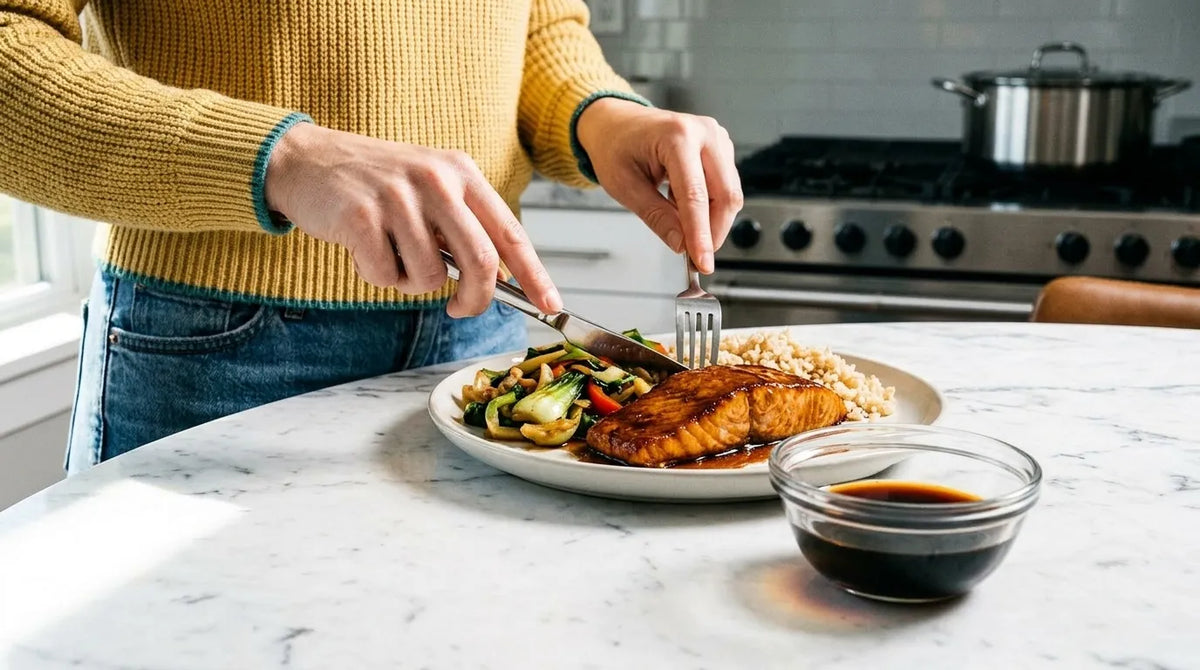
The shared condiment bottle on your table has been used by many diners. The rim may have touched gluten-containing food. Soy sauce also appears in marinades, stir-fries, teriyaki, dipping sauces, and dressings. A dish described as "gluten-free" may still contain soy sauce unless the kitchen uses a certified gluten-free version.
Clear questions help you understand how a restaurant handles soy sauce and gluten.
Is there a gluten-free soy sauce available, and is it poured from a separate bottle?
Is the sushi rice seasoned with vinegar only, or with a premixed seasoning that contains soy sauce?
Is the grill or prep surface shared with gluten-containing items?
Does the marinade or sauce on this dish contain soy sauce?
A server may not know the answers. Kitchens change staff, suppliers change products, and protocols are not always followed. When a restaurant tells you it cannot safely serve someone with celiac disease, that statement protects you.
Why You Cannot Test Soy Sauce With A Portable Gluten Sensor
This is the most important limitation to understand about portable gluten detection: fermented foods like soy sauce cannot be reliably tested with antibody-based sensors.
Fermented or hydrolyzed foods and alcoholic beverages cannot be reliably tested with current rapid gluten tests. The FDA requires manufacturers of fermented gluten-free foods to keep records demonstrating pre-fermentation compliance, because finished-product testing cannot confirm it.
For soy sauce specifically, rely on ingredient labels and certified gluten-free products instead of a sensor result. If you are at a restaurant and the soy sauce bottle cannot be verified by label or conversation, a portable sensor will not give you a reliable answer. Your best protection comes from choosing a restaurant that offers certified gluten-free soy sauce or avoiding soy sauce entirely.
Gluten-Free Soy Sauce Substitutes
Several gluten-free substitutes can stand in for soy sauce, as long as you still read labels and confirm certifications.
Coconut aminos. Coconut aminos is made from fermented coconut palm sap instead of soybeans or wheat, so it is both soy-free and gluten-free. It has about 90 milligrams of sodium per teaspoon, which is roughly one-third the sodium of soy sauce, and it offers a lighter, sweeter taste. It works well as a one-to-one substitute in most recipes.
Certified gluten-free soy sauce. Some manufacturers produce soy sauce using rice instead of wheat, brewed the same way as traditional soy sauce but without the gluten-containing grain. Look for a certified gluten-free mark.
When shopping, look for products in the natural foods section or the gluten-free aisle. Natural and specialty retailers are particularly important for certified gluten-free tamari distribution, meaning shoppers seeking certified gluten-free soy sauce are more likely to find it there than in conventional supermarkets.
Where NIMA Fits
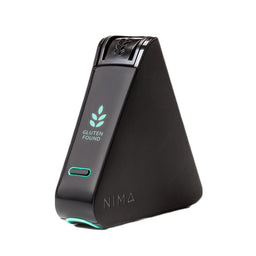
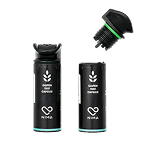
NIMA is a portable gluten detection sensor that tests a pea-sized sample of food and returns a clear result in about three minutes. It detects gluten from wheat, barley, and rye down to 10 ppm, which is twice as strict as the FDA labeling limit mentioned earlier. An independent May 2026 study by BIA Diagnostics tested NIMA against the AOAC 2012.01 ELISA reference method. Across 100 samples from real restaurant meals, NIMA achieved 99% agreement.
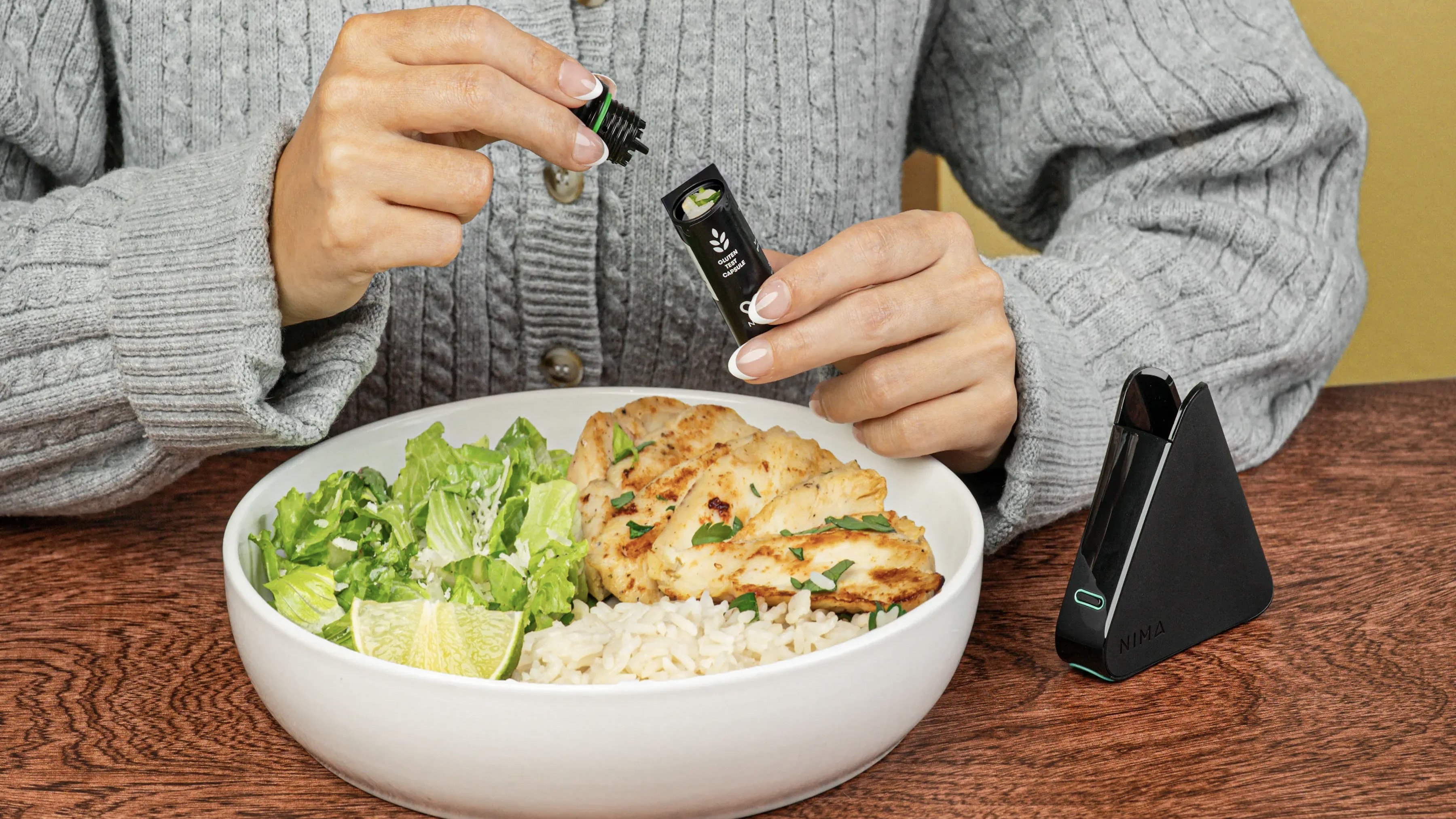
NIMA is not the right tool for testing soy sauce itself, for the same reason: fermented foods cannot be reliably tested with antibody-based sensors. NIMA publishes this limitation directly on its Responsible Use page because clear boundaries about where a tool does not work support trust where it does.
NIMA is the right tool for the rest of your meal. The grilled protein on your plate. The sauce that finishes the dish. The entree a restaurant labels as gluten-free. When a dish cannot be verified by label or conversation, NIMA gives you an objective data point about the food in front of you. For more on how to build a reliable testing routine at restaurants, see How Do You Test Restaurant Food For Gluten Reliably?
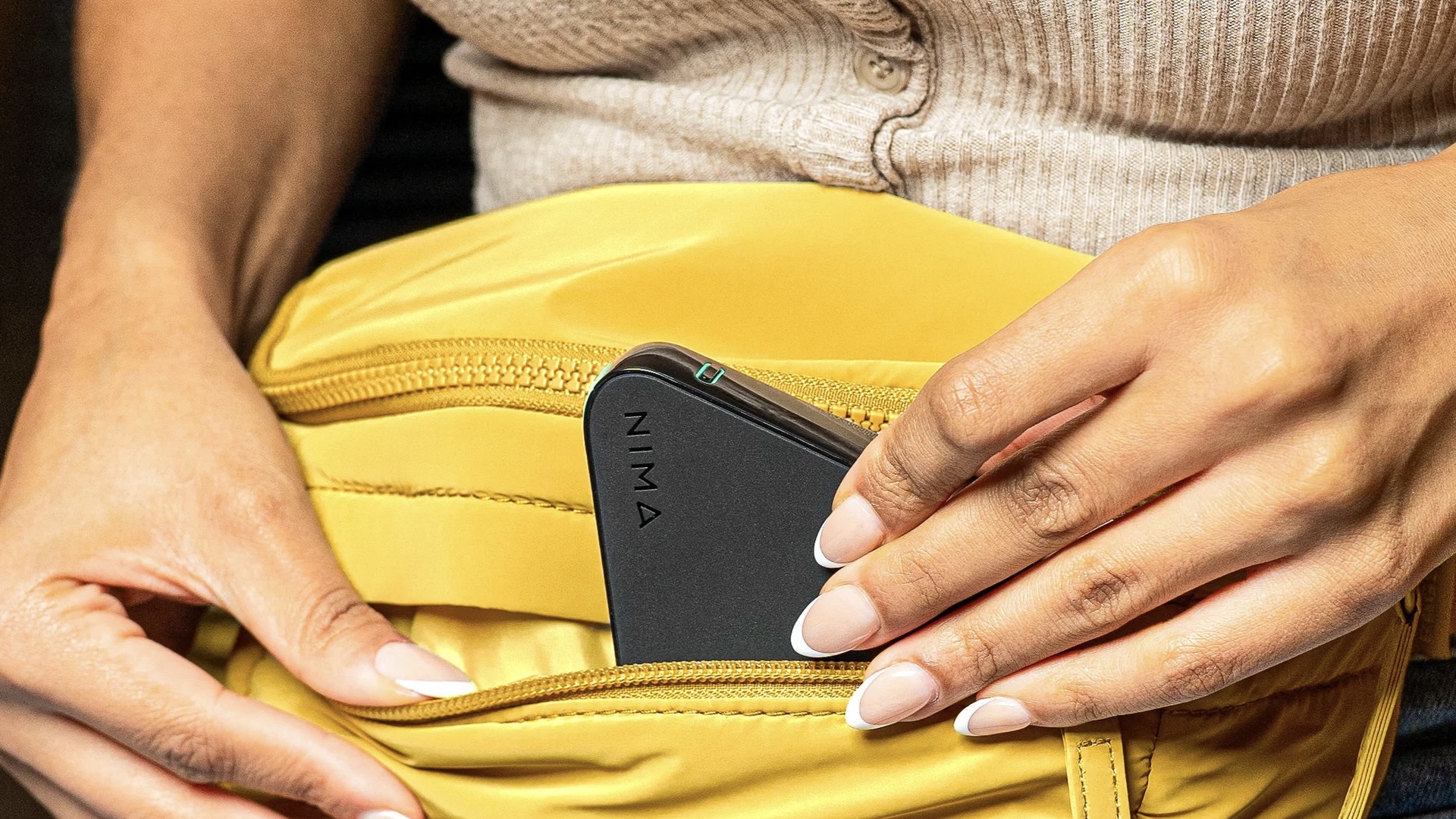
NIMA is a screening tool, not a diagnostic device. A result reflects only the portion tested. It does not guarantee safety, and it does not replace reading labels, asking questions, or following your care team's guidance. For the moments when you have done everything right and still feel unsure, NIMA adds one more layer of information before your first bite.

Test Your Restaurant Meal With Confidence
Frequently Asked Questions
Is Soy Sauce Gluten Free?
Traditional soy sauce is not gluten-free. It is brewed with wheat as a primary ingredient, and fermentation does not remove gluten. The gluten protein fragments remain in the finished sauce. Gluten-free soy sauce options exist but require label verification every time you buy.
Is Tamari Gluten Free?
Tamari is not automatically gluten-free. It is traditionally made with little or no wheat, but some products contain wheat or are produced on shared equipment where cross-contact is possible. A "tamari" label does not guarantee a gluten-free product. Check for an explicit gluten-free claim or a third-party certification mark every time.
Does Fermentation Remove Gluten From Soy Sauce?
Fermentation does not remove gluten from soy sauce. It breaks proteins into smaller fragments but does not eliminate gluten. The fragments remain in the finished product and can still trigger an immune response in people with celiac disease. The FDA has acknowledged that current testing methods cannot reliably detect or quantify gluten in fermented foods, which is why it requires manufacturers to demonstrate gluten-free compliance before fermentation begins.
Can I Test Soy Sauce With A Portable Gluten Sensor?
Portable gluten sensors cannot reliably test soy sauce. Fermented foods like soy sauce cannot be reliably tested with antibody-based sensors. Fermentation breaks gluten into smaller protein fragments that the antibodies in these sensors may no longer recognize, which means a result, positive or negative, cannot be trusted for fermented products. This limitation applies to every antibody-based test. For soy sauce, rely on ingredient labels and certified gluten-free products instead.
What Are The Best Gluten-Free Soy Sauce Substitutes?
The most reliable options are tamari with a verified gluten-free label or certification, coconut aminos that are naturally free of both gluten and soy, certified gluten-free soy sauce brewed with rice instead of wheat, and liquid aminos made from soybeans without wheat. When shopping, prioritize products with third-party certification over a plain gluten-free label, and always read the ingredient list regardless of how familiar the brand is.
Conclusion: What You Can Do Now
Traditional soy sauce contains wheat and is not gluten-free, fermentation does not remove gluten, and portable sensors cannot reliably test fermented foods.
The same habits protect you everywhere: read every label, look for certified gluten-free products, and ask clear questions at restaurants. When cooking at home, choose coconut aminos or certified gluten-free soy sauce. For the moments when a dish cannot be verified by label or conversation, NIMA gives you an objective data point about the food on your plate for everything on that plate except the fermented condiments.
You deserve to eat with confidence, and you deserve clarity when it matters most.
Recent News

Gluten-Free Diet for Celiac Disease: First 90 Days Guide
New to gluten-free eating after a celiac diagnosis? NIMA's guide covers safe foods, label reading, and cross-contact tips for your first 90 days.


