

Gluten-Free Meal Ideas: Easy, Safe Choices for Every Day
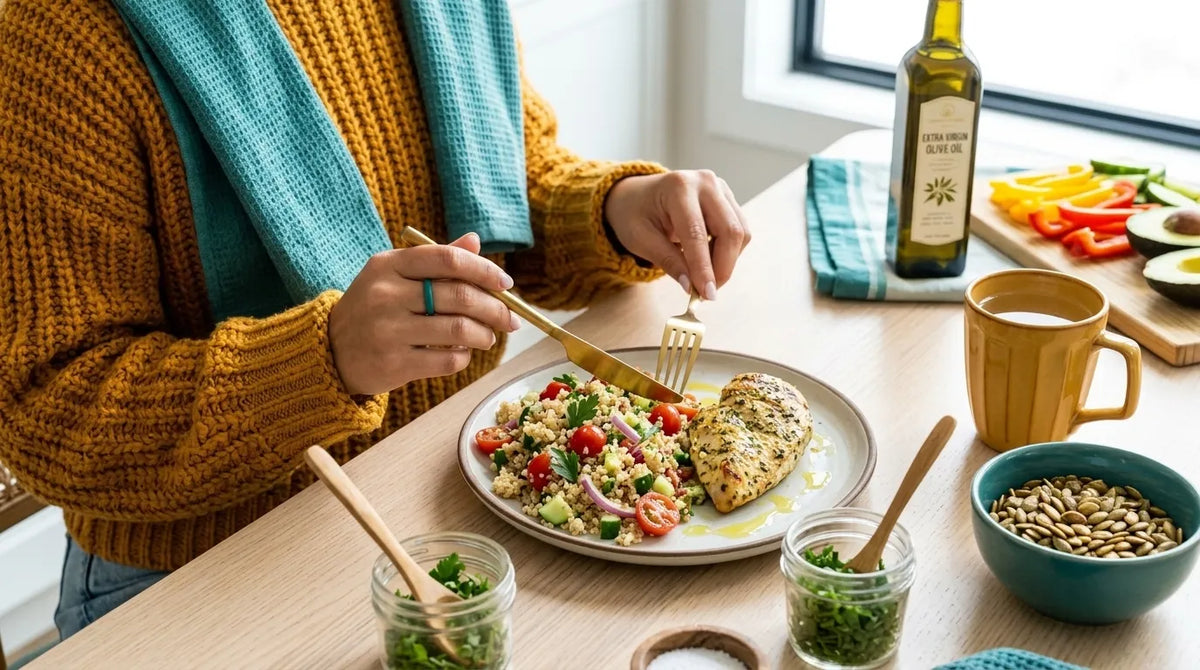
Key Takeaways
- Easy gluten-free meals start with naturally gluten-free staples like eggs, rice, beans, potatoes, corn tortillas, fresh vegetables, and unprocessed proteins.
- Cross-contact risks from shared surfaces, fryers, and condiment jars are common, so dedicated tools and separate containers help keep meals safe.
- Label reading matters because wheat must be declared as an allergen, while barley and rye are not, so full ingredient checks stay essential.
- Verification tools like NIMA add an objective data point for restaurant meals, travel, and social settings when uncertainty remains after label checks and server questions.
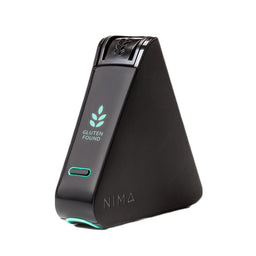
- NIMA is a portable gluten detection sensor that delivers results in about three minutes and can help users eat with greater confidence.
Quick Overview and Reader Framework
This guide organizes 35 concrete meal ideas by eating occasion: breakfast, packable lunch, one-pan dinner, no-cook assembly, and guest-friendly spreads. It also covers two topics most meal-idea lists skip entirely: which common foods are naturally gluten-free and how to verify that a meal is actually safe once it is on the table.
Every easy gluten-free meal idea here fits into a four-part framework. First, start with naturally gluten-free ingredients. Second, identify where cross-contact risk enters, such as shared surfaces, shared fryers, or shared condiment jars. Third, check how reliable the label is and what it actually tells you. Fourth, decide whether the meal works for your real life, whether that means a weeknight kitchen, a restaurant table, or a potluck.
Each section below applies that framework. The goal is to give you the knowledge to move through meals with confidence rather than anxiety.
Naturally Gluten-Free Breakfasts
Breakfast often provides the simplest place to build a naturally gluten-free routine. Harvard Health recommends reimagining breakfast with naturally gluten-free options such as plain yogurt topped with fruit and nuts, a vegetable-and-cheese omelet, or overnight oats made with certified gluten-free oats. These choices are typically higher in protein than many packaged cereals.
Seven breakfast ideas to build from:
- Potato and egg skillet, with diced potatoes, eggs, and any vegetables cooked in olive oil with salt and pepper
- Yogurt bowl, with plain yogurt, fresh fruit, nuts, and a drizzle of honey
- Smoothie, with blended fruit, spinach, and a protein source such as Greek yogurt or nut butter
- Overnight oats, with certified gluten-free oats soaked in milk or a dairy-free alternative with fruit
- Breakfast tacos, with scrambled eggs and salsa in corn tortillas
- Avocado on sweet potato toast, with a slice of roasted sweet potato as the base and mashed avocado on top
- Vegetable omelet, with eggs and any combination of peppers, onions, spinach, and cheese
15-Minute Potato and Egg Skillet: Dice two medium potatoes into small cubes. Heat two tablespoons of olive oil in a skillet over medium-high heat. Add the potatoes and cook for eight to ten minutes, stirring occasionally, until golden. Add a handful of diced bell pepper and onion, then cook for two more minutes. Crack four eggs directly into the pan, stir gently to scramble, and cook until set. Season with salt, pepper, and smoked paprika.
Cross-contact enters breakfast most often through shared toasters, shared griddles, and shared butter or jam jars. Celiac Canada recommends using a separate dedicated toaster for gluten-free products and separate condiment containers. A knife used on wheat bread and then dipped into a shared butter dish contaminates that dish for someone with celiac disease.
Surprisingly Gluten-Free Staples for Everyday Meals
Many everyday foods are naturally gluten-free without any specialty labeling or premium price. Harvard Health lists naturally gluten-free everyday foods as fruits, vegetables, meat and poultry, fish and seafood, beans and legumes, and nuts and seeds, along with grains including rice, corn, quinoa, buckwheat, and millet.
Avoiding gluten still allows a full range of whole grains. Gluten-free whole grains and pseudocereals, including brown rice, quinoa, buckwheat, millet, sorghum, teff, and certified gluten-free oats, provide fiber, B vitamins such as thiamine and folate, protein, and minerals like calcium, magnesium, and iron, whereas refined gluten-free flours such as rice and maize are low in protein, fiber, and folate.
Common Naturally Gluten-Free Building Blocks
Naturally gluten-free staples that anchor everyday meals include:
- Rice, including white, brown, wild, or black
- Corn and corn tortillas, with labels checked for cross-contact
- Potatoes and sweet potatoes
- Beans and lentils
- Quinoa
- Eggs
- Plain yogurt and natural cheese
- Nuts and seeds
- Popcorn, either plain from kernels or from a labeled bag
- Fresh fruits and vegetables
Packable Lunches and the Sandwich Problem
Gluten-free eaters have many options beyond sandwiches. Sandwiches are one format, not a food group. Lettuce wraps, rice bowls, corn tortilla wraps, quinoa salads, and bento-style assemblies all travel well and do not require specialty products.
Seven packable lunch ideas:
- Chicken and rice bowl, with cooked rice, grilled or rotisserie chicken, roasted vegetables, and a naturally gluten-free sauce such as tamari-based dressing
- Lettuce wrap, with large romaine or butter lettuce leaves filled with ground turkey, shredded carrots, and rice noodles
- Corn tortilla wrap, with black beans, avocado, salsa, and shredded chicken in corn tortillas
- Quinoa salad, with cooked quinoa, cucumber, cherry tomatoes, feta, olives, and lemon-olive oil dressing
- Bento box, with hard-boiled eggs, sliced cheese, raw vegetables, hummus, and fruit
- Tuna and white bean salad, with canned tuna, rinsed white beans, red onion, olive oil, and lemon over greens
- Canned bean bowl, with rinsed black beans or chickpeas over rice with salsa and a squeeze of lime
Chicken and Rice Bowl with Tamari Dressing: Combine one cup of cooked rice with one cup of shredded rotisserie chicken and one cup of roasted vegetables. For the dressing, whisk together two tablespoons of gluten-free tamari, one tablespoon of rice vinegar, one teaspoon of sesame oil, and a pinch of ginger. Drizzle over the bowl. Pack the dressing separately if preparing ahead.
For ready-to-eat convenience, rotisserie chicken, canned beans, and pre-made salad kits work well. The Gluten Intolerance Group identifies beans and legumes as budget-friendly protein sources that fit into salads, tacos, and rice bowls. Certified gluten-free packaged foods generally do not need routine testing because the certification process provides that assurance.
One-Pan and Sheet-Pan Gluten-Free Dinner Ideas
One-pan and sheet-pan gluten-free dinners reduce cleanup and keep preparation straightforward. Start with naturally gluten-free proteins and vegetables, then check every sauce, marinade, and seasoning blend for wheat, barley, and rye before it goes into the pan.
Eight dinner ideas:
- Sheet-pan chicken and vegetables, with chicken thighs, potatoes, broccoli, and olive oil roasted at 425°F
- Stuffed peppers, with bell peppers filled with ground turkey, cooked quinoa, and diced tomatoes
- Three-bean chili, with kidney, black, and pinto beans plus crushed tomatoes and chili powder
- Stir-fry with tamari, with chicken or shrimp, mixed vegetables, and gluten-free tamari over rice
- Baked salmon with rice, with salmon seasoned with lemon, garlic, and olive oil, served with cooked rice and steamed greens
- Corn tortilla tacos, with seasoned ground beef or black beans, shredded cabbage, salsa, and lime
- Red lentil curry, with red lentils simmered with canned tomatoes, coconut milk, and curry powder over rice
- Chickpea and spinach skillet, with canned chickpeas, diced tomatoes, and fresh or frozen spinach served over rice
Sheet-Pan Chicken and Vegetable Dinner: Arrange 1.5 pounds of bone-in chicken thighs on a sheet pan with two cups of diced potatoes, one cup of broccoli florets, and one sliced bell pepper. Drizzle with two tablespoons of olive oil. Season with salt, pepper, garlic powder, and smoked paprika, checking that the spice blend contains no wheat-based fillers. Roast at 425°F for 35 to 45 minutes, until the chicken reaches an internal temperature of 165°F.
To keep one-pan meals safe, use separate cutting boards for gluten-free preparation and clean surfaces before cooking. Verify that all sauces and marinades are free of wheat, barley, and rye. Northwestern Medicine identifies soy sauce, salad dressings, marinades, and seasoning packets as common hidden sources of gluten. Gluten-free tamari usually replaces soy sauce in stir-fries and marinades.
No-Cook and Assembly Meals
No-cook meals are among the most practical gluten-free meal ideas for busy days, travel, and budget-conscious eating. Money Bliss reports that building meals around naturally gluten-free staples rather than specialty substitutes keeps many per-serving costs at roughly $5 or less, with options like a black bean and corn burrito bowl at about $1.23 per serving.
Seven no-cook and assembly ideas:
- Rotisserie chicken with pre-made salad, with store-bought rotisserie chicken over a bagged salad kit and dressing checked for gluten-containing ingredients
- Canned bean bowl, with rinsed black beans or chickpeas, rice, salsa, and avocado
- Hummus and vegetable plate, with hummus, raw carrots, cucumbers, bell peppers, and gluten-free crackers
- Cheese and fruit plate, with sliced cheese, fresh fruit, nuts, and gluten-free crackers
- Tuna salad over greens, with canned tuna, olive oil, and lemon over mixed greens plus gluten-free crackers or sliced cucumber
- Hard-boiled egg and vegetable bento, with pre-cooked eggs, raw vegetables, hummus, and fruit
- Loaded baked potato, with a pre-baked russet potato topped with canned chili, shredded cheese, or steamed broccoli
Both house-made sauces and packaged sauces need the same level of attention. Check ingredients for wheat, barley, rye, malt, and brewer's yeast, and consider how the sauce was handled during preparation. Ingredients and handling together determine safety.
What To Serve a Gluten-Free Guest
Hosting someone who eats gluten-free stays straightforward when the menu starts with naturally gluten-free ingredients. The most guest-friendly approach uses a format that keeps components separate so guests can assemble their own plates.
Six crowd-friendly ideas:
- Taco bar, with corn tortillas, seasoned ground beef or black beans, shredded cheese, salsa, guacamole, and shredded cabbage served separately
- Rice bowl station, with cooked rice, grilled protein, roasted vegetables, and a tamari-based sauce
- Grilled protein with roasted vegetables, with chicken, fish, or steak seasoned with olive oil and herbs, served alongside roasted potatoes and vegetables
- Chili bar, with a pot of three-bean chili served over rice or baked potatoes and toppings on the side
- Salad with protein, with a large green salad and grilled chicken or salmon, with dressing served separately
- Gluten-free dessert, with a clearly labeled fruit crumble made with certified gluten-free oats or a flourless chocolate cake
Label reading supports guests from the start. Under the Food Allergen Labeling and Consumer Protection Act (FALCPA), wheat must be declared as a major allergen on packaged food labels, while barley and rye are not covered by the same mandatory declaration requirement. Ingredients like malt extract, barley flour, and rye-based flavorings may appear in an ingredient list without a prominent allergen callout. Ingredients such as malt extract, wheat starch, and hydrolyzed wheat protein require careful reading rather than a quick scan.
The FDA recommends that restaurant gluten-free claims align with its definition of less than 20 parts per million of gluten, and this recommendation functions differently from the FDA's binding regulation for packaged foods. Under 21 CFR 101.91, the FDA's packaged-food gluten-free labeling rule sets a binding threshold of less than 20 ppm for products bearing a gluten-free claim. Restaurant claims do not fall under the same binding standard.
How To Know Your Gluten-Free Meal Is Actually Safe
Reading the label and asking the server both matter, yet they do not always answer every safety question. A 2019 study published in the American Journal of Gastroenterology found detectable gluten in just under one-third of restaurant foods advertised as gluten-free, with detection highest for pizza at 53.2% and pasta at 50.8%. That study analyzed data from restaurant meals tested over 18 months and does not represent all restaurants, yet it illustrates why verification still matters even when a menu item carries a gluten-free label.
Under FDA regulation 21 CFR 101.91, a packaged food may be labeled gluten-free if any unavoidable presence of gluten in the food is below 20 ppm, or 20 mg gluten per kg of food. FDA does not require manufacturers to test for gluten, and manufacturers remain responsible for ensuring that foods bearing a gluten-free claim comply with the regulation. Additionally, barley and rye are not covered by US allergen declaration rules, so label reading alone has limits because ingredients derived from these grains may not be prominently flagged.
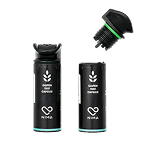
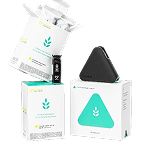
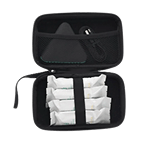
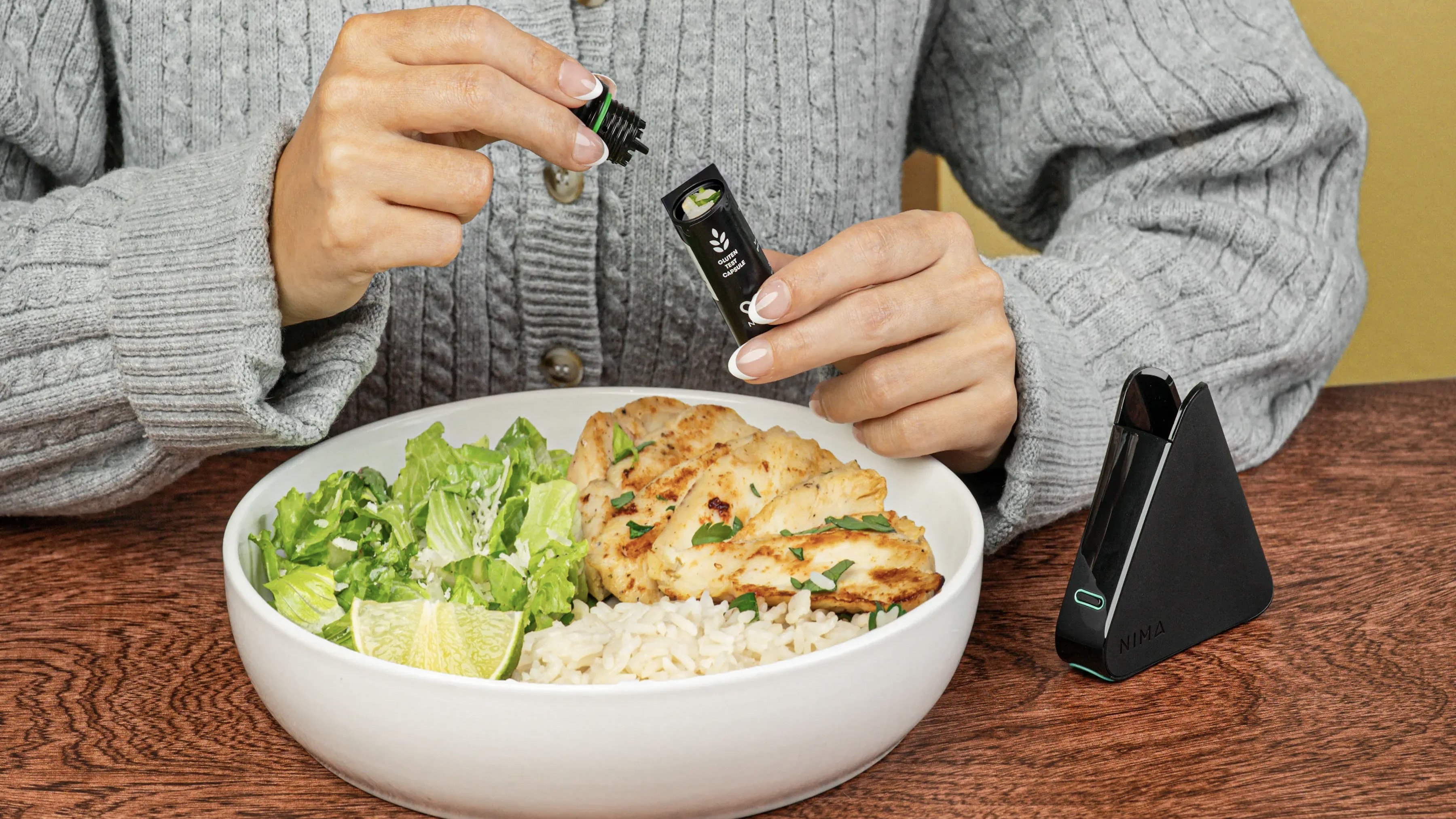
NIMA is a portable gluten detection sensor designed for this type of uncertainty. You place a pea-sized portion of food into a single-use capsule, insert it into the sensor, and receive a clear result, either a smiley face or a “gluten found” symbol, in about three minutes. NIMA detects gluten from wheat, barley, and rye at a threshold of 10 ppm, which is twice as strict as the FDA's 20 ppm labeling standard. The sensor's optical camera reads the result automatically, which reduces interpretation errors that can occur with manual strip tests, although sampling errors can still occur.
An independent May 2026 validation study by BIA Diagnostics tested NIMA against the AOAC 2012.01 ELISA reference method. Across 100 samples from 20 real restaurant meals, including 10 advertised as gluten-free and 10 standard gluten-containing, NIMA achieved 99% agreement. That 99% figure measures agreement with the reference method in real-world restaurant meal validation. A separate October 2025 controlled lab study by BIA Diagnostics found a 98.7% probability of detection at 10 ppm across 228 samples in four food matrices. These are two distinct performance metrics from two distinct studies, both available at NIMA's technology page.
When sampling a meal, test the highest-risk component first, such as a sauce, a coating, or the underside of a protein. Use the teeth on the capsule cap to dab from several areas of the plate before sealing. If a meal has multiple distinct components with different risk profiles, run separate tests for each component. A result reflects only the portion tested, not the entire plate.
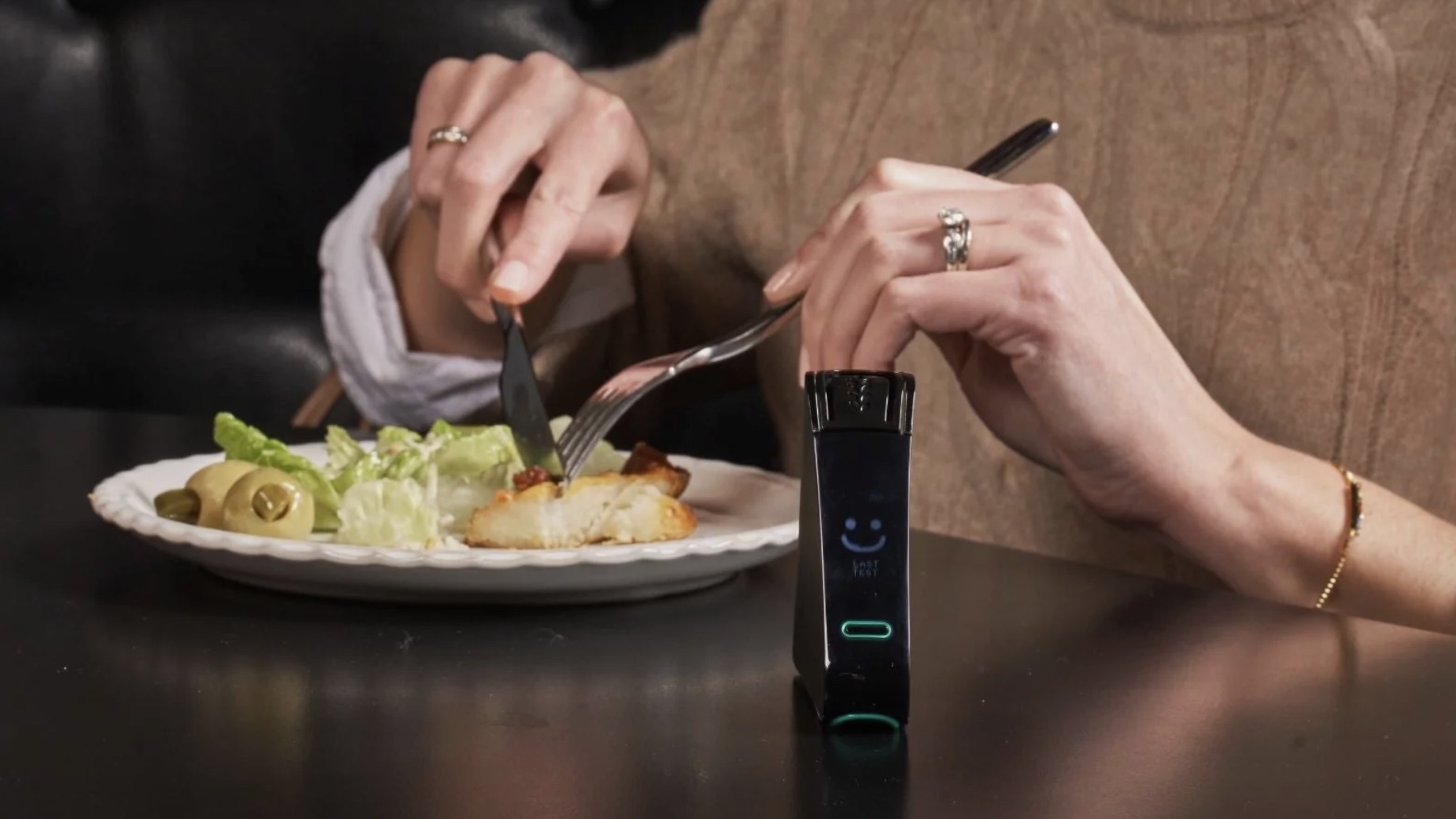
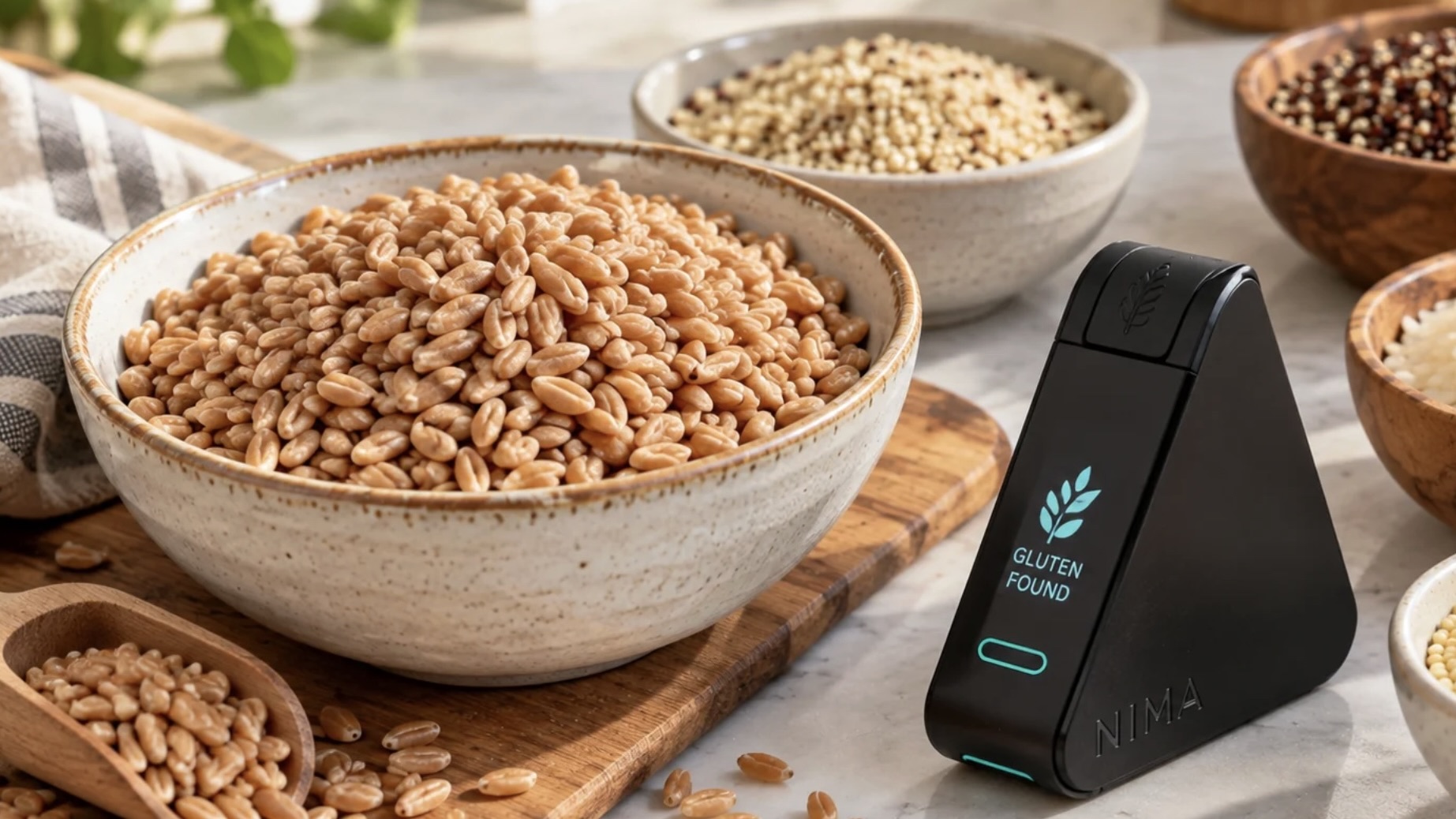
NIMA has documented limitations that sit alongside the testing advice. Fermented or hydrolyzed foods and alcoholic beverages cannot be reliably tested. This group includes soy sauce, malt vinegar, beer, and malt extract. NIMA cannot detect fructans or ATIs, cannot diagnose non-celiac gluten sensitivity, and cannot establish personal tolerance. Because of these limits, a smiley face means only that gluten was not detected above the validated threshold in the portion tested. It does not determine on its own whether a meal is safe to eat. In short, NIMA tests food for gluten and does not test a person's sensitivity. NIMA does not display numeric ppm results, and any ppm figures in this article come from laboratory methods.
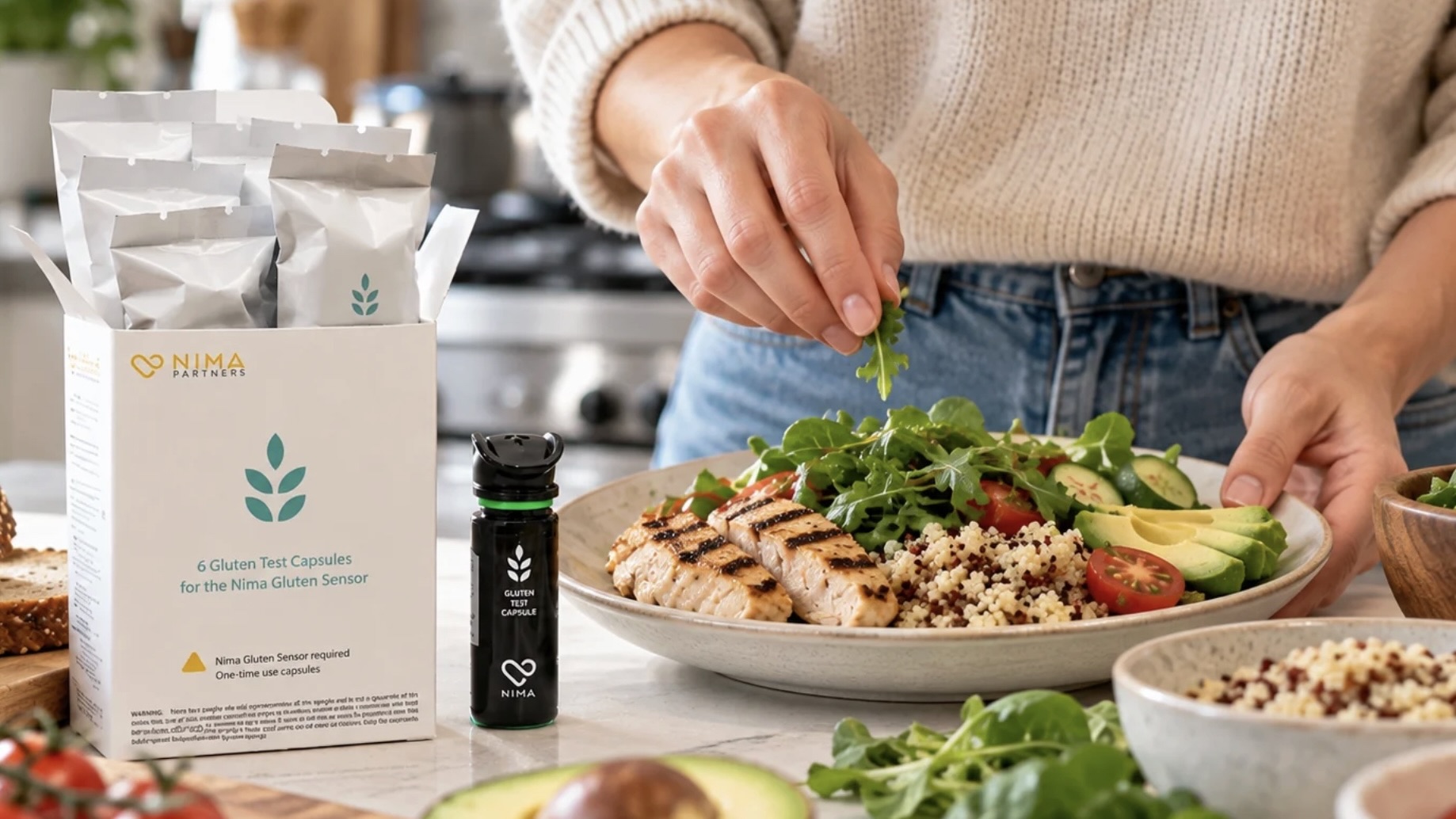
For current pricing, subscription options, HSA/FSA eligibility details, returns, and warranty information, visit our official page.
Common Mistakes and How To Avoid Them
Several recurring misunderstandings create gluten exposure even for people who stay careful.
Assuming a gluten-free label means zero gluten. Under FDA regulation 21 CFR 101.91, a gluten-free label requires that any unavoidable gluten be below 20 ppm. People with high sensitivity may react below that threshold. Reading the label helps, yet it does not always cover every situation.
Trusting a server's verbal assurance alone. Servers may not know how every dish is prepared, and kitchen practices can change between visits. Asking specific questions about a dedicated fryer, separate pasta water, and whether sauces contain wheat provides more useful information than a general “yes, it's gluten-free.” For more on navigating restaurant meals, see How To Tell If A Restaurant Meal Is Really Gluten-Free.
Using a shared toaster or fryer. Celiac Canada emphasizes that crumbs on countertops, in microwaves, and on cutting boards are all potential sites of gluten cross-contact. However, not all shared equipment carries the same risk. A shared toaster does not deposit gluten-containing crumbs onto every item toasted in it, and studies show that gluten transfer from shared toasters is minimal, with gluten levels typically below 20 ppm and often undetectable, even when visible gluten-containing crumbs are present. By contrast, a shared fryer can transfer gluten from breaded items to other foods cooked in the same oil, and in one pilot study, 25% of fry orders from shared fryers exceeded the 20 μg/g gluten-free threshold while 75% remained below it.
Assuming simple ingredients mean safe preparation. A plain grilled chicken breast is naturally gluten-free. If it is cooked on a grill where buns are toasted, handled with shared utensils, or seasoned with a blend that contains wheat, it no longer remains safe. Simple ingredients do not automatically guarantee safe preparation.
Overrelying on any single tool. Labels, certifications, restaurant conversations, and gluten detection sensors each provide one layer of information. No single tool covers every scenario. NIMA reduces interpretation errors in result reading, yet sampling errors can still occur because how and where you sample affects what you find. For guidance on testing in shared kitchen environments, see How To Check A Meal Cooked In A Shared Kitchen.
Misunderstanding what a result or label can mean. A smiley face from NIMA means gluten was not detected above the validated threshold in the portion tested. A gluten-free label means the manufacturer has represented that the product meets the FDA's standard. Neither statement guarantees zero gluten or personal safety for every individual.
Conclusion: Turning Gluten-Free Questions Into Confident Choices
Gluten-free meal ideas built on naturally gluten-free ingredients such as eggs, rice, beans, potatoes, corn tortillas, fresh vegetables, and unprocessed proteins solve the daily recipe problem. The four-part framework in this guide, which covers naturally gluten-free ingredients, cross-contact risk, label reliability, and real-world practicality, applies to every meal whether you cook at home, order at a restaurant, or host a dinner.
Practical next steps include starting with naturally gluten-free meals that require no specialty products. Learn the essential label checks for wheat, barley, rye, malt, brewer's yeast, and the limits of what a gluten-free claim actually covers. For high-risk moments like restaurants, travel, and potlucks, NIMA adds an objective data point at the exact moment the rest of the toolkit runs out.
That shift from “Can I eat this?” to “I've got this” happens one meal at a time.
Read Next
Recent News

Gluten-Free Meals, Snacks, and a 7-Day Plan for Kids
Get kid-friendly gluten-free meal ideas, a 7-day plan, and cross-contact safety tips for home and school. NIMA helps your family eat with confidence.


