

Gluten-Free Meals, Snacks, and a 7-Day Plan for Kids
Key Takeaways
- Gluten-free meals for kids require planning for every setting, including classrooms, cafeterias, parties, and playdates where parents are not present.
- Build meals from naturally gluten-free whole foods such as proteins, dairy, fruits, vegetables, and certified gluten-free grains while checking labels for barley, rye, malt, and natural flavoring.
- Use reliable systems such as a 7-day meal rotation, a dedicated school lunchbox with backup snacks, and a 504 plan to reduce daily decisions and support safety in shared environments.
- Prevent cross-contact at home with separate toasters, cutting boards, condiment jars, and snack bins, and teach children simple scripts for declining unsafe food at school and social events.
- NIMA adds another layer of confidence by testing restaurant meals, shared-kitchen dishes, and uncertain situations down to 10 ppm, which helps families expand safe experiences beyond the home kitchen.
Building Everyday Gluten-Free Meals for Kids
Gluten-free meals for kids start with foods most children already enjoy. Avoiding gluten does not remove the whole-grain food group, because gluten-free whole grains are available. The foundation of a well-planned gluten-free diet for a child includes:
- Proteins: eggs, chicken, fish, beans, lentils, plain meats
- Dairy: yogurt, cheese, milk (or fortified alternatives)
- Grains and starches: rice, corn tortillas, potatoes, quinoa, certified gluten-free oats, millet, buckwheat, and sorghum
- Fruits and vegetables: all fresh produce is naturally gluten-free
- Packaged staples: gluten-free pasta, gluten-free bread, gluten-free crackers
Read every ingredient list for wheat, barley, rye, malt, and natural flavoring. These ingredients are common hidden sources of gluten. In the US, wheat must be declared as an allergen, and barley and rye are not covered by the same allergen-labeling law, so they require careful label-reading rather than relying on a “Contains” statement alone. Certified gluten-free foods have been independently verified and generally do not need routine testing, so reserve testing for moments of genuine uncertainty.
A nutrition note: gluten-free diets in children are often associated with lower fiber, iron, folate, and B-vitamin intake when refined, non-fortified products dominate. Work with your child's pediatric dietitian to build a varied, nutrient-dense plate rather than relying heavily on packaged gluten-free substitutes.
Gluten-Free Breakfast Ideas for Kids
Breakfast usually becomes the easiest meal to keep reliably gluten-free. These options are quick, familiar, and kid-approved:
- Certified gluten-free oatmeal topped with fruit and a drizzle of honey
- Yogurt parfait layered with berries and gluten-free granola
- Scrambled eggs and cheese on a gluten-free English muffin
- Smoothie made with fruit, yogurt, and milk or a fortified dairy-free alternative
- Gluten-free pancakes with maple syrup and sliced banana
- Breakfast tacos on corn tortillas with scrambled eggs, cheese, and salsa
Keep a dedicated toaster for gluten-free bread and muffins if that fits your household. Research indicates that a shared toaster is not a major source of gluten cross-contact at home, and studies found that gluten-free bread toasted in a shared toaster had gluten levels below 20 ppm, even with visible crumbs present.
Gluten-Free Lunch Ideas for Kids
Lunch often carries the most planning pressure, especially on school days. These ideas work both at home and packed in a lunchbox:
- Gluten-free wrap with turkey, cheese, lettuce, and mustard
- Rice bowl with chicken, black beans, corn, and salsa
- Thermos of gluten-free soup or chili with a side of gluten-free crackers
- Gluten-free pasta salad with vegetables and olive oil
- Cheese, gluten-free crackers, grapes, and a hard-boiled egg
- Build-your-own bento box: rice cakes, deli turkey, cucumber slices, and fruit
School Lunchbox System
A simple school-lunch system reduces daily decisions and supports your child in the cafeteria. Four practical steps help most families:
- Pack in a dedicated lunchbox. Label it clearly with your child's name and “gluten-free.” Store it separately from siblings' bags.
- Include a shelf-stable backup snack. A sealed pouch of gluten-free crackers or a certified gluten-free bar gives your child a safe option if the main lunch is compromised.
- Talk with the school about a 504 plan. A 504 plan is a written, legally binding document under Section 504 of the Rehabilitation Act that follows a child through every part of the school day, including substitute teachers, field trips, and staff changes. It requires a documented diagnosis and a letter from your child's care team. Start the process with a written request to the school's 504 coordinator.
- Recognize the limits of written accommodations. School accommodations on paper reduce risk but do not remove cross-contact on shared cafeteria surfaces. Most school cafeterias cannot guarantee a gluten-free environment, so a packed lunch and a safety layer for uncertain moments both matter.
For more on navigating school settings, see NIMA's guidance on the first 90 days of a gluten-free diet.
Easy Gluten-Free Dinners for Kids
Weeknight dinners work best when they are simple, familiar, and built from ingredients you already keep on hand:
- Gluten-free pasta with marinara sauce and a side salad
- Taco night with corn tortillas, seasoned ground beef or chicken, cheese, and salsa
- Baked chicken thighs with white rice and steamed broccoli
- Homemade pizza on a gluten-free crust with mozzarella and vegetables
- Stir-fry with rice, chicken, and vegetables using gluten-free tamari in place of soy sauce
- Burgers on gluten-free buns with lettuce, tomato, and a side of baked potato wedges
- Sheet-pan salmon with roasted potatoes and green beans
Check every sauce, seasoning blend, and broth label each time you buy. Formulations change, and malt, wheat starch, and natural flavoring can appear in products that were previously safe.
Gluten-Free Snacks for Kids
Snacks often carry the highest cross-contact risk in shared pantry spaces. A dedicated snack bin for your child with clearly labeled, gluten-free-only items simplifies this:
- Fresh fruit
- Cheese sticks
- Gluten-free crackers
- Popcorn (plain or lightly seasoned, with label checked)
- Yogurt
- Veggie sticks with hummus (check the hummus label)
- Certified gluten-free granola bars
Studies of packaged snacks labeled “gluten-free” but not third-party certified have found that a notable share contained detectable gluten above 20 ppm, which reinforces the value of certified options when possible, especially for frequently eaten snacks.
A 7-Day Gluten-Free Meal Plan for Kids
This plan uses a simple rotation so you can shop once, reduce daily decisions, and still cover breakfast, lunch, snacks, and dinner across the week. Adjust portions and preferences for your child's age and appetite.
| Day | Breakfast | Lunch | Snack | Dinner |
|---|---|---|---|---|
| Monday | GF oatmeal with berries | Turkey and cheese GF wrap | Apple slices and cheese stick | GF pasta with marinara |
| Tuesday | Scrambled eggs on GF toast | Rice bowl with chicken and salsa | Popcorn and grapes | Taco night with corn tortillas |
| Wednesday | Yogurt parfait with GF granola | Thermos of GF soup and GF crackers | Veggie sticks and hummus | Baked chicken with rice and broccoli |
| Thursday | Smoothie with fruit and yogurt | GF pasta salad with vegetables | Certified GF granola bar | GF pizza on GF crust |
| Friday | Breakfast tacos on corn tortillas | Bento box: rice cakes, turkey, cucumber, fruit | Cheese stick and GF crackers | Stir-fry with rice and GF tamari |
| Saturday | GF pancakes with maple syrup | Cheese, GF crackers, grapes, hard-boiled egg | Yogurt and berries | Burgers on GF buns with baked potato wedges |
| Sunday | Eggs and GF English muffin | Turkey rice bowl with corn and black beans | Apple and peanut butter (from a dedicated jar) | Sheet-pan salmon with roasted potatoes and green beans |
During grocery shopping, check every label for wheat, barley, rye, malt, and natural flavoring. For oats, choose only products specifically labeled gluten-free. Standard oats are often grown or milled in the same environment as wheat, barley, and rye.
Cross-Contact Safety at Home
Cross-contact involves shared surfaces, utensils, and appliances that transfer gluten from one food to another. A plate that held regular bread is not a safe place to prepare gluten-free food unless it has been properly washed, and a gluten-free food remains safe only while handled with clean hands and tools. A shared kitchen can work well with clear systems:
- Separate toaster or toaster bags. A shared toaster deposits crumbs directly onto gluten-free bread, so a dedicated toaster or toaster bags reduce this specific risk.
- Separate cutting boards. Gluten can cling to scratches and grooves, so label gluten-free boards or use a distinct color to keep prep surfaces clear.
- Separate condiment jars. Butter, jam, peanut butter, and mayonnaise become cross-contacted when a knife that touched bread goes back into the jar, so keep gluten-free jars for your child.
- Dedicated colander for gluten-free pasta. Pasta water and residue cling to colanders, so a gluten-free colander prevents carryover from regular pasta.
- Clean prep area. Wipe down counters and tables before preparing your child's food to remove crumbs and residue.
- Separate snack bin. Store your child's snacks in a clearly labeled container that other household members do not reach into, which keeps packages and portions uncontaminated.
Safety Beyond the Kitchen: School, Parties, and Playdates
Children eat in many places where parents are not present, which creates the central challenge of managing celiac disease in childhood. Home systems help, and families also need strategies for the three highest-risk environments.
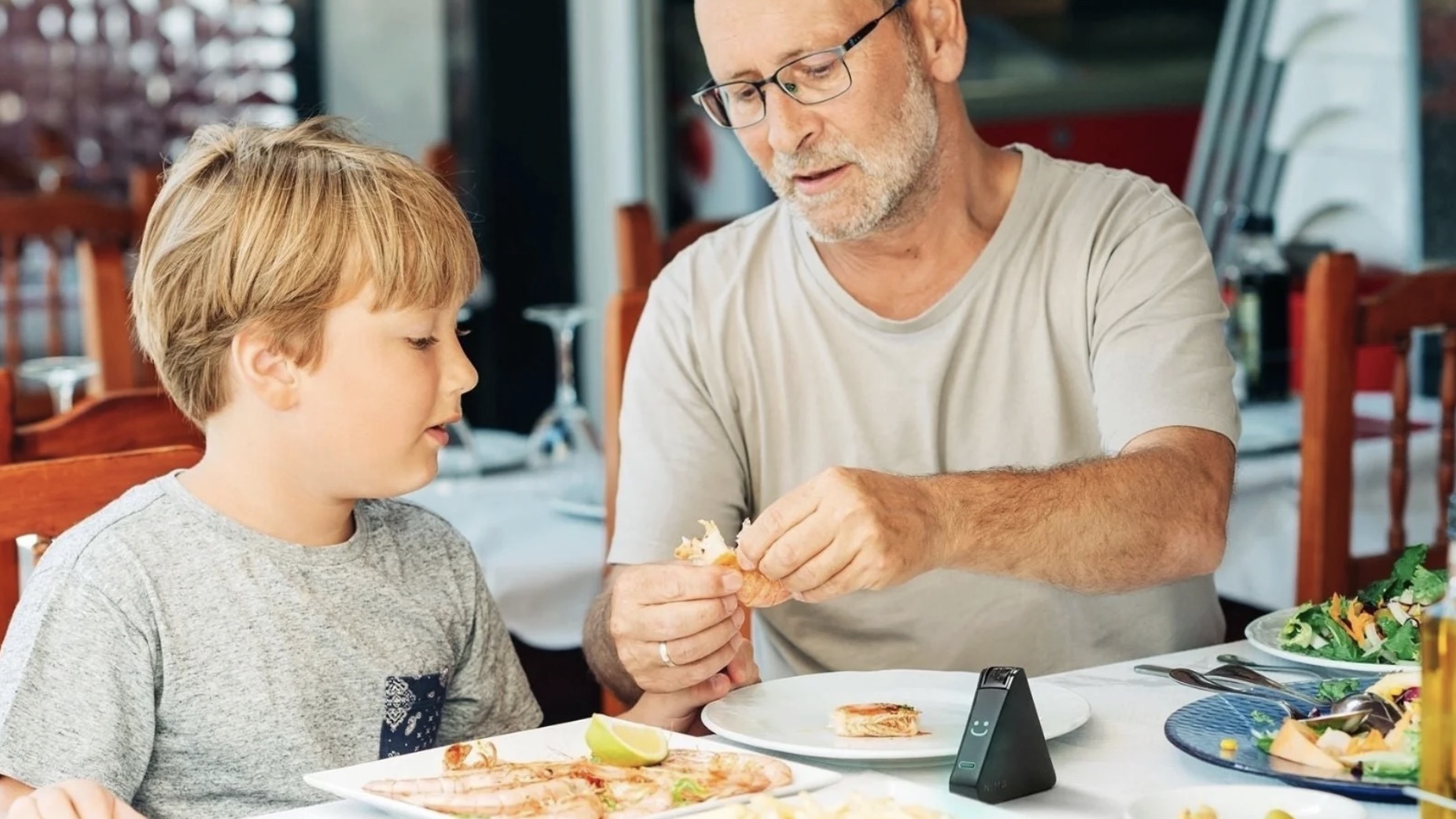
- School and cafeteria. Talk with your child's teacher, school nurse, and cafeteria staff before the school year begins. Request a 504 plan in writing as a formal accommodation. A 504 plan can include a designated clean eating surface, a handwashing protocol before eating, a classroom snack policy, advance notice of food events, and an emergency response plan. Teach your child a simple script for declining unsafe food: “No thank you, I brought my own.” Practice it at home until it feels automatic. Under Section 504 of the Rehabilitation Act, children with celiac disease qualify for a written accommodation plan that can include designated gluten-free snack storage, staff training, and ingredient verification protocols.
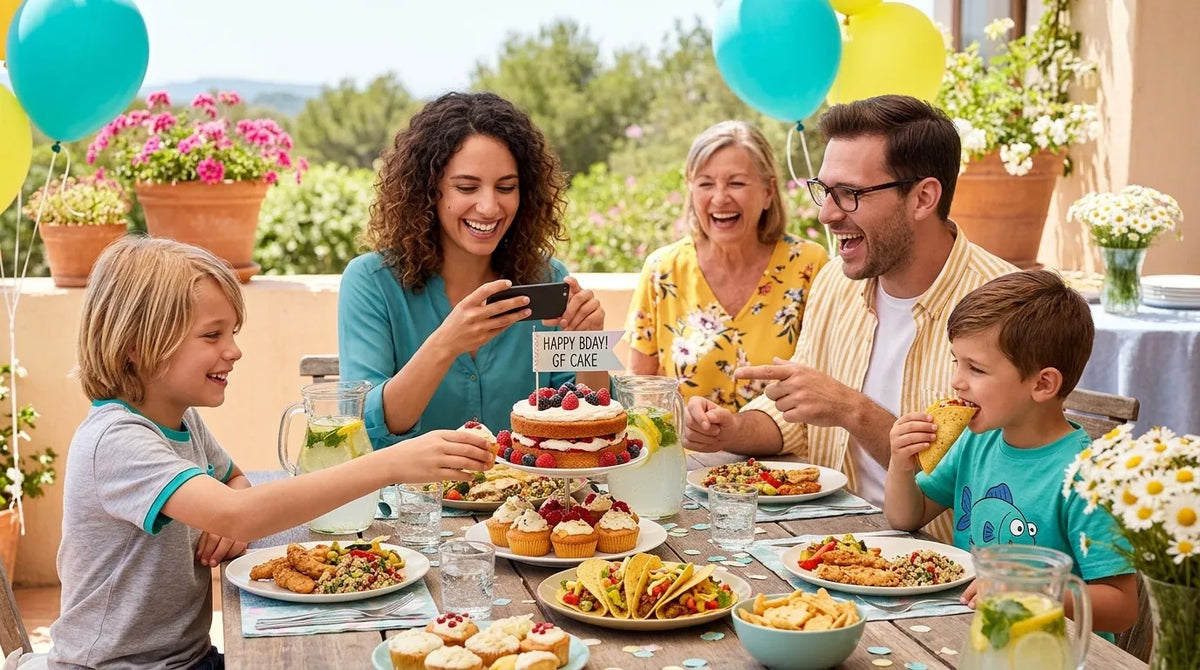
- Birthday parties and playdates. Contact the host ahead of time and ask about the menu. Bringing a favorite gluten-free dish ensures a safe option is always available. Keep a stash of gluten-free treats such as cupcakes, cookies, or individually wrapped snacks in the school freezer so your child has something for surprise classroom celebrations. Ask the host to keep packaging so you can check ingredients. For more on party planning, see NIMA's Gluten-Free Birthday Party Ideas for Kids.
- Sports, camp, and travel. Pack more gluten-free snacks than you expect to need. Contact coaches and trip leaders well before sports travel or overnight programs, send clearly labeled gluten-free meals or snacks, and teach your child not to trade food with teammates. For road trips, a cooler expands safe options. For tournaments and away games, pack a backup meal in case the venue has limited choices.
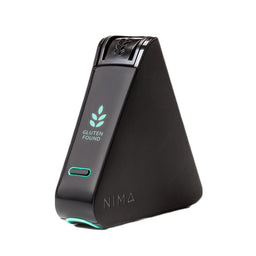
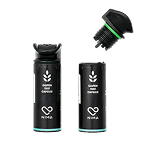
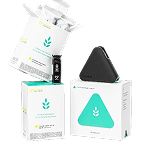
A portable gluten detection sensor can support families in these settings. NIMA is a consumer wellness device that detects gluten at 10 ppm. This threshold is twice as strict as the FDA's gluten-free labeling limit of less than 20 ppm and covers wheat, barley, and rye. You place a pea-sized portion of food into a single-use capsule and insert it into the sensor. In about three minutes, you get a result: a smiley face if gluten was not detected above the threshold in the portion tested, or a “gluten found” symbol if it was. In a May 2026 independent study by BIA Diagnostics, NIMA showed 99% agreement with the AOAC 2012.01 ELISA reference method across 100 samples from real restaurant meals. That figure reflects real-world restaurant meal validation specifically.
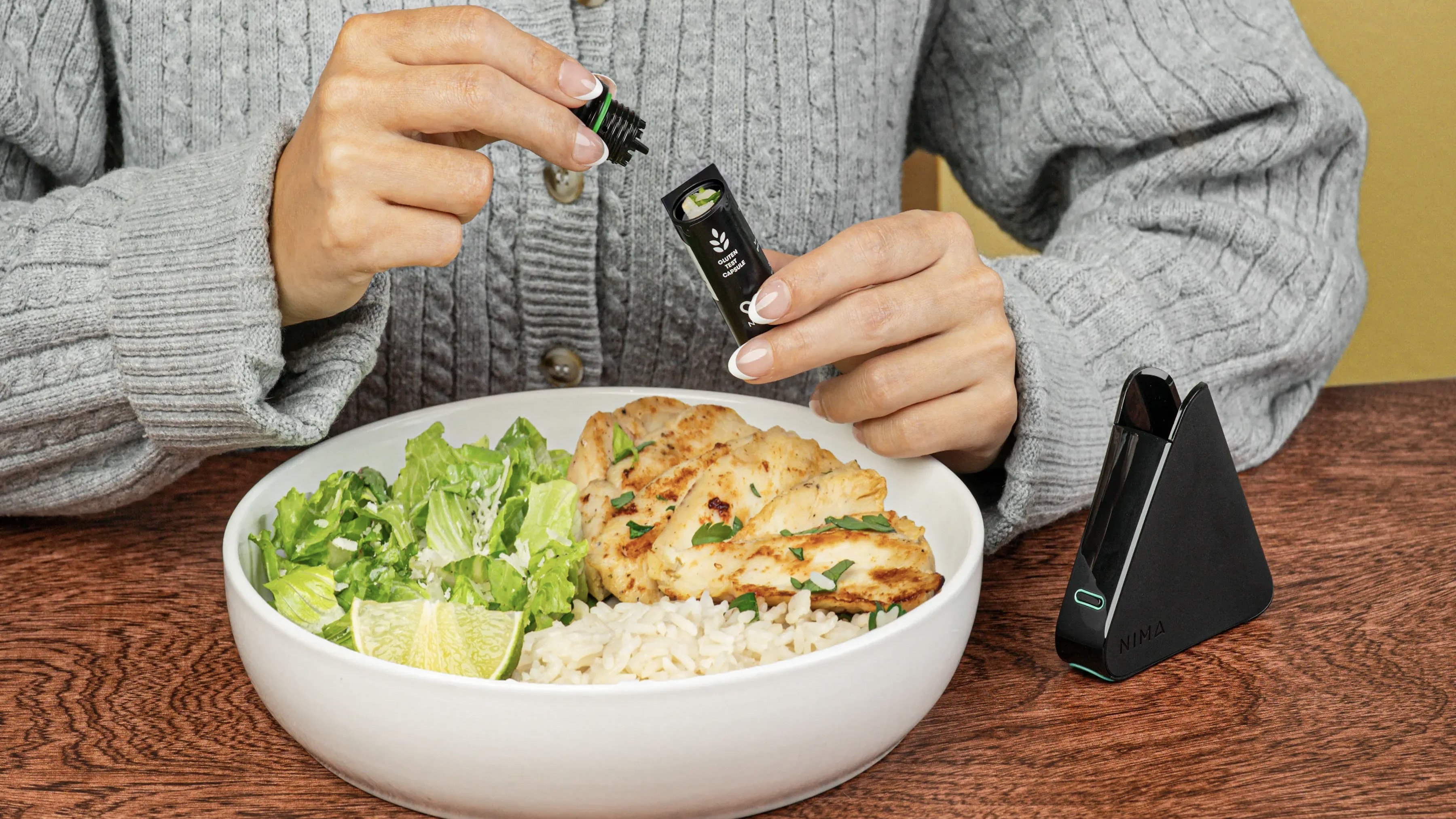
Important limitations help families use NIMA appropriately. NIMA cannot reliably test fermented or hydrolyzed foods or alcohol, including soy sauce, malt vinegar, and beer, because fermentation breaks gluten into fragments the assay may not capture. NIMA cannot detect fructans or ATIs, diagnose non-celiac gluten sensitivity, or establish personal tolerance. A result reflects only the portion tested, and a smiley face alone does not determine whether a meal is safe to eat. NIMA functions as one more tool in the gluten-free toolkit and sits alongside label literacy, your child's 504 plan, and the relationship with your pediatric GI. For a full account of what NIMA can and cannot test, see the NIMA Responsible Use page.
Learn More About NIMA's Capabilities
Salvatore “Salvo” Alesci, MD, PhD, NIMA Advisor and parent of two children with celiac disease, explains that “a tool like NIMA can give families another layer of information and confidence, and it can help start a more practical conversation with schools about how to better support students who need to avoid gluten.”
Picky Eater Playbook for Gluten-Free Kids
Managing a gluten-free diet for a picky eater adds a layer of difficulty that many recipe lists overlook. These strategies help families move from theory to daily practice:
- Start with familiar favorites. Transition to gluten-free versions of foods your child already loves, such as pasta, pizza, pancakes, and crackers, before introducing new ingredients. This approach keeps meals feeling familiar.
- Involve your child in cooking. Children who help prepare food are more likely to eat it. Invite them to stir the batter, assemble the taco, or choose the fruit for the parfait.
- Keep textures consistent. Many picky eaters respond strongly to texture. If your child liked a particular cracker before diagnosis, look for a gluten-free version with a similar crunch before branching out.
- Offer choices within safe options. Questions like “Do you want rice or corn tortillas tonight?” give your child agency while keeping every option gluten-free.
- Set a calm structure around meals. Serve one safe meal for the whole family when possible. The more gluten-free eating feels like the household norm, the less it feels like a restriction.
A 2026 randomized controlled trial published in Frontiers in Nutrition found that a multidimensional intervention combining nutritional education, culinary workshops, and psychological support significantly improved gluten-free diet adherence in children and adolescents with celiac disease aged 5–18, which reinforces that cooking together and building positive associations with food can make a measurable difference.
When to Test and When to Trust
Portable gluten detection helps most in moments of genuine uncertainty. Examples include a restaurant your family is trying for the first time, a meal prepared in someone else's kitchen, a school event where you could not verify ingredients in advance, or travel where your usual systems do not apply. A 2019 study in the American Journal of Gastroenterology (Lerner et al., 114(5):792-797) found that 32% of gluten-free labeled restaurant foods had detectable gluten, rising to 53.2% for pizza and 50.8% for pasta, based on crowd-sourced data from a portable gluten detection device. These figures highlight the gap that can exist between a restaurant's gluten-free claim and what ends up on the plate. This study reflects a specific sample of restaurants at a specific time and does not represent all dining establishments.

As mentioned earlier, certified gluten-free packaged foods generally do not need routine testing. Testing should support confidence rather than create hypervigilance or replace the dietary education and label literacy your family is building. NIMA's guidance recommends introducing a detection tool after a period of active dietary adjustment, once label literacy and cross-contact awareness are established, and always in consultation with your child's care team. The goal is expansion so your child can say yes to more experiences by using a sensor for high-risk moments, not adding a step to every meal.
For the full picture of what NIMA can and cannot test, including foods that require modified technique and categories that should not be tested, visit the NIMA Responsible Use page.
Frequently Asked Questions
Is a Gluten-Free Diet Safe for Kids?
A gluten-free diet is safe for kids when medically indicated and managed with clinical support. For a child with celiac disease, a strict gluten-free diet is the only effective treatment. It is not a weight-loss strategy or a general wellness choice; it functions as a medical treatment. A well-planned gluten-free diet can support normal growth and development, and it requires attention to nutrient adequacy, particularly fiber, iron, calcium, vitamin D, and B vitamins. Work with your child's pediatric gastroenterologist and a registered dietitian to monitor growth, serology, and micronutrient levels over time. Any changes to your child's diet should be clinician-led.
What If My Child Eats Gluten by Mistake?
Symptoms vary widely between individuals and between exposures. Some children experience digestive distress within a few hours, while others may not notice symptoms immediately even though intestinal damage may still occur. If you suspect accidental gluten exposure, contact your child's pediatric gastroenterologist or registered dietitian. Keep your child hydrated and comfortable, and follow the response plan outlined in your child's 504 plan or care documentation. Do not adjust gluten intake without clinical guidance.
Can My Child Eat Safely at School?
Children can eat safely at school when the right systems are in place. A 504 plan provides legally binding accommodations that follow your child through every part of the school day. Talk with teachers, the school nurse, and cafeteria staff before the year begins. Pack lunch daily rather than relying on cafeteria food, and include a shelf-stable backup snack. Teach your child age-appropriate self-advocacy. Young children can learn not to share food without asking, and older children can learn to read labels and ask questions about preparation. Written accommodations reduce risk, and a layered approach that includes home systems and education works best.
Do I Need to Test Every Meal?
Families do not need to test every meal. Certified gluten-free foods generally do not need routine testing, and testing every meal can add stress instead of confidence. Reserve portable gluten detection for moments of genuine uncertainty such as restaurants, travel, other people's kitchens, and school or social events where you could not verify preparation. Use testing as a tool of expansion that gives your child access to more experiences, and always defer to your child's care team on medical decisions.
Conclusion and Next Steps
Feeding a child with celiac disease well and supporting them in places you cannot see becomes manageable with a clear framework. Build meals from naturally gluten-free whole foods, use a realistic 7-day rotation, establish a school-lunch system anchored by a 504 plan and a packed lunchbox, and put cross-contact safeguards in place at home. For moments beyond your kitchen, such as parties, playdates, sports tournaments, and travel, plan ahead, communicate with caregivers, and consider a portable gluten sensor as an additional layer of information for situations that feel uncertain.
Your next steps include talking with your child's pediatric gastroenterologist or registered dietitian about nutritional monitoring and follow-up timing, which should be individualized to your child's situation. Connect with organizations like the Celiac Disease Foundation and Beyond Celiac for advocacy resources, school support tools, and community. When you are ready to add a portable gluten sensor to your toolkit for high-risk moments, NIMA is designed for that role.
Read Next
Recent News

Gluten-Free Foods: What to Eat and What to Avoid
Learn which foods are safe, how to read labels, and eat with confidence. NIMA helps you navigate gluten-free living every step of the way.


