

Managing Non-Celiac Gluten Sensitivity: A Step-By-Step Guide

Key Takeaways
NCGS is a diagnosis of exclusion, so it needs a structured, stepwise management plan guided by your clinician.
Celiac blood tests and endoscopy must happen while you still eat gluten, but genetic testing and wheat-allergy testing do not require an active gluten challenge.
A clinician-led six-week strict elimination of wheat, barley, and rye followed by systematic reintroduction helps define your personal gluten threshold.
Gluten-free diets can fall short on fiber, iron, and B vitamins, so tracking intake and asking for targeted bloodwork protects long-term health.
When labels and restaurant assurances feel uncertain, NIMA provides on-the-spot gluten detection at 10 ppm to check what is actually on your plate.
What Is Non-Celiac Gluten Sensitivity?
Non-celiac gluten sensitivity (NCGS) is a diagnosis given to people who test negative for celiac disease and wheat allergy but still experience symptoms such as bloating, abdominal pain, fatigue, and brain fog after eating gluten-containing foods. Symptoms improve on a gluten-free diet and return when gluten is added back. The Cleveland Clinic Journal of Medicine's September 2026 clinical review confirms that NCGS is a diagnosis of exclusion, with no currently validated biomarkers.
How To Manage Non-Celiac Gluten Sensitivity
Managing NCGS works best as a clear sequence, with each step building on the one before it. Your clinician or dietitian should guide the elimination and reintroduction phases, because both steps depend on clinical judgment and careful timing.
Rule out celiac disease and wheat allergy first, before removing gluten from your diet.
Eliminate wheat, barley, and rye strictly for about six weeks under clinician supervision.
Track symptoms in a simple diary, noting what you ate, when symptoms started, and how long they lasted.
Reintroduce systematically with your care team, adding one gluten source at a time in increasing amounts to find your personal threshold.
Consider fructans and ATIs with a low-FODMAP trial if gluten alone does not explain your symptoms.
Protect your nutrition by monitoring fiber, iron, and B vitamins and requesting bloodwork when needed.
Verify the actual food on the plate when labels and restaurant assurances are not enough, by testing the food itself.
Step 1: Rule Out Celiac Disease And Wheat Allergy First
Celiac blood tests and endoscopy work only while you are still eating gluten. Celiac.com's September 2026 clinical review warns that eliminating gluten before testing can make standard celiac testing less reliable and may require a gluten challenge, a process that is uncomfortable and sometimes poorly tolerated.
The standard first-line blood test is tissue transglutaminase IgA (tTG-IgA), with total IgA measured at the same time to rule out IgA deficiency, which can affect result interpretation.
Two situations call for different next steps:
If you have not been tested yet: Ask your primary care provider for celiac serology (tTG-IgA and total IgA) before making any dietary changes. Continue eating gluten until all recommended testing, including any follow-up biopsy, is complete. A low-FODMAP diet can unintentionally reduce gluten intake and interfere with accurate celiac testing if celiac disease has not yet been excluded.
If you have already gone gluten-free without testing: Genetic testing includes HLA-DQ2 and HLA-DQ8. These genes stay the same regardless of your diet, so this test does not require a gluten challenge. A negative result rules out celiac disease. A positive result means celiac disease remains possible, but it does not confirm the diagnosis and does not automatically require a gluten challenge and biopsy. Your clinician decides whether further testing is warranted based on your symptoms, history, and other results.
Wheat allergy is a separate condition diagnosed by an allergist, using clinical history, skin-prick testing, and serum wheat-specific IgE antibodies. Celiac.com's 2026 review notes that a wheat allergy does not automatically require avoiding barley and rye, which is one reason "wheat-free" and "gluten-free" are not interchangeable terms. Wheat-allergy testing does not require you to be eating gluten, so it can be done at any point, including after you have already gone gluten-free.
This article does not constitute medical advice. Your care team should guide all testing decisions.
Step 2: The Clinician-Led Elimination Phase For Wheat, Barley, And Rye
Once celiac disease and wheat allergy have been ruled out, your clinician or dietitian can start the elimination phase. The foods to remove are wheat, barley, and rye, along with all products that contain them.
Gluten hides in places that are easy to miss:
Sauces, gravies, and marinades thickened with wheat flour
Malt extract and malt vinegar derived from barley
Wheat starch in soups and processed foods
Shared fryers in restaurants
Coatings on fried proteins
Some oats, due to cross-contact during processing
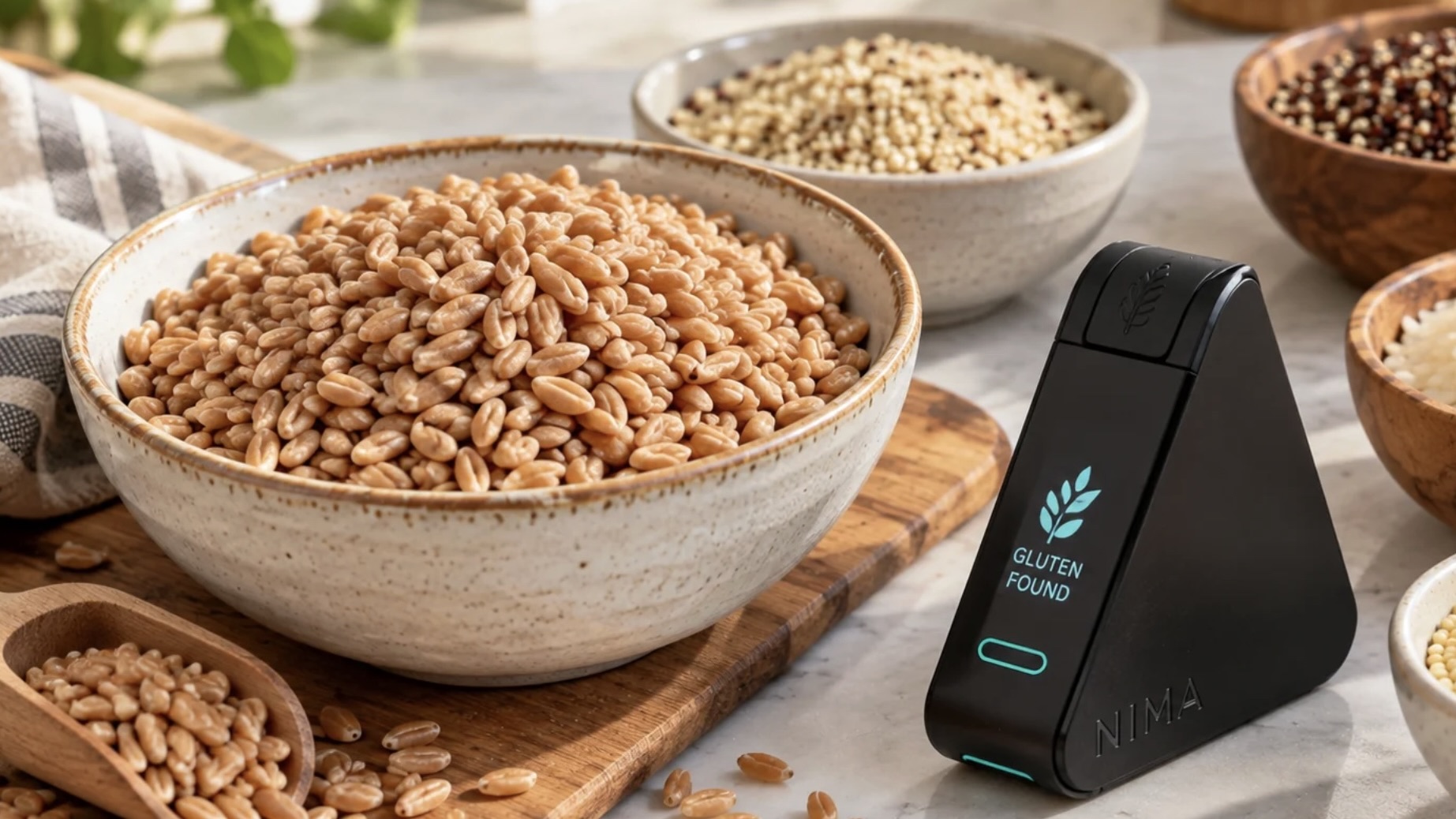
A 2026 multi-omics study by Dixit et al. published in mSphere used a six-week gluten-free diet intervention, defining response as a greater than 30% decrease in symptoms, before proceeding to rechallenge. Six weeks of strict elimination is the standard frame for testing whether gluten drives your symptoms, and your clinician should confirm the timeline fits your situation.
Track symptoms in a simple diary throughout this period. Record what you ate, when symptoms appeared, and how long they lasted. A 2026 systematic review and meta-analysis published in Cureus found that studies with better adherence to the gluten-free diet generally showed stronger improvements, and that occasional gluten exposure, poor label reading, or restaurant cross-contact could reduce the benefit.
A 2026 randomized controlled trial published in Frontiers in Nutrition by Kaddour et al. notes that gluten-free products are substantially more expensive than standard alternatives, which can limit access to balanced diets and increase food insecurity risk. Planning meals in advance reduces both cost and the risk of accidental exposure.
Step 3: The Clinician-Led Reintroduction Phase To Find Your Threshold
The reintroduction phase shows whether you need strict lifelong avoidance or can tolerate small amounts of gluten without symptoms. Your clinician or dietitian should design and supervise this step, because it turns your elimination results into a personalized plan.
A practical reintroduction protocol, guided by your care team, follows this structure:
After six weeks of strict elimination with clear symptom improvement, reintroduce one gluten source at a time, such as a small amount of wheat bread on a single day.
Use a low starting amount and wait before increasing the dose or adding another source. Your clinician sets the waiting period, which should be long enough for symptoms to appear and resolve before the next challenge, so you can link any reaction to the specific food you tested.
Record symptoms at each level, including what you ate, the amount, when symptoms started, how severe they were, and how long they lasted, so you can compare reactions across challenges.
If symptoms return at the first challenge, stop and reassess with a clinician or dietitian before continuing, since further challenges may not be necessary.
A personal threshold looks different for each person. Some people with NCGS tolerate small amounts of gluten without symptoms, while others react at very low levels. Your diary reveals which pattern fits you, and your clinician interprets the results. In clinician-led management, the key goal is reproducibility: symptoms should reliably return when gluten is reintroduced and resolve when it is removed.
Step 4: Fructans, ATIs, And Low-FODMAP Triggers
Many people who think they react to gluten actually react to fructans, a fermentable carbohydrate found in wheat alongside gluten. Fructans belong to the FODMAP group and are poorly absorbed in the small intestine, where colonic bacteria rapidly ferment them, producing gas and drawing water into the bowel.
Wheat also contains amylase-trypsin inhibitors (ATIs), which are nongluten proteins resistant to digestion. The Cleveland Clinic Journal of Medicine's September 2026 review states that animal-model studies suggest ATIs may activate toll-like receptor 4, stimulating innate immune responses in the gut and potentially contributing to abdominal discomfort, fatigue, and low-grade inflammation.
This overlap matters in daily life. Gluten and fructans appear together in the same wheat-based foods, so removing wheat removes both at once. A person who feels better on a gluten-free diet may respond to fructan reduction rather than gluten removal, which is why reintroduction alone may not isolate the true trigger.
If your reintroduction phase does not clearly establish gluten as the culprit, a structured low-FODMAP trial becomes the next logical step. The Cleveland Clinic Journal of Medicine's September 2026 review notes that if a patient with NCGS does not improve with a gluten- or wheat-limited diet, a low-FODMAP diet may offer both diagnostic and therapeutic clarity. This trial works best with a registered dietitian, because the low-FODMAP protocol removes a wide range of foods and needs careful reintroduction to identify specific triggers.
Step 5: Protect Your Nutrition While Restricting
A gluten-free diet can be lower in several key nutrients, so monitoring fiber, iron, and B vitamins helps prevent silent deficiencies.
A 2026 narrative review by Dobrijević et al. at the University of Novi Sad, published in Children (Basel), found that gluten-free diets are commonly associated with low fiber, iron, folate, and B-vitamin intake, particularly when refined, non-fortified products predominate over fortified wheat foods. That review focuses on pediatric populations, so its findings should be read as background rather than direct evidence for adults.
Gluten-free grains and flours are not required to be enriched or fortified in the same way as wheat-based products, so people on a gluten-free diet may need to choose nutrient-dense alternatives such as amaranth, buckwheat, quinoa, teff, flaxseed, chia seeds, and nut flours.
Practical steps to protect nutrition on a gluten-free diet include:
Fiber: Replace wheat-based products with naturally gluten-free whole grains such as quinoa, buckwheat, teff, and brown rice instead of relying on refined gluten-free packaged foods. The Dobrijević et al. 2026 review notes that fiber inadequacy cannot be assessed by a routine laboratory biomarker and is mainly evaluated through dietary assessment and symptoms such as constipation. This makes daily food choices especially important.
Iron: The Dobrijević et al. 2026 review identifies iron as a micronutrient of major concern, noting that iron deficiency may predate the diet and can persist when fortified wheat products are replaced by non-fortified alternatives. Pair plant-based iron sources with vitamin C to improve absorption, since iron from plants is less readily absorbed than iron from meat.
B vitamins: Removing wheat, barley, and rye cuts out the main fortified grain sources of vitamin B and fiber in many diets. Eggs, legumes, leafy greens, and fortified gluten-free cereals help fill this gap and support energy levels. Naturally gluten-free whole grains such as quinoa, buckwheat, and teff also contribute B vitamins and fiber.
Ask your care team for bloodwork that includes ferritin, vitamin B12, folate, and vitamin D at your next appointment. The Dobrijević et al. 2026 review concludes that adults on a gluten-free diet need both dietary review and selective laboratory follow-up, because nutritional deficiencies may develop gradually and remain clinically silent.
Step 6: Verify The Food, Not Just The Label
Even with careful nutrition planning, you may still react. You followed the diet correctly, read the label, asked the server, and made your best assessment, yet you still got sick. This frustrating loop in NCGS management has a structural explanation.
Every tool in the standard gluten-free toolkit is predictive. It tells you something about food you have not eaten yet:
Restaurant assurances: Staff knowledge and kitchen conditions change from visit to visit. A restaurant that felt safe last month may not be safe today.
Community review apps: These reflect other people's experiences at other times in other kitchen environments, not the plate in front of you right now.
None of these tools measures the actual food on your plate at the moment you decide to eat.
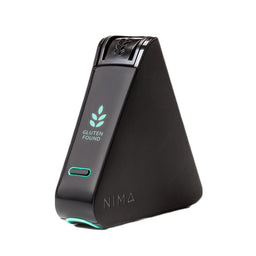
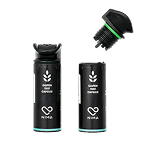
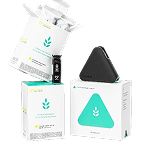
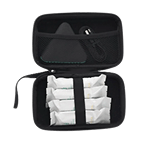
NIMA fills that gap. NIMA is a portable gluten detection sensor: place a pea-sized portion of food into a single-use capsule, twist it shut, insert it into the sensor, and receive a clear result in about three minutes as a smiley face or a "gluten found" symbol. The result is unambiguous, with no faint line to interpret or judgment call to make. NIMA detects gluten from wheat, barley, and rye at 10 ppm, a threshold twice as strict as the FDA's 20 ppm labeling limit, so it can catch traces that a label can legally miss.
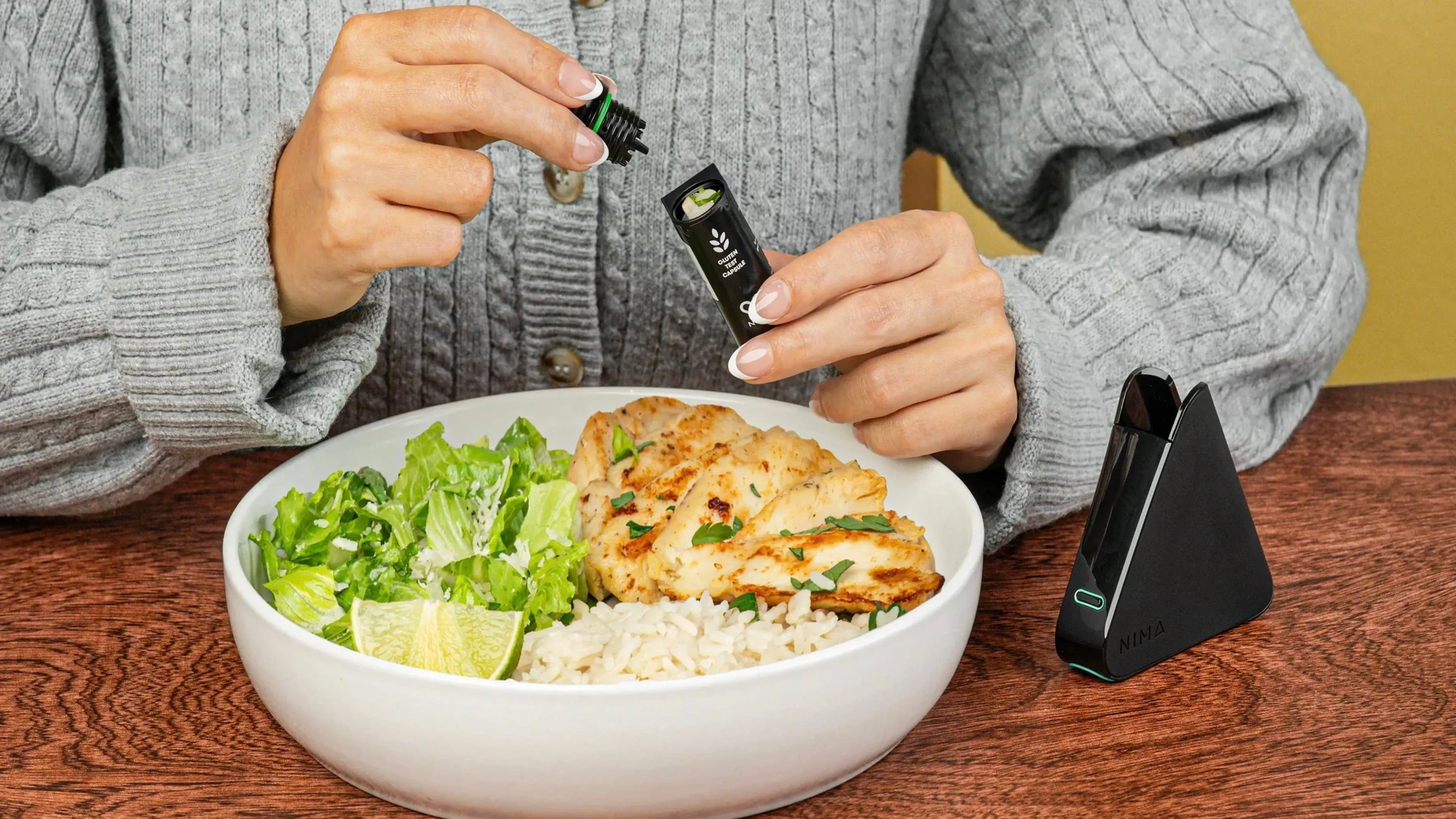
Independent studies support this performance. The October 2025 BIA Diagnostics controlled lab study found a 98.7% probability of detection at 10 ppm across four food matrices. It correctly detected 225 of 228 samples. The May 2026 BIA Diagnostics real-world study found 99% agreement between NIMA and the AOAC 2012.01 ELISA reference method across 100 samples drawn from restaurant meals, including meals advertised as gluten-free that contained gluten readings as high as 74 ppm.
NIMA adds one more layer to the gluten-free toolkit. It does not replace a clinician, a dietitian, a label, or a conversation with a kitchen. A result reflects only the portion tested and serves as a tool that provides data, not a guarantee.
NIMA has clear limits. It detects gluten proteins from wheat, barley, and rye, so it cannot detect fructans or amylase-trypsin inhibitors (ATIs), the nongluten wheat components that may drive symptoms in some people. It does not diagnose NCGS, which remains a clinical diagnosis of exclusion. It also cannot establish your personal tolerance, because a single reading reflects only the portion tested at that moment and not the amount you can eat over time. Your clinician or dietitian interprets your symptom diary and reintroduction results to define your threshold.
Testing also has food-specific limits. Fermented and hydrolyzed foods, such as soy sauce, beer, and some processed proteins, can break gluten into fragments that antibody-based tests like NIMA may not detect, so a negative result on these items does not confirm they are gluten-free. Alcohol is another gap: NIMA is designed for food samples, not beverages, so it cannot verify distilled spirits, beer, or other drinks. For these items, rely on labeling, manufacturer information, and guidance from your care team.
Step 7: When To Escalate Care
Most people with NCGS manage well with the steps above, but some situations call for a gastroenterologist or registered dietitian.
Contact your care team promptly if you experience any of the following:
Unintentional weight loss
Persistent vomiting
Blood in stool
Iron-deficiency anemia that does not resolve with dietary changes
Symptoms that continue despite strict adherence to a gluten-free diet
The 2023 American College of Gastroenterology Guidelines Update on Diagnosis and Management of Celiac Disease states that persistent symptoms on a gluten-free diet require a structured search for ongoing gluten exposure, alternative diagnoses, and refractory disease rather than assuming gluten is the only trigger. The same principle applies in NCGS. Persistent symptoms despite a strict diet warrant a clinical evaluation and a broader search for causes.
NCGS is managed, not cured. A care team should guide any significant change in management, including decisions about reintroduction, low-FODMAP trials, or additional testing.
Frequently Asked Questions
Can Non-Celiac Gluten Sensitivity Be Cured?
NCGS is managed over time rather than cured. No treatment eliminates the condition. Management focuses on identifying your personal triggers and thresholds, protecting your nutrition, and reducing symptom burden. Some people notice that their sensitivity changes over the years, while others manage it consistently with dietary adjustments. Your care team should guide any changes to your management approach.
How Long Does It Take To Feel Better On A Gluten-Free Diet?
Most people with NCGS notice symptom improvement within the six-week elimination phase, although the timeline varies. Some people feel better within days, while others need the full six weeks to see a clear change. Strict adherence matters, because occasional gluten exposure, cross-contact, or poor label reading can slow or mask improvement. If symptoms have not improved after six weeks of strict elimination, reassess with a clinician or dietitian before concluding that gluten is not the trigger. Your care team should set the timeline for your elimination phase and decide when to move on to reintroduction.
What Is Mistaken For Gluten Intolerance?
Fructans, a fermentable carbohydrate found in wheat alongside gluten, are the most common trigger mistaken for gluten intolerance. Amylase-trypsin inhibitors (ATIs), also present in wheat, may contribute to symptoms through a different mechanism. Because gluten and fructans co-occur in the same foods, removing wheat removes both at once, which makes it difficult to identify the true culprit without structured reintroduction. Irritable bowel syndrome (IBS) also overlaps significantly with NCGS in symptoms, and the two conditions can coexist.
Do I Need A Non-Celiac Gluten Sensitivity Test?
There is no single test for NCGS. Clinicians reach this diagnosis after ruling out celiac disease and wheat allergy and confirming that symptoms improve on a gluten-free diet and return when gluten is reintroduced. Blood tests, endoscopy, and allergy testing rule out the other conditions, while the response to dietary change supports NCGS. Celiac blood tests and endoscopy require you to be eating gluten, but genetic testing for HLA-DQ2 and HLA-DQ8 and wheat-allergy testing do not. A positive genetic result means celiac disease remains possible, not confirmed, and it does not automatically require a gluten challenge and biopsy. Commercial food sensitivity panels and at-home test kits are not validated for this diagnosis and are not recommended by clinical guidelines.
What If I Still Have Symptoms On A Gluten-Free Diet?
Persistent symptoms on a gluten-free diet have several possible explanations. Ongoing gluten exposure through cross-contact, mislabeled products, or hidden sources is one possibility worth checking. If exposure has been ruled out, fructans or other FODMAPs may drive symptoms, so a structured low-FODMAP trial with a dietitian becomes the next logical step. Nutritional deficiencies, particularly iron and B vitamins, can also produce fatigue and other symptoms that persist despite dietary change. Verifying the actual food on the plate, rather than relying on labels alone, can help identify whether trace gluten exposure is the issue.
Is A Gluten-Free Label A Guarantee?
In the US, a food can be labeled gluten-free if it contains fewer than 20 ppm of gluten, and the manufacturer self-reports that figure with no mandatory independent verification. A product can legally carry a gluten-free label and still contain gluten at levels that affect sensitive individuals. Third-party certification programs such as GFCO, which tests to 10 ppm, provide stronger assurance but cover only the products enrolled in them. Labels serve as a necessary starting point, yet highly sensitive individuals often need additional safeguards.
Can I Test My Food For Gluten?
Yes. NIMA is a portable gluten detection sensor that detects gluten at 10 ppm, a threshold twice as strict as the FDA's 20 ppm labeling limit, in about three minutes. A pea-sized portion of food goes into a single-use capsule, and the capsule goes into the sensor for a clear smiley face or a "gluten found" symbol. NIMA detects gluten from wheat, barley, and rye. It cannot detect fructans or amylase-trypsin inhibitors (ATIs), diagnose NCGS, or establish your personal tolerance. It also cannot reliably detect gluten in fermented or hydrolyzed foods, such as soy sauce, beer, and some processed proteins, and it is not designed for alcohol or other beverages. A result reflects only the portion tested and provides objective data from the food in front of you. For a fuller description of performance and study data, see Step 6 above.

Conclusion: Turn Your NCGS Plan Into Daily Action
Managing non-celiac gluten sensitivity works as a sequence: rule out celiac disease and wheat allergy first, complete a clinician-led elimination of wheat, barley, and rye for about six weeks, track symptoms carefully, reintroduce systematically with your care team to find your personal threshold, consider fructans and ATIs if gluten alone does not explain your symptoms, protect your nutrition, and verify the actual food on the plate when labels and restaurant assurances are not enough.
NCGS is managed, not cured. The goal is clarity, not perfection. Knowing your triggers, understanding your threshold, and having an objective way to check the food in front of you closes the loop that leaves many people stuck in the "I did everything right and still got sick" cycle.
You now have a plan and the tools to support it. The next step is yours.
Recent News

Is Soy Sauce Gluten Free? What You Need To Know
Most soy sauce contains wheat. NIMA breaks down gluten-free options, tamari, label tips, and safe substitutes so you can eat confidently.


