

How To Tell If a Restaurant Meal Is Really Gluten-Free
Key Takeaways
Restaurant gluten-free labels are not legally regulated and do not guarantee protection from cross-contact during preparation.
Specific questions about shared fryers, pasta water, utensils, prep surfaces, and sauces reveal whether a kitchen truly understands gluten safety.
Green-flag answers are specific and verifiable, while vague or dismissive responses signal elevated risk and call for caution or refusal.
Pre-visit research and community reviews reduce uncertainty but remain predictive rather than confirmatory of the actual plate.
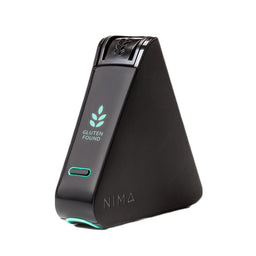
NIMA adds a verification layer by testing the food itself down to 10 ppm before you eat.
How To Tell If Something Is Truly Gluten-Free
In a restaurant, “truly gluten-free” depends on several steps going right, not just a menu symbol. You need ingredients that contain no wheat, barley, or rye, preparation that avoids cross-contact, and a kitchen that can explain both clearly.
Cross-contact is the transfer of gluten from one food, surface, or utensil to another during storage, preparation, or cooking. It is invisible. It does not change the appearance, smell, or taste of a dish. Cross-contact is one of the most common reasons people with celiac disease get sick from meals they were told were safe.
A gluten-free menu label is a starting point and never a safety guarantee. The FDA’s gluten-free labeling rule applies to packaged foods regulated by the FDA and does not cover restaurant meals or food service establishments, which are regulated by state and local health departments rather than by this federal labeling standard. The FDA does recommend that restaurants making a gluten-free claim on a menu or label meet the same definition the rule sets for packaged foods, meaning the food contains less than 20 ppm of gluten. That recommendation is not a legal requirement for restaurants, so a menu claim reflects what the kitchen intends rather than a verified standard.
Questions To Ask Before You Order
Specific, direct questions give you the clearest picture of how a kitchen handles gluten. Use this wording and listen closely to the answers.
“Is there a dedicated fryer for gluten-free items, or is the fryer shared?” Shared fryer oil is one of the most common cross-contact points. When breaded or battered foods are cooked in hot oil, small pieces of coating break away and remain suspended in the oil or settle at the bottom, so naturally gluten-free foods cooked later in that same oil can pick up gluten-containing particles. A separate basket in the same oil does not prevent this.
“Is the pasta cooked in the same water as the regular pasta?” Cooking water used to prepare gluten-containing pasta retains gluten that can contaminate a gluten-free dish cooked in the same water afterward.
“Are the utensils, cutting boards, and prep surfaces used for my dish dedicated or shared?” Wooden kitchen utensils can retain traces of gluten due to their porous nature. A shared toaster, grill surface, or prep counter can transfer gluten even after a visual wipe-down.
“Can the kitchen prepare my dish in a dedicated area or on a clean surface?” A separate prep area reduces the number of cross-contact variables. A kitchen that can say yes and explain how it does this usually understands what you are asking.
“Are the sauces and dressings made in-house or from a mix, and can you check the ingredient labels either way?” Both routes carry risk. Pre-made sauces, bases, and mixes often contain hidden allergens, such as wheat in a seasoning blend or soy in a stock. House-made versions can hide the same ingredients in a recipe the kitchen has not checked, and they can pick up cross-contact during prep. Ask what goes into the sauce and how it is handled, whether it is made in-house or poured from a package. Gravy is frequently thickened with wheat flour, and marinades may contain regular soy sauce, malt vinegar, beer, or seasoning blends.
“Can you check the ingredient labels for me?” This matters most for sauces, seasonings, and processed components. Barley and rye are not covered by FALCPA’s allergen declaration requirement, so products containing barley-derived malt extract, malt syrup, malt flavoring, or rye flour have no regulatory obligation to declare these ingredients in a “Contains:” allergen statement.
“Is the grill cleaned before my food is cooked, or is it shared with bread or buns?” A plain chicken breast becomes unsafe when cooked on a grill covered in bread crumbs or handled with tongs used for breaded food. A shared grill is one of the most common cross-contact points in restaurant kitchens.
“Does the kitchen change gloves and use clean utensils for gluten-free orders?” This question shows whether the kitchen has thought through cross-contact at the staff level, not just the ingredient level. A kitchen that changes gloves and uses clean utensils for your order understands the difference between a gluten-free ingredient list and a gluten-free preparation process.
Bring NIMA To Your Next Meal Out
What Gluten-Friendly Labels Actually Mean
“Gluten-free” on a menu usually signals that a dish is made without gluten-containing ingredients, but it has no legal definition in a restaurant setting.
“Gluten-friendly” is softer still and usually indicates partial risk reduction. A dish described as “gluten-friendly” typically means the kitchen has made an effort to remove gluten sources but cannot guarantee complete separation, often because the same kitchen handles gluten-containing ingredients or cannot fully control cross-contact during preparation. The term functions as a partial mitigation label rather than a standard and does not describe what happened in the kitchen today.
The FDA’s gluten-free labeling rule sets a specific threshold for packaged foods. In the US, a packaged food may be labeled gluten-free if it contains less than 20 ppm of gluten, and the manufacturer is responsible for meeting that standard. The FDA does not require manufacturers to submit gluten test results before labeling a product, and the labeling rule itself does not set a routine testing requirement. That is separate from the FDA’s broader oversight of food facilities, which includes facility registration, good manufacturing practice requirements, and inspection authority under other food safety rules. Compliance with the labeling standard rests largely on the manufacturer, and the FDA can act when a product is found to be mislabeled or out of compliance. This rule applies to packaged food, not to restaurant menus, and functions as a labeling standard rather than a medical safety line.
The FDA recommends that restaurants making a gluten-free claim meet that same definition, so the food should contain less than 20 ppm of gluten. This is a recommendation, not a regulation, and it does not place restaurant menus under the packaged-food rule. A restaurant claim therefore signals intent to follow the FDA definition, while packaged-food labels carry a defined standard that manufacturers are responsible for meeting.
Red Flags And Green Flags In A Server’s Answer
You can learn a great deal from how a server answers and from the level of detail they provide. The content of the answer and the confidence behind it both matter.
Green flags:
The server can name the specific ingredients in the dish.
The server knows what a shared fryer is and can tell you whether one is used.
The server offers to check with the kitchen rather than guessing.
The server mentions a dedicated prep area or a separate cooking surface.
The server says the kitchen will change gloves and use clean utensils for your order.
Red flags:
“I think it’s okay.”
“Just pick the croutons off.”
“Should be fine.”
“A little bit won’t hurt.”
A server who guesses rather than checks.
A server who seems annoyed by the question.
A kitchen that cannot explain how a dish is prepared.
“I think it’s fine” is how incidents happen. A kitchen that gives a clear, specific, honest answer to cross-contact questions demonstrates good allergen awareness, even when the answer is not what you hoped for.
When you get a red flag, choose a different dish, ask to speak with a manager or the kitchen directly, or decide not to eat there. If a restaurant tells you it cannot safely serve someone with celiac disease, that information matters most and should guide your decision.
How To Research A Restaurant Before You Go
Reading a server’s answer at the table is useful, but it happens after you have already committed to a seat. The best time to assess a restaurant is before you arrive. Call during off-peak hours, such as mid-afternoon on a weekday, when staff have time to answer questions carefully. Ask the same questions you would ask at the table. A kitchen that can answer them over the phone has usually thought about the issue.
Read the menu online in advance and look for a dedicated gluten-free menu or an allergen guide. Check community reviews from the gluten-free community, focusing on recent experiences, because menus and kitchen practices change with staff turnover and supplier changes. Ask to speak with a manager or the chef when staff cannot answer your questions.
Community review apps provide helpful context but remain subjective. They reflect other people’s experiences, at other times, in other kitchens. A restaurant that felt safe last month may not be safe today, because kitchens change staff, suppliers, and procedures. Research reduces uncertainty but never removes it completely.
Get NIMA For Your Next Meal Out
What Conversation And Research Cannot Tell You
Labels, certifications, conversations with servers, and community review apps all act as prediction tools for food you have not eaten yet. None of them measures the plate in front of you.
Every predictive tool has the same structural limit: it cannot measure the plate in front of you. A study published in the American Journal of Gastroenterology analyzed 5,624 portable gluten-detection tests conducted by 804 users over 18 months and found gluten in just under one-third of foods advertised as gluten-free in US restaurants, with gluten detected in 53.2% of pizza and 50.8% of pasta samples. Those samples came from the users and restaurants involved in that study, so the figures describe that dataset rather than every US restaurant. A separate cross-sectional study published in the Medical Journal of Australia found that 6% of restaurant items promoted as gluten-free contained more than 20 ppm of gluten. That study examined a specific set of restaurant items in one market, so its 6% figure reflects that sample rather than the restaurant landscape as a whole.
A portable gluten detection sensor fits into this picture as one more layer of protection. It works best in high-risk moments such as travel, a date, a wedding, an unfamiliar kitchen, or a restaurant your dietitian is encouraging you to try. It does not replace research or conversation and works alongside them.
How Testing The Actual Portion Fits
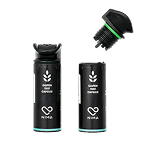
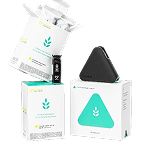
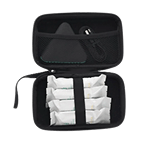
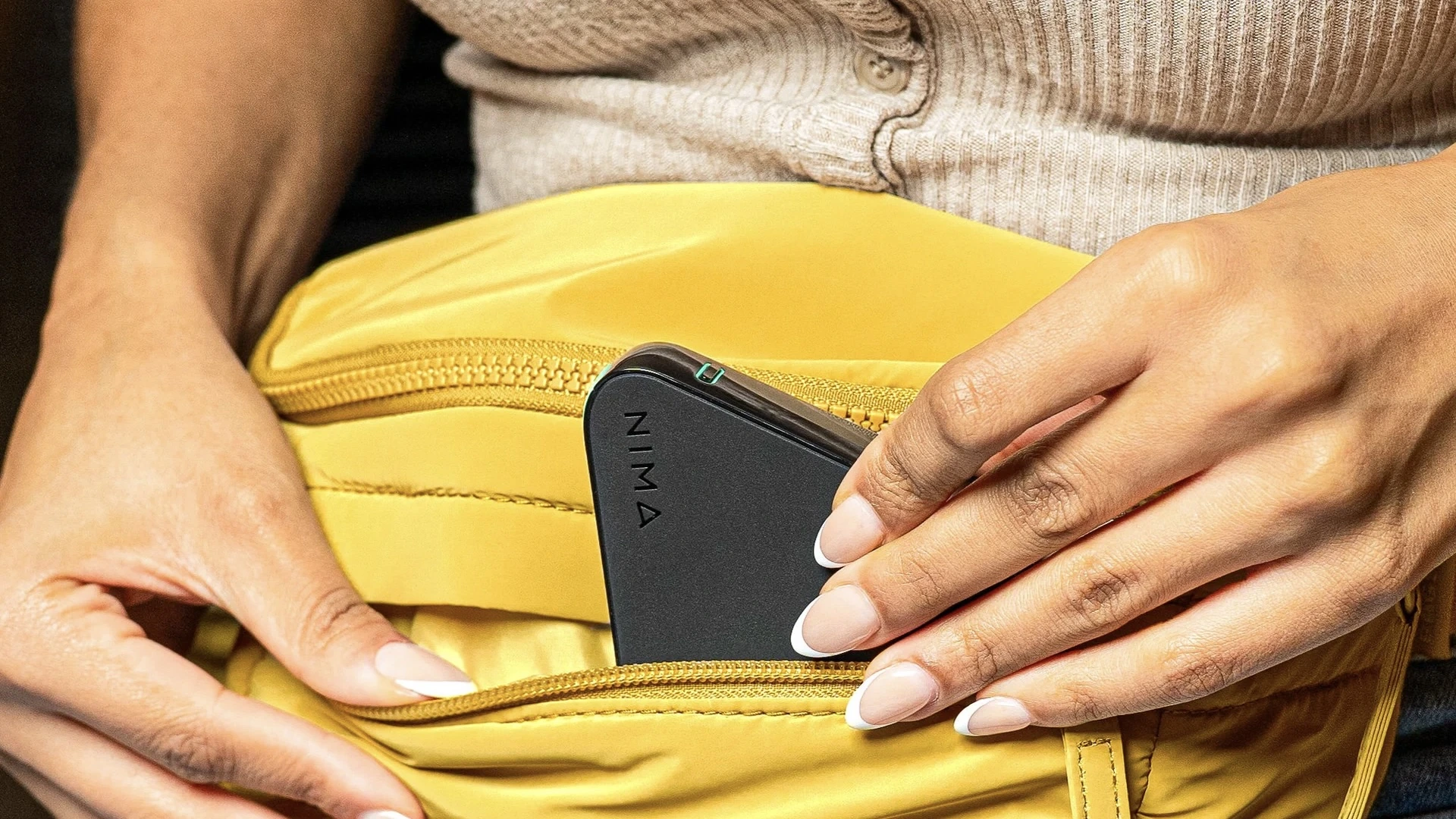
NIMA is a portable, consumer-use gluten detection sensor. You load a pea-sized sample of the food into a single-use capsule, insert it into the sensor, and get a clear result in about three minutes. The display shows a smiley face or a “gluten found” symbol, with no faint line to interpret and no judgment call to make.
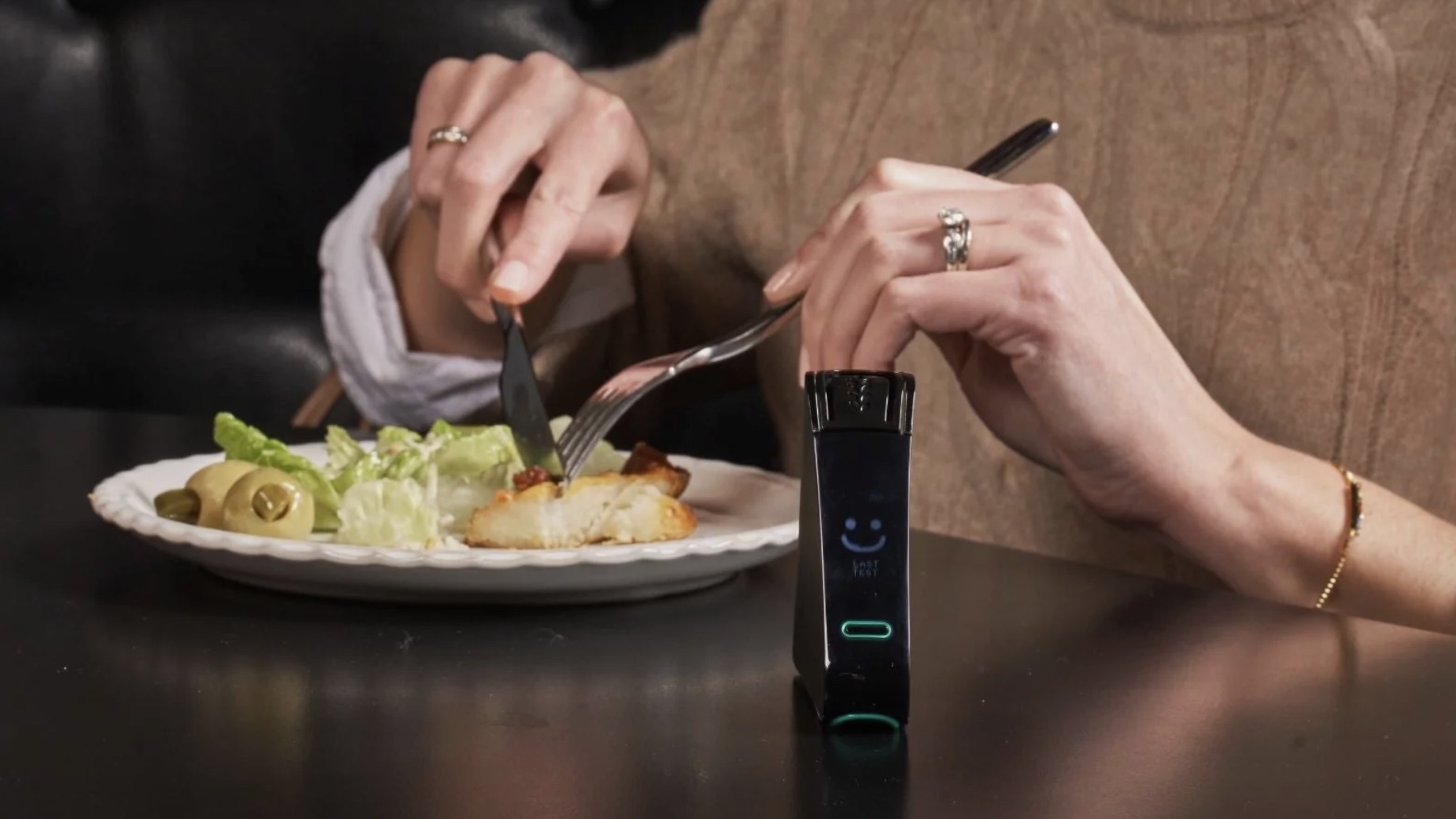
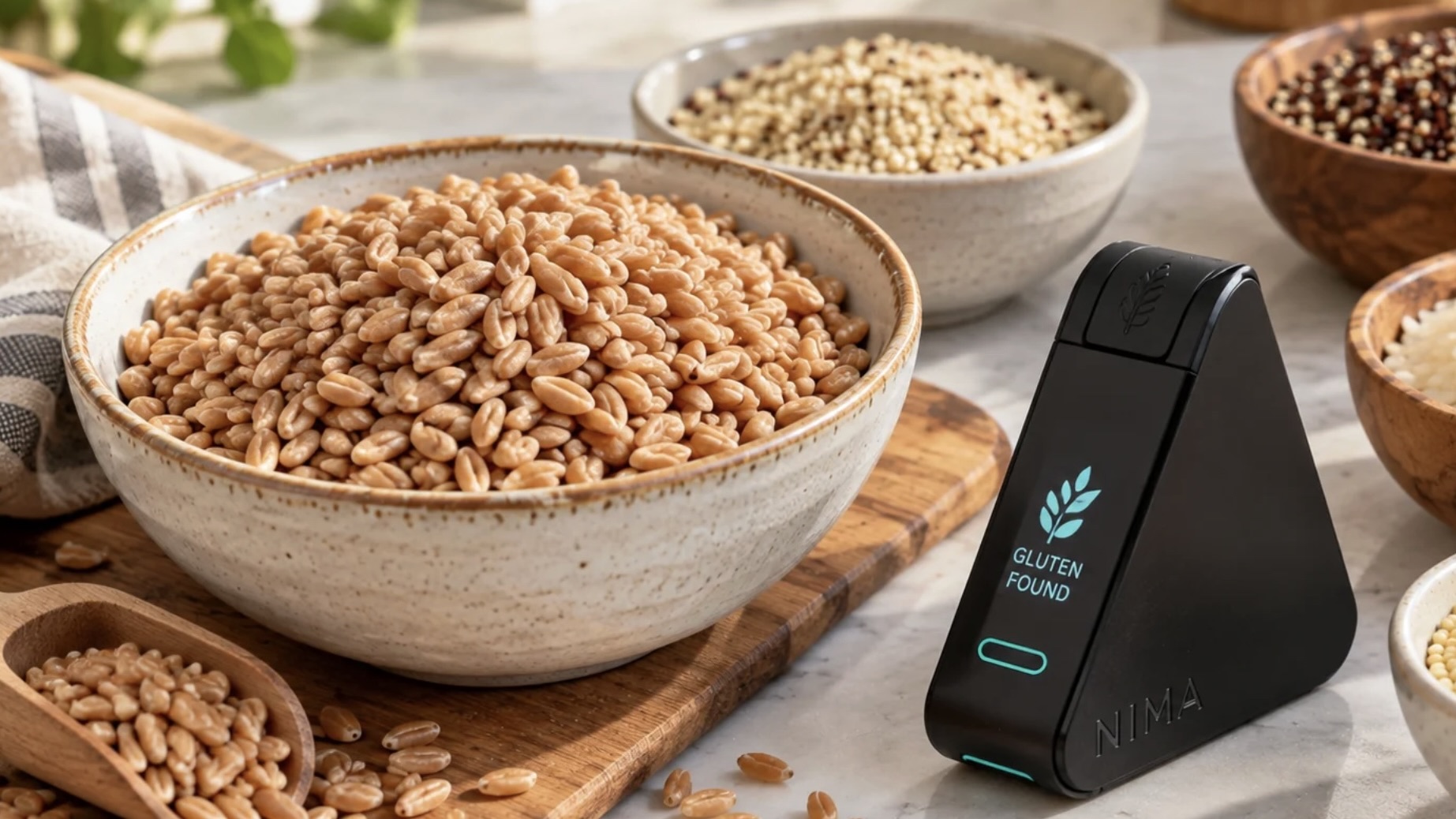
NIMA detects gluten from wheat, barley, and rye down to 10 ppm, a threshold twice as strict as the FDA’s 20 ppm labeling limit. That sensitivity means it can detect trace amounts below the level the FDA allows in food labeled gluten-free.
The device was independently validated twice by BIA Diagnostics. The first study, conducted in October 2025, tested four food matrices prepared with measured amounts of gluten. It found a 98.7% probability of detection at 10 ppm across 228 samples, benchmarked against the AOAC OMA 2012.01 and AOAC OMA 2018.05 reference methods. The second study, published in May 2026, tested 20 real restaurant meals, including 10 advertised as gluten-free and 10 standard gluten-containing. It found 99% agreement with the AOAC 2012.01 ELISA reference method across 100 samples. Among the meals sold as gluten-free, gluten was detected in 15 NIMA samples, with readings as high as 74 ppm.
One limitation matters a great deal: a result reflects only the portion tested. A smiley face means gluten was not detected above 10 ppm in that portion. It does not confirm that the whole dish is gluten-free. Sample from the parts of the dish most likely to carry cross-contact, such as the sauce, the coating, the char marks on grilled protein, or the bottom of a pizza. The teeth on the capsule cap let you dab from several areas of the plate before sealing, which increases the surface area you actually test.
NIMA also has limits with certain foods. Fermented or hydrolyzed foods, such as soy sauce, some vinegars, and hydrolyzed proteins, can break gluten into fragments the test does not reliably detect. Alcohol can interfere with the test as well, so results from beer, wine, spirits, and other drinks are not dependable. NIMA cannot detect fructans or ATIs, cannot diagnose non-celiac gluten sensitivity, and cannot establish your personal tolerance to a food. Treat a result from these categories as inconclusive rather than as a green light.
NIMA is not a medical device, a diagnostic device, FDA approved, or FDA cleared. It functions as a food-testing tool. It does not replace a doctor, a dietitian, a label, or a conversation with a kitchen. It adds a layer that returns data from the food itself.
How Prediction Layers Compare To Verification
The table below maps each layer against what it can and cannot tell you, so you can see where prediction ends and verification begins.
Layer |
What It Tells You |
What It Cannot Tell You |
|---|---|---|
Menu label |
Ingredients do not contain wheat, barley, or rye as written. The FDA’s gluten-free labeling rule does not apply to restaurant menus, though the FDA recommends restaurants meet the same definition. |
Whether cross-contact occurred in the kitchen today. |
Server conversation |
What the kitchen says about its preparation process. A clear, specific answer signals good allergen awareness. |
Whether the kitchen’s practices match its words on this shift with this staff. |
Community review apps |
Other people’s experiences at other times. Valuable, community-built, and genuinely trusted in the celiac community. |
What is on your plate right now. |
NIMA |
Whether gluten was detected above 10 ppm in the portion tested. Independently validated against the AOAC 2012.01 ELISA reference method. |
Whether the entire dish is gluten-free, because a result reflects only the portion tested. Results are not dependable for fermented or hydrolyzed foods or for alcohol. |
Strategic Ordering At A Restaurant
Choosing dishes with fewer components and simpler preparations lowers the number of cross-contact variables you have to assess. A plain grilled protein, such as chicken, fish, or steak, with a plain baked potato or plain steamed vegetables, prepared with only salt, pepper, oil, or butter and cooked on a clean surface or in a clean pan, is the safest order at a restaurant without gluten-free procedures. Simple ingredients alone do not make a dish safe. A plain protein still becomes unsafe when it is cooked on a shared grill, handled with the same tongs used for breaded food, or plated with a contaminated utensil.
The fewer variables a dish carries, the easier it is to assess. That usually means avoiding shared fryers and shared pasta water and favoring simple preparations over complex sauces and coatings. Ask for sauces and dressings on the side so you can evaluate them separately. Oil and vinegar are often safer than creamy or house-made dressings, but confirm the vinegar is not malt vinegar, which is barley-derived. When possible, order during off-peak hours, when the kitchen is less busy and more likely to give your order careful attention.
Frequently Asked Questions
How Do I Know If A Restaurant Meal Is Really Gluten-Free?
You can reduce uncertainty by researching the restaurant ahead of time, asking specific questions about cross-contact during preparation, and reading the answers for red flags. No single step functions as a guarantee. Research and conversation are predictive and tell you what a kitchen says it does. The only layer that measures the food itself is testing the actual portion on your plate.
What Does Gluten-Friendly Mean?
“Gluten-friendly” is an unregulated term with no defined standard. It typically means the kitchen will try to reduce gluten but cannot guarantee it, often because of shared equipment or shared prep space. The term does not equal gluten-free, and people with celiac disease should not treat it as equivalent.
Is A Gluten-Free Menu Label A Guarantee?
A gluten-free menu label does not guarantee safety. In the US, the FDA’s gluten-free labeling rule applies to packaged foods, not restaurant menus. The FDA does recommend that restaurants making a gluten-free claim meet the same definition, so the food should contain less than 20 ppm of gluten, but that recommendation is not a legal requirement. A menu label serves as a starting point and tells you what ingredients a dish is supposed to contain, not what happened during preparation. Cross-contact can still occur even when every ingredient on the list is gluten-free.
What Should I Do If The Server Does Not Know?
Ask to speak with a manager or the kitchen directly. If no one can answer your questions about shared fryers, prep surfaces, utensils, or sauces, consider ordering a simpler dish that involves fewer variables or choose not to eat there. A kitchen that cannot answer basic cross-contact questions has not thought through the issue, and that information should guide your choice.
Can I Test The Food Myself?
Yes. NIMA tests a small sample of the food and returns a result in minutes, and the testing section above explains its detection threshold and validation in detail. A result reflects only the portion tested, so a smiley face means gluten was not detected above the threshold in that portion. NIMA cannot detect fructans or ATIs, cannot diagnose non-celiac gluten sensitivity, and cannot establish your personal tolerance. Results are not dependable for fermented or hydrolyzed foods, such as soy sauce and some vinegars, or for alcohol. NIMA is not a medical device and does not replace dietary management or clinical care. It adds one objective data point at the moment when every other layer has reached its limit.
From “Can I Eat This?” To “I’ve Got This”
Many people with celiac disease feel like they are missing something when they still get exposed. The challenge comes from the tools themselves. Every tool in the standard gluten-free toolkit, including labels, certifications, server conversations, and community apps, functions as a prediction. None of them measures the plate in front of you, and that gap helps explain why 74% of people with celiac disease are accidentally exposed each year despite following a strict diet.
The layered approach in this guide gives you the most complete picture available before you eat. Research the kitchen before you go, ask the right questions when you arrive, read the answers for red flags, order strategically, and, when genuine doubt remains in a high-stakes moment, test the actual portion. Each layer does something the others cannot. Together, they move you from uncertainty to the clearest answer you can have.
NIMA is the layer that measures the food itself. You use a pea-sized sample, a single-use capsule, and receive a clear result in about three minutes. It is a tool and one more line of defense for the moments that matter most.
Recent News

Is Soy Sauce Gluten Free? What You Need To Know
Most soy sauce contains wheat. NIMA breaks down gluten-free options, tamari, label tips, and safe substitutes so you can eat confidently.


