



Asymptomatic Celiac Disease: What It Means Without Symptoms

You can have celiac disease and feel completely fine. That is what makes asymptomatic celiac disease so easy to dismiss. Often called silent celiac disease, it can still trigger an immune response and injure the small intestine without obvious warning signs. Diagnosis, treatment, and follow-up still matter.
An unexpected diagnosis can feel strangely disconnected from daily life. If gluten doesn't seem to change how you feel, why overhaul every meal? Symptoms are a poor measuring stick here. A steadier plan comes from medical care, careful food choices, clinical follow-up, and routines you can live with when symptoms offer no signal.
What Is Asymptomatic Celiac Disease?
Asymptomatic celiac disease means testing has confirmed the condition, yet you don't notice the symptoms people commonly associate with it. Maybe your digestion feels normal. Maybe the clues were so mild or familiar that they never registered as symptoms.
Non-classical celiac disease is different. It causes symptoms, but they may appear outside the digestive system as anemia, bone problems, fatigue, or a skin rash. With asymptomatic disease, no clear symptom pattern points you toward testing.
Feeling well offers little information about the condition of your small intestine. Symptoms and intestinal injury don't always move together. Medical testing, rather than the strength of a reaction after a meal, is what establishes the diagnosis.
The word silent can sound as if the disease itself has gone quiet. It hasn't. The term only describes the lack of recognized symptoms. Two people can feel entirely different and still show similar antibody or biopsy findings. Some people notice changes only after treatment gives them a new baseline for comparison.
Why Can Celiac Disease Cause Damage Without Symptoms?
Celiac disease is an autoimmune condition. In a genetically susceptible person, gluten sets off an immune reaction that injures the small-intestinal lining. Pain or bloating doesn't have to show up for that process to continue.
That injury can flatten or shorten the villi, tiny finger-like structures that absorb nutrients. Doctors call the change villous atrophy. The term sounds technical, but the idea is simple. You may feel normal even when medical tests show that the intestine needs time and treatment to heal.
Hidden damage sounds scary. Better feedback makes it manageable. Bloodwork, specialist guidance, dietitian support, and follow-up can tell you far more about healing than waiting for a bad day.
Damage to the small intestine can interfere with nutrient absorption, so clinicians may check for anemia or low vitamin and mineral levels even when meals never cause immediate discomfort. Bone health may come up too. Your history, test results, and care plan will shape which checks make sense.
How Is Asymptomatic Celiac Disease Diagnosed?
Doctors diagnose celiac disease by combining medical and family history with blood tests and, in many adults, a biopsy of the small intestine. Symptoms alone cannot confirm or rule out the condition. The NIDDK diagnosis guidance warns against starting a gluten-free diet before testing because doing so can change the results.
Your age, antibody results, history, and specialist guidance all shape the diagnostic path. A home food test has no role in diagnosing celiac disease or checking whether the intestine has healed. NIMA has a narrower job. It tests one food sample for gluten.
A surprise diagnosis is easier to process when you can see the evidence behind it. Ask which tests were positive, what the biopsy found, and what follow-up your clinician recommends. Those answers turn an abstract label into a care plan and help you avoid changing your diet because of one result viewed in isolation rather than as part of the full picture.
Who Should Be Screened Without Symptoms?
The American College of Gastroenterology recommends considering testing for people with a first-degree relative who has celiac disease, including people without symptoms. Type 1 diabetes and other associated conditions may affect screening decisions too.
The U.S. Preventive Services Task Force found insufficient evidence to recommend for or against routine screening for all people without symptoms. Risk factors still deserve a conversation. A clinician can weigh your family history, age, past results, and other health concerns before recommending whether to test now, later, or again.
Which Tests Are Used to Confirm Celiac Disease?
A common first step is a blood test for tissue transglutaminase IgA, usually written as tTG-IgA. Clinicians may measure total IgA because IgA deficiency can make an IgA-based result harder to interpret. Other antibody tests may be useful in specific situations.
For many adults, confirmation involves an upper endoscopy with biopsies from the small intestine. You'll be sedated while a gastroenterologist passes a slim camera through the mouth and collects tiny tissue samples. Diagnostic pathways may differ for children and for people whose results fall outside the usual pattern.
A positive food test is not part of this diagnostic sequence. It tells you about the tested food sample, not your antibodies, genes, or intestinal lining.
Why Should You Keep Eating Gluten Before Testing?
Cutting out gluten too soon can lower celiac-related antibodies and let intestinal changes begin to heal, which can lead to a false-negative or unclear result. If you're being evaluated, ask your healthcare professional what to eat before testing and for how long.
A gluten challenge belongs under clinical guidance. The right amount and timing vary, especially if gluten causes significant symptoms or other health concerns. Feeling better after cutting it out can be useful information, but that alone doesn't confirm celiac disease.
Should You Treat Asymptomatic Celiac Disease?
Yes. Once celiac disease is properly diagnosed, standard treatment is a strict, lifelong gluten-free diet even when symptoms are absent. Treatment goes beyond preventing discomfort. It stops the immune reaction, supports intestinal healing, and lowers the risk of nutrition and bone-health problems.
That diet can feel demanding when your body offers no immediate feedback. An accidental exposure may pass without a warning, but careful choices bring no obvious reward. The disconnect is real. Practical systems and professional support can keep it from draining your motivation.
Willpower is a lousy long-term plan. Keep a short list of dependable meals, learn the label terms that matter, and note which restaurants answer cross-contact questions clearly. Repetition may feel dull at first. Over time, it turns a complicated treatment into a routine you can maintain.
What Research Says About Treating People Without Symptoms
A randomized clinical trial followed 40 adults who considered themselves asymptomatic and had positive endomysial antibody results. After one year, the group following a gluten-free diet showed better small-intestinal structure and lower celiac-related antibody levels than the group continuing to eat gluten. Some participants recognized mild symptoms or improved well-being only after treatment.
The study was small and involved a selected group, so its results shouldn't be treated as a universal promise. Still, the takeaway is useful. Treatment can provide measurable benefits even when symptoms aren't obvious.
Why a Strict Gluten-Free Diet Still Matters
For someone with celiac disease, a gluten-free diet is medical treatment. Occasional exposure may keep the immune response active without causing a reaction you can feel. Consistency matters more than whether one meal seemed fine.
A registered dietitian who understands celiac disease can help you find hidden gluten, build a balanced diet, and make the plan workable at home and away. NIDDK treatment guidance notes that follow-up may include antibody testing, nutrition checks, bone-health assessment, or another biopsy when a clinician believes it is needed.
How Do You Manage Celiac Disease Without Symptoms as Feedback?
When symptoms can't guide you, a repeatable system can. Four habits keep it grounded.
-
Stay current with clinical follow-up.
-
Keep a strict gluten-free diet.
-
Prevent cross-contact.
-
Record the routines that work.
The aim is to make safer decisions feel more automatic without turning every meal into an investigation.
Use the same system at home, in restaurants, and while traveling. Leave room for real life too. Careful decisions help, but no label, question, or tool can provide perfect certainty.
Use Clinical Follow-Up Instead of Waiting for Symptoms
Keep the appointments on your calendar, even when you feel well. Depending on your case, your healthcare professional may review antibody trends, iron and vitamin levels, bone health, diet adherence, or intestinal healing as treatment continues over time. Those measures provide the feedback your symptoms can't.
Bring a few pointed questions. What should improvement look like for you? When is repeat testing useful, and which nutrient checks apply? Tell your care team if staying gluten-free feels frustrating or isolating. The plan has to support your quality of life and your health.
A simple record can help your care team see the bigger picture. Note major diet changes, known accidental exposures, supplements, and follow-up results. There's no need to track every bite. You are capturing context, including patterns that symptoms can't reveal.
Can Food-Test Records Replace Symptom Tracking?
A food-test record can document meal-level results, but it cannot show whether celiac disease is active or the small intestine has healed.
The NIMA Now app logs sensor results automatically. For someone with asymptomatic celiac disease, that record preserves information symptoms cannot provide after a meal. Pair each result with a short note about the food, location, and questions you asked before eating. Over time, the record can sharpen your label and restaurant routines without turning it into a medical scorecard.
Bring health questions to your healthcare professional and dietary patterns to a registered dietitian. NIMA results apply only to the food portion tested, so clinical follow-up remains the right place to assess antibodies, nutrition, and intestinal healing.
Prevent Hidden Gluten and Cross-Contact
Start with habits you can repeat. Read labels every time, choose certified gluten-free products when appropriate, and keep preparation surfaces and utensils clean. In restaurants, ask about shared fryers, grills, cutting boards, sauces, and airborne flour. Staff and recipes change, even at familiar places.
The more accurate term for gluten moving from one food or surface to another is cross-contact. Risk can be uneven across a plate, which matters when only one bite or one area is tested. NIMA'sguide to cross-contact explains the kitchen and restaurant situations that deserve closer attention.
Simple routines cut down on decision fatigue. Keep trusted staples nearby, save notes about restaurants that communicate clearly, and decide what answers you need before ordering. If the kitchen can't give you enough information, choosing something else is reasonable.
At home, look for the spots where crumbs and shared tools keep causing trouble. A separate toaster, clean cutting boards, clearly labeled spreads, or a dedicated strainer can remove common sources of cross-contact. Pick a setup your whole household can follow without constant reminders.
Know Where a NIMA Food Test Fits
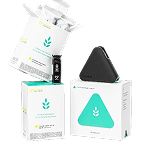
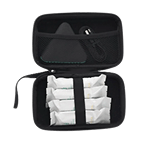
After label reading, kitchen questions, and a preparation check, a NIMA food test can add one more data point. Put a representative pea-sized portion into a single-use capsule, and the sensor returns a result in about three minutes. Independent testing found a 98.7% probability of detection at 10 ppm across tested food matrices containing gluten from wheat, barley, and rye.
Sampling limits matter. A result applies only to what went into the capsule, and gluten elsewhere in the dish may be missed when contamination is uneven. Don't test fermented or hydrolyzed foods or alcoholic beverages because the results aren't reliable. A negative result adds information, but it can't guarantee that the entire meal contains no gluten.
Choose the sample with care. Small bits from different parts of the same meal can make one pea-sized portion more representative, as long as you stay within the capsule instructions. When separate components need separate answers, use a fresh single-use capsule for each test.
Use NIMA as an additional tool in your gluten-free toolkit, not as a replacement for medical guidance, certified products, label reading, or restaurant communication. Review NIMA'sresponsible-use guidance before testing so you understand food limitations, sampling technique, and result interpretation.
Common Questions About Silent Celiac Disease
Questions come quickly when celiac disease doesn't give you the feedback you expected. These short answers can help you prepare for a more useful conversation with your healthcare professional.
Can You Have Celiac Disease and Feel Completely Fine?
Yes. Confirmed celiac disease can exist without obvious digestive or non-digestive symptoms. Estimates of how many people are symptom-free vary with the population studied and the way researchers define symptoms, so one percentage can't describe everyone.
Some people only realize after treatment that mild fatigue, bloating, or another long-standing issue had become their normal. Others feel much the same. Neither experience shows whether the small intestine was injured or has healed.
That uncertainty can wear on you, especially when other people expect illness to look obvious. Visible symptoms aren't required to justify your care plan. A confirmed diagnosis gives you enough reason to take the diet and follow-up seriously.
Should First-Degree Relatives Be Tested Without Symptoms?
Close blood relatives face a higher chance of celiac disease than the general population, so they should discuss screening with a healthcare professional. Families don't share one universal testing schedule. Age, prior results, new symptoms, associated conditions, and family history can all change the timing.
Keep gluten in the diet until testing is complete or your clinician tells you to stop. A relative who already eats gluten-free may need a different diagnostic plan. Professional guidance matters even more in that situation.
Manage Asymptomatic Celiac Disease With More Clarity
Without symptoms, you lose one feedback signal. You still have a plan. Clinical follow-up can track healing, and a strict gluten-free diet protects the small intestine. Careful food routines, clear restaurant questions, and optional food testing can help you handle uncertainty without letting it run the meal.
If you suspect celiac disease or have a family risk, talk with a healthcare professional before changing your diet. Already diagnosed? Review NIMA'sresponsible-use guidance to see how food testing might fit into the rest of your toolkit and add useful information at home, in restaurants, or while traveling.
Recent News

Is Bulgur Gluten Free? Why It Contains Gluten and What to Eat Instead
Bulgur is a form of wheat, so it is not gluten free. This guide explains where it appears, how to read labels and menus, and which naturally gluten-free grains can replace it in salads, pilafs, soups, and other recipes.


