

Celiac Disease Medications to Avoid: What Patients and Caregivers Need to Know

No universal list of celiac disease medications to avoid exists. Most oral medicines contain no gluten or virtually no gluten. Still, the exact formulation matters. Check the inactive ingredients, manufacturer, strength, dosage form, and National Drug Code (NDC) whenever a label is unclear or a refill looks different.
Never stop a prescribed medicine because of an online list or an unfamiliar ingredient. Your prescriber or pharmacist can help you work out whether the concern is gluten, a side effect, an interaction, or something unrelated.
The Short Answer: Most Medications Are Not Automatically Off-Limits
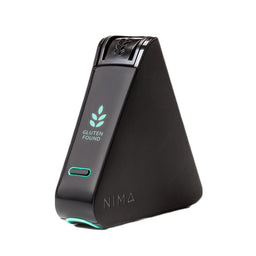
A gluten sensor is designed for food, not medications. For most people with celiac disease, medications are not automatically off-limits. Questions about gluten in medications, including gluten in prescription drugs, require an exact-product check.
FDA's medication and gluten guidance says most oral drug products contain no gluten or virtually no gluten. The agency is unaware of any oral drug currently sold in the United States with wheat gluten or wheat flour intentionally added as an inactive ingredient.
The details still count. Two tablets with the same active drug may use different fillers, coatings, colors, or flavorings. A brand-name tablet, a generic capsule, and a flavored liquid can all have different inactive ingredients.
Medication questions tend to blend two separate concerns. One is the possibility of a gluten-derived ingredient in a particular product. The other is a drug that causes digestive symptoms or an intestinal condition that resembles celiac disease. Each calls for a different response.
If you are searching for medications to avoid with celiac disease, a product-level check gives you a useful answer without putting needed treatment at risk. Look at the medicine in your hand, then bring any gaps to a pharmacist or prescriber.
Why a Medication Can Be a Concern With Celiac Disease
Every medicine has an active ingredient that produces the intended effect. Inactive ingredients, often called excipients, help form, protect, color, flavor, or dissolve the product. Their sources can vary even when the active drug stays the same.
Oral tablets and capsules deserve the closest look because you swallow them. Injected, inhaled, topical, and eye medications raise different exposure questions. A topical product may still need attention if it can reach the mouth, be swallowed, or transfer from your hands.
Ask a pharmacist which ingredients and contact routes matter for the exact product you use. Advice written for a tablet should not be stretched to cover every dosage form.
Gluten in Inactive Ingredients
Wheat starch is the clearest ingredient that needs follow-up. The FDA has identified very few oral drugs containing wheat starch and says corn or potato starch is used more often. Even when wheat starch is present, the agency expects very little gluten, if any, in the ingredient or finished medicine.
Broader terms such as starch, pregelatinized starch, modified starch, dextrin, or dextrates do not prove that a product contains gluten. They tell you the source may need checking. Start with the official label, then ask the pharmacist or manufacturer if the grain source is missing.
Lists of gluten-free medications go stale. Suppliers change, formulations are updated, and a list found online may refer to another manufacturer. Treat it as a lead, then confirm the product you actually received.
Same Drug, Different Manufacturer or Formulation
An active drug name cannot confirm gluten status on its own. Match the manufacturer or distributor, strength, dosage form, inactive ingredients, and NDC. Use the NDC to identify a specific drug product and package.
Compare a refill with your record if the pill looks different, the pharmacy changes manufacturers, or you switch from a tablet to a liquid or chewable. An answer from the previous fill may no longer apply. Take a quick photo of the label so you can check the details later.
For a medicine you take regularly, ask the pharmacy whether it can keep the same verified manufacturer on file. Availability and clinical needs can change, so let the pharmacist and prescriber guide any substitution.
If the pharmacy cannot confirm the manufacturer before filling the prescription, ask what will appear on the dispensing label and package. Find out when the NDC and inactive ingredients will be available to review.
That gives you a concrete checkpoint without turning a routine refill into an open-ended search.
Medication Categories That Deserve Extra Attention
Some situations deserve a closer look, but they do not create a universal stop list. The exact product, your symptoms, and your medical history should guide the conversation.
Olmesartan and Sprue-Like Enteropathy
The connection between olmesartan and celiac disease is often misunderstood. Olmesartan treats high blood pressure and can cause a rare condition called sprue-like enteropathy. This medication-induced celiac-like illness can cause severe, ongoing diarrhea, substantial weight loss, and intestinal changes.
Because those changes can resemble celiac disease, readers may confuse drug-induced enteropathy with celiac sprue and celiac disease. Gluten in the tablet is a separate issue.
Symptoms may begin months or years after treatment starts. FDA's drug safety communication tells people taking olmesartan to contact a healthcare professional right away for severe diarrhea that does not go away or significant weight loss.
Do not stop blood pressure treatment on your own. A clinician may evaluate celiac disease and other possible causes before deciding whether the medicine should change. That distinction matters when symptoms continue even with a strict gluten-free diet.
NSAIDs and Gastrointestinal Symptoms
Ibuprofen and other nonsteroidal anti-inflammatory drugs (NSAIDs) are not universally prohibited for people with celiac disease. FDA medication guides warn that NSAIDs may cause stomach pain, nausea, ulcers, or bleeding. Dose, frequency, other medicines, and your health history affect the risk.
If you are wondering what painkillers a person with celiac disease can take, ask a clinician or pharmacist what dose and duration fit your situation. Find out which warning signs need prompt care and whether another option makes more sense for you.
For ibuprofen, run both checks. Verify the inactive ingredients in the exact product and ask whether the medicine itself is appropriate for you. A gluten-free formulation does not answer questions about kidney disease, bleeding risk, ulcers, interactions, pregnancy, or other individual factors.
Supplements, Vitamins, and Compounded Medicines
Supplements and compounded products may follow different labeling and manufacturing processes from standard prescription drugs. Chewables, gummies, flavored liquids, powders, and products with starch-based fillers need a product-specific check. When possible, verify the exact product and batch.
For a compounded medicine, ask the compounding pharmacy about every ingredient it adds, including flavors, fillers, and capsule materials. Keep the pharmacy's answer with the prescription details. A new batch or recipe may deserve another check, especially if the appearance or instructions change.
Questions about vitamins for celiac disease start with a diagnosed need, not a label alone. A gluten-free label does not tell you whether a supplement is useful or suitable. Ask a healthcare professional to identify any nutrient deficiency and recommend the product and dose that fit your needs.
How to Check Whether a Medication Is Gluten-Free
Use the same process every time. Identify the exact product, inspect official labeling, ask the pharmacist, contact the manufacturer if an ingredient source remains unclear, and record the answer. Manufacturer and formulation changes make static internet lists unreliable.
Tell your pharmacy that your gluten-free diet is medically necessary. That context explains why a proposed substitution, different dosage form, or new manufacturer needs a fresh review.
Read the Exact Label and Match the NDC
For an over-the-counter medicine, start with the inactive ingredients section on the Drug Facts label. For a prescription drug, check the Description section of the official labeling. Match the product name, manufacturer or distributor, strength, dosage form, and NDC to the package you have.
DailyMed provides current labeling submitted to the FDA and lets you search by product name or NDC. Similar names can lead to the wrong strength or manufacturer, so compare every identifying detail with your package.
A label review should answer these questions.
-
Which inactive ingredients are present?
-
What is the source of any starch or grain-derived ingredient?
-
Does the label match the exact product that was dispensed?
Take any missing answer to a pharmacist or the manufacturer. Guessing only adds uncertainty.
Ask a Pharmacist or Manufacturer the Right Questions
A direct script can save time. Try, "I have celiac disease and need to avoid gluten. Can you verify the source of every starch or grain-derived inactive ingredient in this exact product?" Share the manufacturer, strength, dosage form, and NDC so the answer stays tied to your formulation.
Ask whether the formulation is current, whether supplier information is available, and how the company handles shared equipment or cross-contact. Note the date, product, person contacted, and answer. Recheck after a change in manufacturer, appearance, strength, or dosage form.
Can You Use a Gluten Sensor to Test Medication?
No. Responsible use of a gluten sensor means keeping it to its intended job: testing a representative food sample, not pills, capsules, vitamins, supplements, or medicine. Checking a medication requires the exact label, manufacturer, strength, dosage form, and NDC because inactive ingredients can vary between products.
Keeping those jobs separate gives you a clearer routine. Bring medicine questions to a pharmacist or prescriber, then use NIMA as an added food check when a meal still leaves you uncertain. NIMA's guidance says each result applies only to the portion tested and does not replace medical care.
What to Do if You Suspect a Medication Is Causing Symptoms
Contact the prescriber or pharmacist when symptoms begin after you start a medicine, change the dose, or receive a different refill. Seek prompt medical help for severe or persistent diarrhea, significant weight loss, dehydration, bleeding, allergic symptoms, or anything that feels urgent.
Digestive symptoms have many possible causes. Food-specific questions, such as foods to avoid with celiac disease, belong in a separate part of your care plan. Side effects, interactions, dose changes, another gastrointestinal condition, and dietary exposure can look similar.
Not every digestive symptom that occurs after taking a medication means gluten exposure. GI symptoms such as diarrhea, nausea, constipation, or abdominal discomfort can have many causes, including medication side effects. Looking at the timing of symptoms and discussing them with a healthcare professional can help prevent unnecessary dietary or medication changes.
A healthcare professional can review the timing and decide what needs evaluation.
Bring a short log to that conversation. Record the medicine and dose, manufacturer, NDC, symptom timing, meals, and other recent changes. You are giving your care team a clearer pattern to assess, not trying to diagnose the cause yourself.
If possible gluten exposure is adding to your stress, NIMA's guide to easing the anxiety of being glutened offers practical support for the food side of daily life. Keep medication questions with your pharmacist and prescriber.
Medication Safety Checklist for Patients and Caregivers
Save this checklist and use it whenever you start a medicine or pick up a refill.
-
Confirm the exact drug name and strength.
-
Check the dosage form, such as tablet, capsule, liquid, or chewable.
-
Record the manufacturer or distributor.
-
Match the NDC on the package or pharmacy label.
-
Review the current inactive ingredients.
-
Ask about the source of any starch or grain-derived ingredient.
-
Have the pharmacist confirm unclear information with the manufacturer.
-
Document the answer and recheck after any product change.
Caregivers can add two refill safeguards. Compare the pill's appearance and manufacturer with the previous supply, and ask before accepting a substitution. Keep the prescriber and pharmacy contact details with the medication list so a question does not become a last-minute scramble.
If a refill no longer matches your record, ask the pharmacist before the first dose. For time-sensitive treatment, call the pharmacist or prescriber right away instead of delaying care on your own.
NIMA's parent guide to celiac disease and gluten safety can help families organize the food-related parts of care. Label reading and food-testing tools have a clear boundary here. They do not replace medical advice.
Build a Safer Gluten-Free Routine Without Stopping Needed Treatment
Most questions about celiac disease medications to avoid can be resolved while needed treatment continues. Match the exact formulation, ask the right professional, and keep the answer with your medication record. Calm. Clear. Repeatable.
NIMA supports the food side of your gluten-free routine, but it cannot test a pill, capsule, vitamin, supplement, or medicine. Explore NIMA's food-testing technology as a tool for meals, and rely on pharmacists and prescribers for medication decisions.
Save the medication checklist for your next refill. NIMA has a different role at mealtime. Its portable sensor checks a representative food sample for gluten in about three minutes, giving you one more data point before a bite.
Keep pharmacists and prescribers in charge of medicine decisions, then see how NIMA tests food before deciding whether it belongs in your routine.
Recent News

Is Bulgur Gluten Free? Why It Contains Gluten and What to Eat Instead
Bulgur is a form of wheat, so it is not gluten free. This guide explains where it appears, how to read labels and menus, and which naturally gluten-free grains can replace it in salads, pilafs, soups, and other recipes.


