

Is Bulgur Gluten Free? Why It Contains Gluten and What to Eat Instead
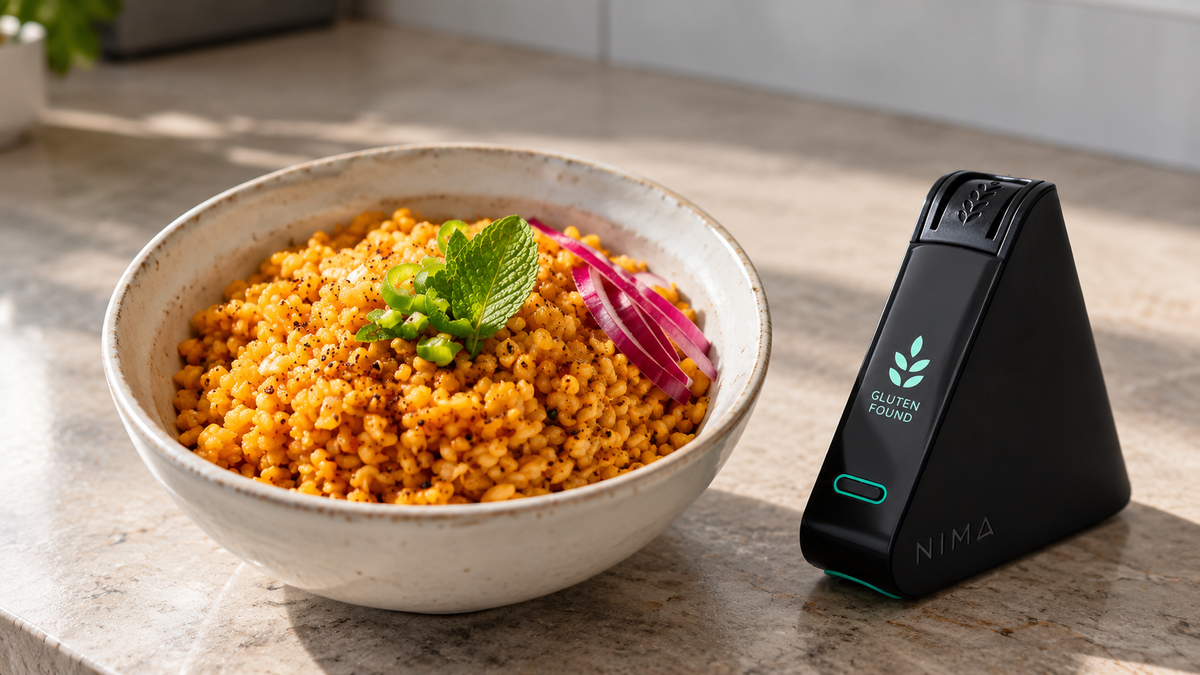
Is bulgur gluten free? No. Bulgur is made from wheat, usually durum wheat, so it naturally contains gluten. If you have celiac disease, non-celiac gluten sensitivity, or a wheat allergy, leave it off your plate and reach for a gluten-free grain instead.
That swap is easier than it sounds. Quinoa can cover tabbouleh, rice works in pilafs and fillings, and chewier grains such as buckwheat or sorghum suit hearty bowls. Keep the herbs, dressings, and comforting dishes you enjoy. Change only the grain. Start by learning how to spot bulgur on packages and menus.
Bulgur Is Not Gluten Free
Does bulgur contain gluten? Yes, because bulgur is wheat. You do not need a gluten sensor to confirm a known wheat ingredient. Can people with celiac disease eat bulgur? No. People with non-celiac gluten sensitivity or a wheat allergy should not eat it either. Fine, medium, coarse, and extra-coarse bulgur all get the same answer.
If an ingredient list names bulgur, you're done checking. Choose another grain.
Does cooking remove gluten from bulgur? No. Boiling, soaking, or steaming changes bulgur's texture, but the gluten proteins remain. Sprouting doesn't remove them either. Organic and whole-grain versions contain gluten too, regardless of how wholesome the package sounds.
What Bulgur Is and Why It Contains Gluten
What is bulgur wheat? It starts as whole wheat kernels. Producers parboil the kernels, dry them, then crack or grind them into pieces. Manufacturers often use durum wheat. This partial cooking helps bulgur cook faster at home.
Convenient. Still a gluten-containing wheat product. Parboiling prepares the food and changes its cooking behavior without separating the gluten proteins from wheat.
You may see fine, medium, coarse, or extra-coarse bulgur. Those words describe particle size. Fine bulgur slips neatly into tabbouleh. Coarser pieces hold up in pilafs, soups, and fillings.
Cracked wheat is a close relative, though it isn't always processed the same way. Bulgur is usually parboiled before cracking. Other cracked wheat may skip that step and take longer to cook. Either way, it's wheat, and a different processing order doesn't make it suitable for a gluten-free diet.
Packages often spotlight terms such as whole grain, ancient grain, organic, and sprouted because they tell shoppers something about sourcing or processing. None of those labels makes bulgur gluten free.
Where Bulgur Hides on Labels and Menus
Start with the ingredient list. Look for bulgur, bulgur wheat, durum bulgur, cracked wheat, or burghul. Spellings vary by region, so ask when a label or menu description leaves you unsure.
On packaged foods in the United States, wheat must be declared as a major allergen. The FDA's gluten-free labeling rule bars an intentionally added gluten-containing grain, such as unprocessed wheat, from food labeled gluten free. Check for a Contains Wheat statement, then read the full ingredient list anyway. A front-label claim never replaces a full ingredient check. Restaurant foods may present the information differently.
Restaurant menus may leave out details. Bulgur turns up in tabbouleh, kisir, pilafs, grain bowls, soups, kibbeh, and some stuffed vegetables. A vague "grain salad" may use it without saying so, especially when the menu focuses on herbs or vegetables instead of the base.
Ask two questions. What grain did the kitchen use? How did staff prepare it? If you're wondering, "Is bulgur pilaf gluten free?" the answer is no when the pilaf uses bulgur.
If the server says bulgur or cracked wheat, choose something else. If the grain is quinoa or rice, ask about broth, sauces, seasonings, utensils, and prep surfaces. NIMA's guide to foods that contain gluten can help you catch other wheat, barley, or rye ingredients served with the grain.
Recipe names are clues, not complete ingredient lists. One tabbouleh may use traditional bulgur. Another kitchen may build its version around quinoa or finely chopped cauliflower. A stuffed pepper could contain rice at home and bulgur at a restaurant.
What Can a Gluten-Free Label Tell You That a Test Cannot?
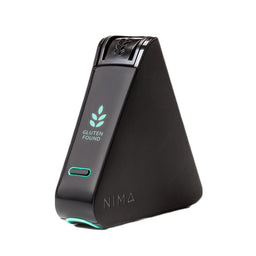
A gluten-free label and a NIMA test answer different questions, so one should not replace the other. A label helps you screen packaged food before you buy it. NIMA checks a pea-sized sample of a suitable food at the point of eating.
If the label names bulgur, cracked wheat, or another known gluten ingredient, the decision is already clear. Choose something else. For a certified gluten-free product you trust, NIMA says routine testing is not needed. Save the sensor for a dish expected to be gluten free when uncertainty remains after label reading and restaurant questions.
Best Gluten-Free Alternatives to Bulgur
Pick a bulgur substitute for the dish in front of you. Grain size matters. Texture does too.
Consider how the cooked grain will handle dressing or broth. A good swap for a lemony herb salad may be too soft or firm for a chewy pilaf. Match the dish first, then adjust the seasoning and cooking time for the new grain.
When choosing a gluten-free alternative, it can also be helpful to consider the nutritional differences between grains. Quinoa, buckwheat, and sorghum can provide more protein and/or fiber than some refined grain products, while rice can still be a nutritious option depending on the overall meal. Choosing a variety of gluten-free grains can help keep the diet more diverse.
Which grain has no gluten? Several gluten-free grains are available. The Whole Grains Council lists quinoa, rice, wild rice, buckwheat, millet, and sorghum. Cross-contact can occur during production, transport, storage, and manufacturing, so a package labeled or certified gluten free gives you a more controlled starting point.
Quinoa for Tabbouleh, Salads, and Bowls
For a bulgur vs. quinoa gluten-free comparison, quinoa is the clear choice because bulgur is wheat. Quinoa is an easy stand-in for fine bulgur. The small grains catch lemon juice, olive oil, herbs, and chopped vegetables. Quinoa makes a natural base for gluten-free tabbouleh and cold salads. Its mild flavor keeps parsley, mint, tomato, and citrus at the front.
Cook it until tender. Cool it fully before dressing.
Spreading the quinoa on a tray lets steam escape and keeps the salad light instead of clumpy, even when you're preparing it ahead for lunch or a gathering. Follow the package directions for rinsing, since some quinoa is sold pre-rinsed. NIMA's guide to gluten-free quinoa covers label and cross-contact questions in more detail.
Quinoa is naturally gluten free, but it is still important to check the packaging if cross-contact is a concern. This is especially relevant for bulk or packaged products that may be processed alongside gluten-containing grains.
Brown Rice or Wild Rice for Pilafs and Stuffed Dishes
Brown rice has a mild flavor and enough bite to replace medium or coarse bulgur in pilafs, soups, and stuffed vegetables. It absorbs broth, spices, and tomato without overpowering the dish.
Wild rice is chewier and works well in hearty soups or savory fillings. Start with plain rice when you can. Seasoned mixes sometimes include wheat pasta, broth, or flavorings, so check the whole ingredient list and see NIMA's gluten-free rice guide for notes on different varieties.
Buckwheat Groats, Millet, or Sorghum for Texture
Is buckwheat gluten free? Yes. Its name is misleading, but buckwheat is naturally gluten free. Toasted buckwheat groats taste nutty and stay firm in grain bowls, pilafs, and soups. Their flavor is bolder than bulgur, which makes them especially good with roasted vegetables or a punchy dressing.
Millet cooks soft. Sorghum keeps a pleasant chew when you want something closer to coarse bulgur.
Buckwheat and sorghum hold their shape in sturdy grain bowls. Millet works well in sides, porridges, or soups that need a softer texture. All three are naturally gluten free. Packaging, labels, and preparation still count when cross-contact is a concern.
How Should You Sample a Mixed Grain Dish for Gluten?
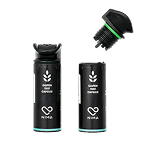
For a mixed grain dish that should be gluten free, combine tiny portions from several areas into one representative pea-sized sample. NIMA uses one single-use capsule per test, and the result applies only to the portion inside it.
Pull from separate parts of the grain dish, keeping the combined sample about pea-sized. Check NIMA's How It Works guidance before testing sauces or foods that need special handling. This method covers more of the meal without turning one result into a claim about the entire plate. Do not test known bulgur. Sampling is for foods expected to be gluten free after label checks and restaurant questions.
When a Gluten-Free Grain Dish Still Needs a Second Look
Replacing bulgur handles the known wheat ingredient, but it doesn't settle every question about the complete dish or the kitchen that prepared it. Check the complete dish and how the kitchen prepared it. Quinoa salad and rice pilaf can pick up gluten from broth, sauces, spice blends, shared utensils, or a surface used for wheat.
At home, begin with clearly labeled ingredients and clean equipment. In a restaurant, ask which grain was used, whether the broth and seasonings are gluten free, and how staff handle the dish.
Shared gear matters too. A strainer, cutting board, serving spoon, or grill surface can carry gluten even when the grain itself is fine. Specific questions will get you further than a broad question about whether something is "gluten-free friendly."
Be cautious with bulk bins. Scoops travel, and a stray scoop can carry crumbs or grain from the neighboring container. Sealed packages with clear gluten-free labeling or recognized certification offer more control when cross-contact matters to you.
Seasoned grains need the same scrutiny. A plain grain may be naturally gluten free, but a boxed mix or restaurant version can contain wheat noodles, malt seasoning, or unconfirmed broth. Recipes and suppliers vary. Check the complete product or dish instead of relying on the grain named in the title.
A steady routine beats constant second-guessing. Confirm the ingredient, check the preparation, then make the choice that fits your medical needs and comfort level.
Where NIMA Fits in Your Gluten-Free Toolkit
You don't need NIMA to decide whether bulgur fits a gluten-free diet. Bulgur is a known wheat ingredient, so choose another grain. No test result should override a clear ingredient label, a kitchen warning, or guidance from your care team.
NIMA can add a data point when a dish is expected to be gluten free and some uncertainty remains after you've read the label or talked with the restaurant. NIMA's Responsible Use guide places the sensor inside a broader routine that includes medical guidance, label reading, certification, restaurant communication, and cross-contact awareness. That boundary matters here because known bulgur should be avoided, not tested in hopes of a different answer.
The sensor checks a representative pea-sized sample, and the result applies only to that sample rather than every bite, edge, topping, or sauce on the plate. Gluten can be unevenly distributed across a meal, especially when exposure comes from a shared grill, utensil, or sauce. NIMA's How It Works page explains how to sample from different areas and why one test can't guarantee that the entire dish is gluten free.
In that setting, NIMA gives you another data point before your first bite. Calm. Clear. Informed.
Bulgur and Gluten FAQs
These quick answers cover common questions about bulgur and gluten.
Is Bulgur Wheat Gluten Free?
No, bulgur wheat is usually made from durum wheat and contains gluten. Fine, medium, coarse, and extra-coarse labels describe the size of the pieces. The grind changes texture and cooking time, not its suitability for someone who follows a medically necessary gluten-free diet.
Is Cracked Wheat Gluten Free?
No. Cracked wheat is still wheat. Bulgur is usually parboiled before it is cracked. Other cracked wheat may skip that step, but both contain gluten.
Is Tabbouleh Gluten Free?
Is quinoa tabbouleh gluten free? It can be when quinoa replaces bulgur and every other ingredient and preparation step is gluten free. Traditional tabbouleh usually contains bulgur and isn't gluten free. Quinoa or cauliflower rice can replace the grain, and the herbs, lemon, tomato, and olive oil can stay. Confirm every ingredient and ask about preparation when you're ordering out.
Can Cooking Make Bulgur Gluten Free?
No. Cooking, boiling, soaking, or steaming changes the texture without removing gluten. Replace the grain instead of trying to change it with extra heat or a different preparation method.
Choose a Gluten-Free Grain That Fits the Dish
Is bulgur gluten free? No, because it's wheat. Once you know that, skip the testing and move straight to a substitute.
Choose quinoa for tabbouleh and bright herb salads, brown or wild rice for pilafs and fillings, or buckwheat and sorghum when you want more chew. Check the package and preparation before you eat. If a suitable food should be gluten free and uncertainty remains, NIMA can add a final data point instead of asking you to rely on guesswork. The portable sensor tests a representative pea-sized sample in about three minutes. Independent testing by Bia Diagnostics found a 98.7% probability of detection at 10 ppm across 228 real-world food samples. Read NIMA's Responsible Use guide to decide whether that final check fits your routine before the first bite.
References
Celiac Disease Foundation. "Sources of Gluten." Celiac Disease Foundation.
Oldways Whole Grains Council. "Gluten Free Whole Grains." Oldways Whole Grains Council.
Recent News

Celiac Disease Medications to Avoid: What Patients and Caregivers Need to Know
Most medicines do not need to be avoided by people with celiac disease. Learn which formulations and drug-related symptoms need a closer look, plus how patients and caregivers can verify ingredients without stopping prescribed treatment.


