

Living With Celiac Disease: A Practical Guide to Everyday Life
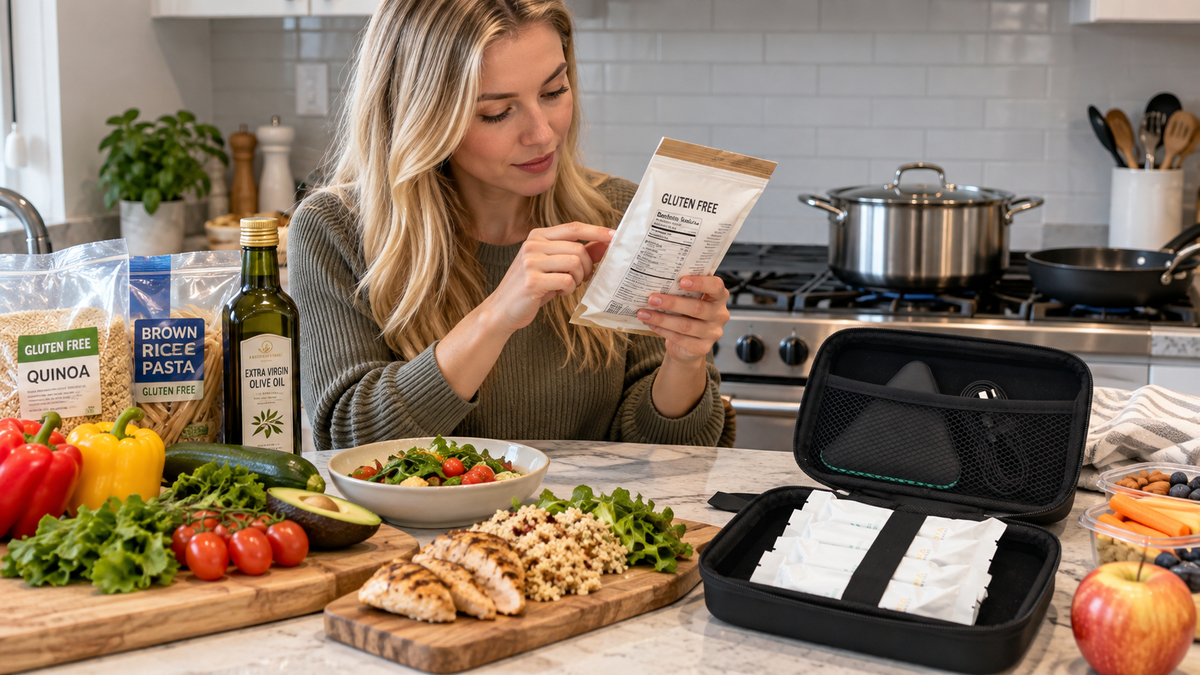
Living with celiac disease brings gluten avoidance into daily life, but it does not have to make every meal feel like a high-stakes puzzle. A few dependable routines can reduce guesswork, support safer choices, and leave more room for work, relationships, travel, and food you enjoy.
Early on, daily life can feel overwhelming. You are learning labels, rethinking your kitchen, and explaining the same medical need again and again. This guide gives you a practical system for home and away, along with clear signals for when to ask a qualified professional for medical, nutritional, or emotional support.
Start With a Simple Everyday Celiac Plan
How hard is living with celiac disease? At first, it can be tiring.
Ordinary choices suddenly require more attention, and mistakes can have real physical consequences. The workload usually becomes more manageable as your safest meals, stores, questions, and backup plans become familiar.
Begin with the decisions you make most often. Secure a handful of dependable meals at home, including options for days when time and energy are limited. Learn one label-reading routine.
Find two to four places where staff can answer preparation questions clearly. Keep a safe snack close enough to prevent hunger from rushing you into a poor choice.
Across every setting, use the same decision ladder. Check the label, assess preparation and cross-contact, ask clear questions, and choose a backup when the answers are weak. An optional gluten sensor belongs at the end of that process when it can answer one specific question.
Treatment starts with a strict gluten-free diet. NIDDK recommends working with a doctor and a registered dietitian who understands celiac disease. They can help you avoid gluten while keeping your diet balanced and checking symptoms or deficiencies that need attention. If you are wondering what it is like living with celiac disease, this professional support can make the rules more personal and practical.
Build Your Care and Support Team
A gastroenterology clinician and a registered dietitian with celiac expertise can help turn general rules into a plan that fits your health, budget, culture, and household. Use NIMA's questions to ask your GI or dietitian to prepare conversations about persistent symptoms, supplements, medicines, bone health, or nutrition to that team rather than trying to solve every concern through food restriction.
Choose a few trusted people for practical support too. Tell them what helps.
You might ask a partner to check a new label, a roommate to use a clean utensil, or a friend to choose a restaurant with you. Specific requests are easier to follow than a broad warning about gluten.
Give Yourself Time to Adjust
Relief, grief, anger, decision fatigue, and anxiety can all show up after diagnosis. Those feelings are valid. You are learning a new way to shop, cook, travel, and share meals, often while your body is still recovering. If you are asking how to feel better with celiac disease, start with the basics your care team recommends and add one workable routine at a time.
Take on one environment at a time. Make home predictable first, then work on shopping, restaurants, social events, and travel. Feeling better can involve strict gluten avoidance, enough food and nutrients, rest, follow-up care, and mental-health support when worry starts crowding out daily life.
Make Your Home Kitchen Reliably Gluten-Free
Your kitchen should lower the number of decisions you make, not create another inspection job. Set up storage, preparation, and cleanup rules that everyone can repeat. In a shared kitchen, keep gluten-free food protected from loose flour and falling crumbs, and label shelves or containers when that makes the system easier to follow.
Use the term cross-contact for gluten transfer. Cross-contamination usually refers to germs moving between food or surfaces. NIMA's guide to gluten cross-contact explains the difference and shows where crumbs tend to collect.
Keep the system visible. A labeled shelf, separate toaster, clean prep zone, and agreed cleanup routine can prevent many everyday mix-ups. Revisit it when the household changes. Daily life with celiac disease becomes more predictable when the system is visible and shared.
Set Up Shared-Kitchen Rules People Can Follow
Focus first on items that are difficult to clean or trap crumbs. A shared toaster, scratched cutting board, colander, flour-covered mixer, fryer, or open condiment jar deserves more attention than a smooth pan that can be washed thoroughly.
-
Store gluten-free food on a protected upper shelf, safely above loose flour and anything likely to shed crumbs.
-
Start with clean hands, prep surfaces, cookware, and utensils.
-
Prevent double-dipping by using squeeze bottles or separate containers.
-
Prepare the gluten-free part of a shared meal first, before flour or crumbs can spread across the workspace.
You do not need to replace every object in the kitchen. Some equipment needs its own dedicated version. For everything else, a consistent wash and a clear household rule may be enough.
A calm script helps. Try saying, "I need to avoid gluten for medical reasons, so please use this clean board and utensil and keep crumbs away from my food." That gives the other person a job they can complete. Living gluten free with celiac disease becomes easier when everyone knows the rule and the reason behind it.
Build Easy Meals and Backups
Keep a short rotation of naturally gluten-free staples and meals for low-energy days. Rice, potatoes, beans, eggs, plain meat or fish, fruit, vegetables, and clearly labeled packaged foods can form the base, depending on your dietary needs. Ask your dietitian for help if your safe list feels too narrow or you are unsure how to meet nutrition needs. A beginner's gluten-free meal plan can help you build that rotation without adding too many new decisions at once.
Backups protect you from rushed decisions. Put shelf-stable snacks in your bag, desk, or travel kit.
Freeze one or two meals you trust for evenings when cooking from scratch is not realistic. Save a list of quick options on your phone. A backup is useful even when the original plan works.
Shop and Read Labels With a Repeatable System
A sustainable gluten-free lifestyle starts with one label routine. Look for a gluten-free claim, read the ingredient list for wheat, barley, rye, malt, and relevant derivatives, then review advisory statements and processing information. Check familiar products again because ingredients and manufacturing practices can change.
Set aside a little extra time for the first few shopping trips after diagnosis. Build your dependable base first. Once you know which staples work, review one new category at a time and save clear photos or notes for products worth rechecking before another purchase. Keeping a short list of dependable products can make future shopping trips faster while leaving room to check any formula changes.
Under the FDA's gluten-free labeling rule, foods using claims such as "gluten-free" must contain less than 20 parts per million of gluten. That is a regulatory definition, not a personal guarantee about every package or every reaction. Naturally gluten-free foods need no claim.
For celiac disease, cross-contact risk can also appear in products that seem straightforward. Pay extra attention to oats, sauces, seasonings, supplements, medicines, bulk bins, and foods processed on shared equipment. If you need a category-by-category refresher, NIMA's complete list of foods to avoid can help you check the less obvious places gluten appears.
When a label is unclear, contact the manufacturer or choose a dependable alternative. You can move on. A quick backup choice is a valid part of your routine.
Eat Out Without Letting Every Meal Become a Crisis
Restaurants are easier to assess when you treat the meal as a process. Research before you are hungry, ask clear preparation questions, and decide in advance what would make you use your backup.
Clear information supports confidence. Confusion tells you something.
Read the menu online and call during a quiet time when possible. Say, "I have celiac disease and need strict gluten avoidance, including protection from cross-contact." NIMA's guide to eating out gluten-free offers more ways to explain your needs without turning the conversation into a lecture.
Managing celiac disease outside the home means looking beyond the ingredient list. A simpler dish can still be prepared unsafely. Sauces, marinades, fryers, grills, pasta water, garnishes, and shared utensils can change the picture. Ask about the highest-risk part of the meal instead of assuming plain-looking food is protected.
Research, Ask, and Decide
Ask questions that reveal how the kitchen works in practice.
-
Are fries cooked in a dedicated fryer?
-
Are gluten-free and regular pasta cooked in separate water with separate colanders and utensils from start to finish?
-
Will staff use a clean surface, pan, and utensils?
-
Do any sauces, marinades, seasonings, or garnishes contain wheat, barley, rye, malt, or another source of gluten?
Detailed, consistent answers are a good sign. Contradictions, missing ingredient information, or a promise that staff will only "be careful" support choosing another meal or another restaurant. Your backup might be a second venue, food from home, or joining the gathering without eating the venue's food.
Eating out with celiac disease becomes more manageable when you combine clear questions with a dependable backup. If you want a fuller walkthrough, NIMA's restaurant food testing guide shows how to combine kitchen questions with representative sampling rather than relying on the plainest bite on the plate.
Add a Final Check Only When It Answers a Specific Question
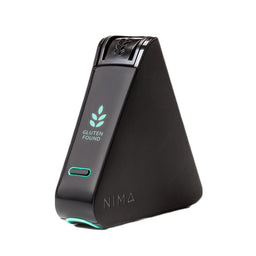
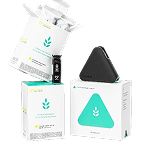
A portable food test can add one data point after you have checked ingredients and preparation. NIMA is a food-testing tool and should never replace label reading, restaurant communication, your dietitian, or medical care.
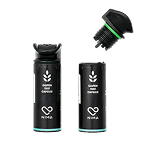
One NIMA capsule tests one representative sample. You can take small portions from different parts of the same meal, but the result still applies only to what went into that capsule. Gluten may be unevenly distributed, so a negative result cannot promise that an entire plate is free of gluten.
NIMA detects gluten from wheat, barley, and rye down to 10 ppm with 99% accuracy, based on independent validation, and gives a result in about three minutes. It cannot reliably test fermented or hydrolyzed foods or alcoholic beverages. NIMA's how-it-works page explains the sampling steps, result meanings, and food limitations so you can decide whether it fits your routine.
Handle Work, School, Holidays, and Other People's Homes
These recommendations for managing celiac disease also apply at work, school, and social events. Contact the host, teacher, coach, or organizer early. A short message gives them time to check ingredients and preparation without putting either of you on the spot.
You can say, "I have celiac disease, so I need food prepared without gluten or cross-contact. What will be served, and how will it be made?""
Offer a simple option when that reduces friction. Bring one safe dish, pack your own meal, or eat beforehand while still joining the event. Keep a private snack nearby so a changed plan does not force you to choose between hunger and an uncertain meal.
At catered meetings and celebrations, ask to see the original packaging before it is thrown away, and keep a dedicated serving utensil with each dish so ingredients do not become a guessing game. If food is moved to an unlabeled platter, the answer may no longer be reliable. Stay and enjoy the company.
Living well with celiac disease includes protecting your boundaries without giving up participation. If someone treats your medical need as a preference, repeat the boundary without debating your diagnosis. "I cannot eat that safely, but I would still love to sit with everyone" keeps the focus on participation. You can be warm and firm at the same time.
Travel With Celiac Disease More Confidently
Build your food plan before the itinerary gets crowded. Map nearby grocery stores, save several restaurant options, and confirm whether your lodging has a refrigerator or kitchenette. Do not let one highly rated restaurant carry the entire trip.
Airports, train stations, and highway stops are easier when you know which stretch of the trip has the fewest choices. Eat a dependable meal before leaving, carry more food than the timetable suggests, and identify one realistic place to restock. Delays become manageable.
Turn the Travel Plan Into a Portable Routine
Save one checklist on your phone and reuse it for every trip.
-
When traveling with celiac disease, research restaurants and grocery stores near your route, at the destination, and within a realistic distance of your lodging.
-
Make reservations and ask preparation questions before peak service.
-
Pack enough safe snacks to cover delays, missed connections, and one extra day without reliable food access.
-
Carry translated language that explains celiac disease when needed.
-
Plan a backup meal for airports, long drives, buffets, and late arrivals. Keep the backup easy to reach.
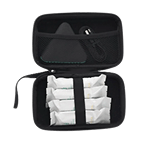
A travel kit might include snacks, medication details, a copy of useful medical information, and a NIMA Sensor only when suitable food testing already belongs in your routine. Keep capsules and the sensor accessible rather than buried in checked luggage.
NIMA's airport travel guide for people with celiac disease has more planning ideas. Use it as a starting point, then adjust for the destination, language, transportation, and the amount of kitchen control you will have. Self-care with celiac disease on the road also means choosing a plan that fits your energy and comfort.
Protect Your Mental Health and Social Life
Constant label reading, explaining, and advance planning can wear you down. The strain is real. A 2024 quality-of-life study of 766 adults with celiac disease found that restaurant meals, work, and travel remained common challenges, but emotional coping and some daily tasks often improved with time.
The research was an online survey of adults in Germany, and most participants were women, so it does not describe every person or setting. Its value is simpler. The recurring difficulty around food outside the home reflects a real daily burden, not a lack of effort or skill. NIMA's article on the social toll of managing celiac disease explores how these pressures can affect work, relationships, and food outside the home.
Reliable routines help because they give uncertainty a stopping point. Check the label.
Ask how the food was prepared and whether the answer meets your standard before you commit. Use your backup or a suitable test when needed, then let the decision stand instead of reopening it for the next hour.
Separate Necessary Caution From Anxiety That Shrinks Your Life
Celiac disease and mental health can intersect when reasonable caution starts consuming time and attention. Reading labels, asking about cross-contact, and declining uncertain food are reasonable protective actions. Extra support may help when worry takes hours from your day, your food list keeps shrinking, you cannot eat enough, or you avoid work, school, travel, and relationships even when workable safety plans are available.
A mental-health professional who understands chronic illness, food anxiety, or eating concerns can help you protect necessary safety practices while loosening fear around them. NIMA's guide to easing the anxiety of being glutened offers a practical way to build an evidence-based meal routine and recognize when professional care would be useful.
Build Community and Ask for Practical Help
Peers can make the daily work feel less isolating. Look for a local celiac organization, a moderated support group, or a few people who respect your boundaries. Community advice can be useful, though medical and nutrition questions still belong with qualified professionals who know your history.
For sustainable gluten-free living, ask for actions instead of general understanding. A friend can call the restaurant with you when the questions feel harder to manage alone. A relative can guard your serving utensil.
A coworker can leave the package available so you can read the label yourself. Small changes often make shared meals much easier.
Keep Up With Long-Term Medical Care
Feeling better does not end follow-up. NIDDK notes that regular visits may include symptom review, antibody blood tests, nutrition assessment, and other evaluation when appropriate. Your clinician may consider bone health or repeat testing based on your age, history, and response to the gluten-free diet.
Get returning symptoms checked. Hidden gluten is one possible cause, but other health problems can produce similar symptoms. A doctor and dietitian can review food, medicines, supplements, recent testing, and other conditions that may be contributing, without asking you to cut more foods on your own.
Follow Up Even When Daily Life Feels Easier
Celiac disease follow-up care works best when appointments reflect what has changed in daily life. Bring a short record of symptoms, questions, recent diet changes, and any accidental exposures to appointments. Ask which blood tests or nutrition checks make sense for you and when they should be repeated. Your schedule may look different.
If you are still struggling with meals, tell the care team about the practical problem along with the symptom. Cost, limited food access, shift work, school dining, travel, and anxiety can all affect whether a plan works in real life. Care should fit real life. Practical barriers belong in the plan.
Build a Safe, Flexible Life With Celiac Disease
Living with celiac disease gets easier when your choices rest on a small set of repeatable habits. Keep a backup and stay connected to professional care. Use an optional food test only when it can answer a narrow remaining question.
For celiac disease, quality of life is not about perfection. You do not need perfection. You need enough trustworthy information to make the next decision, plus permission to step away from food that does not meet your standard, even when everyone else at the table is comfortable. Each routine you repeat gives some attention back to the people, places, and experiences that matter.
If one more data point would help before the first bite, learn how NIMA can fit into your gluten-free toolkit.
Recent News

Is Bulgur Gluten Free? Why It Contains Gluten and What to Eat Instead
Bulgur is a form of wheat, so it is not gluten free. This guide explains where it appears, how to read labels and menus, and which naturally gluten-free grains can replace it in salads, pilafs, soups, and other recipes.


