

Is Tapioca Gluten Free? What to Check Before You Eat
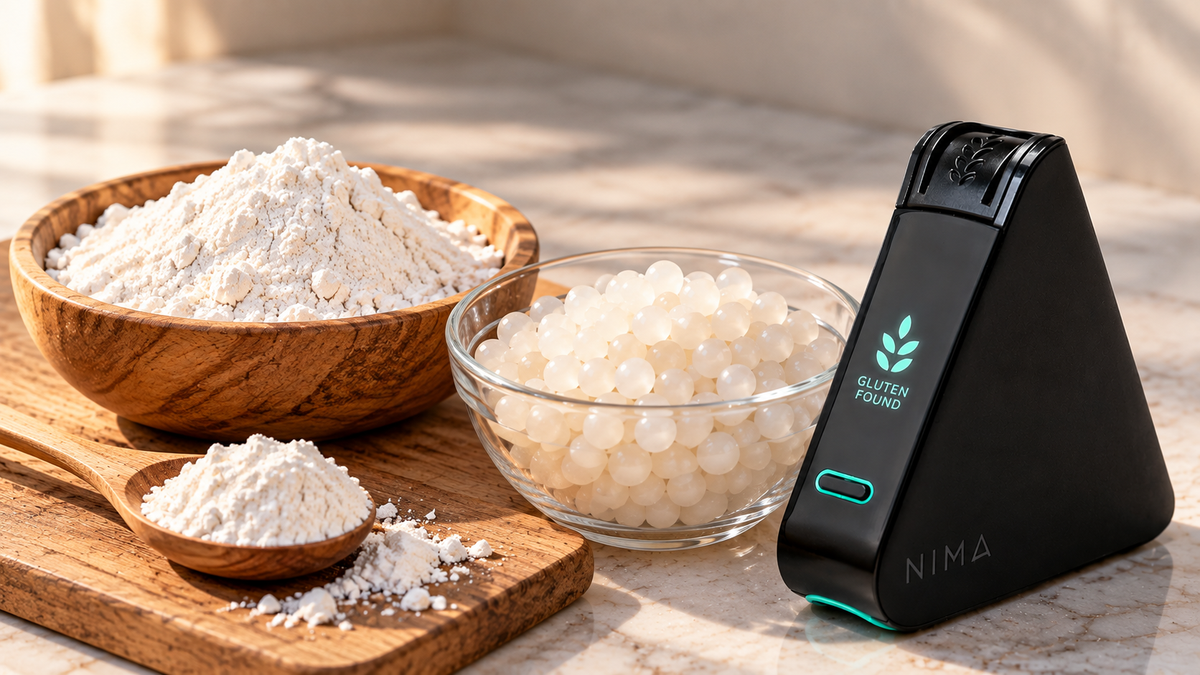
Yes, plain tapioca is naturally gluten-free. Tapioca flour, tapioca starch, and unflavored tapioca pearls come from cassava, not wheat, barley, or rye.
But the finished product still matters. Added ingredients, shared equipment, and restaurant preparation can introduce gluten, so check the exact package, dessert, or drink before you eat.
If you manage celiac disease or another medical need to avoid gluten, “naturally gluten-free” is only the starting point. A quick, repeatable check can turn that last-minute worry into a clearer decision. Here’s how to assess flour, starch, pearls, pudding, boba, and other tapioca products without treating every version as identical.
Is Tapioca Gluten Free? The Short Answer
Pure tapioca is gluten-free because it is a starch extracted from cassava root. The Celiac Disease Foundation includes both cassava and tapioca on its list of naturally gluten-free foods. For people with celiac disease, that makes plain tapioca an ingredient that can fit into a gluten-free diet.
A label that says tapioca tells you about the base ingredient. It says nothing about the flavoring in a pudding mix, the syrup coating a boba pearl, or the scoop that may have touched a wheat-based ingredient. Check the exact product or dish in front of you. A gluten sensor can add information when the finished food remains uncertain, but labels and preparation questions come first.
What Tapioca Is and Why It Is Naturally Gluten Free
One common source of confusion is the difference between cassava flour and tapioca starch. Both come from the cassava root, but they are processed differently and behave differently in recipes. Tapioca starch is often used as a thickener or to create a chewy texture, while cassava flour is typically used more like a traditional flour. Knowing the difference can help prevent unexpected results when baking or cooking gluten-free recipes.
Tapioca is the starch extracted from cassava, a starchy root known as yuca or manioc. Manufacturers wash and process the root to separate the starch, which can then become powder, flakes, granules, or pearls.
Tapioca flour and tapioca starch are two common names for the same ingredient, so if you are asking whether tapioca flour is gluten free, the answer is yes when it is pure. Cassava flour is made from the whole root, so it retains fiber. Both tapioca starch and cassava flour are naturally gluten-free when they have not picked up gluten during processing.
Gluten occurs naturally in wheat, barley, rye, and related grains. Cassava is not one of those grains. That is why plain tapioca does not contain gluten on its own.
You may see tapioca used to thicken sauces, add chew to baked goods, create pudding, or form the familiar pearls in bubble tea.
The forms look different, but the basic rule holds. The starch is naturally gluten-free. The complete product still needs a check.
The same ingredient-versus-finished-product distinction is useful when checking rice and other naturally gluten-free foods.
On a simple package, the ingredient may appear as tapioca, tapioca starch, tapioca flour, cassava starch, or modified tapioca starch. Those names point back to cassava. Tapioca bread is different because it is a finished recipe that may include other flours or additives. Trouble starts only when another gluten-containing ingredient enters the recipe or gluten reaches the product during handling.
When Tapioca Products May Contain Gluten
Plain tapioca itself is rarely the concern. Questions start with added flavors, coatings, mix-ins, shared production lines, or food-service prep. A sealed product with a clear label gives you more to work with than an unlabeled ingredient or a restaurant dessert assembled from several components.
Start with how much you can verify.
-
A sealed, single-ingredient tapioca product with a gluten-free claim and clear ingredient list carries the least uncertainty.
-
Flavored, colored, or sweetened pearls and dessert mixes without a gluten-free claim call for more questions.
-
Restaurant boba drinks, puddings, and desserts have the most variables because they involve several toppings, tools, and work surfaces.
The point is to spot where a few extra questions can replace guesswork.
When you compare products, give more weight to current, product-specific information than to online lists or old customer-service replies. The flavor, lot, country, and production line can matter.
A manufacturer’s answer about plain white pearls may not apply to its brown sugar or multicolored versions.
Packaged Tapioca Flour, Starch, and Pearls
Start with the full ingredient list on the exact package. Plain tapioca flour or starch may list only tapioca, and tapioca powder often refers to the same starch. Colored or flavored pearls can include caramel color, flavorings, sweeteners, preservatives, or other starches. Any one of those additions deserves the same label check you would give another packaged food.
Then look for a gluten-free claim. A shared-facility statement differs from a gluten-free claim, and the two can appear together. If the label is unclear, check the manufacturer’s current allergen and cross-contact information instead of relying on an old brand list.
Formulas, suppliers, and facilities change. Confirm the current label instead of relying on a package from last year.
Tapioca Pudding and Prepared Desserts
Is tapioca pudding gluten free? It can be, but every ingredient and the preparation method must be gluten-free. Homemade pudding made with pure tapioca, milk, sugar, eggs, and verified flavorings may be straightforward. A boxed mix or prepared dessert can add malt flavoring, cookie pieces, wafers, toppings, or other ingredients that change the answer.
At a bakery, buffet, or dessert counter, ask about shared scoops, mixers, utensils, pans, and topping containers. These are common ways gluten cross-contact can happen even when the base pudding recipe contains no gluten ingredients.
Boba and Bubble Tea
If you are asking whether tapioca boba is gluten free, start with the whole drink. Traditional pearls use tapioca starch, water, and sweetener, but that does not make every boba tea gluten free. Syrups, flavor powders, milk or a milk alternative, toppings, ice, and preparation equipment all matter. Brown sugar boba may use a caramelized syrup, and flavored pearls can have a longer ingredient list.
Popping boba is a different product. Whether popping boba is gluten free depends on its own ingredient list because it commonly has a juice-filled center and a gel-like coating. Do not assume either type is gluten-free based on the word boba alone.
At the shop, these three questions get you past a vague yes or no.
-
What brand or ingredient list do you use for the pearls, syrups, powders, and toppings?
-
Do any flavors, mix-ins, or toppings contain wheat, barley, rye, or malt?
-
Are the pots, scoops, shakers, blenders, or storage containers shared with gluten-containing products?
Specific questions are easier for staff to answer than a broad “Is this gluten-free?” These questions help you separate ingredient risk from preparation risk. If a product uses tapioca syrup, verify that ingredient and the complete drink rather than assuming the tapioca source settles the answer.
If staff cannot find packaging or explain the preparation process, that uncertainty is useful information too.
You do not need to talk yourself into an order. A simpler drink with fewer components, a sealed product, or another shop may give you a clearer choice.
How to Check a Tapioca Product Before You Eat
Use the same short process whether you are in a grocery aisle, standing at a boba counter, or ordering dessert. Focus on the product in front of you, not a category-wide assumption or someone else’s test result. This is the right order of operations when you test restaurant food for gluten.
-
Check the exact product, flavor, size, and package.
-
Read the ingredient list and allergen statement together.
-
Look for a gluten-free claim and current manufacturer information.
-
Ask how restaurant ingredients are stored, handled, and prepared.
-
Use testing only as an additional data point when questions remain.
Read the Ingredient and Allergen Statements Together
Scan the ingredient list for wheat, barley, rye, triticale, malt, malt extract, malt flavoring, and other obvious gluten sources. Then read the allergen statement.
In the United States, wheat is a major allergen and must be declared on FDA-regulated packaged foods, but barley and rye do not receive the same prominent “Contains” treatment. That is why the full ingredient list still matters.
Modified food starch can come from several plant sources, including corn, potato, wheat, or tapioca. If the label says modified tapioca starch, the starch itself is naturally gluten-free. The same source check applies to tapioca maltodextrin or tapioca dextrin: read the full product label and verify any unclear source. If the label only says modified food starch, labeling rules and the country or regulator matter.
Beyond Celiac recommends checking the source when it is unclear.
Recheck products you buy often. Manufacturers can change recipes, suppliers, or manufacturing practices without preserving the version you remember.
Look for a Gluten-Free Claim or Certification
For FDA-regulated foods in the United States, a voluntary gluten-free claim has a legal meaning. Under the FDA’s gluten-free labeling rule, the food cannot contain prohibited gluten ingredients, and any unavoidable gluten must remain below 20 parts per million.
A naturally gluten-free ingredient does not have to carry that claim. Its absence is not proof that the product contains gluten, but it gives you less verified information about the finished food and cross-contact controls. If you need more assurance, contact the manufacturer.
Third-party certification can add another layer of review, but certification programs do not all use the same process or threshold. FDA does not endorse a particular certification seal, so check the certifier’s current standard if that detail matters to your decision.
“Wheat-free” and “gluten-free” are not interchangeable. A wheat-free product could still contain barley malt or rye. Read the precise claim, then confirm that the ingredients support it.
When Is a Gluten Sensor Useful for Tapioca?
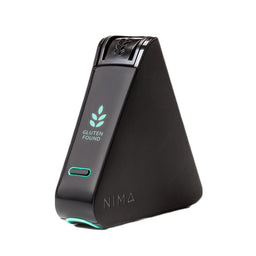
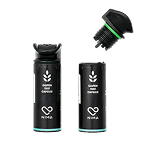
A portable gluten sensor is most useful when tapioca starts gluten-free but processing or preparation leaves a question the label cannot answer. NIMA tests a small sample for gluten that may have entered through another ingredient or shared equipment. It does not need to confirm that cassava itself is gluten-free.
The fit depends on the food. A sealed, single-ingredient product with a clear gluten-free claim may leave little uncertainty. A prepared pudding or boba topping assembled with several ingredients and tools may leave more.
Check labels, manufacturer details, and staff answers first. If uncertainty remains and the food can be tested under NIMA’s current responsible-use instructions, use the result as one data point for that sample, not a verdict on the full dish or brand.
Ask Better Questions at Restaurants and Boba Shops
Ask to see packaging or an ingredient list for the pearls, pudding mix, flavor powder, syrup, and toppings. A staff member may know that plain pearls are tapioca-based but not know whether a flavored coating or powdered mix contains gluten.
Next, ask how the item is prepared. Shared pots, scoops, shakers, blenders, counters, and storage containers can move gluten from one product to another. NIMA’s guide to cross-contamination and cross-contact explains why the ingredients and the preparation environment both count.
A short script can help. “I need to avoid gluten for medical reasons. Could you check the ingredients and tell me whether the equipment or utensils are shared with gluten-containing items?” If the answer stays vague, choose an option with clearer information.
Can People With Celiac Disease Eat Tapioca?
Yes. People with celiac disease can eat pure tapioca because it comes from naturally gluten-free cassava. The important condition is that the specific product or dish must contain no gluten ingredients and be managed appropriately for cross-contact.
That may mean choosing a package with a gluten-free claim, contacting the manufacturer, or asking detailed questions at a restaurant. Your medical needs and comfort level should guide how much verification you want.
If you are building a broader safe-food routine, NIMA’s guide to what people with celiac disease can eat offers more category-by-category help.
A medically necessary gluten-free diet is not a preference. If a label, kitchen practice, or answer does not give you enough information, it is reasonable to choose something else.
The same care applies at home. Bulk-bin tapioca flour, shared measuring cups, flour-dusted counters, and utensils used for wheat baking can introduce cross-contact. Store and prepare gluten-free ingredients separately when that is part of your household safety plan.
Where NIMA Can Add Another Check
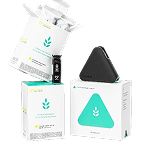
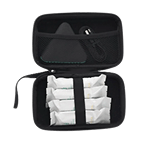
Labels, manufacturer information, and restaurant communication come first. When those steps still leave uncertainty, the NIMA gluten sensor can provide one more data point before your first bite.
Independent third-party testing found that NIMA detects gluten from wheat, barley, and rye at 10 ppm with a 99% probability of detection. The sensor returns a result in about three minutes.
That specificity matters.
So do the limits. NIMA tests only the portion placed in the capsule. It does not test an entire dish, guarantee safety, or replace medical advice, careful label reading, or a conversation with the kitchen.
Think of it as an additional tool in your gluten-free toolkit. One result can help inform one decision about one sample. It cannot certify a restaurant, a full batch, or every item sold under a brand name.
Test Tapioca-Based Foods Responsibly
For solid or semi-solid tapioca foods, use a small representative sample from the part of the food you plan to eat. A mixed dessert may need tiny portions from more than one area in the same capsule, especially near sauces, toppings, edges, or other places where cross-contact seems most likely.
Some textures need special handling. Dry powders, thin liquids, sticky foods, oily foods, and high-moisture foods may not mix evenly with the testing solution. Follow NIMA’s responsible-use guidance for the current sampling instructions instead of improvising a method.
Do not use NIMA to test fermented or hydrolyzed foods or alcoholic beverages.
Processing can break gluten proteins into fragments that the test cannot reliably detect. And remember, a “No Gluten Found” result applies only to the tested sample.
A layered boba drink can be especially hard to represent with one tiny sample. Pearls, foam, jelly, syrup, and the drink itself may all come from different containers. Use labels and staff answers to assess each component first, then follow current NIMA guidance for any food that can be tested appropriately.
No Need to overcomplicate Gluten-Free Foods
It’s also helpful to remember that foods such as plain tapioca, potatoes, rice, fruits, and vegetables are naturally gluten-free. While cross-contact precautions are important for people with celiac disease, there’s no need to avoid naturally gluten-free foods simply because they don’t carry a gluten-free label. The focus should be on the food’s source, preparation, and realistic risk of cross-contact.
Frequently Asked Questions About Tapioca and Gluten
Is Tapioca Starch Gluten Free?
Yes, pure tapioca starch is naturally gluten-free because it comes from cassava, not a gluten-containing grain. Tapioca flour is another common name for the same starch. Check packaged products for a gluten-free claim and current cross-contact information if you need more assurance.
Are Tapioca Pearls, Boba, and Tapioca Pudding Gluten Free?
Plain tapioca pearls are naturally gluten-free, but boba drinks and tapioca pudding depend on every ingredient used. Verify flavored pearls, popping boba, syrups, powders, cookie mix-ins, toppings, and shared tools before deciding. A blanket answer for one shop or brand does not cover every flavor or preparation method.
Is Modified Tapioca Starch Gluten Free?
Yes. Modified tapioca starch starts with tapioca, so it is naturally gluten-free. “Modified” describes a physical, chemical, or enzymatic change that adjusts how the starch performs in food. It does not mean gluten was added.
Do not confuse modified tapioca starch with the broader term modified food starch. When the plant source is not named, read the rest of the label and check the manufacturer if regional rules or the source remain unclear.
Labels outside the United States may follow different disclosure rules. If you are traveling or buying an imported product, use the rules for the country where it is sold and contact the manufacturer when the source is not clear.
Choose Tapioca With More Confidence
Plain tapioca is naturally gluten-free. The clearer decision comes from checking the finished product, reading its label, and understanding how it was prepared. Once that short routine becomes familiar, flour, pearls, pudding, and boba become easier to evaluate without treating every unknown as a reason to panic.
If careful label reading and direct questions still leave uncertainty, see how the NIMA gluten sensor fits into the checking routine you already trust, giving you one more data point before your first bite. See how it works, then decide whether it belongs in your toolkit.
Recent News

Is Bulgur Gluten Free? Why It Contains Gluten and What to Eat Instead
Bulgur is a form of wheat, so it is not gluten free. This guide explains where it appears, how to read labels and menus, and which naturally gluten-free grains can replace it in salads, pilafs, soups, and other recipes.


