

Melissa Beatty, Beatty Acupuncture

Partner Spotlight:
Melissa Beatty, Beatty Acupuncture
Owner & Acupuncturist — Tulsa, Oklahoma
When it comes to managing celiac disease and gluten sensitivity, most of us think first about diet. We question what's on the label, what's on the menu, and what's safe to eat. But for practitioners like Melissa Beatty, owner and acupuncturist at Beatty Acupuncture in Tulsa, Oklahoma, the gluten-free journey doesn't stop at the plate. It extends into the whole body: digestion, inflammation, energy, even brain fog.
We asked Melissa to talk about what led her to this work, the early signs she watches for in her patients, and how she thinks about acupuncture's role alongside traditional celiac care.
What led you to specialize in supporting people with celiac disease or gluten sensitivity?
I wouldn't necessarily call myself a specialist in identifying gluten sensitivity or treating celiac disease specifically, but it has become an area of strong interest to me. My interest began through my daughter's own gastrointestinal issues, which gave me a more personal understanding of how challenging it can be to navigate digestive symptoms and search for answers. That experience led me to become more interested in supporting patients with digestive concerns and exploring how acupuncture may be used as part of a broader, individualized approach to wellness.
What are some early signs you see in patients or clients that might point to a gluten issue, before they have an official diagnosis?
Gluten-related concerns can manifest differently in each person, and symptoms alone cannot confirm a diagnosis. Some early patterns I may notice include digestive changes such as constipation, diarrhea, bloating, or discomfort — particularly tenderness or pain in the lower-right area of the abdomen near the ileocecal region. Some patients may also experience unexplained rashes, fatigue, brain fog, or a general "flu-like" feeling, including symptoms that can resemble ongoing immune or viral stress. When these patterns are present, I encourage patients to discuss them with their healthcare provider and pursue appropriate testing rather than relying on symptoms alone.
How does your practice fit alongside more traditional approaches to managing celiac disease or gluten sensitivity?
My practice is designed to complement, not replace, traditional medical care. For individuals with celiac disease, maintaining a strict gluten-free diet and working with their healthcare provider remain essential. Acupuncture can be used as part of a broader, individualized approach to support overall digestive wellness, help manage symptoms, and support the body as it works toward improved gut health. I also focus on helping patients better understand the connection between digestion, inflammation, and the gut lining.
What's one thing you wish more people understood about the connection between gluten sensitivity and the rest of the body?
One thing I wish more people understood is that, for someone with celiac disease, gluten exposure can affect much more than the digestive system. Because celiac disease involves an immune response, symptoms may show up throughout the body and can include fatigue, brain fog, skin changes, joint discomfort, or other concerns. The effects also may not resolve immediately after gluten is removed. The immune response and healing process can continue for months, which is why consistent gluten avoidance and ongoing medical care are so important.
How did you first hear about NIMA, and how do you talk about it with patients or clients?
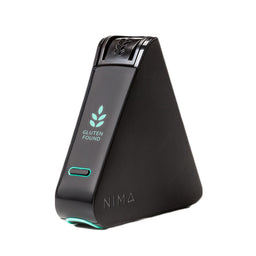
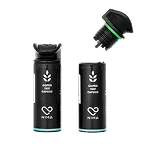
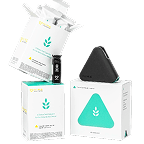
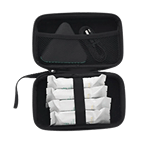
I first heard about NIMA through a patient who shared their experience with it. We recently received our own kit and are excited to begin testing it and learning more about how it works in real-life situations. As we gain experience using it, we plan to share educational "how-to" videos, honest feedback, and our perspective with patients and clients who may be interested in adding another tool to their gluten-free lifestyle. We're especially interested in helping people understand both its potential benefits and how to use it thoughtfully alongside the other precautions recommended for managing celiac disease and gluten sensitivity.
Thank you to Melissa for sharing her perspective with us. You can learn more about her practice at beattyacupuncture.com or follow along on Facebook.
Recent News

Gluten Belly: Symptoms, Causes, and How to Know If Gluten Is the Problem
What people call “gluten belly” is usually bloating, pressure, or abdominal discomfort, but gluten is not the only possible cause. Learn the signs to track, conditions to rule out, and why testing should come before a gluten-free trial.


