



Signs of Celiac Disease in Kids: Symptoms Parents Shouldn't Ignore

Signs of celiac disease in kids don't always begin with stomach trouble. Belly pain or constipation may be part of the picture, but so can slow growth, fatigue, skin changes, or delayed puberty. Some children look and feel well enough that celiac disease never crosses a parent's mind. No single symptom confirms celiac disease.
What matters is the pattern. When symptoms keep returning, growth changes, or celiac disease runs in the family, bring those details to your child's pediatrician before changing their diet.
Key Takeaways: Signs of Celiac Disease in Kids
-
Celiac disease symptoms in children can include ongoing stomach pain, bloating, diarrhea, constipation, poor growth, fatigue, anemia, mouth sores, headaches, an itchy rash, or delayed puberty.
-
Signs can shift with age, and asymptomatic celiac disease means some higher-risk children have no obvious symptoms even when testing finds the condition.
-
Keep gluten in your child's diet until testing is complete unless their clinician advises otherwise, because removing it too early can affect blood tests and biopsies.
-
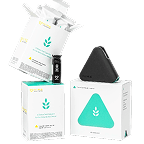
After diagnosis, the NIMA Gluten Sensor can add an optional food-testing layer alongside medical care, dietitian support, label reading, cross-contact precautions, and school planning.
Signs of Celiac Disease in Kids Can Look Different by Age
Age changes the picture. Early signs of celiac disease in kids may be digestive or growth-related. In older children and teens, fatigue, anemia, delayed puberty, and other concerns outside the digestive tract may be the first clues.
Plenty of childhood conditions can cause the same signs. The pediatrician will look at the timeline, growth chart, family history, related conditions, and test results before deciding what comes next. Notes from home, school, and recent growth checks can help connect clues that may otherwise seem unrelated.
From a nutrition standpoint, growth trends are especially important in children. Monitoring height, weight, and growth velocity over time can help identify potential concerns that may not be obvious from symptoms alone. A child who is not gaining weight as expected or whose height percentile begins to decline may need further evaluation.
Infants and Toddlers
In infants and toddlers, persistent digestive trouble and poor growth tend to stand out first. Celiac disease symptoms in toddlers can include diarrhea or constipation, vomiting, gas, a swollen-looking belly, irritability, and difficulty gaining weight after gluten-containing foods enter the diet.
A rough week doesn't tell you much. Teething, infections, food intolerances, and ordinary eating changes can look similar. Jot down stool changes, appetite, vomiting, and any gradual drop in growth or energy.
School-Age Children
School-age children may have recurring abdominal pain, bloating, diarrhea, constipation, headaches, fatigue, or trouble gaining weight. Some clues show up in daily life before they form an obvious medical pattern.
Sometimes the first clue is a string of small changes. A child visits the school nurse more often, loses interest in favorite activities, or feels wiped out after an ordinary day. Notice whether that pattern carries across school days, weekends, meals, and growth checks. Record how often it happens and how long it lasts, then let the pediatrician interpret it.
Older Children and Teens
Celiac disease symptoms in older children and teens may involve fewer classic stomach problems and more signs tied to poor nutrient absorption. Watch for slow growth, delayed puberty, iron-deficiency anemia, ongoing fatigue, recurrent headaches, mouth sores, bone or joint pain, and an intensely itchy rash.
Mood changes or trouble concentrating can appear alongside celiac disease, but both have many other causes. Bring the full pattern to the appointment instead of treating one behavior or one food as proof. Give teens room to tell the story in their own words.
Nutrient deficiencies are another important consideration because celiac disease can interfere with nutrient absorption. Iron deficiency is particularly relevant when evaluating unexplained anemia or fatigue. Depending on the child's symptoms and clinical findings, their healthcare team may also assess other nutrient levels and bone health.
Digestive Signs Parents Often Notice
Digestive symptoms may disappear and return. Repeated trouble gives the pediatrician more to work with than one isolated stomachache.
-
Abdominal pain, cramping, or a visibly bloated belly
-
Diarrhea, constipation, or shifts between the two
-
Frequent gas, nausea, or vomiting
-
Bulky, greasy-looking, pale, or unusually foul-smelling stools
These symptoms overlap with infections, lactose intolerance, irritable bowel conditions, and other childhood problems. Celiac disease cannot be identified from digestive symptoms alone, so avoid home diagnosis and let a clinician sort through the possibilities.
Non-Digestive Signs That Are Easy to Miss
Small-intestine damage can interfere with nutrient absorption, so celiac disease may show up well beyond the stomach. In a growing child, clues can appear in height, weight, energy, blood work, bones, teeth, skin, or puberty.
Possible non-digestive celiac symptoms in a child include poor growth, unexplained weight loss, iron-deficiency anemia, fatigue, delayed puberty, dental enamel changes, mouth sores, headaches, and bone or joint pain. Dermatitis herpetiformis, an intensely itchy, blistering rash, is another recognized sign that families may call a gluten rash in children.
These clues can get scattered across appointments. A dentist may spot enamel changes while a pediatrician follows growth and another clinician reviews anemia. Meanwhile, a child may simply say they're too tired for sports or school. Put those pieces together for the care team so they can decide whether celiac testing belongs in the workup.
Risk Factors and Silent Celiac Disease
Testing can be worth discussing even when symptoms are mild or absent. Higher-risk groups include children with a first-degree relative who has celiac disease, type 1 diabetes, autoimmune thyroid disease, IgA deficiency, Down syndrome, Turner syndrome, or Williams syndrome.
A risk factor gives the child's clinician more context for deciding whether testing is appropriate and when it should happen. Diagnosis still depends on medical evaluation and testing.
Can a Child Have Celiac Disease Without Symptoms?
Yes. Asymptomatic celiac disease in children can occur, particularly when testing starts because of family history or another related condition. The first clue may be anemia, a shift on the growth chart, elevated liver enzymes, dental enamel defects, or low bone density.
Feeling well does not answer the medical question either way. Screening decisions should come from a clinician who can weigh the child's age, gluten exposure, health history, and prior test results.
From a nutrition perspective, the absence of digestive symptoms does not necessarily mean a child is absorbing nutrients adequately. When there are concerns about growth, anemia, or other potential signs of malabsorption, a pediatrician can determine whether further evaluation is warranted, even if the child appears to be eating well.
When Family History Should Prompt a Conversation
A first-degree relative means a parent, sibling, or child. If someone in that group has celiac disease, mention it to the pediatrician regardless of whether your child seems well. Family history is one reason to discuss celiac screening for children.
Testing timing can vary with age, current gluten intake, symptoms, and earlier results. Ask for a plan rather than trying to choose a test schedule on your own.
What to Do If You Notice Possible Signs
If you're wondering when to test a child for celiac disease, write down a few details and schedule a pediatric appointment. You don't have to solve the diagnosis before asking for help.
-
Write down symptoms, when they happen, what your child ate beforehand, and how long each episode lasts.
-
Bring growth records, family diagnoses, and prior lab results.
-
Ask whether celiac testing is appropriate and whether a pediatric gastroenterology referral is needed.
-
Seek prompt medical advice for severe dehydration, persistent vomiting, blood in the stool, fainting, severe pain, or a child who appears very ill.
Keep Gluten in the Diet Until Testing Is Complete
Avoid starting a gluten-free diet before celiac testing unless your child's clinician gives different instructions. Removing gluten too soon can affect antibody blood tests and biopsy results, making the diagnosis harder to confirm.
Skip home gluten challenges, and don't deliberately add more gluten without medical guidance. If your child has already stopped eating gluten, tell the pediatrician exactly what changed and when.
What Pediatric Celiac Testing May Involve
Celiac disease diagnosis in children often begins with medical and family history, a physical exam, and antibody blood tests. If those results raise concern, a pediatric gastroenterologist may discuss an upper endoscopy with small-intestine biopsies.
Some children need more blood work or genetic testing. The evaluation path varies by child, especially those younger than two. The treating clinician should choose and interpret each test.
Can a Gluten Sensor Diagnose Celiac Disease in a Child?
No. A gluten sensor cannot diagnose celiac disease in a child. The NIMA Gluten Sensor checks a pea-sized food sample for gluten, and its result applies only to that sample. It is not a medical device and cannot replace a clinician's evaluation. Keep food testing in the post-diagnosis toolkit as one more data point before a meal.
Questions to Bring to the Pediatric Appointment
Bring a short list that covers testing, gluten intake, referrals, and follow-up.
-
Which symptoms or risk factors support testing?
-
Should my child keep eating the same amount of gluten before testing?
-
Which results would mean we should schedule an appointment with a pediatric gastroenterologist for further evaluation?
-
If the first tests are negative but symptoms continue, when should we revisit celiac disease?
If a diagnosis is confirmed, NIMA's guide to questions for a GI or dietitian can help you prepare for the next stage of care.
After Diagnosis, Build a Practical Gluten-Free Safety Toolkit
Once the diagnosis is confirmed, the work changes. Build reliable routines with your child's clinician and a registered dietitian, then layer in label reading, cross-contact prevention, school accommodations, and age-appropriate self-advocacy. Go slowly. Children need a plan they can understand and use without turning every meal into a test.
NIMA's foods-to-avoid guide helps families learn where gluten tends to hide once the medical team has confirmed the diagnosis.
Nutritional adequacy should remain a priority alongside gluten avoidance. Gluten-free products are not automatically nutritionally equivalent to their gluten-containing counterparts, so families should focus on a varied diet that provides adequate fiber, iron, calcium, vitamin D, and other nutrients needed for growth. A registered dietitian can help identify potential gaps and develop realistic meal and snack strategies that work at home, school, and social events.
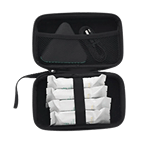
For suitable foods, the NIMA Gluten Sensor can serve as an optional check after the other steps are already in place. Use it as one data point alongside medical care, careful label reading, and cross-contact practices, not as a diagnosis or a guarantee that an entire meal is safe.
Ask Your Pediatrician About Signs of Celiac Disease in Kids
When you notice possible signs of celiac disease in kids, write down the pattern, keep gluten in the diet unless the clinician says otherwise, and ask whether testing makes sense.
A pediatric visit can gather scattered concerns into a sensible next step. Start there. If celiac disease is confirmed, build your child's gluten-free routine with the care team, then decide whether the Gluten Sensor fits as one optional food check alongside the plan.
Recent News

Gluten Belly: Symptoms, Causes, and How to Know If Gluten Is the Problem
What people call “gluten belly” is usually bloating, pressure, or abdominal discomfort, but gluten is not the only possible cause. Learn the signs to track, conditions to rule out, and why testing should come before a gluten-free trial.


