

Is Maltodextrin Gluten Free? What People With Celiac Disease Need to Know
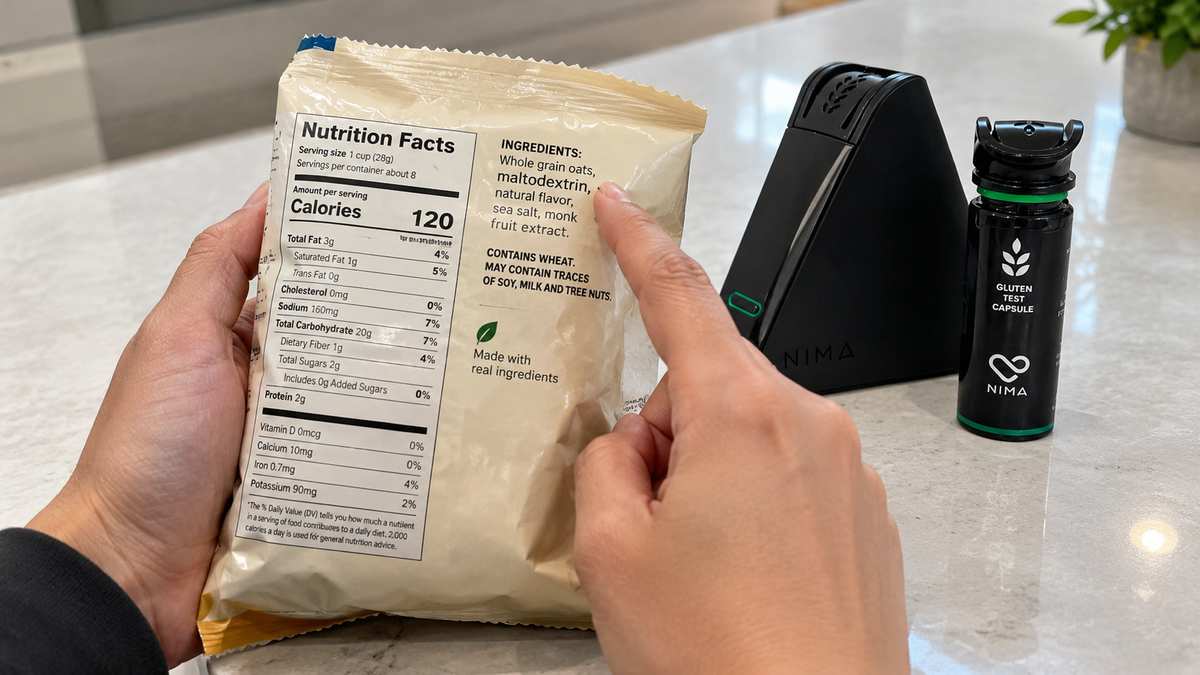
Yes, maltodextrin is typically considered gluten-free, even when it comes from wheat. Processing removes the gluten proteins that concern people with celiac disease, which is why Coeliac UK lists the ingredient as gluten-free. The whole product still matters, so check the full label before you eat it.
The name trips people up because it begins with “malt.” Fair enough. Maltodextrin and barley malt are different ingredients, and knowing that difference makes the rest of the label much easier to read.
Key Takeaways for Maltodextrin and Gluten
-
Maltodextrin is typically considered gluten-free, including when it is made from wheat, because processing removes the gluten protein from the finished ingredient.
-
The name does not mean maltodextrin contains barley malt. Malt and malt extract are separate barley-derived ingredients that need their own label check.
-
Read the entire ingredient list, look for a gluten-free claim, and contact the manufacturer when the source, formula, or cross-contact controls are unclear.
-
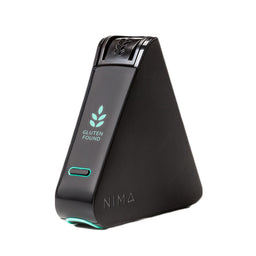
NIMA’s responsible-use guide says hydrolyzed foods are not reliable candidates for the NIMA Gluten Sensor, so decide about maltodextrin from the label and manufacturer information instead.
What Is Maltodextrin and Why Does the Name Sound Like Malt?
Maltodextrin is a starch-derived carbohydrate. Food manufacturers use it as a texturizer, stabilizer or thickener, flavoring aid, and free-flow agent.
The starch can begin as corn, potato, rice, tapioca, or wheat. That starting point tells you where the ingredient came from. It doesn’t settle the gluten question for the finished ingredient or the food around it.
The similar spelling can mislead, but maltodextrin isn’t barley malt. That is why a maltodextrin versus malt comparison should begin with the full ingredient names, not their shared letters. Malt and malt extract are commonly made from barley. If either appears on a label, assess it separately instead of treating every word beginning with “malt” the same way.
When reviewing ingredient lists, focus on the specific ingredient rather than relying on how a word sounds. For people newly diagnosed with celiac disease, learning to distinguish between similar-sounding ingredients can make grocery shopping less overwhelming. A registered dietitian can help you identify ingredients that need closer review, understand gluten-free labeling, and build confidence when choosing packaged foods.
Why Wheat-Derived Maltodextrin Can Still Be Gluten Free
Wheat-derived maltodextrin is typically considered gluten-free because the starch is processed and purified. Wheat origin and gluten content are related questions, but they don’t always have the same answer. For a person with celiac disease, the concern is the gluten protein left in the finished food.
This answer applies only to maltodextrin. Other wheat-derived ingredients need their own review. You still need to read the rest of the package.
Starch and Gluten Protein Are Not the Same Thing
Maltodextrin starts with starch, a carbohydrate. Gluten is a group of proteins found in wheat, barley, rye, and related grains. Wheat flour contains starch and protein together, but food processing can separate those components.
Processing can leave a wheat-derived starch ingredient with a very different protein profile from wheat flour. Check what remains in the finished ingredient, then look at the complete packaged food. That gives you a more useful answer than the source grain alone.
What Processing Changes in Maltodextrin
Manufacturers make maltodextrin by partially hydrolyzing starch with safe and suitable acids and enzymes. The maltodextrin gluten content question depends on what remains after processing, not the word wheat by itself. The process produces a glucose-based carbohydrate ingredient.
Processing helps explain why maltodextrin behaves differently from its source grain. Other wheat-derived ingredients still require their own review. This conclusion applies to maltodextrin, and the full food label determines whether the product meets your needs.
How to Read Maltodextrin on a Food Label
Finding maltodextrin is one part of the label check. Follow this short routine.
-
Read the full ingredient list, not only the word maltodextrin.
-
Look for a gluten-free claim or a certification you trust.
-
Check the allergen statement and any wording about shared equipment.
-
Contact the manufacturer if the source, facility, or current formula is unclear.
NIMA’s celiac disease foods-to-avoid guide can help you spot other ingredients that may change the decision. Check favorite products again from time to time, too. Recipes, suppliers, and production lines change, so last year’s package or screenshot may no longer describe the food in your hand.
If you contact the manufacturer, name the exact product, package size, and country where it’s sold. Ask where the maltodextrin comes from, whether the finished food meets a gluten-free standard, and how the company manages cross-contact. A precise question usually gets a more useful answer than “Is this safe?”
What U.S. Gluten-Free Labels Mean
For foods regulated by the FDA, a gluten-free claim is voluntary. Once a manufacturer uses that wording, the food must follow FDA’s gluten-free labeling rules, including the requirement that any unavoidable gluten be below 20 parts per million. A package without the claim isn’t automatically unsafe, but it gives you less information.
The allergen statement handles a different job. FDA’s food-allergen labeling guidance requires packaged foods to identify wheat when it is present as a major food allergen, usually in the ingredient list or a “Contains Wheat” statement. That declaration doesn’t cover barley or rye. Read both parts of the label.
Why Country-Specific Rules Matter
Even with gluten-free maltodextrin, labels can look different across markets. In the European Union, the EU’s food-information regulation lists wheat-based maltodextrins as an exception within its cereals-containing-gluten allergen category, subject to the regulation’s conditions.
Use the rules for the country where the product is sold. Imported foods and unfamiliar wording deserve another look, especially when the package has no clear gluten-free claim. If translation leaves any doubt, the manufacturer is the best next stop.
What Should You Do When a Food Cannot Be Tested Reliably?
When a packaged food cannot be tested reliably, use the label and manufacturer’s answer to make the call. NIMA’s Responsible Use framework places hydrolyzed foods in its do-not-test category because processing can alter the proteins antibody tests need to recognize. Ask where the maltodextrin comes from, whether the finished food follows a gluten-free standard, and how the company manages cross-contact. If the answer stays vague, choose a product with clearer documentation.
When Should You Double-Check a Product?
Double-check the product in any of these situations:
-
The label is incomplete.
-
The formula has changed.
-
The food was repackaged or sold from a bulk bin.
-
The package mentions shared equipment.
-
The manufacturer cannot explain its ingredients or controls. In that case, choose an alternative with clearer labeling.
Look at the Finished Food, Not Just One Ingredient
Maltodextrin may be gluten-free, but the same product may contain barley malt, wheat flour, cookie pieces, or another gluten source. Sauces, seasoning packets, drink powders, and candy can have long ingredient lists. One acceptable ingredient cannot clear the rest of them.
Ingredient status and cross-contact are separate concerns. A gluten-free ingredient may be handled on equipment used to process gluten. NIMA’s cross-contact guide explains how that transfer happens and offers practical questions for home kitchens and restaurants.
Treat the finished food as the unit of decision. Current manufacturer guidance, a clear label, and useful production details tell you far more than the word maltodextrin on its own.
When evaluating a packaged food, consider the full ingredient list, how the product is labeled, and whether the manufacturer provides clear information about its production practices. You do not need to avoid every unfamiliar ingredient to follow a gluten-free diet. Working with a registered dietitian can help you distinguish ingredients that require additional investigation from those that are generally considered gluten-free, reducing unnecessary restrictions and making your diet easier to maintain.
Where Does a Gluten Sensor Fit After the Label Check?
A gluten sensor can add information only after you confirm that the food itself is suitable for testing. NIMA describes its Gluten Sensor as one part of a broader routine that includes label reading, cross-contact questions, and healthcare guidance. For foods that are not fermented or hydrolyzed, a representative sample may add a data point about the portion in front of you. For maltodextrin and celiac disease, the testing limitation matters. Since maltodextrin is hydrolyzed, rely on the label and manufacturer instead of using a NIMA result to overrule either one.
Separate Celiac Disease Concerns From Wheat Allergy
Celiac disease is an immune reaction to gluten. A wheat allergy is an allergic reaction to wheat proteins, so it needs separate medical and labeling guidance.
If you have a wheat allergy, don’t rely on celiac guidance to decide whether wheat-derived maltodextrin is right for you. Ask your allergist and the manufacturer about the exact ingredient. Your diagnosis and the way the maltodextrin was produced both matter.
Can You Test Foods That Contain Maltodextrin for Gluten?
Use the label and manufacturer guidance to evaluate maltodextrin instead of a NIMA test. A NIMA result cannot prove that a food is gluten-free when maltodextrin is the ingredient in question. NIMA’s responsible-use guide says hydrolyzed and fermented foods cannot be tested reliably because processing may change the proteins that lateral-flow testing needs to recognize.
Maltodextrin is a hydrolyzed starch ingredient. For this decision, rely on the label, the manufacturer, and independent guidance about maltodextrin. A test result does not overcome the underlying measurement limit.
Knowing when to skip a test is part of using a food-testing tool responsibly. For maltodextrin, the label does the heavier lifting.
Common Maltodextrin Questions
These quick answers cover the sources you’re most likely to see. For each one, check the complete food for other ingredients and cross-contact information.
Is Corn Maltodextrin Gluten Free?
Yes. Corn is naturally gluten-free, and corn maltodextrin is typically gluten-free. Review the rest of the product because another ingredient or the production process may change whether the food meets your needs.
Is Maize Maltodextrin Gluten Free?
Yes. Maize is another word for corn, so maize maltodextrin is typically gluten-free. The wording often reflects the country where the label was written, not a different source ingredient.
Is Tapioca Maltodextrin Gluten Free?
Yes. Tapioca maltodextrin is typically gluten-free. NIMA’s tapioca guide takes a wider look at tapioca starch, flour, pearls, and prepared foods, where added ingredients and shared equipment may still affect the answer.
Does Maltodextrin Contain Barley Malt?
No. Maltodextrin isn’t barley malt, even though the names look alike. Actual malt and malt extract are commonly barley-derived, so handle those as separate ingredients that need a closer check.
Make the Label Work for You
Maltodextrin typically does not contain gluten, including when it is made from wheat. The finished product still decides whether it belongs in your routine. Read the whole label, favor a gluten-free claim when you want added assurance, and ask the manufacturer about the source and cross-contact controls when anything is unclear.
If the answer stays vague, choose a product you can verify. Then check NIMA’s responsible-use guidance before testing any food. Its published limits explain why maltodextrin needs a label-first decision and where the NIMA Gluten Sensor can add information without replacing your usual precautions.
Start with the label. Ask the question. Test only when the food is suitable for the sensor. That sequence keeps the decision grounded in what the tool can actually tell you.
Recent News

Gluten Belly: Symptoms, Causes, and How to Know If Gluten Is the Problem
What people call “gluten belly” is usually bloating, pressure, or abdominal discomfort, but gluten is not the only possible cause. Learn the signs to track, conditions to rule out, and why testing should come before a gluten-free trial.


