

Is Buckwheat Gluten Free? What to Check in Flour and Soba
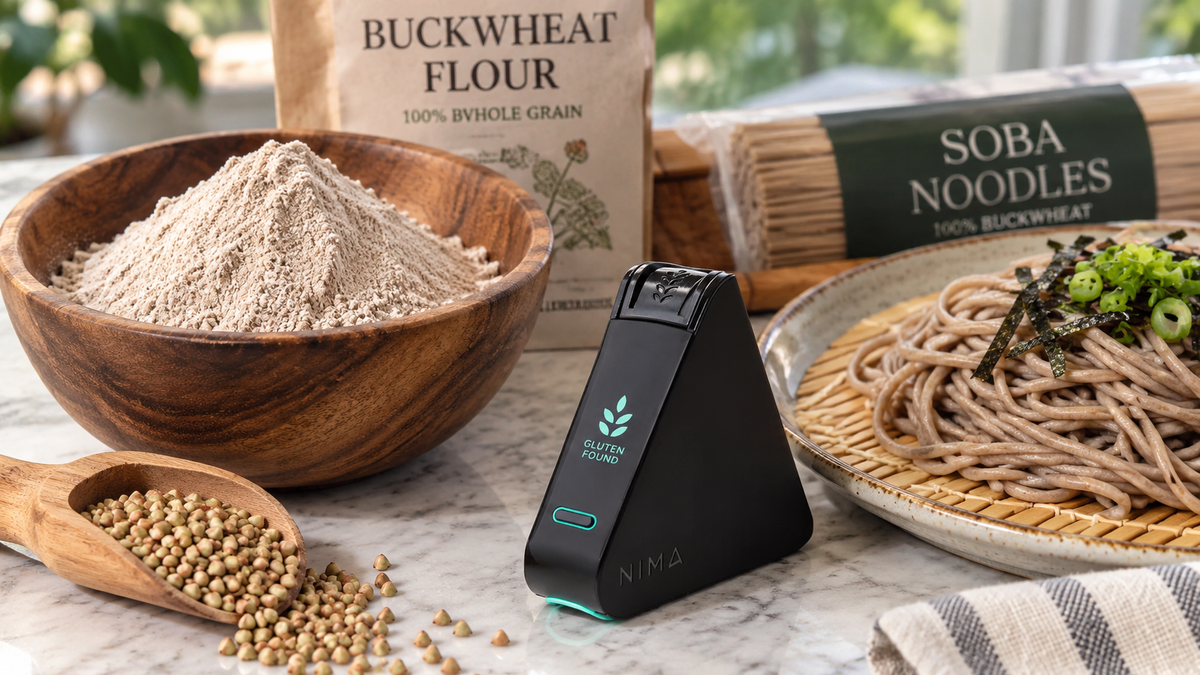
Yes. Pure buckwheat is naturally gluten free. A flour, noodle, mix, or restaurant dish is suitable for a gluten-free diet only when its full ingredient list and handling are gluten free. The name alone cannot show whether wheat was added or cross-contact occurred.
That distinction matters in the grocery aisle and at a restaurant. Buckwheat flour, soba noodles, and prepared dishes each need a slightly different check, so we'll take them one at a time.
Key Takeaways: Is Buckwheat Gluten Free?
-
Pure buckwheat is naturally gluten free, but flour, soba, mixes, and restaurant dishes still require a full ingredient and cross-contact check.
-
In the United States, a gluten-free claim requires less than 20 ppm of unavoidable gluten. An absent claim alone does not prove gluten is present.
-
Many soba noodles combine buckwheat with wheat flour, so check the ingredient list, gluten-free claim, and restaurant preparation instead of relying on the word soba.
-
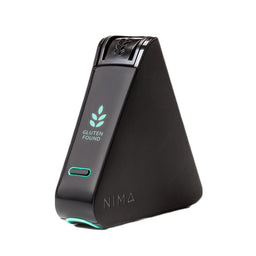
After label and kitchen checks, the NIMA Gluten Sensor can test a small sample of a suitable prepared buckwheat dish and return a result in about three minutes. The result applies only to the tested portion.
Why Buckwheat Is Naturally Gluten Free
Buckwheat is naturally gluten free because it is a seed rather than a type of wheat, and it does not contain the gluten proteins found in wheat, barley, or rye.
Plain buckwheat can show up as whole groats, cracked groats, flour, or kasha. Kasha is simply roasted buckwheat groats. In their pure form, all of these start with the same naturally gluten-free seed.
Still, "naturally gluten free" describes the ingredient, not every product made from it. Quinoa works the same way. NIMA's quinoa guide explains why the original ingredient and the packaged food need separate checks.
The FDA's gluten-free labeling rule makes that distinction practical. Buckwheat may carry a gluten-free claim when any unavoidable gluten is below 20 parts per million. The claim is voluntary, so its absence doesn't prove that gluten is present. You need more information.
Even an unprocessed-looking product deserves a label check. A bag of groats from a sealed package may come with clearer sourcing and processing information than the same ingredient from an open bulk bin, where shared scoops and nearby grains can add another cross-contact question.
What to Check in Buckwheat Flour
Pure buckwheat flour is naturally gluten free. A bag can still be unsuitable if it contains another flour or if buckwheat picked up gluten during growing, transport, storage, or milling before it reached the shelf.
Two checks matter here. Does the product intentionally include wheat, barley, rye, or malt? Could the buckwheat have picked up gluten somewhere along the supply chain? You need both answers.
Read the Ingredient List
Look for buckwheat as the only flour. A buckwheat pancake, crepe, baking blend, or premade food is gluten free only when every flour and ingredient used is gluten free. The front label is only a clue.
Read every ingredient, even when the package design strongly suggests a single-grain product. Watch for wheat flour, barley, rye, malt, and vague flour blends that aren't fully explained.
The same habit helps with other naturally gluten-free staples. NIMA's corn guide shows how processing and added ingredients can change the answer.
Check the Gluten-Free Claim and Cross-Contact Notes
For someone who needs strict gluten avoidance, a clearly labeled gluten-free buckwheat flour provides more useful assurance than the ingredient name alone. Under the FDA rule, a product using that claim must meet the federal definition, including less than 20 ppm from unavoidable cross-contact.
A missing "may contain wheat" statement offers no proof about cross-contact. Advisory statements are voluntary. Shared equipment or facilities require more context, so if the package isn't clear, check the manufacturer's current allergen or gluten information before buying.
A 2020 buckwheat study shows why sourcing matters. Researchers found gluten on surfaces that had touched broken gluten-containing grains and, under some test conditions, in buckwheat exposed to those surfaces afterward. Buckwheat remains a naturally gluten-free seed, yet contact before manufacturing can change the ingredient that reaches you.
Bulk bins add a separate handling step after manufacturing. If you need strict gluten avoidance, consider whether the store uses dedicated containers and scoops. If the store cannot verify dedicated handling, a sealed product with a clear gluten-free claim is easier to assess.
Can NIMA Test Buckwheat Flour?
NIMA's responsible-use guidance calls for a modified sampling method with dry buckwheat flour, so flour should not be tested like a cooked bite.
For flour, start with the label and the manufacturer's allergen information. If you test a finished buckwheat pancake or cooked noodles, follow NIMA's food-specific sampling guidance and interpret the result only for the portion in the capsule.
Are Soba Noodles Gluten Free?
Some soba noodles are gluten free, but many aren't. Check before you buy. Soba is associated with buckwheat, yet many packaged and restaurant versions combine buckwheat flour with wheat flour. The word "soba" is not enough to make the call.
The Celiac Disease Foundation flags soba made with only a percentage of buckwheat flour, and Illinois Extension notes that many soba noodles contain wheat. Check the actual ingredients and look for a gluten-free claim on the package.
Packaged noodles give you a label to review. Restaurant soba adds questions about the recipe, cooking water, utensils, sauces, and preparation surfaces.
100% Buckwheat Soba vs. Buckwheat-Wheat Blends
A noodle labeled 100% buckwheat, sometimes called juwari soba, points to a wheat-free recipe. That's useful, but incomplete. Verify the ingredient list and gluten-free claim because neither a front-label percentage nor a traditional term tells you how the noodles were manufactured.
Standard soba often uses wheat flour as a binder. Color, firmness, and flavor cannot reliably reveal a wheat blend. Use the package and manufacturer's information.
If a product lists only buckwheat but lacks a gluten-free claim, look for a clear cross-contact statement or contact the maker. The word "buckwheat" alone leaves cross-contact risk unresolved.
How Do You Sample Cooked Soba With NIMA?
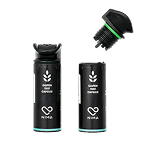
To test cooked soba with NIMA, build one representative pea-sized sample from small bites taken from different parts of the noodles.
Place that combined sample in one capsule. Keep the dish's parts separate in your reasoning. A result from the noodles does not cover an untested sauce or topping, and it does not speak for the entire meal.
What to Ask at a Restaurant
Ask one question first. “Do these soba noodles contain wheat, and can you check the original package or ingredient sheet?” A source check is more reliable than asking whether soba is usually gluten free.
Ask how the noodles are prepared and whether they share cooking water, strainers, cutting boards, or utensils with wheat noodles. The sauce matters too. Check whether the dip contains regular soy sauce or another wheat-containing ingredient. Even with a wheat-free noodle, gluten can enter the dish through the water, tools, sauce, or prep surface before it reaches your plate.
Regular soy sauce often contains wheat. Fermented and hydrolyzed foods cannot be reliably tested with NIMA. Use the kitchen's ingredient information instead of a NIMA result to clear the sauce.
A Simple Buckwheat Safety Checklist
Keep these five checks handy for flour, pancake mix, or soba. Start with the food's form, because that's where the questions change.
-
Identify the form. Plain groats are simpler than flour, mixes, noodles, or prepared dishes.
-
Read every ingredient. Check for wheat, barley, rye, malt, regular soy sauce, and unexplained flour blends.
-
Look for a gluten-free claim. For packaged foods in the United States, this claim must meet the FDA definition.
-
Check cross-contact information. Review the label and the manufacturer's current guidance when shared processing is possible.
-
Ask preparation questions. At a restaurant, confirm ingredients, cooking water, tools, surfaces, and sauces.
No single line on a package answers every question. NIMA's rice guide offers another example of how a naturally gluten-free staple can change once seasoning, processing, or shared preparation enters the picture, long after harvest.
Where NIMA Fits in Your Gluten-Free Toolkit
NIMA fits after label reading and kitchen questions, as an additional check for a suitable cooked or prepared buckwheat dish. It does not replace ingredient checks, restaurant communication, or healthcare guidance.
Sampling is the catch. Gluten may be scattered unevenly through a meal, and the result applies only to what went into the capsule. Celiac Canada does not recommend using the sensor to decide whether an entire food or meal is gluten free, pointing to the limits of a small sample.
Follow NIMA's instructions for a representative sample when you test a suitable prepared dish. Small bites from different areas matter. A result from the noodles cannot make a separate claim about an untested sauce or side.
Some foods need special handling, and others cannot be tested reliably. NIMA's responsible-use guidance explains current limits for fermented or hydrolyzed foods, alcoholic beverages, and dry or powdery foods such as flour. Follow that guidance instead of testing dry buckwheat flour as though it were an ordinary prepared bite.
Buckwheat FAQs
Plain kasha can be gluten free. Buckwheat pancakes may contain wheat flour, so each finished product needs its own ingredient and cross-contact check.
Is Kasha Gluten Free?
Plain kasha is naturally gluten free. It's roasted buckwheat groats. Seasoned kasha, packaged blends, and prepared dishes still need an ingredient and cross-contact check.
If you're asking "is kasha gluten free?" in a store, look for a product made only from buckwheat and, when strict avoidance is necessary, a clear gluten-free claim. At a restaurant, ask what was added and how it was cooked.
Are Buckwheat Pancakes Gluten Free?
Not necessarily. A buckwheat pancake is gluten free only when every flour and ingredient in the mix or recipe is gluten free, so verify the batter before buying a package or placing an order.
At a restaurant, ask about the batter and the cooking surface. A gluten-free recipe can encounter crumbs or wheat batter on a shared griddle, spatula, bowl, or measuring tool. At home, choose a clearly labeled gluten-free mix or use verified gluten-free ingredients.
Make Your Next Buckwheat Choice With More Clarity
Buckwheat itself is naturally gluten free, but a clear decision about flour, soba, or a prepared dish comes from several checks working together. Read the ingredients, confirm the gluten-free claim, ask how the food was prepared, and keep sauces and shared equipment in view. Each step closes a different gap.
For a suitable prepared dish, NIMA can add one last check before your first bite. Its current instructions use a small pea-sized sample and return a result in about three minutes, with the answer limited to that tested portion.
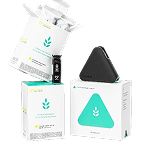
See how the NIMA Gluten Sensor works, then decide whether that extra check fits your routine.
Recent News

Gluten-Free Halloween Candy List: What to Check Before You Eat
Use this gluten-free Halloween candy list to sort trick-or-treat bags with less guesswork. Learn which current treats may fit a gluten-free diet, why seasonal packaging matters, and what to verify before the first bite.


