


Gluten Belly: Symptoms, Causes, and How to Know If Gluten Is the Problem
Feeling swollen or uncomfortable after bread or pasta can make gluten feel like the obvious culprit. Does gluten cause bloating? It can, but bloating alone cannot tell you whether gluten is responsible. “Gluten belly” is everyday shorthand, not a diagnosis. Celiac disease, wheat allergy, non-celiac gluten or wheat sensitivity, fructans, IBS, and causes unrelated to gluten can all feel similar.
Start with the pattern. Keep eating gluten until celiac testing is complete, then work through the possibilities with the right clinician. That sequence protects test accuracy and cuts down on guesswork. It gives you a better chance of identifying the trigger behind your symptoms.
Key Takeaways: What “Gluten Belly” Means
-
“Gluten belly” is informal shorthand for bloating or abdominal discomfort, not a diagnosis, and symptoms alone cannot show whether gluten is the cause.
-
Before removing gluten, talk with a clinician about celiac testing because a gluten-free diet can affect diagnostic results.
-
A structured symptom log and clinician-guided elimination can help separate gluten from wheat, fructans, allergy, and other causes.
-
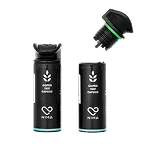
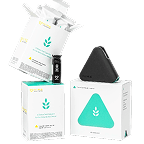
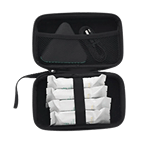
For readers already following a clinician-guided gluten-free plan, NIMA’s gluten sensor tests a pea-sized food sample in minutes. Diagnosis still belongs to a clinician.
What Does “Gluten Belly” Mean?
People usually mean bloating, pressure, gas, visible abdominal swelling, cramps, or pain after a food they believe contains gluten. “Gluten belly” can help you describe what you feel, but it does not identify a medical condition.
Bloating is the feeling of fullness or swelling. Distension is a measurable increase in abdominal size. You can have either one without the other, and neither your appearance nor the intensity of discomfort can reveal whether gluten is responsible.
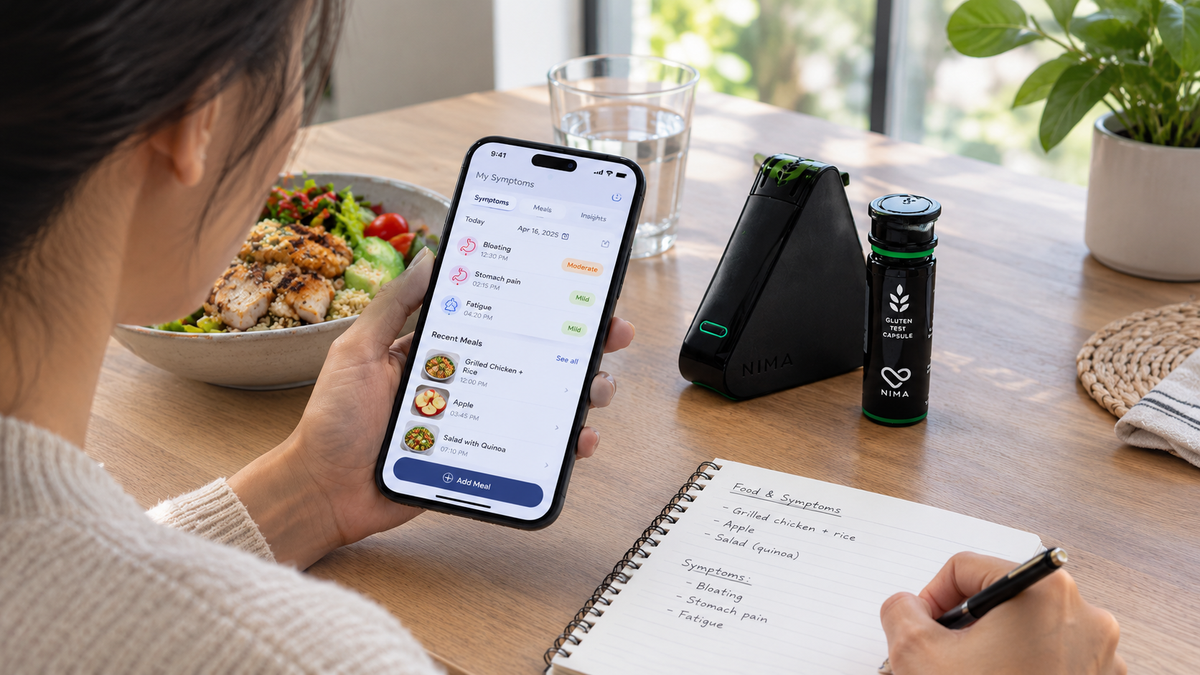
Meal timing can help reveal a repeatable pattern, but it cannot identify the cause by itself. Record when symptoms start, how long they last, what else you ate, and whether the pattern returns.
How long does gluten bloating last? There is no single timeline that identifies the cause, so treat duration as one clue, not the verdict. Record it alongside the meal, timing, other symptoms, and what happened the next time you ate something similar.
From a nutrition perspective, bloating after meals is worth looking at in the context of the entire meal rather than one ingredient alone. Portion size, eating quickly, fiber intake, fluid intake, and bowel habits can all influence digestive comfort. Looking at these factors alongside symptom timing may help you and your registered dietitian identify patterns without unnecessarily restricting foods.
Gluten Belly Symptoms to Track
Digestive symptoms worth tracking include bloating, gas, abdominal pain or cramping, diarrhea, constipation, nausea, and changes in stool. If you suspect bloating from gluten, record the full pattern rather than isolating one sensation. Some people report fatigue or headache, but those symptoms are broad and can have many causes. For a wider symptom overview, use NIMA’s guide to gluten intolerance symptoms without treating a checklist as a diagnosis.
The whole meal matters. Record what you ate, the portion, when symptoms began, how long they lasted, and whether anything else showed up. Sauces, dairy, onions, garlic, carbonation, and meal size can all change how you feel, even when bread or pasta is the ingredient that catches your attention.
One uncomfortable meal offers little useful evidence. A handful of clear entries may reveal a pattern around wheat-containing foods, oversized meals, certain restaurant dishes, or days when constipation is already in the picture. That is much more useful to a clinician than a guess made after dinner.
A registered dietitian can help you review your food and symptom log for recurring patterns while checking that your usual intake remains nutritionally adequate. Avoid eliminating multiple food groups at once, since doing so can make it harder to identify the trigger and may reduce your intake of important nutrients, including fiber, iron, and B vitamins.
If You Feel Sick After a Gluten-Free Meal, What Can Food Testing Show?
Food testing can show whether gluten is present in the sample, but it cannot show whether suspected gluten-related bloating came from that food or diagnose the cause of other symptoms.
For someone already following a clinician-guided gluten-free plan, NIMA’s guide to testing restaurant food explains how the sensor checks a pea-sized portion of a suitable finished dish in about three minutes. Use that result after label reading and kitchen questions, as one more data point rather than proof about the whole meal.
Why Gluten May Be Only One Possible Trigger
Wheat foods contain gluten, but they contain other proteins and carbohydrates. Feeling bloated after pizza, bread, or pasta does not isolate gluten as the cause. The same symptom appears in several different conditions.
Use the table to see how the next step changes with the mechanism behind the symptom. Bring it to a clinician as a conversation starter, not a diagnosis.
|
Possible trigger |
What makes it different |
Useful next step |
|
Celiac disease |
An immune disorder in which gluten can damage the small intestine |
See a gastroenterology clinician and test while still eating gluten |
|
Non-celiac gluten or wheat sensitivity |
Symptoms occur without celiac disease or a classic wheat allergy |
Use a clinician-guided elimination and reintroduction |
|
Wheat allergy |
An allergic reaction to wheat proteins that may affect skin, breathing, or digestion |
See an allergist and follow emergency guidance for severe reactions |
|
Fructans or an IBS-type reaction |
Fermentable carbohydrates in wheat and other foods may drive gas and bloating |
Discuss a structured diet assessment with a clinician or dietitian |
Celiac Disease
Celiac disease is a chronic immune disorder triggered by gluten. In a person with celiac disease, that immune response can damage the small intestine and interfere with nutrient absorption. It is not a food intolerance.
Celiac disease can cause bloating. NIDDK lists gas, diarrhea, constipation, nausea, vomiting, and abdominal pain among other possible digestive symptoms. NIDDK stresses that symptoms vary widely. Family history, iron-deficiency anemia, unexplained weight loss, growth concerns, persistent diarrhea, or dermatitis herpetiformis can strengthen the reason to seek testing. Some people have few digestive symptoms, so severity does not tell you whether celiac disease is present.
Non-Celiac Gluten or Wheat Sensitivity
Common non-celiac gluten sensitivity symptoms include bloating, pain, diarrhea, fatigue, and other reactions after wheat or gluten-containing foods. People sometimes describe the same pattern as gluten intolerance with bloating, but there is no single validated blood test that confirms the condition.
The American College of Gastroenterology explains that clinicians first look for celiac disease and wheat allergy, then consider symptoms and response to a gluten-free or wheat-free diet. This is why “wheat sensitivity” can be useful language. The responsible component may not always be gluten.
Wheat Allergy
Wheat allergy is an allergic reaction to proteins in wheat. Wheat allergy symptoms can appear quickly and may include hives, swelling, wheezing, vomiting, or trouble breathing. That pattern differs from celiac disease and non-celiac sensitivity.
The American College of Allergy, Asthma & Immunology advises evaluation by an allergist when wheat allergy is suspected. A digestive reaction by itself cannot confirm an allergy, but breathing trouble, throat tightness, faintness, or symptoms affecting more than one body system need urgent action.
Fructans, IBS, and Other Causes of Bloating
Fructans are fermentable carbohydrates found in wheat, rye, onions, garlic, and other foods. For some people with IBS, gut bacteria ferment them and produce gas. The carbohydrates can pull water into the bowel. This can contribute to IBS bloating and pain.
The distinction shows up in research, too. In a randomized crossover trial of 59 people with self-reported non-celiac gluten sensitivity, celiac disease had already been excluded, and participants had higher overall symptom and bloating scores after fructans than after gluten. That result does not prove fructans are the cause for you. It does show why a reaction to bread does not automatically equal a reaction to gluten.
Other possibilities include lactose intolerance, constipation, large portions, carbonation, and other digestive conditions. Persistent symptoms deserve clinical evaluation instead of an expanding list of foods to avoid.
If fructans or irritable bowel syndrome are suspected, a registered dietitian can help determine whether a structured dietary approach, such as a low-FODMAP diet, is appropriate. When used, this approach typically involves a short-term elimination phase followed by systematic reintroduction to identify individual tolerances. Long-term restriction is not the goal; the aim is to find the least restrictive eating pattern that helps manage symptoms while maintaining nutritional adequacy.
How to Know Whether Gluten Is the Problem
There is no single at-home answer to how to test for gluten intolerance. Symptoms alone cannot confirm celiac disease, wheat allergy, or non-celiac sensitivity. Testing first, tracking second, and a guided diet trial third usually produces clearer information than cutting several foods at once.
If you are comparing medical tests with point-of-use food tests, NIMA’s gluten test cost guide explains the difference. Tests of your body help evaluate a condition. Food testing answers a narrower question about a food sample.
Step 1: Keep Gluten in Your Diet Until Celiac Testing Is Complete
Do not start a gluten-free diet before celiac testing is discussed with a clinician. NIDDK notes that removing gluten can affect diagnostic results. If antibody levels fall or intestinal damage begins to heal, blood tests or a biopsy may produce a false negative.
Celiac evaluation commonly uses your medical and family history, blood tests, and, when indicated, biopsies of the small intestine. Ask your clinician how much gluten to eat and for how long while testing is underway. Do not prescribe yourself a gluten challenge from an article, especially if eating gluten has caused severe symptoms.
Step 2: Track Meals, Timing, and Symptoms
Use a short log for one or two typical weeks, or for the period your clinician recommends. Capture the food, ingredients, portion, preparation setting, symptom onset, severity, duration, and bowel changes. Include wheat-containing meals and useful comparison meals rather than assuming every uncomfortable day traces back to gluten.
Keep the log simple enough that you will use it. Screenshot the tracker below and bring the completed notes to your appointment.
|
What to record |
Details |
|
Meal or food |
Dish, ingredients, brand, and portion |
|
Where it was prepared |
Home, restaurant, takeout, or packaged food |
|
Symptom onset |
When symptoms began after eating |
|
Symptoms and severity |
Bloating, pain, gas, nausea, stool changes, or other signs |
|
Duration |
How long symptoms lasted |
|
Comparison meal |
A similar meal with a useful ingredient difference |
Step 3: Use a Guided Elimination and Reintroduction Only After Testing
Once celiac disease and wheat allergy have been addressed, a clinician or registered dietitian may suggest a structured elimination and reintroduction. The goal is to change one variable at a time, observe the response, and protect your nutrition.
Consistency matters more than creating a perfect food diary. Include days when symptoms do not occur, too, since these can be just as helpful when comparing meals and identifying possible triggers. If symptoms vary from day to day, consider whether stress, sleep, physical activity, hydration, or changes in bowel habits may also be contributing. Bring your notes to a registered dietitian or clinician rather than making major dietary changes based on a few entries.
Feeling better without gluten can be an important clue, but it does not prove celiac disease. It may reflect less wheat, fewer fructans, a change in meal pattern, or another difference in the foods you chose. Broad IgG food-intolerance panels are not a substitute for this diagnostic process.
If you are thinking about long-term sensitivity, NIMA’s guide to whether gluten intolerance can be reversed provides more context. Use it after diagnosis, not as a reason to skip testing.
Can a Gluten Sensor Tell You Why You Feel Bloated?
No gluten sensor can diagnose why you feel bloated, since it tests food rather than your body.
NIMA’s current accuracy and role guidance describes the sensor as an added information layer for people already living gluten-free, beside label reading, cross-contact questions, and medical care. That boundary matters. Use a food result to inform a meal decision, not to explain a symptom or skip testing.
When to See a Doctor
Book an appointment if bloating is persistent, keeps returning, or affects daily life. Seek evaluation sooner for unexplained weight loss, ongoing diarrhea or vomiting, blood in the stool, fever, or severe abdominal pain.
A first-degree family history of celiac disease or an itchy blistering rash linked with celiac disease strengthens the reason for timely evaluation. Bring your symptom tracker and family history so the conversation starts with evidence rather than memory alone. Note whether symptoms ease between episodes and whether anyone in your family has celiac disease or wheat allergy. Those details can help your clinician choose a more useful starting point.
Emergency Allergy Signs and Other Red Flags
Trouble breathing, throat or tongue swelling, faintness, a weak pulse, rapidly spreading hives, or a reaction involving more than one body system can signal anaphylaxis. Follow the person’s prescribed allergy action plan, use epinephrine when directed, and seek emergency care. Do not wait to see whether the symptoms pass.
NIMA cannot assess an allergic reaction, diagnose a condition, or replace emergency or routine medical care. Its job is to test food, not your body.
If You Already Live Gluten-Free, Check the Food, Not Your Body
For people with an established medical need or a clinician-guided gluten-free plan, food testing answers a different question. NIMA tests a pea-sized food sample for gluten and returns a result in about three minutes. It cannot explain why you feel bloated.
Use the sensor after label reading, kitchen questions, and cross-contact precautions. NIMA’s guide to cross-contact can help you spot the handling risks that ingredient lists cannot show. Then, for a suitable prepared food, the sensor can serve as an additional layer before your first bite.
NIMA’s Responsible Use guidance spells out the limits. A result applies to the tested sample, not the whole dish. Gluten can be distributed unevenly, and a negative result is not a guarantee. The sensor is a consumer food-testing tool, not a medical device, and some food types cannot be tested reliably.
Get Clear Answers Before You Change Your Diet
The phrase “gluten belly” may start your search. From there, keep gluten in your diet until celiac testing is complete, track the pattern, and work with a clinician or registered dietitian to separate gluten from wheat, fructans, allergy, and other causes.
Careful notes can turn a vague suspicion into a useful conversation and a clearer next step. If you already live gluten-free, review NIMA’s Responsible Use guidance and decide whether testing a suitable food sample fits your broader toolkit.
That keeps the order clear. Diagnosis comes first, food testing comes later, and NIMA remains one added check before the first bite.
Recent News

Is Maltodextrin Gluten Free? What People With Celiac Disease Need to Know
Maltodextrin is usually gluten-free, even when it starts with wheat starch. Learn how processing and label rules affect people with celiac disease, when to contact a manufacturer, and why the finished product still deserves a careful check.


