

Gluten-Free Halloween Candy List: What to Check Before You Eat
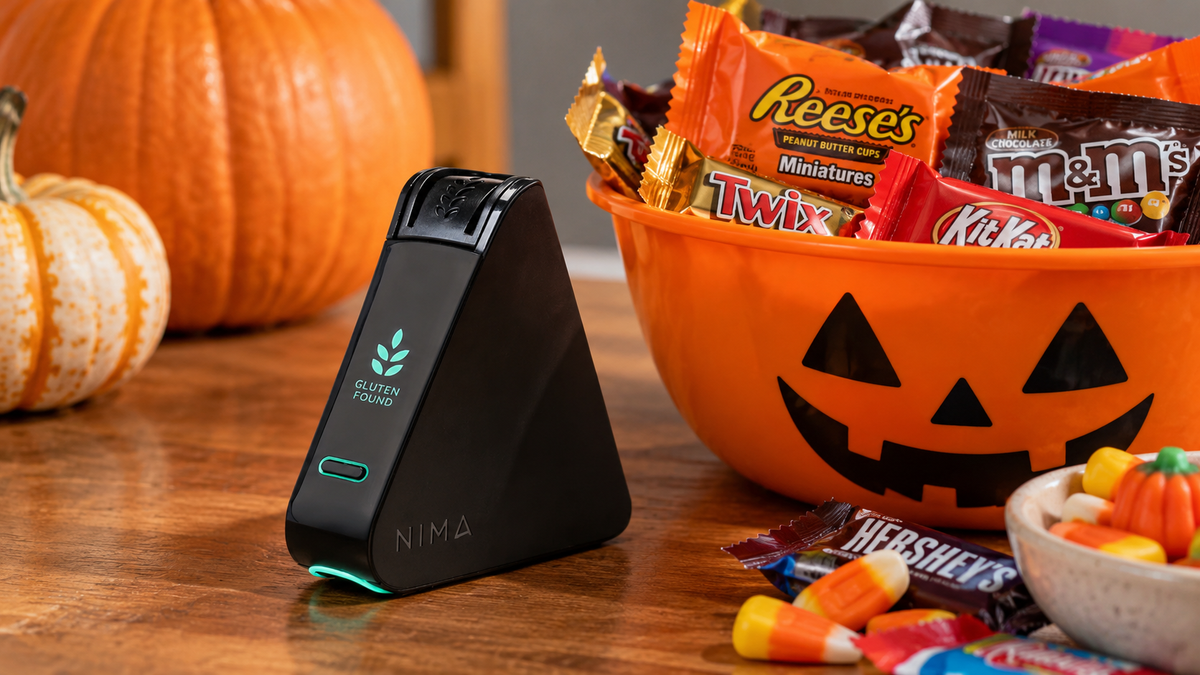
A trick-or-treat bag can look familiar until the wrappers come out. Snack sizes, pumpkin shapes, mixed assortments, and new flavors may not match the full-size candy you remember from last year.
Many popular U.S. candies are labeled or reported gluten-free. If you need gluten-free candy for Halloween, the package in your hand still decides what belongs in the keep pile. Use this 2026 gluten free Halloween candy list to narrow the choices, then read every wrapper before anyone takes a bite. This guide provides practical information and does not replace medical advice.
What Halloween Candy Is Gluten-Free?
Current U.S. examples include qualifying Hershey’s Kisses, standard Reese’s Peanut Butter Cups, Skittles, Starburst Chews, Smarties, Dum Dums, Tootsie Pops, and DOTS. Check the exact size, flavor, shape, ingredient list, allergen statement, and gluten-free claim because products sold under one brand can differ. Package information comes first; a gluten sensor can add context only when a food can be tested responsibly.
2026 Gluten-Free Halloween Candy List
The Celiac Disease Foundation’s September 2026 guide lists treats that U.S. manufacturers label or report as gluten-free. It is a useful starting point. The Foundation still tells readers to review each package because recipes and manufacturing practices can change without notice.
Keep the outer bag while you sort. It may carry the full ingredient list, gluten-free claim, facility note, and manufacturer contact details that do not fit on an individual wrapper. Group candy by its full product name and size instead of dropping everything from one brand into the same pile.
This list of gluten-free Halloween candy is selective. It covers familiar picks and the exceptions most likely to change your decision. If a favorite is missing, check its current package or contact the manufacturer. Absence from this list does not prove that the candy contains gluten.
Chocolate and Peanut Butter Treats
The current Celiac Disease Foundation list includes these Hershey products, subject to the exceptions shown.
-
Hershey’s Kisses in listed varieties, including Milk Chocolate, Special Dark, Hugs, Candy Cane, Cherry Cordial, and Mint Truffle
-
Heath Bars and Payday bars
-
Standard Reese’s Peanut Butter Cups, except products with gluten-containing add-ins or seasonal and limited-edition flavors and shapes
-
Reese’s Pieces and Rolo Caramels
-
York Peppermint Patties, except minis
Small changes count. Hershey excludes the fun-size versions of some chocolate bars, certain seasonal shapes, limited editions, and products with gluten-containing add-ins from its current list. Hershey’s current gluten-free product page asks shoppers to read the package each time because ingredients can change.
Treat “Reese’s” as a brand, not a single gluten status. A standard peanut butter cup, an OREO cup, a pumpkin-shaped piece, and a snack mix are separate products. The same logic applies to chocolate bars with wafers, pretzels, cookie crumbs, or crisped ingredients.
Fruity, Chewy, and Gummy Candy
Current examples include the following products and qualifying varieties.
-
Skittles and Starburst Chews
-
Mike and Ike and Hot Tamales with a gluten-free claim on the package or company website
-
Jelly Belly jelly beans and candy corn with a current gluten-free claim
-
Welch’s Fruit Snacks and listed Welch’s snack varieties
-
Qualifying YumEarth treats, including Halloween Gummy Fruits, Halloween Pops, and Halloween Sour Littles
Gluten-free does not automatically mean dairy-free, peanut-free, vegan, or suitable for every reader. Someone looking for gluten-free, dairy-free Halloween candy must check each need on its own. This matters most with bulk bins, mixed bags, and third-party assortments, where the original product information may be incomplete.
Gummies and fruit snacks can change with the coating, filling, or seasonal edition. A sour version may use ingredients that are absent from the standard candy. Look for the claim on that exact item instead of extending one product’s status to the whole brand.
Lollipops, Mints, and Nostalgic Favorites
The 2026 list includes these familiar picks for gluten-free trick-or-treat candy.
-
Dum Dums Lollipops and other qualifying Spangler products
-
Smarties Candy Rolls and other candy made by Smarties Candy Company
-
Tootsie Pops, Tootsie Rolls, DOTS, and Blow Pops
-
Qualifying Tootsie Roll products such as Andes Mints, Junior Mints, and Charms Pops
Smarties require one extra check. Smarties Candy Company’s allergen statement says its candy is gluten-free, but other companies use the Smarties name. A UPC beginning with 0 11206 shows that the package came from a Smarties facility covered by the company’s statement. If another company rebagged the candy, ask that company about its facility.
Tootsie Roll’s FAQ currently says all its confections are gluten-free. That covers products such as Tootsie Pops, Tootsie Rolls, DOTS, and several Charms candies. Confirm the current wrapper and manufacturer statement before eating, especially when the original outer bag is gone.
Why the Exact Wrapper Matters
Online lists age. Packages do, too. A manufacturer can change a recipe, factory, co-packer, or package size before every article on the web catches up.
Use the list to find possibilities, then let the wrapper make the final call. Under the FDA’s gluten-free labeling rule, a food using a voluntary gluten-free claim must contain less than 20 parts per million of gluten and meet the rule’s ingredient requirements. A product with no obvious wheat ingredient has not automatically met that standard.
When you are checking Halloween candy that is gluten-free, “no wheat ingredients” answers only part of the question. Barley, rye, malt, and cross-contact still deserve attention. The regulated gluten-free claim gives you a defined federal standard. An ingredient list without visible wheat still needs a full read.
Mini, Fun-Size, and Seasonal Shapes
Holiday shapes and smaller bars may use another recipe or production line. Hershey’s current list identifies exceptions for some fun-size products, minis, seasonal shapes, limited editions, and gluten-containing add-ins.
Reese’s Pumpkins show why format matters. Do not assume a pumpkin matches a standard Reese’s Peanut Butter Cup. Check the pumpkin package itself, and use the same approach for snack-size pieces, themed Kisses, and new Halloween flavors.
Rebagged, Imported, and Mixed Assortments
Once candy leaves its original bag, the answer can get harder to pin down. An individual wrapper may omit details printed on the shared package. A third-party repacker may use a facility with different disclosures.
Even familiar gluten-free candy brands need the original bag while you sort. Loose or unwrapped candy belongs in the verify pile when you cannot trace it to current ingredient information. Imported versions need a separate review because recipes and labeling rules can differ outside the United States.
Mixed assortments create another wrinkle. Several candies may share one outer bag but come from different production lines. Match each small wrapper to the exact product description on that bag. The status of one piece cannot clear the rest.
What to Do When Sources Disagree
Give the newest product-specific information the most weight. The current wrapper comes first, followed by the manufacturer’s current product page or consumer care team. A gluten-free candy list for Halloween can help you find likely options, but it cannot account for every lot, size, or package change.
If an older article says a candy is gluten-free but the new wrapper lists wheat, trust the wrapper and skip it. If the wrapper has no gluten-free claim and the ingredient list leaves you unsure about malt, flavoring, or production, contact the manufacturer. Save the package until you have an answer because the lot code may matter.
Sometimes the answer stays unclear. Put that piece in the verify pile and move on. Halloween should not turn into a research marathon at the kitchen table, especially when another treat has information you can check in seconds.
Candy to Avoid or Verify Carefully
Slow down when the product name mentions wafers, cookies, pretzels, crisped grains, malt, or a flour-based center. That pattern overlaps with broader guidance on foods to avoid with celiac disease. Those words often point to a gluten-containing ingredient, even when the larger brand makes other gluten-free products.
Watch closely for these common red flags.
-
Wafers or wafer pieces
-
Cookies, cookie crumbs, and pretzels
-
Crisped grains or cereal pieces
-
Malt, malt extract, and brewer’s yeast
-
Flour-based centers and unexplained flavor add-ins
The current U.S. Kit Kat ingredient list includes wheat flour. A missing gluten-free claim does not prove that every other candy contains gluten. If the information remains unclear after a careful read, contact the manufacturer or choose a treat that is easier to verify.
Novelty candy deserves the same pause. A filled chocolate or coated snack may hide the important detail in a short flavor description. Read the full product name and ingredients, even when the logo on the front feels reassuringly familiar.
A 60-Second Check Before the First Bite
Use the same five-step order for each piece. Keep the outer package nearby as you work. The process gets quicker with practice.
1. Find the Gluten-Free Claim
Check the front, back, and side panels. The claim is voluntary, so its absence does not always mean the product contains gluten. Its presence means an FDA-regulated U.S. food must meet the federal rule.
2. Read the Ingredient List
Scan for wheat, barley, rye, malt, malt extract, brewer’s yeast, cookie pieces, pretzels, wafers, and vague add-ins. Keep reading after you check for wheat.
3. Review Allergen and Facility Statements
U.S. labels must identify wheat as a major allergen. Barley and rye will not appear in the major-allergen “Contains” statement, so the full ingredient list still matters. “May contain” and “made in a facility with” are voluntary advisory statements, not standardized gluten-free claims.
4. Confirm the Exact Variant
Match the package to the size, flavor, shape, and edition you plan to eat. Standard, mini, fun-size, holiday, and limited-edition products may have different ingredients or manufacturing details.
5. Ask When the Answer Is Unclear
Use the phone number or website on the current package. If the wrapper is missing or the answer stays unclear, choose a treat with information you can verify.
Write down any other filters before opening a mixed bag. If you are using a gluten-free, dairy-free candy list, verify both claims separately. Gluten-free, dairy-free, peanut-free, and vegan answer different questions. A quick note keeps one label decision from being mistaken for a complete allergen review.
When NIMA Can Add Another Data Point
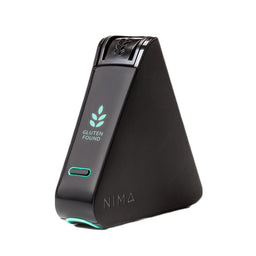
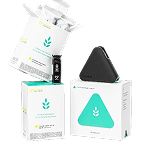
For packaged candy, current labels and manufacturer guidance come first. A clearly labeled or certified gluten-free treat usually does not need another check. If uncertainty remains around a food that can be tested responsibly, the NIMA Gluten Sensor can add one data point to your wider gluten-free toolkit.
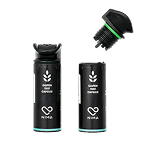
One capsule tests a representative sample, not a whole candy bag or every bite. Gluten can be distributed unevenly, so a “No Gluten Found” result applies only to the portion inside the capsule. NIMA does not replace packaging, manufacturer guidance, healthcare advice, or your judgment.
Read NIMA’s responsible-use guide before testing. It explains sampling techniques, foods that require another approach, and foods that NIMA cannot test reliably. One result should never be used to clear unrelated candies in an assortment or override a clear warning on the label.
Packaged candy presents a practical sampling problem. A tiny portion cannot represent every filling, flavor, or piece in a mixed bag. When the package already gives a clear answer, use it instead of asking a sample test to do a different job.
Make Trick-or-Treating Easier for Kids
Sorting can feel like part of the celebration when children have a simple job and clear choices. Sit down together, keep the original packages nearby, and make three piles.
-
Keep. The exact package has a current gluten-free claim or reliable manufacturer information that fits the child’s needs.
-
Verify. The candy is seasonal, rebagged, imported, loose, unfamiliar, or missing useful details.
-
Trade. The candy contains gluten, conflicts with another dietary need, or cannot be checked with confidence.
Add stickers, small toys, glow sticks, or another non-food option to the trade pile. A family candy swap opens up more choices without making a child feel singled out. Keep the focus on what they can enjoy.
For parties and school events, ask hosts to save boxes and outer bags until the food has been served. A label photo can help, but the original package is better when you need the lot number or manufacturer contact details. A trusted backup treat can take the pressure off an unclear decision.
Sorting for More Than Gluten
Write each child’s needs on a small card before you start sorting. Gluten, milk, peanuts, tree nuts, soy, sesame, and egg appear under different labeling rules, and one claim does not answer every question. A candy that fits one child may still belong in another child’s trade pile.
Use separate containers when you are sorting for several people. That small step prevents checked candy from drifting back into the unsorted pile and makes it easier to explain why two children received different options. Let each child choose a few favorite backup treats beforehand, too. The evening feels far less restrictive when the replacement is something they already enjoy.
Gluten-Free Halloween Candy FAQs
Are Tootsie Pops Gluten-Free?
Tootsie Roll says all its confections are gluten-free, including Tootsie Pops.
Check the current wrapper and company FAQ because statements can change. Imported products, third-party repacks, or candy with missing packaging need their own review.
Are Reese’s Pumpkins Gluten-Free?
Do not assume that Reese’s Pumpkins match standard Reese’s Peanut Butter Cups. Hershey treats seasonal shapes and limited editions as separate products. Look for a current gluten-free claim and ingredient statement on the exact pumpkin package.
Is Candy Corn Gluten-Free?
Gluten status varies by brand and package. The Celiac Disease Foundation’s 2026 list includes Jelly Belly Candy Corn as carrying a gluten-free claim, but that statement does not cover every candy corn. Keep generic, loose, or unwrapped pieces in the verify pile until you can confirm their source.
When comparing gluten-free candy corn brands, look for the full brand name and current ingredient panel. Candy corn from a bulk bin or decorative party bowl cannot be verified by color or appearance.
Enjoy Gluten-Free Halloween Candy With More Clarity
Use this gluten-free Halloween candy list to sort the candy, read the exact wrapper, and choose the treats you can verify. Current labels and manufacturer information do most of the work. The keep, verify, and trade piles keep the evening moving.
If uncertainty remains around a food that can be tested responsibly, review NIMA’s Responsible Use page to learn where point-of-consumption testing may fit. More clarity. Less guesswork.
Recent News

Is Buckwheat Gluten Free? What to Check in Flour and Soba
Buckwheat is naturally gluten free, but buckwheat flour and soba can contain wheat or pick up gluten during processing. Learn how to read labels, spot blends, reduce cross-contact risk, and make a more informed choice before you buy or order.


