
Is Rice Gluten Free? NIMA-Tested Answers For All Popular Varieties
You're standing in the rice aisle, or scanning a takeout menu, and the same question hits you again. Is this rice gluten-free and actually safe to eat? You've read the labels before. You've asked the questions at the counter. And you're still not completely sure.
Here's the reassuring part. Rice is one of the safest grains you can eat gluten-free, and the uncertainty you feel almost never comes from the grain itself. It comes from what gets added to the rice and where the rice has been along the way. Once you know where to look, that uncertainty gets a lot smaller.
The Short Answer: Is Rice Gluten-Free?
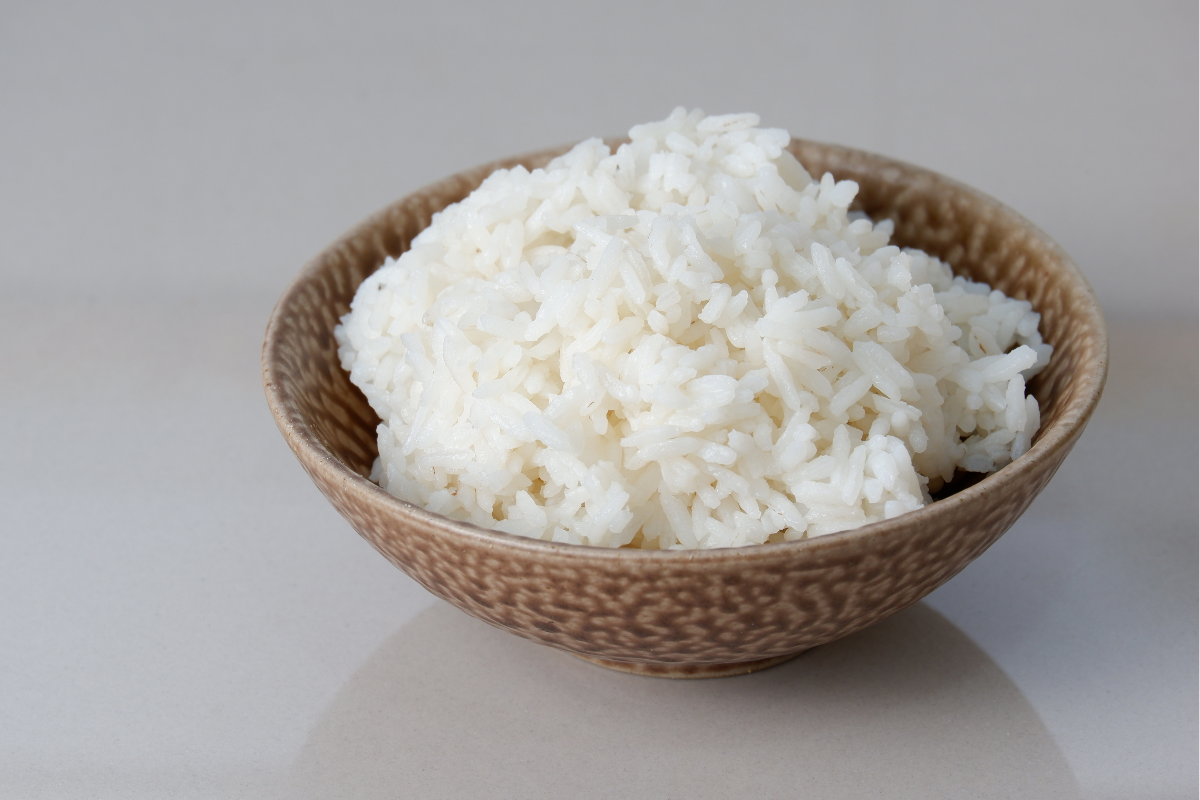
Yes. All plain rice is naturally gluten-free in its pure form, including white, brown, basmati, jasmine, wild, and specialty varieties. Rice contains no wheat, barley, or rye, so it doesn't carry the proteins that trigger a celiac reaction. It's a naturally gluten-free grain, full stop. Rice is one of many staples on the safe list, and our guide to what people with celiac can eat rounds out the rest.
The real catch is everything that travels with the rice. Seasoned mixes, sauces, and cross-contact in kitchens and factories. Plain rice is safe. Flavored, boxed, and restaurant rice is where you slow down and read the label since sauces, broths, seasoning blends, and preparation methods can introduce gluten.
What Gluten Is and Why Rice Isn't On the List
Gluten is a protein found in three grains, wheat, barley, and rye. It's the stretchy stuff that gives bread its chew and holds dough together. For someone with celiac disease, even a trace amount sets off an immune response that damages the lining of the small intestine.
Rice is a cereal grain, like wheat. But it doesn't contain gliadin and glutenin, the two proteins that make up wheat gluten and drive that reaction. That's the whole reason rice sits firmly outside the gluten group. Same broad grain family, completely different protein makeup. A lot of the confusion around rice comes from names and myths rather than the grain itself, and we'll clear those up below.
A Variety-by-Variety Breakdown of Gluten-Free Rice
Every variety of pure rice is gluten-free. The differences between them are culinary, not chemical. Texture, flavor, color, and stickiness change from one type to the next, but the gluten content stays exactly the same, zero. Here's how the popular varieties stack up.
White Rice
Plain white rice is gluten-free. It's milled to remove the bran and germ, which changes its texture and cook time, not its safety. The only risk shows up in boxed white rice sides and seasoned packets, where added flavorings can bring gluten with them.
Brown Rice
Brown rice is gluten-free too. It keeps the bran and germ, so it holds more fiber and a nuttier flavor, but that whole-grain profile has nothing to do with gluten. Buy it plain and it's safe.
Basmati Rice
Plain basmati, white or brown, is gluten-free. This long-grain aromatic rice is a staple in Indian and South Asian cooking. Watch seasoned basmati blends and restaurant pilafs, which can add wheat-based ingredients.
Jasmine Rice
Jasmine rice is gluten-free. It's a fragrant long-grain rice common in Thai and Southeast Asian dishes. As always, plain is safe, but flavored jasmine mixes need a quick label check.
Wild Rice
Wild rice is gluten-free, even though it's technically the seed of an aquatic grass rather than true rice. On its own it carries no gluten. The caution here is boxed wild rice blends, which often include seasonings or other grains.
Arborio and Risotto Rice
Arborio rice, the short-grain rice behind risotto, is gluten-free on its own. The dish is where things get tricky. Traditional risotto is naturally gluten-free, but always verify the broth, bouillon, wine additives, and preparation methods.
Sushi and Sticky Rice
Sushi rice and sticky rice are gluten-free in their pure form. The rice itself is fine. The risk lives in the accompaniments, like soy sauce, imitation crab, and shared prep surfaces, which we'll cover in a moment.
Black and Red Rice
Black rice and red rice are gluten-free. Their deep color comes from natural antioxidant pigments, not any additive, and they carry no gluten. Plain, they make a safe and colorful base for a meal.
The "Glutinous Rice" Myth, Cleared Up
The name throws people off, and it should. Glutinous rice contains no gluten. It's called glutinous because of its glue-like stickiness when cooked, not because of the protein. Sticky rice, sweet rice, and mochi rice are all gluten-free.
That means pure sticky-rice desserts and plain mochi are safe. The moment you add ingredients, though, the answer can change. Sauces, coatings, and fillings in some mochi and sticky-rice treats can introduce gluten, so the rice is clear but the finished dish might not be. Read it like any other mix.
Where Gluten Actually Sneaks Into Rice
Here's the shift that matters most. The grain is safe, but the path to your plate isn't always. This is the part most rice guides skip, and it's exactly where the real risk lives. Three sources cover almost every case, and each one is manageable once you know where to look.
Flavored, Seasoned, and Boxed Rice Mixes
Rice pilafs, boxed rice sides, and seasoning packets are the most common hidden source. They can contain wheat pasta, soy sauce, malt, or hydrolyzed wheat protein blended right in. Rice pilaf is a classic example, since it often includes orzo, which is wheat pasta, even with the word rice on the front of the box. The label doesn't settle the question on its own. Read the full ingredient list on any mix before you trust it, because the add-ins are where the gluten hides.
Restaurant, Takeout, and Cross-Contact Risk
Restaurants add a different layer. Shared utensils, steamers, and woks can move gluten from one dish onto your rice, and fried rice is usually made with soy sauce, which typically contains wheat. Sushi carries its own specifics, like imitation crab, standard soy sauce, tempura crumbs, and shared prep surfaces, all common gluten sources. Buffets add shared serving spoons that dip between the gluten-free rice and the pasta next to it. None of this means you can't eat out. It means the questions you already ask are the right ones.
Cross-Contact in Manufacturing and Storage
Even naturally gluten-free grains can pick up gluten before they reach your kitchen. Shared facilities, shared equipment, and bulk bins can introduce trace gluten during processing and storage. Under the FDA's gluten-free labeling rule, any product labeled gluten-free must contain less than 20 parts per million of gluten. That standard is strict, but it's not zero. And a 2010 pilot study published in the Journal of the American Dietetic Association found that some naturally gluten-free grains, seeds, and flours sold in the US actually exceeded that 20 ppm threshold, most likely from cross-contact in shared facilities.
For readers who are especially sensitive to trace gluten, that's why certification matters, and why a certified gluten-free label is a strong signal that still benefits from one final personal check. For individuals with celiac disease who want additional reassurance, choosing certified gluten-free products can help reduce uncertainty around cross-contact.
What About "Orzenin"? The Claim That Rice Contains Gluten
You may have seen a claim online that rice contains a gluten called orzenin. It's worth addressing calmly, because the worry behind it is real even if the conclusion isn't.
Here's the accurate version. Rice does contain a storage protein called orzenin (also spelled oryzenin). But it isn't the wheat, barley, or rye gluten that drives celiac disease. Many grains hold storage proteins of one kind or another. Only three of them, wheat gliadin, barley hordein, and rye secalin, are established triggers for celiac disease. Rice's orzenin isn't on that list, and it doesn't provoke the same immune response. So the concern is understandable, and the science doesn't support avoiding rice because of it.
Are Rice Flour, Rice Noodles, and Rice Cereal Gluten-Free?
Pure rice products follow the same rule as the grain. 100% rice flour is gluten-free, and noodles made entirely from rice, like many rice vermicelli and pad Thai noodles, are gluten-free too. The exception is blended products, where wheat flour gets mixed in, so confirm that the flour or noodle is all rice.
Rice cereal deserves a closer look. Some rice cereals are flavored or sweetened with barley malt, which is a gluten source, so the label still needs a read even when rice leads the ingredient list. And if you order rice noodles out, ask about shared fryers and shared cooking water, since cross-contact can happen even when the noodle itself is safe.
Can People With Celiac Disease Eat Rice?
Yes. Rice is one of the most recommended staple grains for a gluten-free diet, and celiac organizations like the Celiac Disease Foundation and Beyond Celiac list it among the grains that are safe to eat. Plain, uncontaminated rice gives you a reliable base for building meals you can trust.
Think of it as a foundation, not a free pass. Rice pairs with the habits you already have, like reading labels on anything mixed or seasoned, asking questions when you eat out, and following your dietitian's guidance. The grain is safe. The vigilance is for everything that touches it.
How to Know Your Rice Is Actually Safe
You already do most of the work. Buy plain rice instead of seasoned mixes. Read the full ingredient list on anything boxed or flavored. Ask about soy sauce, shared woks, and shared equipment when you eat out. And choose certified gluten-free when it's available, especially if you're highly sensitive.
There's one more step you can add before the first bite. NIMA is a portable gluten sensor that tests a pea-sized sample of your food and detects gluten down to 10 parts per million with 99% accuracy, in about three minutes, using a single-use capsule. Its performance was validated by an independent third-party lab. When you're looking at a plate of restaurant rice and the label reading and the questions still leave a gap, a quick test can help close it.
One honest note. NIMA adds confidence, it doesn't guarantee perfect safety, and it isn't a replacement for label reading, certifications, or your healthcare team. It's the last layer in your gluten-free toolkit, the final check before you take a bite, working alongside everything you already do.
Frequently Asked Questions
Does basmati rice contain gluten?
No. Plain basmati rice, whether white or brown, is naturally gluten-free. The risk comes from seasoned basmati blends and restaurant preparation, where added ingredients or shared equipment can introduce gluten. Buy it plain and prepare it in a clean kitchen and it's safe.
Is white rice or brown rice better on a gluten-free diet?
Both are gluten-free, so the choice isn't about gluten at all. Brown rice provides more fiber and some additional nutrients because it retains the bran and germ layers. White rice is softer and quicker to cook. Pick whichever fits your nutrition needs and your taste.
Can celiacs eat rice?
Yes. Plain, uncontaminated rice is a safe staple for people with celiac disease and one of the most recommended gluten-free grains. Just watch for seasoned mixes, sauces, and cross-contact when you eat out.
Is rice flour gluten-free?
Pure rice flour is gluten-free. Confirm the package lists 100% rice with no wheat blend, and check for any shared-facility warning if you're highly sensitive. On its own, rice flour is a reliable gluten-free baking staple.
Fill Your Plate Without the Guesswork
Here's where it lands. Plain rice, in every variety, is gluten-free, a safe and versatile staple you can build your meals around. The vigilance you carry belongs to the add-ins, the sauces, and the cross-contact that ride along with it, not the grain.
Keep doing what you already do well, and keep NIMA in your toolkit as the final check before the first bite. Test a pea-sized sample, get your answer in about three minutes, and enjoy the meal with confidence. That same simple check has already helped people eat more than 100,000 meals with less second-guessing. You've earned the freedom to fill your plate without the guesswork.
Sources
“Gluten and Food Labeling.” U.S. Food and Drug Administration, www.fda.gov/food/food-labeling-nutrition/gluten-and-food-labeling.
Thompson, Tricia, et al. “Gluten Contamination of Grains, Seeds, and Flours in the United States: A Pilot Study.” Journal of the American Dietetic Association, vol. 110, no. 6, 2010, pp. 937-940. PubMed, pubmed.ncbi.nlm.nih.gov/20497781/.
Recent News

What Can People With Celiac Eat? The Complete Beginner's Food Guide
Newly diagnosed with celiac disease and unsure what's still safe to eat? This beginner's guide breaks down the foods people with celiac can eat, the ones to avoid, and how to catch hidden gluten before your first bite.


