

Is Oatmeal Gluten Free? NIMA's Breakdown of 6 Popular Brands
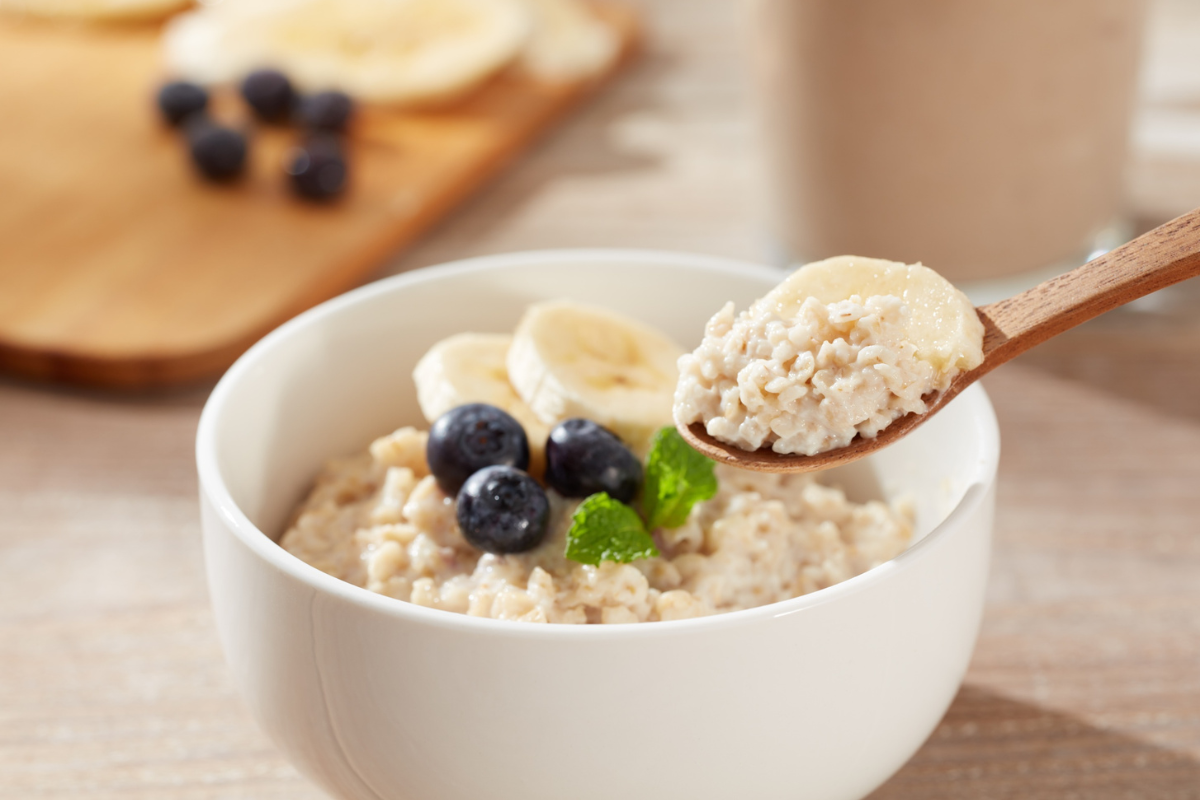
Pure oats are naturally gluten-free. But most oatmeal you'll find on a shelf can't be called guaranteed gluten-free, because oats are so often exposed to wheat, barley, and rye between the field and the box. So the question that actually matters is whether this particular oatmeal is safe for you. Rice sits in the same spot, naturally gluten-free as a grain but worth a label check once it is seasoned or boxed, which is exactly what our is rice gluten free breakdown covers.
If you've ever stood in the cereal aisle turning a box over in your hands, reading the label twice and still feeling unsure, you're in the right place. Here's what gluten-free actually means on an oatmeal label, how contamination happens, and how six popular brands stack up. And if you are still mapping out the bigger picture, our guide to what people with celiac can eat covers the safe foods beyond the cereal aisle.
The Short Answer: Are Oats Naturally Gluten-Free?
So, are oats gluten free? Gluten is a protein found in wheat, barley, and rye. Oats aren't on that list. The protein in oats is called avenin, and it's structurally different from the gluten that triggers a reaction in people with celiac disease. Quinoa is another naturally gluten-free staple, but answering whether quinoa is gluten-free in practice still requires checking seasonings, processing, and cross-contact. Corn belongs in that same naturally gluten-free group; corn is naturally gluten-free, but packaged corn products still need the same seasoning and cross-contact check.
So is oatmeal a gluten free food on its own? Essentially yes, oats are safe on their own. The problem is that oats rarely stay on their own. They're grown, harvested, shipped, and processed in a world built around wheat, and that's where gluten sneaks in.
That's why you can't answer the oatmeal question with a simple yes. A plain bag of conventional oats and a certified gluten-free bag can look almost identical on the shelf, but only one is made to be safe for a sensitive gut. The label, not the grain, tells you what you're actually getting.
How Oatmeal Gets Contaminated With Gluten
Cross-contact, also called cross-contamination, happens at nearly every step between the field and your bowl. Farmers often plant oats in rotation with wheat and barley, so stray gluten grains grow right alongside the oats. The same combines harvest both crops. The same trucks haul them. The same storage silos and processing lines handle them. The equivalent step for sushi happens in the kitchen rather than the supply chain, on boards and fryers shared with tempura.
By the time conventional oats are milled, they've had plenty of chances to pick up gluten, and none of it is visible. A box that simply says oats isn't lying to you. It just can't promise what it doesn't test for.
Here's the part that trips up even careful shoppers. Contamination is variable, changing from batch to batch. One bag from a brand you've trusted for years can test clean, and the next can carry enough gluten to make you sick. That gap between the box saying oats and you actually knowing it's safe is the whole problem.
What "Gluten-Free" on an Oatmeal Label Really Means
In the United States, a product can be labeled gluten-free if it contains less than 20 parts per million (ppm) of gluten. That standard comes from the FDA's gluten-free labeling final rule, and nearly every certified product is built around it.
Here's the catch most people miss. Gluten-free is a threshold, not a zero. A product can legally carry the label and still contain a small amount of gluten, up to that 20 ppm ceiling. For most people managing celiac disease, 20 ppm is considered a safe limit. But individual sensitivity varies, and some people react below it.
And the threshold isn't always met. A retrospective analysis of oat gluten testing from 2011 to 2023 found that roughly 7% of oat test portions still measured at or above 20 ppm. That's the strongest reason to treat the label as a reliable signal rather than an ironclad guarantee, especially if you're highly sensitive.
How Gluten-Free Oats Are Made: Purity Protocol vs. Sorted
Not all gluten-free oats are produced the same way. There are two main approaches, and knowing the difference helps you pick what fits your sensitivity.
Purity protocol oats are made with the most controlled method. Oats are grown on dedicated fields, harvested with dedicated equipment, and moved and stored separately from wheat and barley, with a documented chain of custody at every step. The goal is to keep gluten out from the very start rather than clean it up later.
Sorted oats take a different route. These are conventional oats that are mechanically and optically sorted after harvest to remove stray gluten grains, then tested to confirm they fall under 20 ppm. It's a clean-up approach rather than a prevention approach, and it can absolutely produce safe, certified oats.
So which should you choose? Purity protocol offers more control upstream, which appeals to the most sensitive eaters. Sorted oats can still be certified gluten-free and safe for most people. Neither method guarantees an absolute zero, which is worth remembering no matter which bag you reach for.
Can People With Celiac Disease Eat Oats?
For most people with celiac disease, yes. The Celiac Disease Foundation's review of the research shows that the majority of people with celiac can eat moderate amounts of pure, uncontaminated oats without triggering intestinal damage.
There's a small exception. A minority of people react to avenin, the oat protein itself, not just to gluten cross-contact. So if you're new to oats, it's smart to introduce them slowly and watch for symptoms rather than jumping straight into a daily bowl.
This is exactly the kind of decision worth talking through with your doctor or dietitian. They're the core of your gluten-free toolkit, and nothing here replaces their guidance. The goal is to add oats back with confidence, on terms that fit your body.
Why Healing Matters
Damage to the small intestine from untreated celiac disease can temporarily reduce your body's ability to absorb certain nutrients. As your intestine heals on a strict gluten-free diet, absorption often improves. Your healthcare team may monitor nutrients such as iron, folate, vitamin B12, vitamin D, and calcium, especially if you had deficiencies when you were diagnosed.
Some people notice their fiber intake decreases after switching to a gluten-free diet, because many gluten-free breads, crackers, and cereals contain less fiber than their wheat-based counterparts. Including certified gluten-free oats, along with fruits, vegetables, beans, nuts, and seeds as tolerated, can help support healthy digestion.
NIMA's Breakdown of 6 Popular Oatmeal Brands
These gluten free oatmeal brands are ones you'll actually see on shelves, not obscure specialty labels. For each one, the key questions that tell you which oatmeal is gluten free are the same. Is it certified gluten-free, and is it purity protocol or sorted? One quick note before you shop. Sourcing and certifications change, so confirm the current label language on the package or the brand's site before you buy.
Quaker Gluten Free Oats
Quaker runs a dedicated gluten-free line that's specially milled and sorted to remove stray gluten grains, then tested. That line is separate from Quaker's standard oats, which are not gluten-free. So the brand name alone doesn't settle it. Only the packages specifically marked gluten-free qualify, which means checking for that label every time rather than assuming all Quaker oats are safe.
Bob's Red Mill Gluten Free Rolled Oats
Bob's Red Mill produces its gluten-free oats in a dedicated gluten-free facility, and they carry GFCO certification. These are distinct from the brand's conventional oats. Bob's batch-tests its gluten-free oats, which is a reassuring signal if you're the kind of shopper who wants proof behind the label, not just a promise.
GF Harvest Gluten Free Oats
GF Harvest is a purity protocol pioneer, a family farm that grows oats on dedicated fields with dedicated equipment. If you're among the most sensitive readers, this is the clearest example of upstream contamination control on this list. The gluten is kept out from the field forward, not sorted out at the end, which gives you the most room for peace of mind.
One Degree Organics Sprouted Rolled Oats
One Degree offers organic, certified gluten-free sprouted oats that are glyphosate-tested. Sprouted simply means the oats are soaked and allowed to sprout before they're rolled. If you want a clean label alongside gluten-free assurance, this option covers both without making you choose one over the other.
Nature's Path Gluten-Free Oatmeal
Nature's Path makes certified gluten-free oatmeal, including convenient hot oatmeal pouches and gluten free instant oatmeal for busy mornings. One thing to watch. Flavored and instant varieties add extra ingredients, so the gluten-free promise on the oats doesn't automatically cover everything in the pouch. Read the full ingredient list on flavored options before you buy.
Trader Joe's Gluten-Free Rolled Oats
Trader Joe's store-brand gluten-free rolled oats are an affordable, easy-to-grab pick if you already shop there. Just don't confuse them with Trader Joe's standard rolled oats, which are not gluten-free. The two can sit close together on the shelf, so check that the package specifically says gluten-free to avoid an easy mistake.
How to Make Sure Your Oatmeal Is Actually Safe
You already do most of the work here. A few habits stack the odds in your favor. Buy certified gluten-free oats, not just oats that happen to leave wheat off the ingredient list. Lean toward purity protocol brands for the most upstream control if you're highly sensitive.
Read the full ingredient list on flavored or instant varieties, where add-ins can introduce gluten. Watch for reactions when you try a new brand, since contamination varies from batch to batch.
Even after all that, one gap is left, the bag in your kitchen right now. Certification tells you what a batch looked like at the plant, not what's in your specific box. That's where testing a sample of your own food adds a final layer.
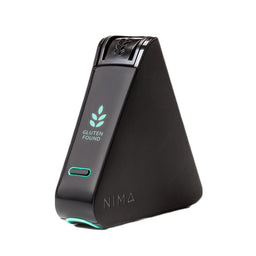
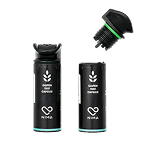
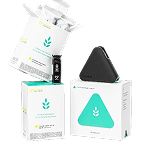
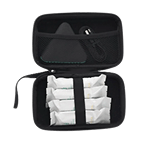
NIMA is a portable sensor that checks a pea-sized sample and tells you whether gluten is present down to 10 ppm, with 99% accuracy, in about three minutes, validated by an independent third-party lab. Think of it as the last step before the first bite, the check you run when everything else looks right but you still want to be sure.
To be clear, NIMA adds confidence, it doesn't guarantee perfect safety, and it works best alongside the habits you already have, not instead of them.
Frequently Asked Questions
Is all oatmeal gluten-free?
No. Only oats that are specifically grown, processed, and labeled gluten-free should be treated as safe. Standard oats often pick up gluten through cross-contact with wheat and barley, even when nothing on the label hints at it.
Are Quaker oats really gluten-free?
Only Quaker's specially marked gluten-free packages, not the regular oats. That line is milled, sorted, and tested to remove stray gluten grains. Quaker's standard oats don't go through that process, so always look for the gluten-free label.
Can a celiac eat oats?
Most people with celiac disease tolerate pure, uncontaminated oats in moderation without intestinal damage. A minority react to avenin, the oat protein itself, so introduce oats slowly, watch for symptoms, and confirm with your healthcare provider.
Your Next Bowl, Without the Guesswork
Oatmeal doesn't have to be a gamble. Once you know that pure oats are gluten-free and the real risk is cross-contact, the path forward gets simple. Choose certified gluten-free oats, favor purity protocol if you're especially sensitive, and keep reading labels the way you already do.
You've earned the right to enjoy breakfast without second-guessing it. Keep NIMA in your gluten-free toolkit as the final check before the first bite. When the box looks right but you still want to be sure, you can test a pea-sized sample for gluten in minutes and get your answer before you take a bite. And let every other tool you've built keep doing its job. Then pour the bowl, and eat with confidence.
Recent News

Food Anxiety With Celiac Disease: How to Feel Safer Around Food
Food anxiety can be a rational response to managing celiac disease, but it should not make your world smaller. This guide explains how to build calmer safety routines, balance vigilance with quality of life, and recognize when professional support could help.


