

Gluten Test Cost Breakdown: What You Should Know Before Getting Tested

You already suspect gluten is the problem. Maybe it's you, maybe it's your child, and either way you want answers without gambling on the gluten test cost. So you searched, and you got a dozen lab pages, a spread of prices, and almost no explanation of which test you actually need.
That gap is frustrating. This guide closes it. Below you will find honest US pricing for every gluten test, what drives the price, and how to choose, including one distinction most articles skip. Some gluten tests check your body, and one checks your food.
How Much Does a Gluten Test Cost? The Quick Answer
Most gluten tests cost between $75 and $250. Antibody gluten blood tests run about $75 to $250, at-home kits about $100 to $250, and genetic tests about $99 to $250. An endoscopy with biopsy costs significantly more. Insurance, your provider, and your location change every one of those numbers.
Price comes down to three things. The type of test, where you get it, and whether insurance is involved.
The rest of this guide breaks down each option so you can match the test to the question you are actually asking.
Why Gluten Test Can Mean a Few Different Things
Part of the cost confusion is that a gluten test isn't one thing, and the celiac disease test cost can look very different from one option to the next. It is a handful of very different tests, from a full antibody panel to a simple gluten intolerance test, and you may not know which one you need. That uncertainty is normal, and it is part of why the pricing feels so scattered.
Three of these test your body. An antibody blood test looks for the immune response celiac disease triggers, the same reaction behind many gluten intolerance symptoms. A genetic test checks whether you carry the genes linked to celiac. An endoscopy with biopsy examines the small intestine directly. At-home kits mostly repackage the first two.
One of them tests your food. Instead of asking whether your body reacts to gluten, it asks whether a specific meal contains gluten before you eat it. Hold onto that distinction. It matters for both your health and your budget.
Celiac Blood Test Cost (tTG-IgA and Antibody Panels)
The tTG-IgA blood test is the standard first-line screen for celiac disease, and it is usually the first test a doctor orders. According to the Celiac Disease Foundation, it correctly identifies about 93% of people who have celiac disease and about 96% of those who don't .
On price, a single tTG-IgA test runs roughly $75 through direct-access labs like Labcorp and Walk-In Lab, and about $99 through Quest. A broader antibody panel, which checks several markers at once, runs about $150 to $260.
One caveat matters here. The test looks for your immune reaction to gluten, so it can read falsely negative if you have already cut gluten out. For an accurate result, most people need to keep eating gluten, about 3 to 6 grams a day (roughly two slices of bread), for around 12 weeks beforehand.
What Is Inside a Full Celiac Panel
A full celiac panel bundles several markers. tTG-IgA is the workhorse. DGP and EMA add accuracy in specific cases. Total IgA is the quiet but important one.
Here is why total IgA matters. About 2 to 3% of people with celiac disease have an IgA deficiency, which can make the standard test read negative even when the disease is present. Checking total IgA catches that.
More markers means more cost, which is why the celiac panel cost runs higher than a single test. If your symptoms are clear and your doctor wants a quick first look, a single tTG-IgA is often enough. If the picture is muddier, or a single test comes back negative but suspicion stays high, a full panel earns its price.
One more thing before you book anything. Don't start a gluten-free diet before you're tested. Many people remove gluten as soon as they suspect it's causing symptoms, but that can make blood tests and intestinal biopsies less accurate. If you think you may have celiac disease, talk with your healthcare provider before making dietary changes, so you get the most accurate diagnosis.
At-Home Gluten and Celiac Test Cost
An at-home celiac test kit appeals for an obvious reason. No waiting room, no referral. These gluten test kits come in two forms. Finger-prick kits look for the same antibodies a lab measures. Cheek-swab kits check your genes.
Expect to pay about $119 to $249, with most kits landing between $119 and $200. FSA and HSA acceptance is limited, so confirm it before you count on it.
Be clear-eyed about what these kits deliver. Results are preliminary, not a diagnosis, and a positive result should always be confirmed with a clinician. The same gluten-challenge rule applies to the antibody versions. Useful as a first signal. Not the final word.
Genetic (HLA-DQ2/DQ8) Test Cost
Genetic testing checks whether you carry HLA-DQ2 or HLA-DQ8, the gene variants linked to celiac disease. Here is the key point. It can help rule celiac out, but it can't diagnose it. Roughly 25 to 30% of the general population carries these genes, and most of them never develop celiac.
A celiac genetic test costs about $99 to $250, and insurance often doesn't cover it.
So when is it worth paying for? Two situations stand out. If you are a first-degree relative of someone with celiac disease, it helps gauge your risk. And if you want to avoid a long, uncomfortable gluten challenge, a negative genetic result can effectively take celiac off the table before you commit.
Endoscopy and Biopsy: The Confirmatory Cost
An intestinal biopsy, taken during an endoscopy, is still the only way to definitively diagnose celiac disease. It usually comes after positive bloodwork, as confirmation rather than a starting point.
This is the expensive end of the scale. An endoscopy costs far more than any blood test, and the total varies widely by facility, region, and insurance plan. Rather than trust a single number you read online, ask your provider and your insurer for an itemized estimate before you schedule.
It helps to know what you are paying for. The biopsy confirms the diagnosis and gives your care team a baseline, which shapes how they treat and monitor you for years afterward.
What Changes the Price: Insurance, Provider, and Location
Two people can get the same test and pay very different amounts. Here is why.
Getting a celiac test with insurance is often possible through doctor-ordered testing, especially when you have symptoms and a diagnosis code. The trade-off is a visit, sometimes a referral, and sometimes a wait. Direct-access labs flip that, with upfront, predictable pricing and no doctor required, but frequently no reimbursement.
Location matters too, and bundled panels change the math. The same markers can cost more or less depending on where you live and whether they are packaged together.
One practical move saves the most money and stress. Call your insurer first. Ask whether the test is covered, and whether you need a diagnosis code or a doctor's order to qualify. Five minutes on the phone can decide the whole bill.
Testing Your Body vs. Testing Your Food: Where NIMA Fits
Here is the part most cost guides never mention. Say you have done all of it. You paid for the bloodwork, you got your diagnosis, and you read every label. One question still shows up at almost every meal. Is this specific plate actually safe?
That question is about your food, not your body, and no medical test can answer it, because the medical tests were never designed to.
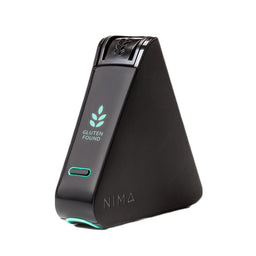
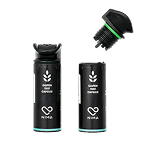
A different kind of gluten test answers it. NIMA is the first automated, portable gluten sensor, and instead of testing you, it tests the food in front of you. You place a pea-sized sample in a single-use capsule, and in about three minutes it tells you whether gluten is present. It detects gluten from wheat, barley, and rye down to 10 parts per million (ppm), with 99% accuracy validated by an independent third-party lab.
Why does that matter after careful label-reading? Because in the US, a product labeled gluten-free can still legally contain up to 20 ppm of gluten. Labels are a good start. They're not a guarantee, and closing that gap is exactly what a quick food test does.
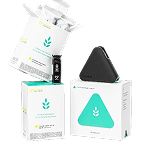
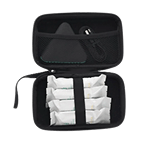
The cost model is different too, and it is worth understanding. A medical test is largely a one-time cost for diagnosis. A food sensor is an ongoing tool, the device plus single-use capsules you use meal to meal. Food sensors also price differently from each other, and a side-by-side look at NIMA and EZ Gluten shows how an upfront device plus capsules compares with a disposable strip kit sold in packs. The LEO gluten tester follows that same per-test model, at roughly $5 to $10 a strip. Think of it as the last layer of your gluten-free toolkit, not a replacement for your doctor, your dietitian, or your own careful habits, like knowing which celiac disease foods to avoid.
When Testing Your Food Makes Sense
You won't test every bite, and you shouldn't have to. A food test earns its place in a few specific moments:
● Eating out somewhere new
● Traveling where you can't verify the kitchen
● Trusting a gluten-free label you can't fully confirm
The point is more room, not more fear. More confidence to eat out, more freedom to travel, more willingness to try a dish you would normally skip. NIMA was built by two MIT students who lived with food sensitivities themselves, and named one of TIME's Best Inventions, precisely to turn that daily uncertainty into a clear answer. It is one more tool in your gluten-free toolkit, used when you want it.
Gluten Testing Cost FAQ
Does Insurance Cover Celiac or Gluten Testing?
Often, yes, when a doctor orders the test because you have symptoms. Coverage is much less common for direct-to-consumer and genetic tests. The only reliable answer comes from your own plan, so call and ask before you test.
Do I Have to Eat Gluten Before the Test?
For antibody and blood tests, yes. Because they measure your immune response to gluten, you need to keep eating it, about 3 to 6 grams a day for roughly 12 weeks, or the result can read falsely negative. Genetic tests are the exception, since your genes don't change with your diet.
What Is the Cheapest Way to Get Tested?
A single tTG-IgA test through a direct-access lab is usually the lowest entry point, at about $75. Weigh the trade-offs. It is one marker rather than a full panel, and paying out of pocket may cost less upfront but is often not reimbursed.
Can a Blood Test Diagnose Non-Celiac Gluten Sensitivity?
No. There is no reliable gluten sensitivity test, and no blood test can confirm non-celiac gluten sensitivity. It is diagnosed by exclusion, meaning doctors first rule out celiac disease and a wheat allergy, then look at how you respond to removing and reintroducing gluten.
Non-celiac gluten sensitivity and celiac disease are different conditions. Unlike celiac disease, non-celiac gluten sensitivity doesn't cause the same autoimmune damage to the small intestine, which is why there's currently no single lab test that can diagnose it.
Is a Gluten Test Worth the Cost?
That depends on the question you are trying to answer. To diagnose celiac disease, the cost of celiac testing is absolutely worth it, and there is an option at nearly every price point. For everyday peace of mind about a specific meal, a food test answers a question the medical ones can't. Match the test to the question, and the money follows the value.
Choosing the Right Test for the Question You're Asking
Here is the whole guide in one idea. Gluten testing splits into two jobs, testing your body to diagnose and testing your food to eat with confidence. Once you know which one you need, the gluten test cost stops being confusing and becomes a simple choice.
You're already doing the hard part. You read the labels, you ask the questions, you manage this every day. When you want one more layer of certainty before the first bite, the NIMA gluten sensor checks the food itself in about three minutes, an added layer of confidence in your gluten-free toolkit. See how it works whenever you are ready to add it.
Recent News

Food Anxiety With Celiac Disease: How to Feel Safer Around Food
Food anxiety can be a rational response to managing celiac disease, but it should not make your world smaller. This guide explains how to build calmer safety routines, balance vigilance with quality of life, and recognize when professional support could help.


