
What Can People With Celiac Eat? The Complete Beginner's Food Guide
You just got the diagnosis, and now you're standing in front of your own pantry like it belongs to a stranger. Traditional wheat-based bread and pasta, out. Suddenly foods you've eaten for years need a second look. That box of crackers you've eaten for years, apparently out too. It feels like the list of what people with celiac can eat just got very, very short.
Here's the truth that day one hides from you. The list of foods people with celiac can eat is long, varied, and genuinely satisfying. Whole foods like fruits, vegetables, meat, fish, eggs, rice, and beans are naturally gluten-free and always have been. Rice is safe in its pure form, but our is rice gluten free guide flags the seasoned and boxed versions worth a second look.
This guide walks you through what's safe, what to avoid, where gluten likes to hide, and how to feel sure about a meal before you take the first bite.
Living Gluten-Free: What Celiac Disease Means for Your Plate
Celiac disease is an autoimmune condition. When you eat gluten, a protein found in wheat, barley, and rye, your immune system responds by attacking the lining of your small intestine. Over time that damage makes it harder to absorb nutrients, which is why the stakes are higher than a simple food preference. This is why newly diagnosed individuals are often screened for nutrient deficiencies, including iron, folate, vitamin B12, vitamin D, and calcium, and why a balanced gluten-free diet matters beyond simply removing gluten.
You might have landed here after months of unexplained symptoms like stomach pain, bloating, fatigue, and brain fog. There is currently no cure or medication that allows people with celiac disease to safely consume gluten. A strict, lifelong gluten-free diet is currently the only treatment, which is exactly why getting comfortable with your food matters so much. The encouraging part is that the diet works, and many of those symptoms ease as your gut repairs itself once gluten is out of the picture.
Some overwhelm on day one is normal. You're being asked to relearn something you've done three times a day your whole life. But you're not doing it alone, and you're not doing it blind. Most people find their footing within a few weeks, and the list of what they can eat turns out to be far bigger than it first looked.
Think of your gluten-free life as a toolkit you build over time. Your doctor and dietitian, careful label reading, and knowing where gluten hides all work together to keep you safe. This guide adds to that toolkit, one section at a time.
The Foods People With Celiac Can Eat Freely
Start with the foundation of naturally gluten-free whole foods. These are safe to eat freely because gluten never touches them in their natural state. You can build meals freely from these six naturally gluten-free food groups:
● Fresh fruits and vegetables
● Plain meat and poultry
● Fish and seafood
● Eggs
● Plain dairy products such as milk, cheese, butter, and yogurt
● Legumes, nuts, and seeds
The Celiac Disease Foundation points to these whole, single-ingredient foods as the core of a healthy gluten-free diet. In plain terms, if a food is one ingredient straight from nature, it's almost always safe.
Beans, lentils, and chickpeas are especially useful early on. They're filling, affordable, and naturally safe, which makes them an easy anchor for meals while you rebuild your routine. This is the part day one doesn't tell you. A grilled chicken breast with roasted potatoes and a green salad? Safe. Scrambled eggs with peppers and onions? Safe. A bowl of berries with yogurt? Safe. You have far more to work with than the pantry made it seem.
Naturally Gluten-Free Grains and Starches
You don't have to give up grains. Wondering what grains people with celiac can eat? Plenty of naturally gluten-free grains and starches keep sides and comfort foods on the table:
● Rice
● Corn
● Quinoa
● Buckwheat (despite its name, it is naturally gluten-free and unrelated to wheat)
● Amaranth
● Millet
● Sorghum
● Teff
● Potatoes
● Cassava
Oats deserve a special note. Oats themselves are gluten-free, but standard oats are often processed on the same equipment as wheat, which leads to cross-contact. Stick to oats labeled certified gluten-free and you can enjoy them without worry. Most people with celiac disease can tolerate certified gluten-free oats, although a small percentage may react to oat avenin, a protein naturally found in oats.
For any grain or starch that comes in a package, check that it's labeled gluten-free. Even naturally safe grains can pick up gluten during milling, storage, or processing, so the label is your confirmation.
Dairy, Drinks, and Everyday Staples
Most dairy is naturally gluten-free. Plain milk, most cheese, butter, and plain yogurt are all fine. For drinks, coffee, tea, 100% juice, wine, distilled spirits, and most cider are safe to enjoy.
The main exception is regular beer, ale, and malt beverages. These are brewed from barley, so they contain gluten. Gluten-free beers made from sorghum or rice do exist, and they're a solid swap when you want one.
Watch the flavored and processed versions. Plain yogurt is safe, but a flavored one may carry additives with gluten. The same goes for some milk alternatives and coffee drinks loaded with syrups or mix-ins. Once a food has more than one ingredient, a quick label check settles it.
The Foods People With Celiac Must Avoid
The avoid list, what people with celiac can't eat, is shorter than it feels, and it comes down to a few grains. Cut these and the ingredients made from them:
● Wheat, including durum, semolina, spelt, emmer, farro, and kamut
● Barley
● Rye
● Triticale
● Malt
● Brewer's yeast
The National Institute of Diabetes and Digestive and Kidney Diseases keeps a clear list of grains and ingredients that contain gluten, and it's worth bookmarking. These few grains are the source of nearly every problem food you'll need to watch for.
In everyday terms, that means most bread, pasta, cereal, crackers, baked goods, and anything battered or breaded. If a food is built on wheat flour, assume it's off-limits unless the label says otherwise.
Here's the reframe. Avoiding these foods is about swapping, not suffering. For almost every item on the avoid list, there's a safe version waiting. Our complete list of celiac disease foods to avoid covers the details, and the sections below show you where the swaps live.
Where Gluten Hides
Some gluten is obvious. Some isn't. Hidden sources are where a lot of accidental exposure happens, so it helps to know the usual suspects:
● Soy sauce
● Many salad dressings and marinades
● Canned soups and gravies
● Processed meats and hot dogs
● Seasoning blends
● Some candy
● Communion wafers
● Certain medications or supplements
A good habit is to treat any sauce, dressing, or seasoning blend as guilty until the label proves otherwise. Those are the categories that catch people most often. Then there's cross-contact, which is a different problem from a bad ingredient. A naturally safe food can pick up gluten from a shared fryer, a toaster used for regular bread, a cutting board, or shared utensils. The food was fine. The kitchen wasn't.
This is exactly where uncertainty creeps in, and where label-reading alone starts to hit its limits. Keep it in mind as we get to the toolkit, because it's the reason the toolkit matters.
Bread, Pasta, and Packaged Foods: Read the Label
Wondering what bread people with celiac can eat? Certified gluten-free breads and pastas, made from rice, corn, and other safe flours. The gluten-free swaps now exist for nearly every staple, from sandwich bread to spaghetti to pizza crust, and plenty of them are genuinely good. When choosing gluten-free breads, cereals, and pastas, look for products fortified with nutrients like iron and B vitamins, and include naturally nutrient-rich gluten-free foods such as beans, quinoa, fruits, vegetables, nuts, and seeds.
One trap catches a lot of people early. Remember that "wheat-free" does not mean "gluten-free." A product can skip wheat and still contain barley or rye. Train your eye to look for a certified gluten-free label, not just the absence of wheat on the ingredient list.
That label is your best everyday signal. But it isn't perfect, and the next section explains why.
What About Junk Food and Treats?
Good news. Plenty of junk food is fair game. Many chips, popcorn, certain candies, and a growing shelf of gluten-free cookies and snacks all make the yes list. Going gluten-free doesn't mean giving up the fun stuff.
The same two checks apply here as everywhere else. Read the label to confirm there's no gluten in the ingredients, and watch for cross-contact warnings like "may contain wheat" or "made on shared equipment." Those lines matter as much as the ingredient list itself.
Treats are still part of the picture. A gluten-free diet is a full life, not a punishment, and there's always room for the occasional cookie.
Why "Gluten-Free" on the Label Isn't Always the Whole Story
Here's something that surprises a lot of newly diagnosed readers. In the US, a food labeled "gluten-free" can still legally contain up to 20 parts per million (ppm) of gluten. That's the FDA threshold, and it's the same standard the NIH resource above points to. For most people that level is low enough to be safe, but "gluten-free" on a package doesn't mean zero gluten.
Eating out adds another layer. A naturally safe dish can pick up gluten from a shared fryer or a busy prep surface, even when the kitchen means well and does most things right. Staff change, protocols slip, and a trusted spot can turn into a question mark on any given night.
So here's the honest part. You can read every label, ask every question, and follow every rule, and still not be completely sure. That gap between "I did everything right" and "I'm actually sure" is real. It's also normal, and there are ways to close it.
Building Your Gluten-Free Toolkit
You've already been building a toolkit, probably without calling it that. Your physician and dietitian guide the medical side. Careful label reading catches the obvious risks. Knowing what each certified gluten-free label means, and understanding where cross-contact happens, covers a lot of ground.
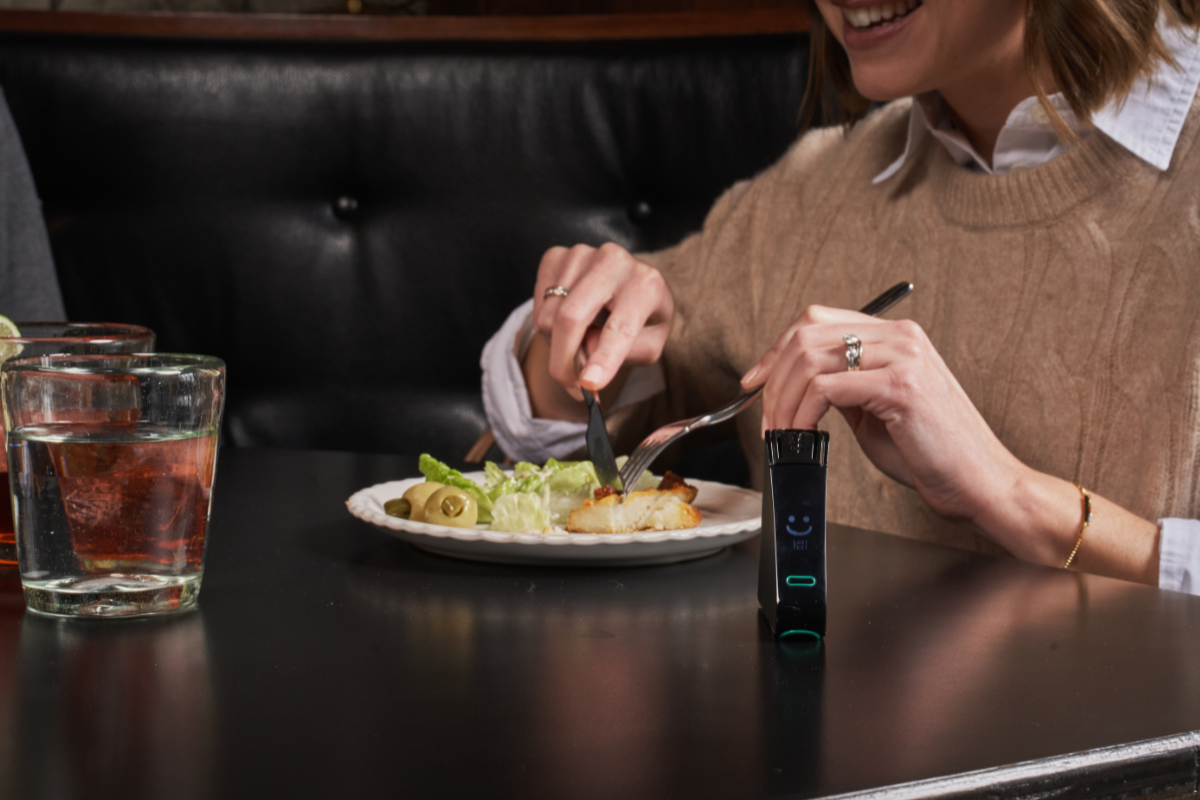
There's one more layer worth knowing about for the moments when you're still unsure. The NIMA gluten sensor is a portable device that tests a pea-sized sample of your food. It detects gluten from wheat, barley, and rye down to 10 ppm with 99% accuracy, validated by an independent third-party lab, with results in about three minutes.
NIMA is the final layer, not a replacement for the rest. It doesn't stand in for your doctor, your dietitian, or your label-reading, and it isn't a cure. What it does is add confidence before the first bite, especially when a meal or a kitchen is uncertain. It completes the toolkit; it never replaces it.
A Simple Day of Gluten-Free Eating
Sometimes the easiest way to see how much you can eat is to picture a full day. Here's what a satisfying, completely gluten-free day can look like, no hard-to-find ingredients required.
Breakfast is easy, and what people with celiac can eat for breakfast is more varied than you would expect. Scrambled eggs with sautéed vegetables, certified gluten-free oats topped with fruit, or plain yogurt with berries and a handful of nuts. Add coffee or tea and you're set.
Lunch and dinner open up fast. Think a rice or quinoa bowl with grilled protein, roasted vegetables and potatoes on the side, a big salad, or tacos on corn tortillas. Snacks can be fruit, nuts, popcorn, or gluten-free crackers with cheese.
None of that feels like deprivation, because it isn't. Eating gluten-free is varied and genuinely good once you find your rhythm. When you try a new packaged product or eat somewhere unfamiliar, that's the moment a quick check earns its place. For a full week of ideas, this gluten-free meal plan for beginners lays it all out.
Common Questions About Eating With Celiac Disease
Do potatoes contain gluten?
No, plain potatoes are naturally gluten-free. The potato itself is a safe, versatile starch you can eat freely. The risk is in the preparation, not the vegetable. Fries cooked in a shared fryer, battered or breaded potato products, and gluten-containing sauces or toppings can all introduce gluten. Stick to potatoes you prepare or order carefully and you're fine.
What junk food can people with celiac eat?
Plenty. Many chips, popcorn, certain candies, and a wide range of certified gluten-free cookies and snacks are all fair game. The rule is the same as with any packaged food. Check the label for gluten ingredients and scan for cross-contact warnings like "may contain wheat." Do that, and treats stay firmly on the menu.
What foods should someone with celiac disease avoid?
Anything made with wheat, barley, rye, or their derivatives, including bread, pasta, cereal, crackers, and most baked goods. Also watch hidden sources like soy sauce, dressings, and processed meats, plus foods exposed to cross-contact in shared kitchens. When in doubt, the ingredient label and a certified gluten-free mark are your first line of defense.
Eating With Confidence
Take a breath. The list of what people with celiac can eat is long, the swaps are everywhere, and you already know more than you did on day one. Naturally gluten-free whole foods, safe grains, dairy, drinks, and a growing shelf of certified gluten-free products give you a full, varied way to eat. The pantry that felt like a stranger is about to feel like yours again.
When a food or a kitchen still leaves you unsure, that's where a quick gluten check with NIMA fits in, the final layer in your gluten-free toolkit and a simple way to know what's safe before you take a bite. See how NIMA works when you want that added layer of clarity. You've got this, and now you've got the tools to prove it.
Recent News

Is Rice Gluten Free? NIMA-Tested Answers For All Popular Varieties
All plain rice is naturally gluten-free, from white and brown to basmati, jasmine, and wild. The real risk is seasoned mixes, restaurant rice, and cross-contact. Here is a variety-by-variety breakdown plus how to confirm your rice is truly safe.


