

The Beginner's 7-Day Gluten-Free Meal Plan + Shopping List
You just found out gluten is off the table, and now your kitchen looks like a puzzle you don't know how to solve. Every label feels loaded. Every meal decision feels like a test you might fail.
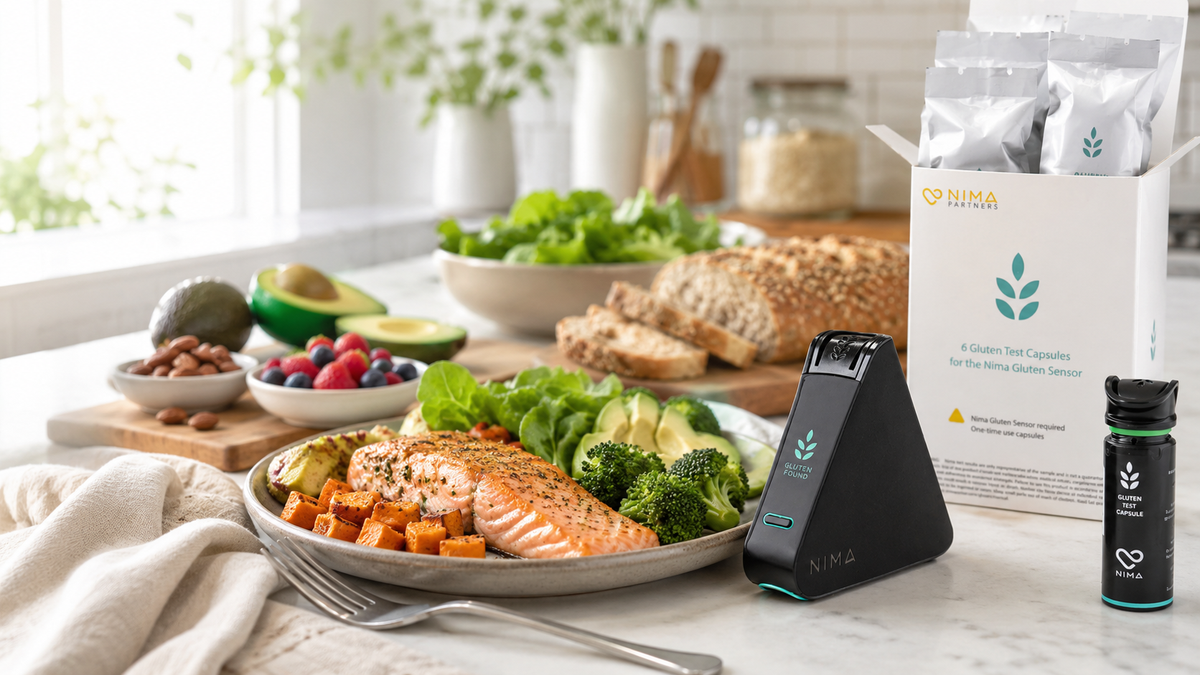
NIMA is here to help you out. Here's what's we have for you ahead. A gluten-free meal plan for beginners built as seven days of real meals, a shopping list built directly from those meals, honest prep tips, and enough safety context to eat with confidence. Calm, practical, and specific about what's easy versus what takes more attention.
Before You Start: A Few Things Every Gluten-Free Meal Plan Assumes
Most gluten-free meal plans skip past two things they assume you already know. That's fine when you've been at this for years. It's a problem on day one, especially when you're still connecting the dots between gluten intolerance symptoms and what belongs on your plate.
The first is the label rule. In the US, a product labeled "gluten-free" can still legally contain up to 20 parts per million (ppm) of gluten under FDA labeling standards. That threshold works for most people most of the time, but it's not zero. If you're highly sensitive or newly diagnosed with celiac, that gap matters.
The second is cross-contact. It's the invisible risk a shopping list can't solve. A shared toaster that touched wheat bread this morning can transfer gluten to a certified gluten-free English muffin tonight. Same story with cutting boards, fryers, colanders, and wooden spoons. Even a crumb-sized amount is enough to cause a reaction if you're sensitive.
For people with celiac disease, avoiding gluten is not just about symptom management-it is about protecting intestinal healing and reducing the risk of long-term complications. Even small amounts of gluten exposure over time can continue to trigger an immune response, even when symptoms are not obvious. This is why consistency with label reading, kitchen practices, and food choices matters.
Both realities live inside every meal plan below. You'll see them show up in the prep tips and the eating-out section. They're not scary. They're worth naming up front.
What You Can Eat: Naturally Gluten-Free Foods
Let's start with the good news. Most of the grocery store is already yours. If you want the full rundown before you shop, our guide to what people with celiac can eat lays out every safe category.
The produce aisle, the meat counter, the seafood case, and most of the dairy section are naturally gluten-free. So are dozens of grains, legumes, nuts, seeds, oils, and pantry staples. Rice is one of the staples this plan leans on, and our is rice gluten free guide covers which varieties and brands stay safe. Think of your gluten-free foods list as a specific way to shop, with a lot more room than most people expect.
Here's the working list:
-
Proteins: chicken, turkey, beef, pork, lamb, fish, shellfish, eggs, tofu, tempeh (verify), plain beans, and lentils.
-
Produce: every fresh fruit and vegetable, plain and unprocessed.
-
Grains and starches: rice, quinoa, corn, buckwheat, millet, sorghum, teff, amaranth, potatoes, sweet potatoes, and certified gluten-free oats.
-
Dairy: plain milk, plain yogurt, most cheeses, butter, and cream.
-
Healthy fats: olive oil, avocado oil, coconut oil, avocados, nuts, and seeds.
-
Pantry staples: vinegars (except malt), most spices, herbs, tamari, honey, maple syrup, plain popcorn, and rice cakes.
This list is the foundation the 7-day plan below is built from. If a meal feels unfamiliar or expensive, swap it for something on this list you already like.
From a nutrition standpoint, building meals around naturally gluten-free foods is often the easiest way to create a balanced eating pattern. Many gluten-free packaged foods are lower in fiber and protein compared with their gluten-containing counterparts, so emphasizing fruits, vegetables, beans, lentils, nuts, seeds, lean proteins, and whole gluten-free grains can help support overall health.
Nutrient Considerations
Nutrients to Pay Attention to on a Gluten-Free Diet
A gluten-free diet can be nutritionally complete, but some people unintentionally consume less of certain nutrients after removing fortified wheat products.
Common nutrients to focus on include:
Fiber
-
Found in fruits, vegetables, beans, lentils, chia seeds, flax seeds, quinoa, and certified gluten-free oats.
-
Helps support digestive health, blood sugar management, and fullness.
Iron
-
Found in beef, poultry, seafood, beans, lentils, spinach, and fortified gluten-free cereals.
-
Pair plant-based iron sources with vitamin C foods (such as citrus, peppers, berries, or tomatoes) to improve absorption.
B vitamins
-
Many traditional breads, cereals, and grain products are fortified with B vitamins, so removing them from the diet may lower intake of nutrients like thiamin, riboflavin, niacin, and folate. Choose fortified gluten-free products when available and include foods such as meat, fish, eggs, dairy, beans, lentils, nuts, seeds, leafy greens, and naturally gluten-free whole grains to help meet your needs.
Calcium and Vitamin D
-
These nutrients are important for bone health and may require extra attention after starting a gluten-free diet, especially for individuals with celiac disease. Include calcium-rich foods such as milk, yogurt, cheese, fortified gluten-free products, canned salmon with bones, beans, nuts, seeds, and leafy greens. Vitamin D sources include fatty fish, egg yolks, fortified dairy products, fortified dairy alternatives, and fortified gluten-free cereals.
What to Avoid and Where Gluten Quietly Hides
The obvious ones are easy: wheat, barley, rye, spelt, kamut, farro, triticale, and any oats not labeled certified gluten-free (standard oats are almost always cross-contacted during processing). That covers most bread, pasta, cereal, and baked goods you'd expect.
The less obvious ones are where beginners get caught. According to the Celiac Disease Foundation's list of gluten sources, gluten shows up in soy sauce, malt vinegar, seitan, many soups and sauces, most beer, some deli meats, certain seasoning blends, imitation crab, and even some medications and lip balms.
A few of the most common surprises worth memorizing:
-
Soy sauce is usually made with wheat. Use tamari (labeled gluten-free) as a direct swap.
-
Regular oats are cross-contacted at the mill. Look for "certified gluten-free" on the package.
-
Marinades and salad dressings often use soy sauce or malt vinegar. Read the label before you pour.
-
Broths, gravies, and thickened soups often use wheat flour as a thickener.
-
Beer is made from barley. Wine, most ciders, and distilled spirits are safe.
-
Some deli meats use wheat as a binder. Check the label or ask at the counter.
You don't need to memorize every hidden source. A comprehensive list of gluten-free foods to avoid gives you a category-by-category reference for when a label leaves you unsure. Day to day, the habit that matters is turning the package over before it goes in your cart.
The 7-Day Gluten-Free Meal Plan
This plan is built for one adult and easy to double for a household. It leans on three or four core proteins across the week (salmon, chicken, ground beef or turkey, and eggs) so grocery costs stay reasonable and leftovers do real work. Gluten-free breakfast ideas repeat on purpose across the week. That's a feature, not a bug.
Treat it as a template, not a rulebook. Swap any ingredient for something on the "what you can eat" list above if a specific item isn't available or isn't your taste. The goal is a sustainable pattern, not a perfect performance.
Day 1: Monday
-
Breakfast: Greek yogurt with berries, chia seeds, and certified gluten-free granola.
-
Lunch: Grilled chicken salad with mixed greens, cucumber, avocado, and an olive-oil vinaigrette.
-
Dinner: Baked salmon with roasted sweet potatoes and steamed broccoli.
-
Snack: Apple slices with almond butter.
Day 2: Tuesday
-
Breakfast: Scrambled eggs with sautéed spinach and certified gluten-free toast. Consider adding fruit or avocado for additional fiber and micronutrients.
-
Lunch: Leftover baked salmon flaked over quinoa with lemon and dill.
-
Dinner: Turkey and vegetable stir-fry over jasmine rice, using tamari instead of soy sauce.
-
Snack: A handful of mixed nuts and a small orange.
Day 3: Wednesday
-
Breakfast: Overnight oats made with certified gluten-free oats, almond milk, sliced banana, and cinnamon. Choose a protein powder that is labeled gluten-free, and consider adding chia seeds, flax seeds, or nut butter for additional fiber and healthy fats.
-
Lunch: Turkey stir-fry leftovers served over fresh greens.
-
Dinner: Corn-tortilla tacos with seasoned ground beef, lettuce, tomato, avocado, and cheese.
-
Snack: Rice cakes with hummus.
Day 4: Thursday
-
Breakfast: Smoothie with banana, spinach, protein powder, and almond milk.
-
Lunch: Chickpea and roasted vegetable salad with feta and an olive-oil dressing.
-
Dinner: Baked chicken thighs with mashed potatoes and roasted green beans.
-
Snack: Carrot sticks with guacamole.
Day 5: Friday
-
Breakfast: Overnight oats (a repeat, with fresh berries swapped in for banana).
-
Lunch: Chicken and rice bowl with roasted vegetables and a tahini drizzle.
-
Dinner: Homemade pizza on a certified gluten-free crust with fresh mozzarella, tomato, and basil.
-
Snack: Greek yogurt with a drizzle of honey.
Day 6: Saturday
-
Breakfast: Bacon and eggs with roasted potatoes and fresh fruit.
-
Lunch: Tuna salad in butter-lettuce cups with cucumber slices.
-
Dinner: Grilled shrimp skewers with quinoa tabbouleh and grilled zucchini.
-
Snack: A small square of dark chocolate and almonds.
Day 7: Sunday
-
Breakfast: Gluten-free pancakes with fresh berries and maple syrup.
-
Lunch: Roast chicken over mixed greens with roasted vegetables and a hard-boiled egg.
-
Dinner: Slow-cooker beef chili with beans, served with corn tortilla chips.
-
Snack: Air-popped popcorn (verify the label for cross-contact warnings).
The Gluten-Free Grocery List
Organized by store section so you can shop it in one loop. This gluten-free shopping list covers only what the 7-day plan calls for, with a note on where hidden gluten most often hides.
-
Produce: mixed greens, spinach, romaine or butter lettuce, cucumbers, tomatoes, red onion, broccoli, green beans, zucchini, sweet potatoes, potatoes, avocados, lemons, berries (fresh or frozen), bananas, oranges, apples, fresh basil, dill, carrots, and any extra roasting vegetables you like.
-
Proteins: salmon fillets, boneless chicken breasts and thighs, ground beef or ground turkey, deli-safe turkey or leftover roast chicken, bacon, two dozen eggs, shrimp (fresh or frozen), canned tuna (verify no gluten fillers), and canned or dry beans for chili.
-
Dairy: plain Greek yogurt, milk or unsweetened almond milk, fresh mozzarella, feta, shredded cheese, and butter.
-
Gluten-free grains and pantry: certified gluten-free oats, quinoa, jasmine or long-grain rice, corn tortillas, certified gluten-free bread, certified gluten-free pizza crust, certified gluten-free pancake mix, chia seeds, protein powder, almond butter, tahini, hummus, canned chickpeas, chili beans, canned tomatoes, olive oil, tamari, vinegar, and spices.
-
Snacks and extras: certified gluten-free granola, rice cakes, mixed nuts, dark chocolate, corn tortilla chips, and popcorn kernels.
-
Freezer: frozen berries as a smoothie backup and frozen vegetables for busy weeknights.
Before you check out, double-check the labels on soy sauce or tamari, oats, granola, deli meats, pre-made sauces, and seasoning blends. Those are where hidden gluten shows up most often. Tamari is the standard swap, and the gluten-free soy sauce bottles worth buying are the ones with a current gluten-free label, since one company often sells wheat-based and wheat-free versions side by side.
Gluten-Free Meal Prep Tips for Beginners
The plan works better when Sunday afternoon does some of the weekday lifting. A few small habits protect the whole week.
Batch-cook proteins on the weekend. Roast a tray of chicken thighs, bake the salmon, and brown the ground beef ahead of time. Weekday assembly turns into "reheat and dress," not "cook from scratch after work." That single shift is the difference between a plan you follow and a plan you abandon.
Repeat breakfasts on purpose. Decision fatigue is the top reason a new gluten-free plan quietly stops working in the first few weeks. Two or three go-to breakfasts you don't have to think about will save you more than any elaborate meal.
Set up a "safe zone" in the kitchen. A dedicated cutting board, a dedicated toaster or toaster bags, a dedicated colander, and a marked drawer of utensils that never touch gluten. It's affordable, it's simple, and it removes the biggest source of accidental exposure at home.
Label your leftovers. Clear containers with a piece of masking tape and a date on top. This matters most in shared households, where a well-meaning roommate can turn your gluten-free lunch into somebody else's sandwich by mistake.
Eating Out and Cooking with Others on a Gluten-Free Diet
The biggest risk on a beginner meal plan usually shows up in the meals you don't cook yourself.
At restaurants, ask specific questions instead of general ones. "Do you have gluten-free options?" gets you a menu with an asterisk. "Do you use a shared fryer, and is your gluten-free pasta cooked in the same water as the regular pasta?" gets you actual information. Ask about shared prep surfaces, whether sauces are thickened with flour, and whether the kitchen has a separate protocol for gluten-free orders.
In shared home kitchens, cook first, use fresh utensils, and avoid double-dipping into shared condiments. Butter, jam, peanut butter, hummus, and cream cheese are the usual suspects, because a single knife swipe on a piece of wheat toast can contaminate the entire jar. Getting your own labeled containers solves it in a weekend.
Remember the label loophole here. A restaurant kitchen that calls a dish "gluten-free" is working within the same 20 ppm allowance the FDA rule permits at the shelf, and the shared-surface reality of most kitchens can push the actual exposure higher. That's where the gluten-free toolkit earns its name.
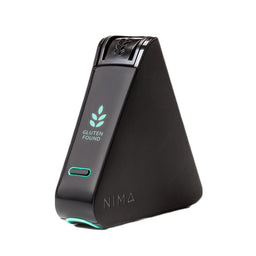
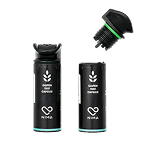
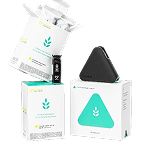
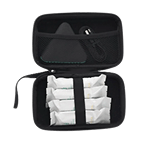
Your toolkit already includes your care team, your certified label habits, and a growing sense of which brands and restaurants deserve your trust. For meals cooked in shared kitchens or eaten outside the home, NIMA is the last optional layer. NIMA's portable gluten sensor detects gluten from wheat, barley, and rye down to 10 ppm with 99% accuracy, independently validated by Bia Diagnostics, and it returns a result in about three minutes. Use it alongside your doctor, your dietitian, and careful label reading, as an additional tool in your gluten-free toolkit for the moments where uncertainty still shows up.
How to Make This Meal Plan Work Long-Term
Week one is the easy part. Week six is where most beginner plans quietly fall apart. A few habits keep the plan sustainable past the honeymoon phase.
Rotate proteins and grains after the first week. Salmon becomes cod. Chicken thighs become chicken breasts. Rice becomes quinoa. The plan stays balanced, your palate stays interested, and your nutrition stays varied. Boredom is a leading reason people quietly reintroduce risky foods.
Build a personal "safe list" of restaurants, brands, and recipes you trust. Keep it in your notes app. Every time you find a soy sauce, a granola, or a pizza place that consistently works for you, add it. The same list holds the habits that make dining out gluten-free work over time: kitchens with dedicated fryers, staff trained on cross-contact, sauces made in-house. Sushi is worth adding deliberately, since the safe rolls and the risky ones sit side by side on the same menu. This list becomes your fallback plan for busy weeks.
Schedule a check-in with a registered dietitian around 30 and 90 days. New gluten-free eaters commonly run short on fiber, B vitamins, and iron because so many fortified staples (breads, cereals, pastas) leave the plate at once. A quick visit catches gaps before they turn into symptoms.
Celebrate the small wins. A full week without a flare. A meal out that went right. A new recipe that stuck. Those wins are the reason this plan works. Track them somewhere visible.
Frequently Asked Questions
What common meals are gluten-free?
Most grilled proteins served with vegetables and rice are naturally gluten-free, along with big salads dressed in olive oil, corn-tortilla tacos, omelets, smoothies, and rice-noodle stir-fries. The hidden gluten usually shows up in the details: a soy-sauce marinade, a floured protein, a shared fryer, or a bread crumb topping. If you're unsure, revisit the "what to avoid" section above for the fuller list.
How long does it take to feel better on a gluten-free diet?
Symptom relief for gluten sensitivity often starts within days to a couple of weeks of strict avoidance. Some people eventually ask whether they can reverse gluten intolerance, and the answer depends on which condition you actually have. Celiac gut healing takes longer, typically several months, and depends on real consistency. Accidental exposure resets the clock, which is exactly why cross-contact awareness matters as much as your food choices themselves.
Can I follow this meal plan if I have celiac disease?
Yes, with an extra layer of caution around cross-contact and label verification. All oats, flours, and packaged mixes should be certified gluten-free, never bulk-bin or shared-line. Keep working closely with your gastroenterologist and a registered dietitian. The meal plan is a support, not a substitute for medical care.
Is a gluten-free meal plan more expensive?
Naturally gluten-free foods (produce, unprocessed proteins, rice, beans, eggs, dairy) cost about the same as they always did. The specialty aisle is where the price climbs. Certified gluten-free breads, pastas, snacks, and mixes usually cost more per unit than their wheat-based counterparts. Two easy cost savers make a real difference. Cook from whole ingredients most of the week, and buy staple grains like rice and quinoa in bulk. Skip the specialty aisle for weeks the plan doesn't require it.
Should I take supplements?
A gluten-free multivitamin or specific supplements may be recommended for some individuals, especially if bloodwork shows deficiencies. However, supplements should not replace a balanced eating pattern. Work with your healthcare provider before starting high-dose supplements, especially iron or vitamin D.
One More Layer Before Your First Bite
That's your gluten free meal plan. Seven days of real meals, a shopping list built from those meals, honest prep tips, and safety guidance layered into the plan instead of bolted onto the end. It's a gluten-free diet meal plan designed to work in a normal kitchen, on a normal week, with a normal budget.
For meals cooked in shared kitchens or eaten outside the home, NIMA is the last optional layer. NIMA's portable gluten sensor turns "I think this is safe" into a clearer answer in about three minutes. Not a guarantee. Not a medical device. Clarity when it matters most, right before your first bite. See how the NIMA gluten sensor fits your gluten-free toolkit.
More confidence at the table. More freedom in the kitchen. More clarity every time you take a bite. That's the whole point of the plan.
Recent News

Food Anxiety With Celiac Disease: How to Feel Safer Around Food
Food anxiety can be a rational response to managing celiac disease, but it should not make your world smaller. This guide explains how to build calmer safety routines, balance vigilance with quality of life, and recognize when professional support could help.


