

Teal Pumpkin Project: What It Means and How to Participate
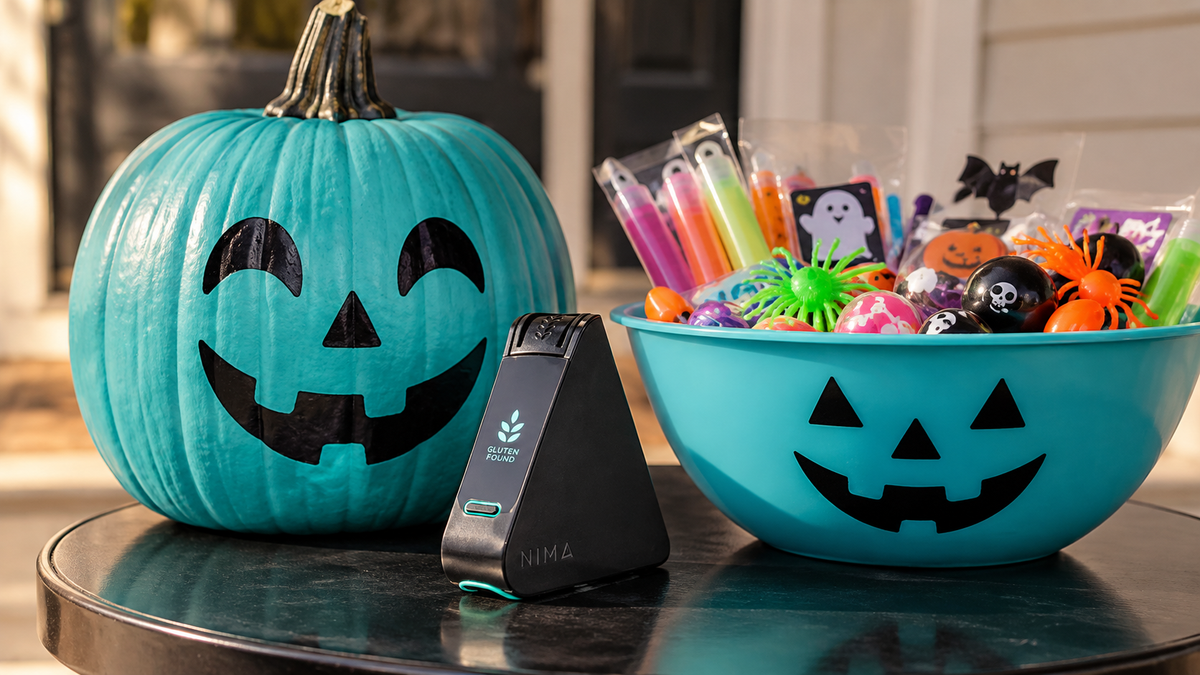
The Teal Pumpkin Project® is a Food Allergy Research & Education (FARE) initiative that helps make Halloween more inclusive. A teal pumpkin or sign tells families that non-food treats are available. This gives every trick-or-treater another choice, including children with food allergies, celiac disease, wheat allergy, or other dietary needs.
Joining is easy. Set out a visible teal signal, keep non-food items in their own bowl, and let every child choose without having to explain a medical need.
No awkward questions at the door. Everyone gets another way to take part in the fun.
What Is the Teal Pumpkin Project?
If you are wondering who started the Teal Pumpkin Project, it began with one East Tennessee family seeking a better Halloween experience for a child with a severe food allergy. The family offered non-food treats and placed a teal-painted pumpkin outside. Food Allergy Research & Education (FARE) adopted the idea nationally in 2014, and a local act of kindness grew into a campaign recognized across the country.
The idea solves a familiar problem. Children can pick a sticker, glow bracelet, bookmark, or another non-food item without disclosing a diagnosis at every door. That small shift can take a lot of pressure out of a busy Halloween night while keeping the focus on joining in.
What Does a Teal Pumpkin Mean on Halloween?
The meaning of a teal pumpkin on Halloween is specific: a home, business, school, trunk-or-treat, or community event has non-food treats available. Candy may still be offered. The symbol does not mean the location is free from allergens, and it does not certify any edible treat as gluten-free. For Halloween treats, a gluten-free candy checklist gives you a separate place to work through labels and product questions.
That clear meaning matters. Families can spot the signal from the sidewalk and know there is another choice at the door.
Hosts can simply offer both options and let each trick-or-treater decide. Nobody has to explain why they want the non-food bowl.
How to Participate in the Teal Pumpkin Project
Start with a visible teal pumpkin or sign and a separate supply of non-food treats. Offer them warmly to everyone.
Add your location to the official map if it would help nearby families plan their route. A map listing is optional.
Display a Teal Pumpkin or Printable Sign
Paint a real pumpkin teal or set out a reusable teal decoration. Download FARE’s free printable signs. Put the signal where people can see it from the sidewalk, driveway, or event entrance. A current Teal Pumpkin Project printable is especially useful when painting or buying a decoration is not practical.
Starting late? A printed sign still gets the message across.
Use the registered Teal Pumpkin Project logo according to FARE’s guidelines. Campaign materials can change between Halloween seasons, so check the current printable page before publishing or sharing a file you saved last year.
Stock a Separate Bowl of Non-Food Treats
Keep non-food items in their own container, away from candy, and handle them with clean hands. Offer the bowl to every child. This spares children and caregivers from explaining a food allergy, celiac disease, or another personal need in the middle of trick-or-treating. For Halloween with food allergies, that separation makes the choice clearer at a busy door.
If you hand out candy, avoid calling any edible item “allergy-free.” Possible allergens vary, and ingredients can change.
A teal pumpkin makes one narrow promise that hosts can keep. A non-food choice will be waiting.
Add Your Home or Event to the Teal Pumpkin Project Map
The official Teal Pumpkin Project map helps families find participating homes and events nearby. You can list a home, school celebration, business, trunk-or-treat, or neighborhood gathering. A pin makes your stop easier to discover, but it is not required for participation. You do not need to register for the Teal Pumpkin Project to participate; the map is simply a visibility tool.
Before Halloween, confirm that your entry appears correctly and save the edit link from the confirmation email. Map features and seasonal availability can change. Give the live page another look each year.
Best Non-Food Halloween Treats for Kids
Teal Pumpkin Project non-food treats are easiest to use when they are visible, quick to hand out, and fun without involving food. FARE’s current non-food treat ideas span several easy-to-shop categories.
-
Glow items such as glow sticks and bracelets
-
Art supplies such as crayons, pencils, stickers, and stencils
-
Quiet activities such as bookmarks, mini notepads, and playing cards
-
Play items such as bubbles, finger puppets, and small novelty toys
Offer a mix of active and quiet choices. If whistles and noisemakers are in the bowl, add a few low-sensory picks too.
Check the age guidance on every package. The U.S. Consumer Product Safety Commission advises keeping small balls and toys with small parts away from children younger than three. When a child’s age is unclear, let the caregiver choose or offer something designed for a wider age range. These Teal Pumpkin Project ideas work best when the final mix suits the ages and sensory needs of the children you expect.
What a Teal Pumpkin Does and Does Not Guarantee
A teal pumpkin promises one thing. Non-food treats are available.
It does not mean the candy bowl, baked goods, kitchen, or event is free from allergens or gluten. It cannot prevent cross-contact after candy and small toys have been mixed or handled together.
Families should keep using the routines that help them make decisions. Read every label, check unfamiliar items, follow medical and emergency plans, and set aside anything without clear packaging. A gluten sensor can add sample-level information for families managing gluten, but it does not replace those safeguards. The teal signal adds a useful choice while familiar precautions stay in place.
Food Allergy, Wheat Allergy, and Celiac Disease Are Not the Same
These conditions can shape Halloween decisions, but they are not interchangeable. The National Institute of Diabetes and Digestive and Kidney Diseases explains that celiac disease is a chronic digestive and immune disorder triggered by gluten in wheat, barley, and rye. Wheat allergy is a food allergy with different reactions and risks.
A non-food option may help a child managing either condition take part with less guesswork. A teal pumpkin does not diagnose, treat, or manage food allergy or celiac disease. It points to an option that is not food, and that simple signal can still be valuable.
Keep Candy and Non-Food Choices Separate
Use separate bowls and leave space between them. This helps keep wrappers and non-food items from getting mixed together. Mini and seasonal versions of candy can have different ingredients from full-size products, and recipes can change from year to year. For the Teal Pumpkin Project, candy and non-food choices should remain separate, and every edible item still needs its own label check. Understanding the difference between cross-contact and cross-contamination helps families use the right precautions for gluten and allergens.
Check each package instead of trusting a brand list from a previous season.
Unlabeled pieces are especially tough to assess. Families may set them aside or use a familiar trade-or-swap plan at home. An appealing non-food option makes that exchange feel more like another choice and less like something was taken away.
How Families Managing Gluten Can Approach Halloween Treats
For families managing a medically gluten-free diet, a teal pumpkin is helpful, though it is not a gluten-free certification. Gluten-free Halloween candy still requires label checks because ingredients can vary by wrapper, size, and seasonal version. If food anxiety with celiac disease makes those decisions feel heavy, a check-and-swap plan can make the night more manageable. Set aside homemade or unlabeled items when ingredients cannot be confirmed, then follow the cross-contact plan that works for your household.
A trade-or-swap routine can lower the pressure during trick-or-treating. Children can enjoy collecting treats, then exchange uncertain items at home for familiar candy, non-food prizes, or another planned reward. The fun keeps moving, and the careful decisions can wait for a quieter moment.
Our guide to gluten allergy versus celiac disease explains why celiac disease, non-celiac gluten sensitivity, and wheat allergy call for different considerations.
Where a NIMA Gluten Sensor Can Add Information
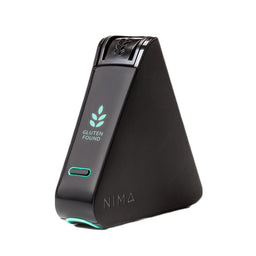
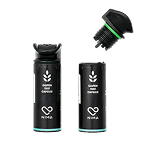
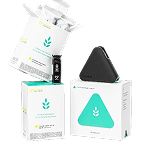
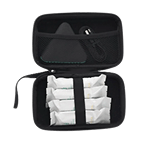
For people managing a medically gluten-free diet, the NIMA™ Gluten Sensor can add one more piece of information before the first bite. It detects gluten from wheat, barley, and rye down to 10 parts per million with 99% accuracy. Results arrive in about three minutes.
See how the NIMA gluten sensor works for a closer look.
A result applies only to the representative sample placed in the capsule. It cannot certify an entire bag, bowl, or meal. It does not test for other allergens or determine whether food is appropriate for a wheat allergy.
NIMA is a food-testing tool, not a medical device or a replacement for medical advice.
Labels, conversations, careful handling, and your own judgment still do most of the work. Use testing when another piece of information could help. NIMA’s responsible-use guidance explains sampling limits and identifies foods that cannot be reliably tested.
Join the Teal Pumpkin Project in Your Community
A more welcoming Halloween can start with one bowl and one visible sign. Prepare non-food treats, display a teal pumpkin, and add your location to the map if it helps local families.
Share FARE’s resources with neighbors and event organizers so more families understand what the signal promises. If your household manages gluten, keep using the full toolkit that brings you clarity. Responsible sample-level testing can add useful information before the first bite.
Recent News

Is Buckwheat Gluten Free? What to Check in Flour and Soba
Buckwheat is naturally gluten free, but buckwheat flour and soba can contain wheat or pick up gluten during processing. Learn how to read labels, spot blends, reduce cross-contact risk, and make a more informed choice before you buy or order.


