

Allergen Alert Breakdown: What to Know About the Gluten Testing Brand
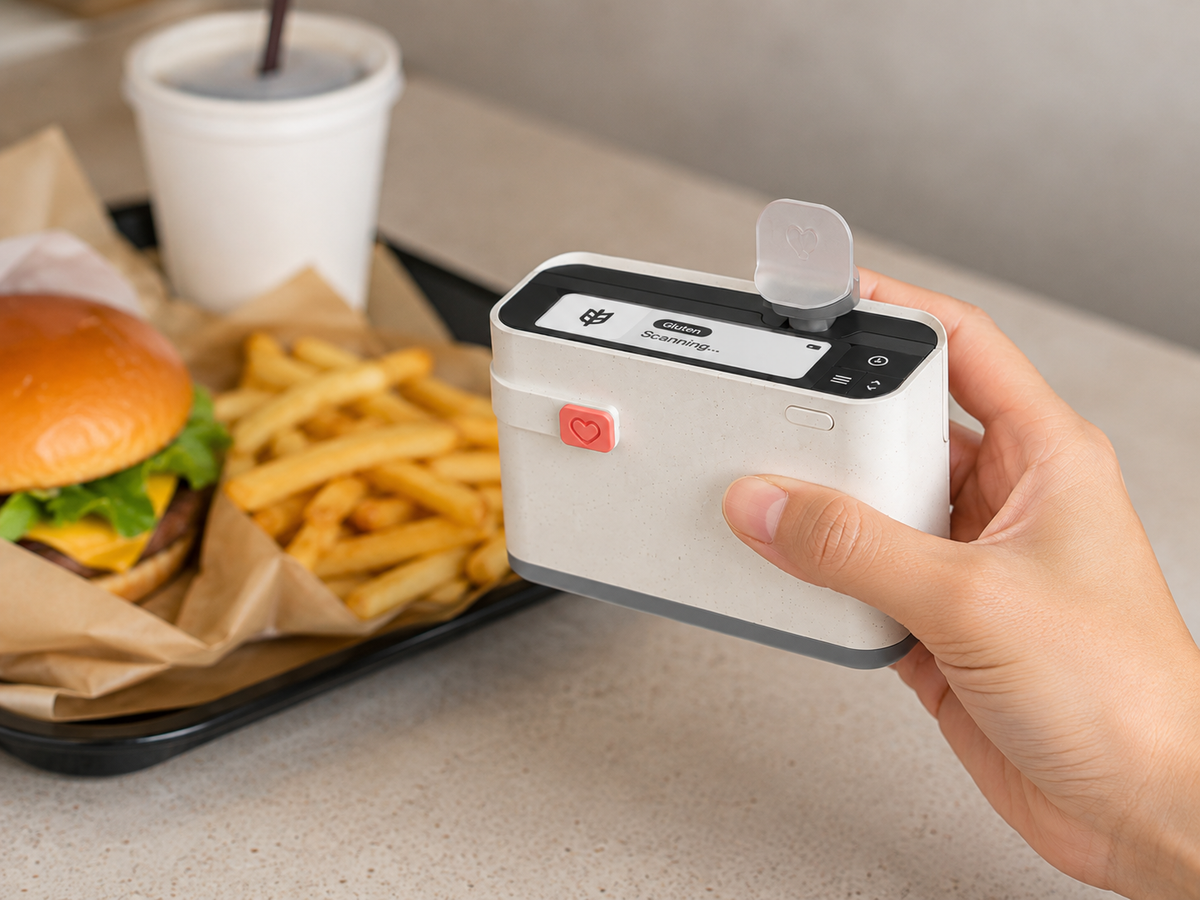
Allergen Alert is a portable, pocket-sized mini lab from a French startup of the same name, a spin-off of the diagnostics company bioMerieux. It has not yet come to market, but they’re planning a release. You place a small food sample in a single-use pouch, insert it into the handheld reader, and in about two minutes the device tells you whether it detects allergens such as gluten or dairy.
You probably saw Allergen Alert in the wave of CES 2026 coverage and wondered whether it changes anything for your gluten-free routine. Fair question. Here is what the device actually does, what it can detect today, when you can buy it, and how it stacks up against gluten testing you can already use at the table.
What Is the Allergen Alert Device?
The device made headlines because it won a Best of CES 2026 award, which is why it turned up across food and tech press this year. Strip away the show-floor buzz and the idea is simple. It is a food allergen detection device small enough to carry in a bag, built to give you an answer where you eat instead of in a lab days later.
Allergen Alert was created as a bioMerieux spin-off, so it comes from a team that already understands professional diagnostics. The goal was to shrink lab-grade allergen testing into something an ordinary person could run before a meal, without any training. It is the kind of tool that sounds obvious in hindsight and is genuinely hard to build.
One note on focus. You live gluten-free, so the focus here stays on what Allergen Alert means for gluten testing specifically, not the wider allergen conversation.
How the Allergen Alert Mini Lab Works
The whole process comes down to three steps.
-
Scoop a small sample of the food in question.
-
Seal it inside a single-use pouch.
-
Slide the pouch into the reader and press the button.
No pipettes, no measuring, no lab coat.
Inside the device, the science is an immunoassay, which is a straightforward term for antibody-based testing. Antibodies are proteins that latch onto one specific target, in this case the allergen you are checking for.
The reader automates the steps a lab technician would normally do by hand, prepping the sample, extracting the target proteins, and reading whether they are present. The result appears on the device screen or a synced phone app in about two minutes.
In everyday terms, it does the messy lab work for you and hands back a clear reading. That is the appeal of a mini lab you can hold in one hand. Nothing gets shipped off, and you are not waiting days for an answer you needed at dinner.
What Allergen Alert Can Detect Right Now
For a gluten-focused buyer, the current scope is narrow. The 2026 device detects just two allergens, milk and gluten. That is the full menu for now. It is a gluten and dairy detector at launch, not a complete allergen panel, and that scope shapes whether it fits your needs.
For context, most serious food reactions trace back to a short list. The nine major allergens the FDA tracks are milk, eggs, fish, shellfish, tree nuts, peanuts, wheat, soy, and sesame, and the original eight account for roughly 90% of food allergies and serious reactions.
Sesame is the newest addition, becoming the ninth labeled allergen in the United States under the FASTER Act. Gluten is not a separate entry on that list, but it is tied closely to wheat, barley, and rye, which is why gluten testing sits in its own category.
Allergen Alert says it aims to cover all nine allergens by 2028. So the version expected for pre-order is early and deliberately narrow. If gluten is your whole reason for looking, that roadmap is worth weighing, because the device you buy now would not gain its other capabilities for a couple of years.
When Is a Portable Gluten Test Worth Using?
A portable gluten test earns its place in the moments where a label cannot help you, like a restaurant plate, a shared kitchen, or a food someone else prepared. Packaged foods with a printed panel are the easy cases. The hard ones are the meals you cannot read. A sauce thickened with an unnamed ingredient, oats that may have shared a line with wheat, a fried dish that went into the same oil as breaded food, or a home-cooked plate from a host who means well but is not certain. These are the meals where careful eaters get caught out.
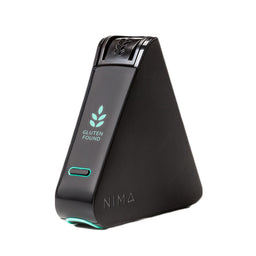
This is the gap a device you can carry is built to close. NIMA™ is a portable gluten sensor you can keep in a bag and use at the table, so you get a reading on the food in front of you before the first bite. It returns a result in about three minutes, short enough to check a dish while the meal is still in front of you. A test like this does not replace asking the kitchen good questions or reading a label when one exists. It is the check for the times when neither is enough.
When You Can Buy It and What It Costs
Availability is the honest sticking point. Pre-orders are expected to open at the end of 2026, and the device is still in an early-adopter development phase rather than a finished retail product. In plain language, you would be signing up early and waiting, not adding it to a cart and using it this week.
Pricing is only half-answered. The company has not announced what the device itself will cost. The test pouches are expected to run around $10 per pouch through a subscription plan, so every test carries a recurring cost on top of whatever the hardware ends up being. That kind of model is common for testing tools, but it is worth budgeting for, since each check uses a fresh single-use pouch.
If you need an allergen answer now, Allergen Alert is a watch-and-wait product. It is a promising option to follow, not something you can pull out at your next meal.
How Do You Get an Accurate Reading From One Small Sample?
The reading is only as good as the bite you test, so take your sample from the part of the food you are actually going to eat. Gluten from cross-contact is rarely spread evenly through a dish. It can sit in one corner of a shared cutting board, a single crumb in a sauce, or a patch of a plate that touched a crouton. Test a clean-looking edge and you can miss it. Pull your sample from a spot that matches the bite you plan to take, and mix it in when the dish is layered.
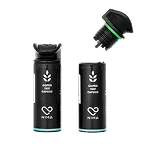
Portable sensors are built around this small-sample reality. NIMA™ reads a pea-sized amount of food sealed in a single-use capsule, so each test speaks to the portion you scooped, not the dish as a whole. If you move to a different food on the same plate, run a fresh capsule for it rather than trusting one result to cover everything. A little care in how you sample is the difference between a number you can act on and a false all-clear.
What Allergen Alert Has Not Confirmed Yet
A few numbers that gluten-free readers care about are still missing from Allergen Alert’s public website. One industry summary reports claimed sensitivity as low as 4 ppm for gluten, but the company has not published a supporting third-party accuracy figure.
For gluten, the ppm number is everything. In the U.S., a product labeled gluten-free can still legally contain up to 20 ppm of gluten. That is the loophole every sensitive eater learns about eventually.
Until Allergen Alert publishes supporting validation for its stated detection limit, you are left without the evidence behind the exact detail you are trying to pin down. A meaningful gluten test needs a clear detection threshold and data behind it, and for now that validation has not been shared.
None of this is a knock on the brand. This is a promising, award-winning device that is still in development, and unanswered specs are normal before a launch. The aim here is to help you decide with clear eyes, not to talk you out of watching a product that could prove useful later.
How It Compares to Gluten Testing You Can Use Today
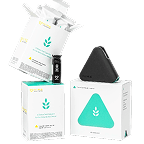
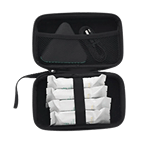
If gluten is your focus, it helps to measure Allergen Alert against what already exists. NIMA™ is a portable gluten sensor that is validated and available right now. It detects gluten from wheat, barley, and rye down to 10 ppm, with 99% accuracy validated by the independent lab Bia Diagnostics in October 2025, and it returns a result in about three minutes. The current $330 NIMA™ Starter Pack includes the sensor and two boxes of capsules, with six capsules per box.
NIMA™ has history. It was founded in 2013 by two MIT students who lived with food sensitivities, named to Time's Best Inventions of 2015, and rebuilt and relaunched in 2025. The brand says it has helped people check more than 100,000 meals.
Allergen Alert is broader on paper, offering gluten plus dairy today with more allergens planned, but it is not shipping. NIMA™ is narrower by design, focused only on gluten, but it is third-party validated and you can buy it today. Both descriptions are fair. They solve different versions of the problem.
So where does each one land? If you want a future multi-allergen tool and you are comfortable waiting into 2027 and beyond, Allergen Alert is worth following. If you need gluten answers at your next meal, you already have a proven option with a published detection limit and an accuracy figure behind it. Another option you can actually buy is the LEO gluten tester, a single-use strip created by a family living with celiac that reads down to 10 ppm in two minutes. That is the toolkit mindset at work, not a hard sell.
Where a Food Allergen Test Fits in Your Routine
Whichever device you land on, keep the framing straight. A food test is the last layer before the first bite. It does not replace reading labels, asking careful questions about shared fryers and prep surfaces, or the guidance of your doctor and dietitian. It is the check you run when you have done everything right and still cannot be sure, which is a situation every gluten-free eater knows too well.
You now know what Allergen Alert is, when it is expected to arrive, what it can and cannot detect, and what you can already rely on for gluten today. That was the whole point, less guessing, more clarity, and a realistic read on a device that is still a year or more from your kitchen.
If you want to see how that final layer works in practice, NIMA™ tests a pea-sized sample for gluten in about three minutes, so you can add another layer of clarity before taking a bite.
Recent News

Gluten Belly: Symptoms, Causes, and How to Know If Gluten Is the Problem
What people call “gluten belly” is usually bloating, pressure, or abdominal discomfort, but gluten is not the only possible cause. Learn the signs to track, conditions to rule out, and why testing should come before a gluten-free trial.


