

Is Corn Gluten Free? What People With Celiac Disease Need to Know
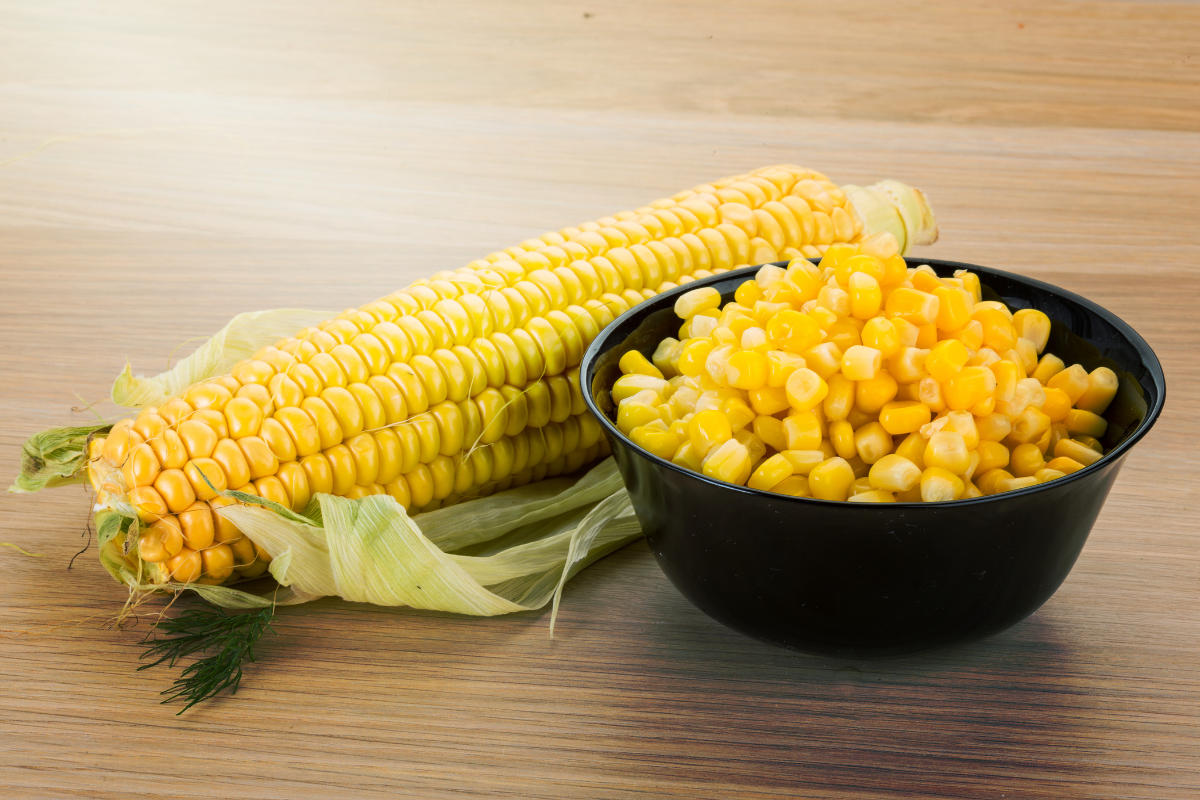
You're standing in the kitchen, holding a bag of corn tortilla chips, reading the label for the third time and wondering whether corn is gluten free. Maybe you have celiac disease. Maybe you're cooking for someone who does. Either way, one wrong ingredient can cost you days, so you pause before the first bite.
Good news first. Corn itself is gluten-free. The real risk hides in how corn gets processed, and there's a clear way to know what's safe. This guide gives you the straight answer, shows you where corn actually gets risky, and walks you through how to be sure.
The Short Answer: Yes, Corn Is Gluten-Free
Yes. Corn, also known as maize, is a naturally gluten-free grain. In its whole form, plain corn on the cob, fresh kernels, and plain popcorn, it's safe for people with celiac disease. Gluten refers to a specific set of proteins found in wheat, barley, and rye, and corn isn't one of them.
From an RD perspective, it is also important to emphasize that corn can be a nutritious part of a balanced gluten-free diet. Corn provides carbohydrates for energy, as well as fiber, folate, thiamin, and other nutrients. People with celiac disease do not need to avoid corn simply because it is a grain. In fact, including a variety of naturally gluten-free grains and starches- such as rice, quinoa, buckwheat, millet, sorghum, potatoes, and corn-can help prevent the gluten-free diet from becoming unnecessarily restrictive.
That distinction does a lot of work. When your doctor or dietitian talks about gluten, they mean the proteins that trigger the celiac immune response, and those live in wheat, barley, and rye alone. Corn comes from a completely different family of grains.
So take a breath. Corn isn't gluten, and it doesn't carry gluten on its own. But naturally gluten-free doesn't automatically mean safe on your plate, and that gap is where most of the confusion, and most of the actual risk, lives.
Why "Corn Gluten" Is a Misleading Name
If you've seen the term corn gluten and felt a flash of worry, you're not alone. It sounds like a warning label. It's really a naming problem.
Corn gluten and corn gluten meal refer to corn's own storage protein, called zein. Zein is nothing like the gliadin in wheat. Food scientists borrowed the word gluten loosely, using it to describe the sticky protein left after processing, but it's a different protein doing a different job. Corn gluten meal is even sold as a natural weed suppressant for lawns and gardens, which only adds to the confusion.
It is worth noting that "corn gluten" is not the same thing as the gluten that matters in celiac disease. Seeing the word "gluten" in the name of a corn-derived ingredient does not automatically mean that the food contains wheat, barley, or rye gluten. When evaluating a food for celiac disease, the ingredient list and gluten-free labeling are more useful than the word "gluten" appearing in the name of a corn protein.
Zein doesn't share the structure that sets off celiac disease. That reaction is triggered by specific protein fragments in wheat, barley, and rye, and zein isn't built like them. So for the vast majority of people with celiac disease, corn doesn't provoke the same response.
Corn's zein proteins are not considered equivalent to the gluten proteins in wheat, barley, and rye that trigger celiac disease. Current evidence supports corn as a naturally gluten-free grain for people with celiac disease.
One caveat, handled plainly. A small 2005 study suggested that a subset of patients with celiac disease reacted to certain corn proteins. Good to know about, but it isn't the medical consensus, and most people with celiac disease tolerate corn well. If you eat clean corn and still react, that's a real signal worth exploring with your dietitian, not a reason for everyone to fear corn.
Where Corn Actually Gets Risky: Cross-Contact
Corn is gluten-free. For someone with celiac disease, the distinction between an ingredient being naturally gluten-free and a finished food being safe to eat is important. But the corn products on store shelves have been through growing, milling, and manufacturing, and gluten can slip in at any of those stages. This is called cross-contact, and it's the real risk, not the corn itself.
A 2012 Canadian Food Inspection Agency analysis found 16% of corn flour samples contained more than 20 ppm of gluten. Some tested as high as 731 ppm. Cornstarch came back low-risk.
So how does gluten end up in a corn field or a bag of corn flour? Usually through shared equipment. Mills that grind wheat and corn on the same machines, facilities that handle both grains, and fields rotated between wheat one season and corn the next all create chances for trace gluten to hitch a ride. That's why the question is rarely "is corn safe" and almost always "is this corn product safe." Which brings us to the foods you buy.
Are Corn Tortillas and Corn Chips Gluten-Free?
Pure corn tortillas made from masa, which is corn treated with lime, are gluten-free by ingredient. Corn tortilla chips cut from that same masa are too. The trouble starts with what gets added, and where they're made.
Some tortillas blend in wheat flour for a softer, more flexible texture, which quietly makes a gluten-free food unsafe. Chips run into a different problem, shared fryers and shared production lines. A restaurant that fries its corn chips in the same oil as breaded appetizers can pass gluten straight onto your chips.
So check three things.
-
Scan the ingredient list for wheat flour, or just "flour," near the top.
-
Look for a gluten-free label, ideally one backed by a third-party certification.
-
Ask whether the chips are cooked in dedicated oil or a shared fryer when you eat out.
Those three questions catch most of the risk.
These steps can significantly reduce the risk of gluten exposure, but they cannot eliminate uncertainty in every restaurant setting. If a restaurant cannot clearly explain its ingredients and preparation practices, someone with celiac disease may want to choose a different option.
How to Check Restaurant Corn Chips Fried in a Shared Fryer
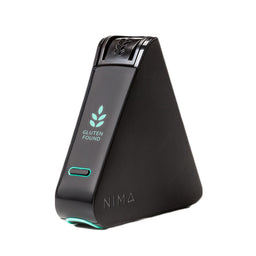
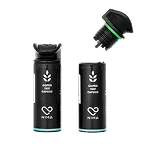
The riskiest corn you eat is the corn you did not prepare yourself. A basket of chips can be pure masa and still pick up gluten from a fryer that just cooked breaded wings. A portable gluten sensor like NIMA gives you a way to check the chips in front of you in about three minutes, before the table digs in. You place a pea-sized piece into a single-use capsule, and it reads whether gluten from wheat, barley, or rye is present.
That is the exact risk a shared fryer creates, gluten from the breading, not from the corn itself. NIMA confirms your chips are free of wheat, barley, and rye cross-contact. It does not test corn's own protein, and it does not replace asking your server about dedicated oil. Treat it as the last check after the questions you already ask, so you can order the chips instead of skipping them.
Is Cornstarch, Cornmeal, and Corn Syrup Gluten-Free?
Cornstarch is naturally gluten-free because it is derived from corn rather than wheat, barley, or rye. However, like other processed ingredients, it can still be subject to cross-contact during manufacturing. Corn syrup is also naturally gluten-free when made from corn. For packaged products, people with celiac disease should still check the label and, when appropriate, look for a gluten-free claim. Corn syrup is gluten-free too, since it's made from cornstarch.
Cornmeal and corn flour are a different story. They're milled closer to the whole grain, which is exactly where that 16% cross-contact finding came from. The same shared-equipment problem applies, so these two deserve more caution than cornstarch does.
A simple rule keeps it straight. Buy corn flour and cornmeal that carry a gluten-free claim on the package. Plain cornstarch without a label is usually fine, though a certified option never hurts if you react to even small amounts.
How to Check a Bag of Corn Flour or Masa for Hidden Gluten
That 16% finding is unsettling because cross-contact is invisible in the bag. A gluten-free claim on corn flour, cornmeal, or masa harina helps, and a US label can still sit just under 20 ppm and legally read gluten-free. NIMA detects gluten down to 10 ppm, below that legal line, so you can check a questionable batch yourself instead of guessing.
Here is how it fits the corn problem. NIMA looks for gluten from wheat, barley, and rye, the grains that ride in on shared milling equipment, not corn's own zein. Drop a pea-sized sample of the flour, or a bite of the cornbread you baked with it, into a single-use capsule, and you will know whether that cross-contact made it in. It is one more layer on top of your label-reading, not a replacement for it, and it turns a bag you were unsure about into one you can cook with.
When Corn Still Makes You React: Allergy vs. Gluten
You did everything right. Clean corn, careful prep, and you still feel off. That's frustrating, and a little unsettling. It's more common than you might think, and it doesn't always point to hidden gluten.
A small number of people have a separate corn allergy or corn intolerance. The symptoms can look a lot like a gluten reaction, which is why some people with celiac begin to suspect corn is secretly glutening them. The two are different problems. Celiac disease is an autoimmune reaction to wheat, barley, and rye. A corn sensitivity is its own issue, unrelated to gluten.
It is also important not to assume that every gastrointestinal symptom after eating corn is caused by gluten exposure. People with celiac disease can experience symptoms for many reasons, including other food intolerances, irritable bowel syndrome, changes in fiber intake, or accidental gluten exposure. Keeping a food and symptom record and discussing persistent symptoms with your healthcare provider or dietitian can help identify patterns without unnecessarily eliminating additional foods.
How to Confirm a Corn Product Is Actually Safe
By now you know the moves, because you already make them. You read labels. You look for gluten-free certification. You ask restaurants about shared fryers and prep surfaces. That work is real, and it catches plenty.
But there's a gap none of those steps fully close. Labels can lag behind ingredient changes, and in the US a product labeled gluten-free can still legally contain up to 20 ppm of gluten. So even a careful shopper is left with a sliver of uncertainty at the moment that matters most, right before the bite.
A gluten sensor closes that gap. NIMA is a portable device that detects gluten from wheat, barley, and rye down to 10 ppm with 99% accuracy, in about three minutes, with its performance independently validated by Bia Diagnostics. You drop a pea-sized sample into a single-use capsule, and it tells you whether gluten from those grains is present.
One important point about corn. NIMA tests for gluten from wheat, barley, and rye, not corn's own zein protein. So it confirms your corn tortilla or chip is free of wheat-based cross-contact, which is the exact risk this whole guide is about. Think of it as the last step in your toolkit, an added layer of confidence, never a replacement for your doctor, your dietitian, or your careful label reading.
Common Questions About Corn and Gluten (FAQ)
Should people with celiac disease avoid corn?
No. Most people with celiac disease do not need to avoid corn. Corn is naturally gluten-free and can be an important source of carbohydrates, fiber, and other nutrients in a gluten-free diet. The primary concern is cross-contact in processed corn products or during food preparation. If someone consistently experiences symptoms after eating corn, they should discuss this with their healthcare provider or dietitian rather than automatically eliminating corn from their diet.
What grains are naturally gluten-free?
Naturally gluten-free grains and starches include corn, rice, quinoa, millet, sorghum, buckwheat, amaranth, teff, potatoes, and many other plant-based carbohydrate foods. Including a variety of these foods can help people following a gluten-free diet meet their fiber, vitamin, and mineral needs while keeping meals more balanced and enjoyable. For one cassava-based option on that list, review checking tapioca for gluten before choosing a packaged or prepared form.
Can corn cross-contamination really make you sick?
Yes. Trace gluten picked up from shared equipment can trigger symptoms even when the food itself is entirely corn. That stray gluten is what sets off the reaction, which is why taking a minute to verify a product is worth it.
Eating Corn With Confidence
The whole story comes down to three lines. Corn is gluten-free. Cross-contact during processing is the real risk. Verification is how you stay sure.
That means you can put corn back where it belongs, on your plate and in your plans. Enjoy the tortillas. Order the chips after a quick question to your server. Travel and try new corn dishes with less second-guessing. You now have the knowledge to tell real risk from noise.
And for that moment right before the first bite, when you want one more layer of certainty, NIMA is there as an added tool in your gluten-free toolkit. Clarity when it matters most, so you can spend less time guessing and more time eating.
Recent News

Gluten Belly: Symptoms, Causes, and How to Know If Gluten Is the Problem
What people call “gluten belly” is usually bloating, pressure, or abdominal discomfort, but gluten is not the only possible cause. Learn the signs to track, conditions to rule out, and why testing should come before a gluten-free trial.


