

Is Quinoa Gluten-Free? NIMA Covers 8 Popular Brands
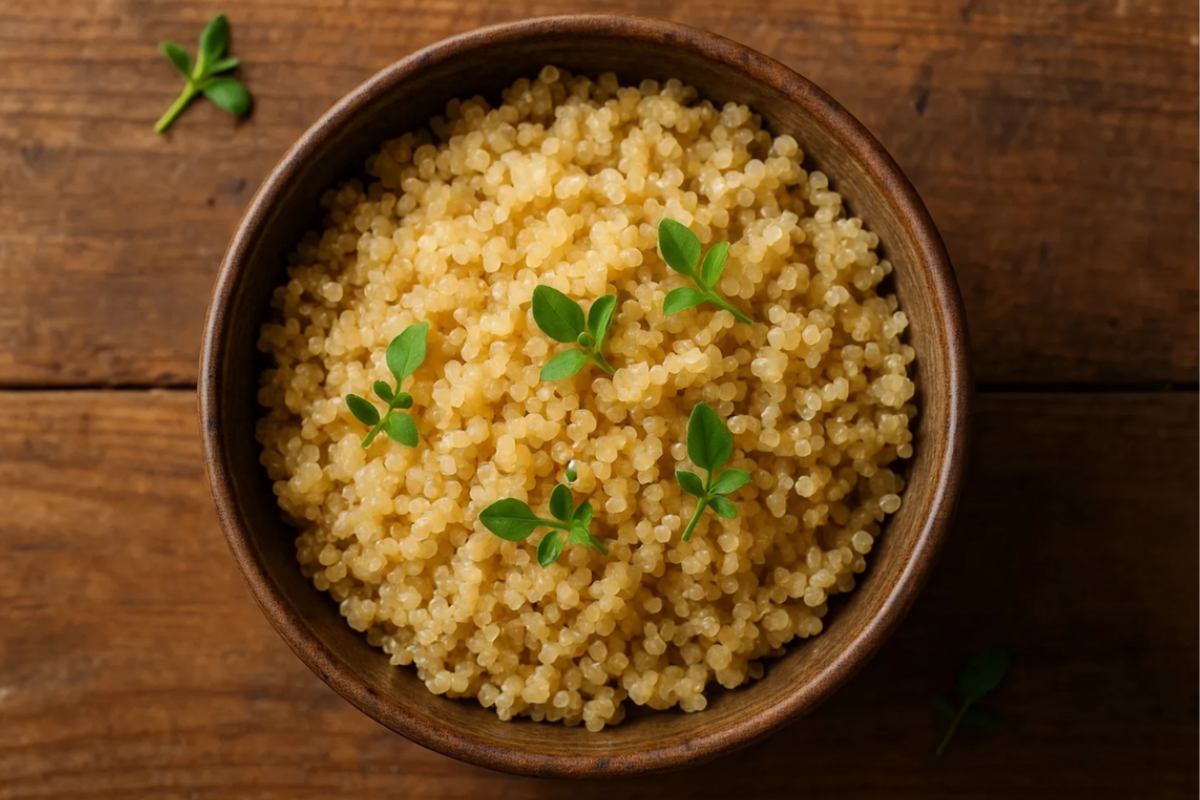
Is Quinoa Gluten-Free? The Short Answer
You are standing in the grocery aisle, bag of quinoa in hand, wondering whether quinoa is a gluten-free food you can safely eat.
Yes. Pure quinoa is naturally gluten-free. It is the edible seed of a plant, a pseudocereal, not a cereal grain like wheat, barley, or rye, so it contains no gluten at all. That makes it one of the more reliable gluten-free grains for anyone managing celiac disease or gluten sensitivity. If you are choosing between quinoa and a grain named in a recipe, check whether bulgur contains gluten before treating the two as interchangeable.
But there is a catch worth knowing before you buy. The plant is safe, though not every package on the shelf is equally so. How the quinoa was grown, handled, and packed matters just as much as what it is, which is why the brand you choose makes a real difference.
Why Quinoa Is Naturally Gluten-Free
Quinoa (Chenopodium quinoa) is the seed of a leafy plant related to spinach and beets. That family tree is the reason experts call it a pseudocereal rather than a true cereal grain. You cook it like a grain and eat it like a grain, but botanically it is a seed.
Gluten is a protein found in only a few true grains. Wheat, barley, rye, and crosses like triticale contain it, and pure quinoa contains none of them. So when people ask what grain has no gluten, quinoa is a favorite answer, with the small technicality that it is really a seed. When comparing grain-bowl ingredients, check whether farro contains gluten separately from quinoa.
There is a nutrition reason it caught on, too. Quinoa provides all nine essential amino acids and is considered a complete protein source.
What About Quinoa You Didn't Cook Yourself?
When eating quinoa prepared by someone else, the first step should be asking how the dish was prepared and whether any gluten-containing ingredients were used. Cross-contact can occur through shared cutting boards, utensils, colanders, cooking surfaces, serving utensils, or cookware-not just through the quinoa itself.
To check quinoa you did not cook yourself, test a small sample of the finished dish for gluten before eating it, because the seed being naturally gluten-free says nothing about how a shared kitchen handled it. A restaurant line that plates couscous and quinoa with the same spoon, or a friend's strainer that just drained wheat pasta, can leave trace gluten on a bowl you had no hand in making. A menu label cannot answer for that.
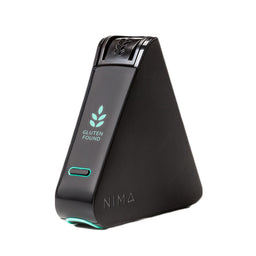
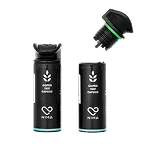
This is where a portable tool like the NIMA sensor earns its spot in your toolkit. You drop a pea-sized bit of the prepared quinoa into a single-use capsule and get a gluten reading in about three minutes, right at the table before your first bite. It does not replace asking the kitchen good questions, and it works on the plated dish, not on a raw sauce bottle or a drink. What it gives you is a way to turn a hopeful guess into something you can actually see.
The Catch: Naturally Gluten-Free Does Not Mean Every Bag Is Safe
Quinoa is often grown, harvested, transported, and milled on the same equipment used for wheat, barley, and rye. That shared machinery is how trace gluten sneaks into an otherwise clean seed, a problem called cross-contact. It is why some sources flag quinoa for cross-contamination and treat it as a higher-risk crop despite being gluten-free by nature.
Labels help, but they have limits. In the US, the FDA's gluten-free labeling rule lets a product be labeled gluten-free as long as it contains under 20 parts per million (ppm) of gluten. That number is a ceiling, not a promise of zero. For most people it is plenty safe. For people with celiac disease, it is important to understand that "gluten-free" is a regulated labeling claim, not a claim that the product contains absolutely zero gluten.
Then come the sneaky sources. Bulk bins invite shared scoops that have touched wheat flour. Flavored or pre-seasoned quinoa cups can carry added ingredients with gluten. Quinoa flour blends sometimes mix in wheat. The plain seed might be fine, but the product around it can change the math.
How to Check a Flavored or Packaged Quinoa for Gluten
To check a flavored or packaged quinoa for gluten, read the full ingredient list first, then test a spoonful of the prepared product if the label leaves any doubt. Pre-seasoned cups, quinoa-and-grain blends, and boxed pilafs add ingredients the plain seed never had, and a gluten-free front label still only promises under 20 ppm, not zero.
A quick test closes that gap for the products a label cannot fully vouch for. The NIMA sensor reads a pea-sized sample of the cooked blend and detects gluten from wheat, barley, and rye down to 10 ppm, the same threshold the strictest certifications hold brands to. Think of it as one more layer of confidence for the seasoned and mixed products where hidden gluten is most likely, not a reason to skip reading the label.
What the Research Says About Quinoa and Celiac Disease
The science is reassuring, with one interesting wrinkle. In an analysis summarized by the Celiac Disease Foundation, researchers tested 15 quinoa cultivars and found that a small number produced prolamins capable of triggering an immune response similar to gliadin, the protein fraction that causes trouble in wheat. It is a reminder that quinoa is a real food with real proteins, not an inert filler.
These laboratory findings should be interpreted in context. The presence of quinoa proteins that may interact with certain immune markers does not mean that quinoa causes celiac disease or that people with celiac disease generally need to avoid it. Clinical evidence to date supports quinoa as a suitable gluten-free grain alternative for most people with celiac disease.
The clinical picture is more encouraging. The same research covered a six-week trial in which 19 people with celiac disease ate 50 grams of quinoa daily and showed normal blood markers and intestinal readings. For the vast majority, pure quinoa is well tolerated.
So what is the practical takeaway? The evidence supports quinoa for almost everyone on a gluten-free diet. The bigger real-world risk is contamination somewhere in the supply chain, and that is exactly what you can control when you choose a brand and check your food.
NIMA Covers 8 Popular Quinoa Brands
Not every brand backs up the words on the bag the same way. Some carry a third-party gluten-free certification like the GFCO seal, which requires testing under 10 ppm, stricter than the FDA's 20 ppm ceiling. Others simply meet the federal gluten-free standard. These eight gluten-free quinoa brands stack up differently, so you can find the one in your cart fast.
Certifications and suppliers change, so treat this list as a starting point and confirm the seal on the bag you actually buy.
Ancient Harvest
Ancient Harvest is one of the original quinoa brands in the US, and its quinoa carries GFCO certification, meaning it is tested to under 10 ppm. That is the stricter standard, well below the federal limit. For a shopper with celiac disease, this is one of the more confidence-inspiring bags on the shelf.
Bob's Red Mill
Bob's Red Mill sells its whole grain quinoa as part of a gluten-free line handled in a dedicated gluten-free facility and tested with R5-ELISA analysis in the company's own quality-control lab. That mix of separate handling and in-house testing is a strong signal. Look for the gluten-free labeling on the specific package, since not every Bob's product is gluten-free.
Arrowhead Mills
Arrowhead Mills is unusually upfront that quinoa is a high-risk crop for cross-contact, and it positions its organic quinoa as certified gluten-free to address exactly that. Its gluten-free line is certified to 10 ppm or less through GFCO. For readers who want a brand that names the risk and certifies against it, this is a reassuring pick. Confirm the gluten-free seal on the plain quinoa bag you choose.
TruRoots
TruRoots labels its organic quinoa gluten-free alongside USDA Organic and Non-GMO Project Verified seals, and its sprouted quinoa line has carried third-party gluten-free certification. The sourcing runs from Andean farms with additional cleaning and processing in the US. It is a solid everyday choice; check the current bag for the certification mark if that detail matters most to you.
Alter Eco
Alter Eco's heirloom quinoa is organic, Non-GMO Project Verified, and labeled gluten-free, sourced through fair-trade relationships in Bolivia. That tight, traceable supply chain is a plus for handling control. The package meets the gluten-free standard rather than advertising a sub-10 ppm seal, so highly sensitive shoppers may want to verify.
Kirkland Signature (Costco)
Costco's Kirkland Signature organic quinoa is labeled gluten-free and comes pre-washed in a large, budget-friendly bag sourced from Andean farmers. It is a strong value for the volume. Store brands can switch suppliers over time, though, so re-check the current bag's labeling rather than assuming last year's version stayed the same.
365 by Whole Foods Market
Whole Foods states that its 365 products labeled gluten-free are third-party certified, which covers the organic quinoa in that line when it carries the gluten-free label. That policy adds a layer beyond a plain federal claim. It is an accessible, trustworthy option for most gluten-free shoppers.
Lundberg Family Farms
Lundberg is certified gluten-free and grows its quinoa domestically on the West Coast, having been the first to farm organic quinoa in the US. Growing and handling closer to home gives the brand tighter control over its supply chain. For a shopper with celiac disease who values certification plus traceability, Lundberg is a confident choice.
How to Choose and Prepare Safe Quinoa at Home
Start at the shelf. Look for a third-party gluten-free certification, not just the words gluten-free, and lean toward brands that state a ppm threshold or a dedicated facility. The seal does more work than the marketing does.
Then mind your prep. Skip the bulk bins, where a shared scoop can carry wheat flour from the bin next door. Rinse quinoa according to the package directions or your preferred preparation method. Rinsing can help remove naturally occurring saponins and improve the flavor, but it is not a substitute for choosing gluten-free quinoa or preventing cross-contact.
Finally, watch the add-ins. Flavored quinoa cups, quinoa-and-grain blends, and boxed pilafs can hide wheat or barley in the seasoning. Read the full ingredient list, not just the reassuring front of the box.
When You Want to Be Sure: Testing Quinoa for Gluten
The most important safety practices remain choosing appropriately labeled products and preventing cross-contact. A gluten-detection device can be viewed as an additional tool, particularly when eating foods prepared outside your own kitchen.
Even a certified bag can meet gluten after it leaves the factory. A restaurant kitchen, a shared home counter, a flavored blend. A label cannot see what happened to your food once it was packed and plated. That gap between doing everything right and actually knowing is the hard part of living gluten-free.
A quick test earns its place in your toolkit for exactly these moments. NIMA was built by two MIT students who lived with food sensitivities and were tired of guessing, then rebuilt from the ground up and relaunched in 2025. The portable gluten sensor tests a pea-sized sample and detects gluten from wheat, barley, and rye down to 10 ppm with 99% accuracy, independently validated, with a result in about three minutes.
Keep it in perspective, though. NIMA is a food-testing tool that adds one more layer of confidence for meals you cannot verify any other way, not a replacement for certified products, careful label reading, or your doctor and dietitian. Plain cooked quinoa tests cleanly; fermented foods and alcoholic drinks are outside what it can reliably read.
Quinoa and Gluten: Quick Answers
Here are quick answers to the questions people ask most about quinoa and gluten.
What grains are gluten-free?
Plenty of naturally gluten-free options sit alongside quinoa. The options readers ask about most are:
-
Quinoa
-
Buckwheat
-
Millet
-
Amaranth
-
Sorghum
-
Teff
-
Certified gluten-free oats
A few of these, including quinoa, buckwheat, and amaranth, are technically seeds, which is part of why they carry no gluten. Oats are the caveat. They are gluten-free by nature but often cross-contacted in the field and mill, so buy them certified.
Is quinoa anti-inflammatory?
Quinoa offers antioxidants and fiber that fit comfortably into an anti-inflammatory eating pattern, though it is food, not medicine, so it is best not to overstate it. For people with celiac disease, the more relevant point is that cutting gluten exposure lowers the autoimmune inflammation gluten sets off. Think of quinoa as a nutritious everyday staple rather than a treatment. The same distinction applies to corn: corn is naturally gluten-free, but the safety question changes once flavorings, processing, or shared equipment enter the picture.
Is quinoa flour gluten-free?
Pure quinoa flour from a certified source is gluten-free, but the same cross-contact rules apply, and flours are often milled on shared equipment. Many quinoa flour baking mixes also blend in wheat or other grains, so read the full label rather than trusting the name. For celiac baking, choose a certified gluten-free quinoa flour and you are on solid ground.
Enjoy Quinoa With Confidence
Pure quinoa is gluten-free. The brand and the handling decide the rest. And you can verify when it truly counts.
Quinoa does not need to be treated as a "special" food simply because you follow a gluten-free diet. It can be incorporated into balanced meals in the same way as rice, potatoes, corn, buckwheat, or other gluten-free carbohydrate sources. For people with celiac disease, the goal is to maintain a varied, nutrient-dense diet while consistently avoiding gluten and minimizing cross-contact-not to unnecessarily restrict foods that are naturally gluten-free.
That is a good place to stand. Certified gluten-free quinoa, careful prep, and a quick test for the meals a label cannot vouch for let you enjoy a versatile staple without the guesswork. When you want one more layer of reassurance before your first bite, the NIMA gluten sensor is there for the plates you cannot otherwise check. Know what's safe before taking a bite.
Recent News

Gluten Belly: Symptoms, Causes, and How to Know If Gluten Is the Problem
What people call “gluten belly” is usually bloating, pressure, or abdominal discomfort, but gluten is not the only possible cause. Learn the signs to track, conditions to rule out, and why testing should come before a gluten-free trial.


