



Can Gluten Intolerance Cause Facial Symptoms? What to Know About Skin, Swelling, and Flare-Ups

A new facial rash, sudden puffiness, or a flare that won't settle can send you searching for answers about gluten intolerance symptoms on your face. Sometimes there is a connection. Facial symptoms may occur with celiac disease, non-celiac gluten sensitivity, or wheat allergy, but your face alone cannot reveal the cause.
The details tell the story. Notice the itch, blisters, hives, timing, swelling, and symptoms beyond your face.
These clues help a clinician decide what to investigate. Swelling of the mouth, tongue, or throat that comes on quickly needs emergency care.
Can Gluten Intolerance Cause Facial Symptoms? The Quick Answer
Yes, a gluten-related condition can affect the face. The pattern, though, varies by condition. An intensely itchy, blistering rash may point to dermatitis herpetiformis from celiac disease. Hives or fast facial swelling after wheat exposure fit wheat allergy more closely.
Puffiness, flushing, acne, and rosacea flares are murkier. They can show up around a meal without meaning gluten caused them. Neither a photo nor an online checklist can sort out the cause, and an elimination diet may muddy the testing picture.
If celiac disease is a possibility, talk with a healthcare professional before cutting out gluten. Starting the diet first can change antibody and biopsy results. That makes a clear diagnosis harder.
Testing first keeps more answers within reach. If celiac results are negative, your clinician can still consider wheat allergy, non-celiac gluten sensitivity, skin conditions, and other medical causes. You won't have to piece the original pattern together months after changing your diet.
Before making long-term dietary changes, it is important to identify the underlying condition when possible. Eliminating gluten or multiple foods on your own can unnecessarily restrict the diet, make it harder to identify the true trigger, and increase the risk of inadequate fiber, iron, B vitamins, and other nutrients.
Can a Gluten Sensor Diagnose a Facial Reaction?
A gluten sensor cannot diagnose a facial reaction or identify whether celiac disease, wheat allergy, or another condition caused it.
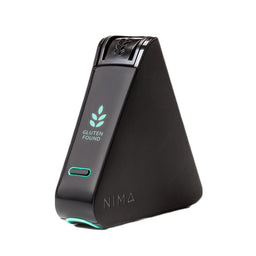
NIMA checks a representative food sample for gluten. Its result describes that sample, not your skin or immune system.
Use it only after diagnosis as one added data point alongside label reading, restaurant questions, and your care plan.
What Gluten-Related Facial Symptoms Can Look Like
There is no single “gluten rash face” pattern. A face rash after gluten exposure might be dermatitis herpetiformis, sudden hives or swelling from wheat allergy, or redness unrelated to gluten.
Look at the whole pattern. Focus on these details.
-
How quickly symptoms started
-
Whether they itch or burn
-
Whether bumps appear on both sides
-
Any breathing, digestive, mouth, or body-wide symptoms
These details give a clinician more to work with than a before-and-after selfie.
Timing narrows the field, but it can't finish the diagnosis. Immediate hives and swelling call for a different workup than a recurring symmetrical rash. If a flare lingers, spreads, or keeps returning, infections, contact reactions, and chronic skin conditions may need evaluation.
[IMAGE: Medically reviewed comparison of facial dermatitis herpetiformis and hives across varied skin tones. Label as educational, not diagnostic.]
Intensely Itchy Bumps or Blisters: Dermatitis Herpetiformis
With dermatitis herpetiformis, the itch can be brutal. Dermatitis herpetiformis on the face is possible, but this specific skin manifestation of celiac disease more often causes clusters of tiny bumps or blisters in a symmetrical pattern. Scratching can remove the blisters before anyone sees them, leaving crusts, raw areas, or changes in skin color.
Elbows, knees, buttocks, back, and scalp are more typical locations, but NIDDK’s dermatitis herpetiformis guidance confirms that the rash can affect the face. A clinician usually diagnoses it with a skin biopsy taken from normal-looking skin beside an active lesion, not by appearance alone.
If this pattern sounds familiar, NIMA’s full gluten rash guide explains the rash, biopsy process, and treatment in more detail.
You can have dermatitis herpetiformis without obvious digestive symptoms. Searches for a “gluten intolerance face rash” can blur that distinction. A severe recurring itch deserves more than a guess about food sensitivity or skincare.
Hives and Sudden Facial Swelling: Possible Wheat Allergy
People searching for “gluten allergy symptoms on the face” may actually be describing wheat allergy. Raised, itchy welts or swelling that develops quickly around the eyes, lips, or face fit an allergic reaction more closely than celiac disease. Wheat allergy targets proteins in wheat. Celiac disease is autoimmune. Non-celiac gluten sensitivity is a separate diagnosis of exclusion.
A severe wheat reaction can affect more than the skin. The American College of Allergy, Asthma & Immunology lists breathing trouble, weak pulse, throat tightness, trouble swallowing, and symptoms from multiple body systems among the warning signs of anaphylaxis.
Puffiness, Flushing, Acne, and Rosacea Flares
Facial puffiness isn't a stand-alone diagnostic sign of gluten intolerance. Searches like “does gluten make your face puffy?” reflect a real worry. Puffiness by itself still can't establish celiac disease or non-celiac gluten sensitivity.
The evidence is limited. A systematic review in Dermatology Online Journal found that skin findings reported with non-celiac gluten sensitivity were varied and nonspecific. That does not support diagnosing acne, rosacea, facial redness, or puffiness from appearance. Put plainly, reported gluten sensitivity symptoms involving the skin are too varied to diagnose from appearance.
A skincare reaction, another food allergy, sinus symptoms, medication effects, hormones, a salty meal, poor sleep, contact dermatitis, or an unrelated skin condition are other possibilities. A puffy face after gluten can still have one of these causes. A proper evaluation will tell you more than a restrictive diet started on your own.
Remember, if a skin symptom improves after removing gluten, that change alone does not prove gluten was the cause. Other factors may change at the same time, including overall food intake, skincare products, alcohol, sodium intake, sleep, or other dietary patterns. Improvement with an elimination diet should be interpreted in the context of the person's overall symptoms and clinical evaluation.
Mouth Changes and Pale Skin That May Accompany Celiac Disease
Celiac disease can leave clues in or around the mouth. NIDDK lists recurrent canker sores, dry mouth, a red smooth tongue, and dental enamel defects among possible findings. These are supporting clues, not proof.
Pale skin may reflect anemia, including iron-deficiency anemia, but it is not a specific reaction to one gluten exposure. It is also different from a celiac disease skin rash on the face, which may require dermatology evaluation for dermatitis herpetiformis. Tell your clinician if paleness or mouth changes occur with fatigue, digestive symptoms, weight changes, or a family history of celiac disease.
Searches for a “celiac rash on the face” often point to dermatitis herpetiformis, but your history and exam still guide the workup. A clinician can then decide whether blood work, dental review, skin biopsy, or other celiac testing makes sense.
Why “Gluten Face” Is Not a Diagnosis
“Gluten face” is internet shorthand. It bundles together rash, swelling, flushing, acne, and everyday puffiness. Those symptoms can come from very different causes.
The distinction is important. Celiac disease is an autoimmune condition triggered by gluten.
Wheat allergy is an allergic reaction that may happen quickly and can become life-threatening. Non-celiac gluten sensitivity is considered only after celiac disease and wheat allergy have been excluded.
Eczema, contact dermatitis, rosacea, acne, infection, medication reactions, and thyroid conditions can resemble a supposed gluten flare. Timing can offer a clue, but timing alone does not prove cause. NIMA’s gluten intolerance symptoms guide can help you understand the broader symptom picture without turning it into a self-diagnosis.
Before-and-after photos are slippery evidence. Lighting, sleep, hydration, sodium, skincare, and ordinary day-to-day changes can alter how your face looks. They cannot confirm a facial rash caused by gluten sensitivity. Keep photos in your symptom record, but don't treat them as a test result.
When Facial Swelling Needs Emergency Care
Sudden swelling of the lips, tongue, mouth, or throat is an emergency. Call 911 right away if you have trouble breathing or swallowing, repetitive coughing, faintness, a weak pulse, or widespread hives with vomiting, diarrhea, or abdominal pain. Don't wait for it to settle.
If you have been prescribed epinephrine for a food allergy, use it according to your emergency plan and call 911 immediately. Antihistamines do not replace epinephrine for anaphylaxis.
Dermatitis herpetiformis usually behaves very differently. It is a long-lasting, intensely itchy rash rather than anaphylaxis.
Do not label fast-worsening swelling as a “gluten intolerance puffy face” reaction. Respond to the symptoms in front of you. New or rapidly worsening swelling needs urgent action, whatever cause you suspect.
How to Get Facial Symptoms Properly Evaluated
Start with primary care if you are unsure where to go. Depending on the pattern, your clinician may refer you to one of these specialists.
-
A dermatologist for a persistent or blistering rash
-
An allergist for rapid reactions to wheat
-
A gastroenterologist when the history or test results point to celiac disease
These care paths sometimes overlap. A dermatologist who suspects dermatitis herpetiformis may coordinate with gastroenterology. An allergist may need to separate an immediate wheat reaction from symptoms that showed up much later.
You only need a sensible starting point and a clear history.
Bring more than a photo. A timeline, ingredient details, other symptoms, family history, medications, supplements, and skincare products can reveal a pattern that one image cannot. If celiac disease is confirmed, prepare questions for your GI or dietitian before follow-up visits.
Track the Pattern Before Your Appointment
A simple symptom record can turn a suspected gluten-related skin rash on the face into useful clinical information. Write down these details, but don't deliberately re-expose yourself to a suspected trigger.
-
When the symptom began and how long it lasted
-
What you ate, including sauces, seasonings, and shared preparation surfaces
-
Whether the rash appeared on both sides of the face or elsewhere on the body
-
Itch, burning, pain, digestive symptoms, headache, fatigue, or mouth changes
-
Any breathing change, faintness, or swelling of the lips, tongue, mouth, or throat
If you can do so safely, photograph a fresh flare in consistent light. Skip any at-home wheat or gluten challenge, especially after swelling or breathing symptoms.
Try not to change everything at once before your appointment. A restrictive diet, new skincare, and added supplements can blur the pattern. Ask your clinician which changes are both safe and useful.
How Can You Check an Uncertain Meal Without Testing Your Body?
After diagnosis, use established food-safety practices rather than deliberately exposing yourself to gluten to see whether symptoms occur. If food testing is part of your established plan, it should be used as an optional source of information rather than as a substitute for appropriate gluten-free precautions.
With NIMA, take a pea-sized representative sample from the meal and follow the capsule instructions. The sensor tests that portion, so a result cannot speak for every bite.
Keep food limits in view. NIMA cannot reliably test fermented or hydrolyzed foods or alcoholic drinks. A negative result does not replace the plan from your healthcare team. When eating away from home, use a consistent process to test restaurant food for gluten.
Get Tested Before Starting a Gluten-Free Diet
NIDDK recommends testing for celiac disease before starting a gluten-free diet because removing gluten can affect results. Evaluation commonly begins with antibody blood tests while you are still eating gluten. A small-intestinal biopsy or other testing may follow when clinically appropriate. Suspected gluten intolerance symptoms involving the skin still require this diagnosis-first approach.
Suspected dermatitis herpetiformis calls for a skin biopsy beside an active lesion. Suspected wheat allergy belongs with an allergy professional, who may use the history, skin-prick testing, blood testing, or a medically supervised food challenge.
No single validated biomarker can diagnose non-celiac gluten sensitivity. Clinicians first exclude celiac disease and wheat allergy, then may use a supervised dietary trial and symptom tracking. A suspected facial rash linked to gluten sensitivity cannot confirm the condition either.
A supervised plan can protect your nutrition too. Removing gluten may be medically necessary, but cutting foods without a clear plan can shrink your diet and still miss the real cause.
What to Do After Diagnosis, and Where NIMA Fits
Treatment depends on the diagnosis.
-
A strict gluten-free diet for confirmed celiac disease or dermatitis herpetiformis, supported by a clear list of celiac disease foods to avoid
-
Wheat avoidance and an allergy emergency plan for wheat allergy
-
Condition-specific care for acne, rosacea, contact dermatitis, and other causes
After diagnosis, NIMA can become an additional tool in your gluten-free toolkit. It tests a representative sample for gluten from wheat, barley, and rye. In an independent evaluation, Bia Diagnostics found a 99% probability of detection at 10 ppm, and the sensor returns a result in about three minutes.
Those numbers matter. So does sampling. Gluten may be unevenly distributed through a meal, and one small sample can't speak for every bite.
NIMA is a food-testing tool. It cannot diagnose your skin, immune system, or a medical condition.
Use NIMA’s accuracy guide to understand what the result means, then review the responsible-use guidance for sampling and food limitations. Think of the sensor as one more layer of information alongside label reading, restaurant questions, and guidance from your healthcare team.
A “gluten found” result cannot diagnose a facial symptom. It describes the sample, not your immune system or skin. A “no gluten found” result cannot guarantee the whole meal either, so keep following the precautions from your care team.
Frequently Asked Questions About Face Gluten Intolerance Symptoms
These common questions cover appearance and timing. Use the answers as a starting point, then bring your symptom record to a clinician for evaluation.
What Does Gluten Intolerance Look Like on the Face?
No single appearance defines gluten intolerance on the face. If you are asking whether gluten causes a puffy face, the answer is that puffiness alone is nonspecific. You might see an intensely itchy, blistering rash linked to celiac disease or hives and rapid swelling from wheat allergy. Redness and irritation may have another cause entirely.
Dermatitis herpetiformis more often affects the elbows, knees, buttocks, back, or scalp. The rash may affect the face. Puffiness, acne, or rosacea alone does not establish a gluten-related disorder. Document the pattern and seek clinical evaluation.
Focus on which diagnosis best fits the itch, timing, distribution, and other symptoms. Testing can then confirm or rule out the likely causes. Questions about whether you can reverse gluten intolerance should wait until you know which condition you have, because celiac disease, wheat allergy, and non-celiac gluten sensitivity are not interchangeable.
How Long Does “Gluten Face” Last?
No universal timeline exists because “gluten face” covers several different problems. Hives, dermatitis herpetiformis, contact reactions, rosacea, and everyday puffiness all run their own course.
Removing gluten doesn't create a reliable countdown. Recovery depends on the true diagnosis, the right treatment, and whether exposure continues. If you accidentally ate gluten after a confirmed diagnosis, follow your care plan and watch for symptoms that need medical attention. Seek medical review for persistent, recurrent, painful, or unexplained symptoms, and emergency care for rapid or worsening swelling.
Get Clear Answers About Possible Gluten-Related Facial Symptoms
If you suspect gluten intolerance, symptoms on your face are clues. The pattern and the testing path tell you more than the label “gluten face.” Record what happened and talk with a healthcare professional before changing your diet or trying to prove a trigger at home.
Once a diagnosis shows that gluten exposure needs to be managed, uncertainty shifts from “What caused this?” to “Does this meal fit my plan?” NIMA adds one independently validated food-sample check to the label reading, restaurant questions, and medical guidance you already use. Review NIMA’s responsible-use guide to see which foods can be tested, how to take a representative sample, and where the sensor’s limits begin before your next uncertain meal.
Recent News

Is Bulgur Gluten Free? Why It Contains Gluten and What to Eat Instead
Bulgur is a form of wheat, so it is not gluten free. This guide explains where it appears, how to read labels and menus, and which naturally gluten-free grains can replace it in salads, pilafs, soups, and other recipes.


