

Is Farro Gluten Free? What People With Celiac Disease Need to Know
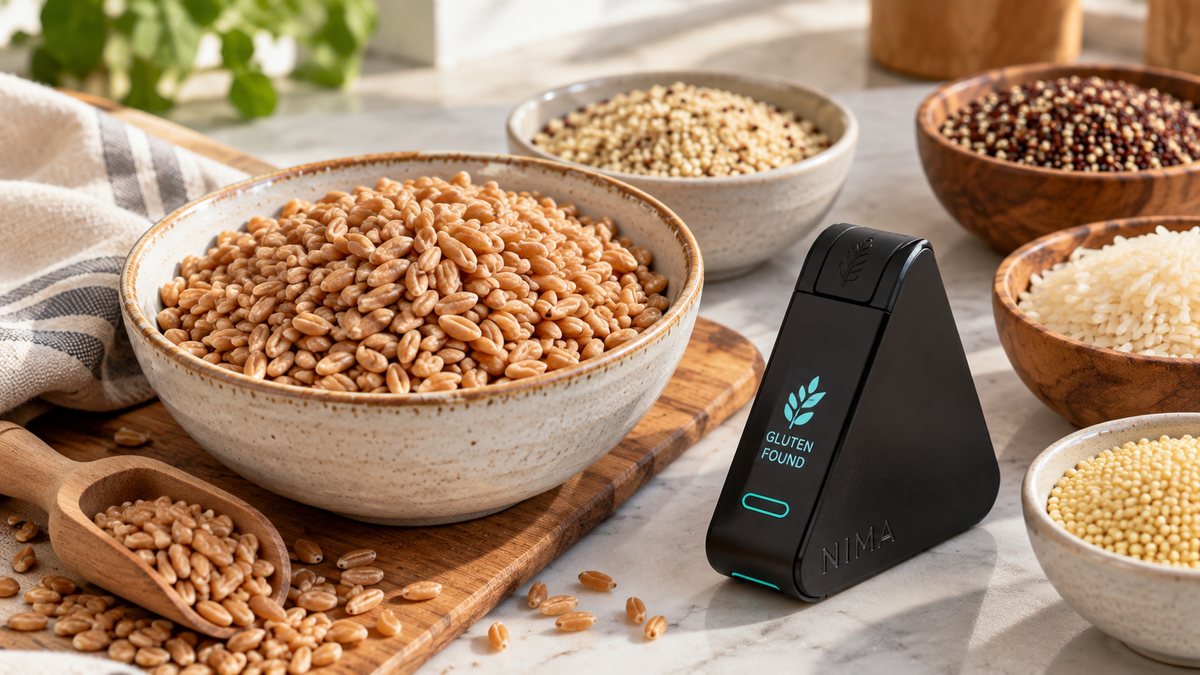
No, farro is not gluten free. It is wheat, so people with celiac disease, non-celiac gluten sensitivity, or a wheat allergy should avoid it.
Learn which farro names to watch for, how to choose a gluten-free substitute, and when a portable gluten test can responsibly add information.
Is Farro Gluten Free? No, Farro Is Wheat
Farro is wheat, not a gluten-free grain. The name covers several wheat species that naturally contain gluten. The Celiac Disease Foundation lists farro, einkorn, emmer, and spelt among wheat varieties that contain gluten.
Is there gluten-free farro? No. Ancient, organic, sprouted, and whole grain can all sound reassuring on a package. Those words describe how the wheat was grown, marketed, or processed. Gluten is still there.
Pearling changes only the bran, texture, and cooking time. The grain remains wheat. Whole, semi-pearled, and pearled farro all contain gluten.
If farro turns up in a salad, soup, pilaf, meal kit, or grain bowl, treat it as wheat. Anyone who needs a strict gluten-free diet should choose another grain.
Can You Use a Gluten Sensor to Check Farro?
No. A gluten sensor should not be used to make a known farro dish acceptable for a gluten-free diet. NIMA is designed for food you expect to be gluten free after you have checked the label and asked about preparation. If farro, einkorn, emmer, or spelt appears in the ingredients, choose another dish. The ingredient list has already answered the question.
Why "Ancient Grain" Does Not Mean Gluten Free
“Ancient grain” sounds far removed from modern wheat. Farro is still wheat. Depending on the producer or region, the name may refer to einkorn, emmer, or spelt, and a package may use the English name, the Italian farro name, or both.
That warm, wholesome wording can give farro a health halo. A grain may be traditional, minimally processed, and nutritious for many people, but it can still be unsafe for someone who must avoid gluten.
Einkorn (Farro Piccolo)
Einkorn is the smallest wheat species commonly grouped under the farro name. On a label, it may appear as einkorn, piccolo farro, or farro piccolo. It is still wheat.
Every one of those names still refers to wheat. Skip einkorn if you need to avoid gluten, even when the package highlights its age, farming method, or short ingredient list.
Emmer (Farro Medio)
Emmer is a common farro variety sold in the United States. Look for emmer, farro medio, or farro on packages and menus.
Emmer may be sold whole, semi-pearled, or pearled. Those treatments change the bran and cooking time, but the gluten-containing wheat proteins remain. Every form is unsuitable for a gluten-free diet.
Spelt (Farro Grande)
Spelt is another wheat species sold as farro, often under the name farro grande. You may find it in breads, pasta, and grain dishes as an alternative to modern wheat.
Spelt still contains gluten. Is farro pasta gluten-free when it is made with spelt or farro grande? No. Treat those ingredients as wheat and pick a different option.
What People With Celiac Disease Should Do When They See Farro
A strict gluten-free diet is the treatment for celiac disease. NIDDK explains that gluten occurs naturally in wheat, barley, and rye, and that eating it triggers an immune reaction that damages the small intestine. That puts farro squarely on the avoid list.
Labels first. Watch for farro, einkorn, emmer, spelt, farro piccolo, farro medio, and farro grande. Front-label words such as ancient grain, artisan, or sprouted leave the underlying ingredient unchanged.
At a restaurant, ask which grain is used in salads, soups, risottos, pilafs, and bowls. Farro risotto is not gluten free because farro is wheat, even when the dish looks like rice. Ask staff to confirm the ingredients. If the ingredients are unclear, choose a dish with a clearly identified gluten-free base.
The FDA's gluten-free labeling rule requires foods using a gluten-free claim to contain less than 20 parts per million of gluten and limits the use of gluten-containing grain ingredients. Still, read the full label and consider shared-equipment warnings on packaged grains.
A known farro ingredient settles the question. Known farro remains unsuitable for a gluten-free diet, regardless of symptoms, a small taste, the cooking method, or a negative food-test result. If you want a broader shopping reference, review NIMA's guide to celiac disease foods to avoid.
How Should You Sample a Gluten-Free Grain Dish?
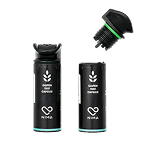
A gluten-free grain dish should be sampled from several parts of the meal before testing. For a quinoa, rice, or sorghum dish expected to be gluten free, NIMA recommends using the capsule cap to gather small portions from different areas into one pea-sized sample. This makes the tested portion more representative of a mixed dish, since cross-contact may sit in one spot. The result still applies only to the sample inside the capsule, not the whole plate.
Best Gluten-Free Alternatives to Farro
A good gluten-free substitute for farro depends on the dish. Several gluten-free grains can create a similar chewy texture in salads, bowls, and pilafs.
The Whole Grains Council identifies amaranth, buckwheat, millet, quinoa, rice, sorghum, teff, and wild rice as gluten-free choices. Oats need extra care because they are frequently exposed to wheat during growing or processing. Choose oat groats labeled or certified gluten free.
-
Want that chewy, nutty bite? Try sorghum or buckwheat groats. Sorghum suits grain bowls, hearty salads, and side dishes. Buckwheat groats cook faster and soften quickly. Check them early if you want a firmer texture. For cold salads, let either grain cool before adding dressing so the texture stays distinct.
-
For soups and pilafs, brown rice is dependable and easy to find. If you are wondering whether farro rice is gluten free, check the ingredients: any blend containing farro still contains wheat. NIMA's rice guide covers common rice varieties and the label and preparation details that matter. Choose wild rice for a firmer bite or brown rice for a milder base.
-
For quick salads and bowls, quinoa is a practical choice. It cooks faster than most whole grains and takes on dressings and herbs easily. Pure quinoa is naturally gluten free, but flavored mixes and shared processing equipment can add risk, as NIMA's quinoa guide explains.
-
Millet gives you a softer result. Teff and amaranth are better suited to porridge-style dishes than loose grain salads. Whatever you choose, check the package for gluten-free labeling and use clean cookware, utensils, and serving tools to reduce cross-contact. Use millet when the recipe works better with a softer texture.
Where NIMA Fits in Your Gluten-Free Toolkit
If a dish contains farro, skip it. The ingredient list has already answered the question, and anyone who needs a gluten-free diet should choose something else rather than testing the dish.
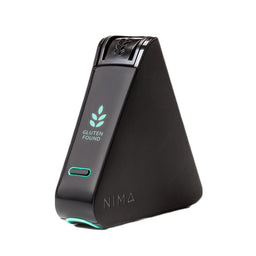
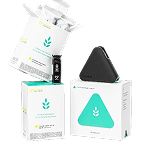
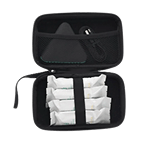
NIMA fits after you have read the label, asked questions, and considered how the food was prepared. For food expected to be gluten free, the NIMA gluten sensor can test a representative pea-sized portion of a suitable solid or semi-solid food. The device returns a result in about three minutes.
Sampling matters. Gluten can collect in one part of a mixed dish after contact with a shared grill, fryer, utensil, or prep surface. The result applies only to the food inside the capsule.
NIMA's Responsible Use guide explains the boundary. A negative result does not guarantee that a food is completely gluten free. The sensor adds one data point alongside ingredient labels, third-party certification, restaurant communication, advice from a clinician or registered dietitian, and your own judgment.
Some foods fall outside NIMA's reliable testing limits, including fermented or hydrolyzed foods and alcoholic beverages. Check that the food is suitable before opening a capsule, then follow the sampling directions. NIMA provides additional information to support your decision.
Farro and Gluten FAQs
These quick answers cover the most common questions about farro and gluten.
Is Pearled Farro Gluten Free?
No. Pearling removes some or all of the outer bran, which shortens the cooking time and softens the grain. It remains wheat and contains gluten.
Whole farro, semi-pearled farro, and pearled farro all contain gluten. Choose a labeled gluten-free alternative instead of relying on the word pearled.
Is Farro Safe for Gluten Intolerance?
No. Anyone who needs to avoid gluten, including a person with celiac disease or non-celiac gluten sensitivity, should avoid farro. Farro is wheat, so a person with a wheat allergy should avoid it.
Celiac disease, non-celiac gluten sensitivity, and wheat allergy are different conditions. A clinician or registered dietitian can help you understand your diagnosis and build an appropriate eating plan.
What Is Similar to Farro but Gluten Free?
Sorghum and buckwheat groats are two of the closest options when you want a chewy, nutty grain for a savory dish. Quinoa, brown rice, wild rice, and millet are often easier to find and can work well in salads, soups, pilafs, and bowls.
Naturally gluten-free grains can still encounter gluten through cross-contact. Check labels, skip shared bulk-bin scoops, and ask how restaurant grains were prepared and served.
Choose a Gluten-Free Grain You Can Trust
Farro is wheat, so it belongs off the menu for people with celiac disease and anyone else who needs to avoid gluten. Choose a substitute that fits the dish. Then verify the label and preparation, and keep your usual gluten-free habits in place. For suitable foods where uncertainty remains, explore the NIMA gluten sensor as one additional layer of information. Read the Responsible Use guide before testing
Bia Diagnostics independently validated the current NIMA sensor at 99% accuracy for detecting gluten at 10 parts per million across wheat, barley, and rye. Review how NIMA works and its responsible-use limits before deciding where it fits in your gluten-free toolkit.
Recent News

Is Bulgur Gluten Free? Why It Contains Gluten and What to Eat Instead
Bulgur is a form of wheat, so it is not gluten free. This guide explains where it appears, how to read labels and menus, and which naturally gluten-free grains can replace it in salads, pilafs, soups, and other recipes.


