


Gluten Allergy vs. Celiac Disease: Understanding the Key Differences

Maybe bread leaves you bloated. Pasta wipes you out. Or one bite of a wheat-based snack brings on hives. When people compare gluten allergy vs. celiac disease, the phrase “gluten allergy” can blur together several very different conditions.
Celiac disease is an autoimmune condition triggered by gluten. Wheat allergy happens when the immune system reacts to one or more wheat proteins. Non-celiac gluten sensitivity is considered only after both have been evaluated.
Each comes with different tests, risks, treatments, and warning signs. The right label matters before you change your diet.
Is a Gluten Allergy the Same as Celiac Disease?
No. People often use “gluten allergy” as shorthand for celiac disease, wheat allergy, or non-celiac gluten sensitivity. Comparing celiac disease versus a gluten allergy is incomplete without those distinctions, even when symptoms overlap.
One important terminology point: there is no formal medical diagnosis called a "gluten allergy." Using the correct term matters because the foods that need to be avoided, the potential health risks, and the treatment approach are different.
Celiac disease is an autoimmune disorder. Eating gluten, a group of proteins found in wheat, barley, and rye, triggers an immune response that damages the small-intestinal lining.
With wheat allergy, the immune system reacts to one or more wheat proteins and may cause a rapid, serious reaction. Avoidance needs can differ because barley and rye do not trigger every person with wheat allergy.
So, can you have a “gluten allergy” without celiac disease? You can have a wheat allergy or non-celiac gluten sensitivity without having celiac disease. A clinician can help you identify which term fits, rather than asking you to manage three different conditions as if they were one.
Gluten Allergy vs. Celiac Disease at a Glance
A comparison of gluten intolerance, wheat allergy, and celiac disease begins with the immune response, the trigger, how quickly symptoms may appear, and the type of testing needed.
|
Factor |
Celiac disease |
Wheat allergy |
Non-celiac gluten sensitivity |
|
Immune mechanism |
Autoimmune |
Usually IgE-mediated allergy |
Not clearly defined |
|
Trigger |
Gluten in wheat, barley, and rye |
One or more wheat proteins |
Gluten or other wheat components may contribute |
|
Typical timing |
Variable, delayed, or silent |
Often minutes to hours |
Variable and often delayed |
|
Common symptoms |
Digestive and non-digestive symptoms |
Hives, swelling, breathing, digestive, or nasal symptoms |
Digestive symptoms, fatigue, headache, or brain fog |
|
Small-intestinal damage |
Yes |
No |
No celiac-type damage |
|
Anaphylaxis risk |
No |
Yes |
No |
|
Diagnostic approach |
Celiac blood tests, often followed by biopsy |
History plus skin-prick or wheat-specific IgE testing, sometimes food challenge |
Exclude celiac disease and wheat allergy, then guided evaluation |
|
Treatment |
Strict lifelong gluten-free diet |
Avoid wheat and follow an allergy action plan |
Individualized diet after clinical evaluation |
It is also possible for a person to have more than one food-related condition, so a previous diagnosis should not automatically rule out another condition if new or different symptoms develop. Persistent or changing symptoms should be discussed with a healthcare professional.
Symptoms Can Overlap, but Timing and Red Flags Differ
When comparing gluten allergy and celiac disease symptoms, the overlap can be deceptive. Stomach pain, fatigue, bloating, diarrhea, headaches, and skin symptoms can show up in more than one condition, so symptoms alone cannot confirm the cause.
Timing offers a clue, but not proof. Wheat allergy symptoms often begin within minutes to a few hours. Celiac symptoms and gluten sensitivity symptoms may be delayed, inconsistent, or absent even when exposure is causing a problem.
Because these symptoms overlap, it is important not to self-diagnose based on how you feel after eating bread or pasta. Symptoms can help guide the evaluation, but they cannot determine whether the underlying cause is celiac disease, wheat allergy, non-celiac gluten sensitivity, or another gastrointestinal condition. If you are asking about celiac without obvious symptoms, discuss that possibility during the evaluation too.
Trying to rank one condition as “worse” misses the real issue. Wheat allergy can cause anaphylaxis within minutes. Untreated celiac disease can quietly injure the small intestine and lead to nutritional problems over time.
Both need an accurate diagnosis and a separate care plan. Questions for your GI or dietitian after a celiac diagnosis can help turn test results into practical next steps.
Celiac Disease Symptoms and Long-Term Effects
Celiac disease may cause bloating, abdominal pain, diarrhea, constipation, nausea, gas, or changes in weight. The effects can reach beyond digestion. Fatigue, iron-deficiency anemia, headaches, mouth ulcers, bone or joint problems, dermatitis herpetiformis, and growth concerns in children can occur, too.
Some people have mild symptoms or none they can clearly identify. The immune response can still cause harm. MedlinePlus explains that celiac disease damages the small intestine and can reduce nutrient absorption, and symptom patterns vary from person to person.
Wheat Allergy Symptoms and Anaphylaxis
Wheat allergy may cause hives, itching, swelling, a stuffy or runny nose, wheezing, vomiting, diarrhea, or abdominal pain. Reactions can range from mild to life-threatening.
Trouble breathing, throat or tongue swelling, faintness, or symptoms that are worsening quickly require immediate action. Follow the person’s prescribed emergency allergy plan, use prescribed epinephrine as directed, and seek emergency care. Antihistamines are not a substitute for epinephrine in anaphylaxis.
Anaphylaxis is an allergy emergency, not a feature of celiac disease. That difference matters when symptoms start fast.
Can a NIMA result tell you whether food is safe for wheat allergy?
No. A gluten sensor result cannot show whether a food is safe for someone with wheat allergy because wheat contains proteins beyond gluten. NIMA detects gluten from wheat, barley, and rye in the sample you test. It does not test every wheat protein that can trigger an allergic reaction.
Follow the allergist’s written plan for labels, cross-contact, and emergency care. A “No Gluten Found” result should never override that plan or be used to clear a food for wheat allergy.
Non-Celiac Gluten Sensitivity Symptoms
Non-celiac gluten sensitivity can bring bloating, bowel changes, fatigue, headaches, joint pain, rashes, or brain fog. Unlike celiac disease, it does not cause the same small-intestinal damage.
No validated stand-alone test exists. MedlinePlus recommends checking for celiac disease before a clinician considers a gluten-free trial. NIMA’s guide to gluten intolerance symptoms can help you track patterns and prepare for a more useful conversation with your clinician.
How Doctors Tell the Difference
If you are trying to tell whether you are gluten intolerant or have celiac disease, testing starts with a careful history. A clinician may ask what you ate, how much, how quickly symptoms began, which parts of the body were involved, and whether close relatives have celiac disease or allergic conditions. Photos of a visible reaction and a short food-and-symptom record can add context, but neither can diagnose you. If you are documenting gluten-related facial symptoms, include photos and timing in the record you bring to the evaluation.
A food and symptom diary can be useful for identifying patterns, but it should not be used to diagnose celiac disease or wheat allergy. Record the food, approximate amount, time eaten, symptoms, timing of symptoms, and any other relevant factors such as exercise or medications.
Keep eating gluten for testing. Follow different instructions only if your clinician gives them. Ask about celiac disease and wheat allergy testing first.
If both are excluded, the next step may be an evaluation for non-celiac gluten sensitivity.
Celiac Disease Blood Tests and Biopsy
Celiac testing usually starts with antibody blood tests such as tTG-IgA. Clinicians may check total IgA because an IgA deficiency can change how the result is interpreted.
Other antibody tests fit certain cases.
If the results suggest celiac disease, an upper endoscopy with small-intestinal biopsies is a common confirmation step. NIDDK notes that blood tests and biopsies are the tests doctors use most often. The exact pathway may differ for children, dermatitis herpetiformis, IgA deficiency, or another special clinical situation.
HLA-DQ2 and HLA-DQ8 genetic testing can sometimes help rule out celiac disease. Having either gene does not confirm the condition because many people carry them and never develop celiac disease.
Wheat Allergy Testing
An allergist combines the reaction history with skin-prick testing or a blood test for wheat-specific IgE. A positive result can show sensitization, but the test must be interpreted alongside what actually happens when you encounter wheat.
The American College of Allergy, Asthma & Immunology says a medically supervised oral food challenge may be considered when the diagnosis remains unclear. A reaction can be severe, so this test belongs in an allergy office or food challenge center with trained staff and emergency treatment available.
Testing for celiac disease versus wheat allergy answers different questions. One panel cannot reliably diagnose both.
How Non-Celiac Gluten Sensitivity Is Diagnosed
Non-celiac gluten sensitivity is a diagnosis of exclusion. Appropriate testing first checks for celiac disease and wheat allergy. If both are excluded, a clinician or dietitian may guide a structured elimination and reintroduction while tracking symptoms and nutritional adequacy.
Feeling better after a few gluten-free days is not enough to identify the cause. Saliva, hair, stool, and broad food sensitivity panels marketed as a quick answer are not validated stand-alone tests for this condition.
Do Not Go Gluten-Free Before Celiac Testing
This step matters. This is particularly important for people who have not yet been diagnosed with celiac disease. Starting a gluten-free diet before appropriate testing may lead to inaccurate or inconclusive results and can make the diagnostic process more complicated. NIDDK advises testing before you remove gluten.
Already gluten-free? Do not restart it on your own. A gastroenterologist or another qualified clinician can work out the safest testing plan based on your current diet, symptoms, and history.
Body tests and food tests answer completely different questions. Medical testing looks for an autoimmune condition or allergy. NIMA analyzes one food sample. It cannot diagnose or rule out celiac disease, wheat allergy, or non-celiac gluten sensitivity.
Treatment Depends on the Diagnosis
Similar-looking food restrictions can hide very different medical plans. The details matter. Diagnosis determines what you avoid, which emergencies you prepare for, and who should guide your care.
Celiac Disease and Non-Celiac Gluten Sensitivity
For celiac disease, the diet is lifelong. That means avoiding wheat, barley, and rye while reducing cross-contact. Follow-up may include nutritional testing, bone-health checks, a review of symptoms, and ongoing help from a dietitian who understands how hard strict avoidance can be in everyday life.
Practical resources on celiac disease foods to avoid and ways to prevent gluten cross-contact can make the daily work more manageable. They should support, not replace, individualized advice from your care team.
Management of non-celiac gluten sensitivity is more individualized. A clinician or dietitian can help you reduce the suspected trigger without creating unnecessary restrictions or gaps in fiber, vitamins, and minerals.
Should you use a gluten sensor after a celiac diagnosis?
A gluten sensor makes the most sense after diagnosis when a sample-level result can change a food decision. NIMA fits moments when you have read the label, spoken with the kitchen, and uncertainty still remains, such as testing restaurant meals for gluten, traveling, or eating food prepared in a shared kitchen.
Routine testing is not needed for every certified gluten-free food. If you suspect a labeled food is contributing to symptoms, discuss the pattern with your clinician and use testing as one more source of information, not a replacement for your care plan.
Wheat Allergy
Wheat allergy management focuses on avoiding wheat and following the allergist’s written reaction plan. That plan may include carrying prescribed epinephrine and making clear decisions about labels, cross-contact, restaurants, and nonfood products containing wheat.
Gluten-free and wheat-free labels solve different problems. Some people with wheat allergy can eat barley or rye, depending on the boundaries their allergist sets. A wheat-free product may still contain gluten from either grain.
Read the full ingredient list. Then follow your allergy plan.
Where a NIMA Gluten Sensor Fits, and Where It Does Not
NIMA belongs after diagnosis. For someone already managing a medically gluten-free diet, it can add one more data point before the first bite.
NIMA does not replace a doctor, dietitian, label check, or conversation with the kitchen. It is neither a symptom checker nor a medical device.
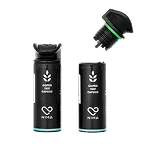
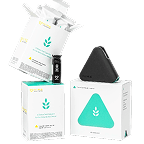
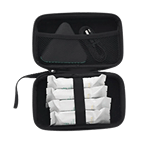
Here is how NIMA tests food for gluten. Place a representative pea-sized sample into a single-use capsule, then insert it into the sensor. NIMA checks the sample for gluten from wheat, barley, and rye down to 10 parts per million, with a 99% probability of detection, and returns a result in about three minutes.
The result applies only to the sample you tested. Gluten can be unevenly distributed across a meal, so a “No Gluten Found” result cannot guarantee that the whole dish is safe.
Fermented or hydrolyzed foods and alcoholic beverages cannot be reliably tested. NIMA’s guide on how to use a NIMA sensor responsibly explains these boundaries and special handling for challenging foods.
Useful information only helps when the limits stay visible. NIMA adds one more layer of confidence before your first bite.
Get the Right Diagnosis for Gluten Allergy vs. Celiac Symptoms
Understanding gluten allergy vs. celiac disease starts with recognizing that celiac disease, wheat allergy, and non-celiac gluten sensitivity come with different risks, tests, and treatments. The phrase “gluten allergy” hides those differences. A clear diagnosis gives you a safer, more practical path forward. The diagnosis matters because symptoms after accidentally eating gluten can mean something different for people with celiac disease, wheat allergy, or non-celiac sensitivity.
If symptoms keep returning, record what you ate and when the reaction started. Ask a qualified clinician about celiac disease and wheat allergy testing before you remove gluten.
If breathing difficulty, throat or tongue swelling, faintness, or a rapidly worsening reaction occurs, follow the emergency allergy plan and seek immediate care.
Once you know what you are managing, build the right toolkit around it. Medical care comes first. Careful food choices come next. If sample-level food testing fits your plan, see how NIMA works and review its responsible-use limits before deciding whether it belongs in your routine.
Recent News

Gluten Belly: Symptoms, Causes, and How to Know If Gluten Is the Problem
What people call “gluten belly” is usually bloating, pressure, or abdominal discomfort, but gluten is not the only possible cause. Learn the signs to track, conditions to rule out, and why testing should come before a gluten-free trial.


