

Food Anxiety With Celiac Disease: How to Feel Safer Around Food
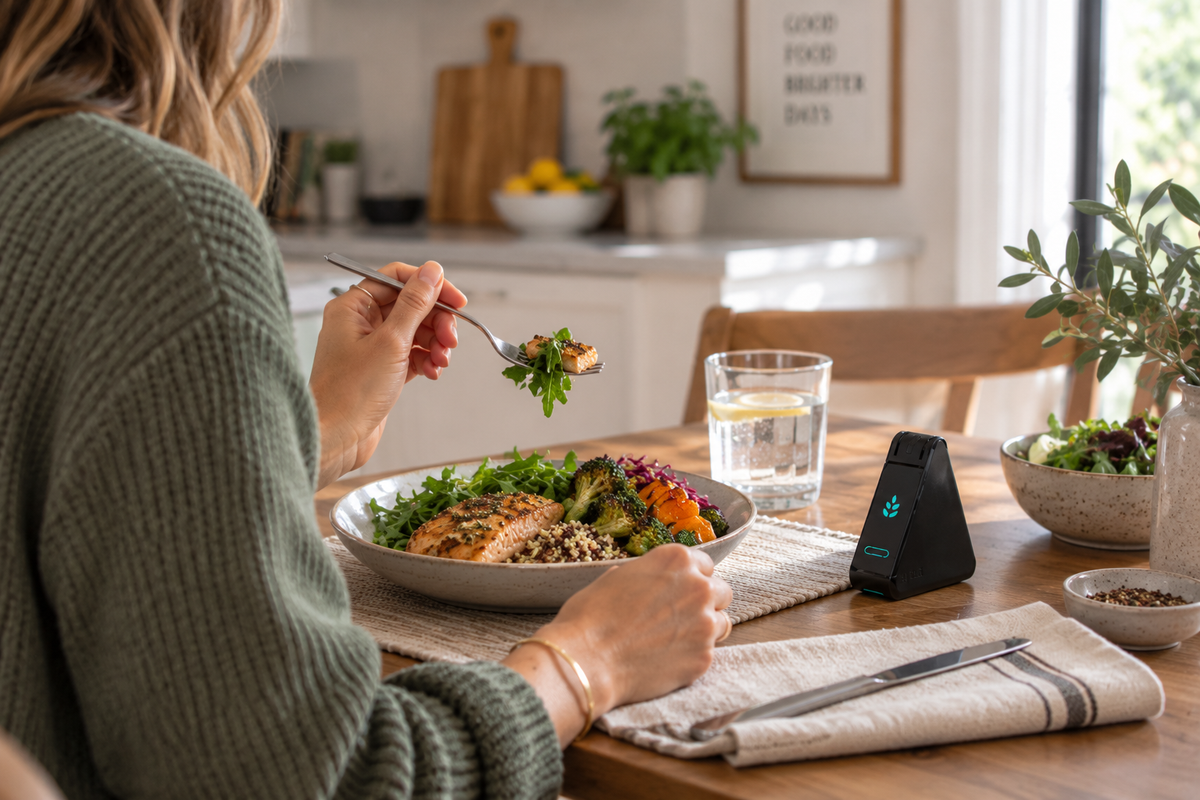
You have read the label, asked the server, and checked how the meal was prepared. Still, the moment before the first bite can leave you asking, “Is this truly safe for me?” That gluten anxiety is understandable when one unseen mistake can have real consequences.
Food anxiety is worry or fear tied to choosing, preparing, or eating food. With celiac disease, that worry can begin as rational self-protection. It needs attention when it repeatedly limits nourishment, relationships, or daily life. A consistent, evidence-based process can honor real gluten risks while giving open-ended worry a clear stopping point.
What Does Food Anxiety Look Like With Celiac Disease?
Food anxiety can look like checking the same label several times, replaying a restaurant conversation after you order, or dreading any meal you did not prepare yourself. You might skip gatherings, eat before every event, or rely on a list of familiar foods that keeps getting shorter. This anxiety about food can feel protective.
The term describes an experience, not a diagnosis. Careful gluten avoidance is medically necessary for people with celiac disease, so caution alone does not mean something is wrong. Reading labels, asking about cross-contact, and declining food when answers are unclear are reasonable ways to protect your health.
The dividing line is usually the effect on your life. Watch for patterns like these.
-
Worry takes up hours of mental space.
-
You eat too little, lose variety, or avoid people and places you value.
-
Reassurance fades so quickly that you start every check again.
One tense meal does not define a pattern. But when fear becomes persistent, distressing, or difficult to control, it is worth adding support alongside your gluten-safety plan.
Why Food Anxiety Can Feel So Intense After a Diagnosis of Celiac Disease
A diagnosis of celiac disease can bring relief because you finally have an explanation. It can also change shopping, cooking, restaurants, travel, work lunches, and family traditions all at once. Managing anxiety and a gluten-free diet is not as simple as deciding to worry less because strict gluten avoidance is the treatment.
Protective habits still matter. The shift is from constant scanning to a smaller set of reliable, evidence-based actions. That can take practice, especially when the risk is invisible or a previous exposure has made trust harder.
Uncertainty and Cross-Contact Risk
Gluten is easy to recognize in a slice of bread. Cross-contact is harder because it can happen while food is processed, stored, prepared, or served. A shared toaster, cutting board, utensil, fryer, or prep surface can introduce gluten without changing how a meal looks.
NIDDK guidance recommends checking labels, storing and preparing gluten-free food separately, researching restaurants, and asking how food is prepared. Those concrete actions matter because they turn a vague threat into questions you can answer.
Restaurant procedures can change, too. New staff or ingredients may alter how a familiar kitchen handles your order. A short, consistent check keeps your decision grounded in what the kitchen is doing now, rather than a past visit or an imagined chain of failures.
For a practical explanation of where risk can enter, review what to know about gluten cross-contact. Understanding the pathways helps you focus on the checks that matter most.
What Can One Food Test Actually Tell You?
One food test can answer a narrow question about the sample inside it, not certify an entire meal.
That limit can make testing more useful because it gives worry a defined target. A NIMA test uses one pea-sized sample, which can include small portions from different areas of the same dish when the food is suitable for testing. If the kitchen cannot explain ingredients or cross-contact, choose a backup instead of asking a result to replace missing safety information.
When a result would change your decision, one planned NIMA test can add clarity. If the result would only lead to more tests of the same dish, set your stopping point before you begin.
Understanding how the gluten sensor works can help you decide whether one planned test would answer a useful question.
The Loss of Spontaneity and Social Ease
Food connects people. It is part of dates, birthdays, work meetings, school events, holidays, and travel. When every invitation comes with research and self-advocacy, even enjoyable plans can feel like another task.
You may grieve foods or routines that once felt effortless. You may feel frustrated when other people say, “Let’s just grab something,” but you need details first. That decision fatigue can deepen the social toll of managing celiac disease, but it does not mean a full social life is out of reach.
Preparation can create room for spontaneity within safe boundaries. A familiar restaurant list, a packed snack, and one supportive person who understands your needs can make it easier to say yes. The plan may look different from life before diagnosis, but connection is still possible.
When a Past Gluten Exposure Keeps You on Alert
A painful or confusing gluten exposure can leave you expecting the same threat at the next similar meal. You may replay what happened or add more checks to prevent it. That fear is understandable, but one exposure does not predict every future meal.
An exposure does not mean you failed. Learn what you reasonably can, update your plan once, and avoid turning one event into a rule for every future meal.
If a recent experience is still shaping each bite, NIMA’s guide to easing anxiety after being glutened offers recovery-focused support. For future meals, keep the lesson focused. Ask what new information would genuinely change your decision and what would only restart the worry loop.
Add in after or somewhere in this section maybe: For people with celiac disease, food anxiety can sometimes lead to an increasingly limited diet. Beyond avoiding gluten, it is important to maintain adequate intake of fiber, protein, vitamins, minerals, and overall calories. Working with a registered dietitian can help identify nutritious gluten-free foods and expand food variety without compromising gluten safety.
Build a Food Safety Routine That Reduces Guesswork
A routine puts a boundary around worry. You do not have to solve food safety from scratch at every meal. Use a few planned actions for home, restaurants, and unfamiliar settings, with a clear stopping point that keeps the list of checks from growing.
Start with the setting, then use the same stopping point each time. When the planned checks are complete and no new information appears, make one decision. You can eat the food, choose a backup, or use an added information source when appropriate.
At Home: Separate, Label, and Simplify
Build a home system everyone can follow. Store gluten-free staples in a marked area, clean shared surfaces before preparation, and use dedicated equipment where crumbs are difficult to remove, such as a toaster. Carefully clean or separate other tools based on the item and your household setup.
Agree on rules for condiments, wooden utensils, baking supplies, and cleanup. Labels or color-coded containers can make the system easier for children, guests, and tired adults to follow.
Keep dependable meals and snacks available for low-energy days. Treat them as backups, not the limit of your diet, and add variety when you have time to assess new foods calmly.
A registered dietitian with celiac expertise can help you check whether your kitchen rules support both safety and adequate nutrition.
At Restaurants: Research, Communicate, and Decide in Advance
For eating out with celiac disease, review the menu and call during a quiet time. Explain that you have celiac disease and must strictly avoid gluten. Ask about ingredients, shared fryers, preparation surfaces, utensils, and cross-contact controls. If testing is part of your plan, decide in advance how to test restaurant food for gluten so the result answers one specific question.
Decide what a useful answer sounds like before social pressure enters the picture. Clear process details build confidence. Vague answers, contradictions, or ingredient uncertainty are reasons to choose another dish or use your backup.
A backup might be another restaurant, food you brought, or joining the gathering without eating the meal. Decide in advance so hunger or social pressure does not make the choice for you.
NIMA’s safer dining guide offers more questions and planning ideas for restaurant meals. Save it with your restaurant list so the same routine is easy to repeat.
At Social Events and While Traveling: Carry a Backup Plan
Contact the host or venue ahead of time. Ask what is being served, offer to bring a dish, and pack a known-safe meal or snack. For travel, identify a grocery store and several possible restaurants before the day becomes busy.
Tell one supportive person what would help, whether that means explaining your needs to a host or staying with you while you ask questions. Adapt the routine for a child, teen, partner, or dependent adult based on age and independence. For longer trips, NIMA’s airport travel with celiac disease checklist makes the preparation easier to repeat.
A backup lets you attend without asking hunger or social pressure to decide for you. It is simply part of the plan for an unfamiliar kitchen.
Give Worry a Job With a Simple Before-You-Eat Checklist
Use this checklist when uncertainty starts spreading beyond the facts in front of you. Think of it as a practical stopping tool, not treatment for anxiety. Relief from food anxiety often starts with a plan that ends in one decision.
-
Check the source. Read the current label or menu rather than relying on memory. Confirm that the product, recipe, or restaurant process has not changed.
-
Ask about ingredients and cross-contact. Use direct questions about surfaces, utensils, fryers, storage, and preparation. Say that celiac disease requires strict gluten avoidance.
-
Assess the answer. Look for clear, consistent information. If the person preparing the food cannot answer, treat that uncertainty as information rather than a problem you must solve.
-
Choose the next layer. Select a different food, use your backup, or consider testing a representative sample when the food is appropriate for testing and another data point would help.
-
Make one decision. Eat, switch, or pass. Once your planned checks are complete, restart the loop only when genuinely new information appears.
Save the checklist on your phone and adjust it with your dietitian if needed. A short plan works because it gives worry a specific job and a clear finish line.
Know the Difference Between Careful and Hypervigilant
Careful management uses evidence-based steps to protect your health while supporting adequate nourishment, relationships, and participation. Hypervigilance is different. The rules keep multiplying, reassurance does not last, and avoiding gluten begins to require avoiding more of life.
Research on gluten-free hypervigilance found that extremely vigilant adults with celiac disease had lower quality-of-life scores than less vigilant participants, but strict adherence remains necessary. Medically necessary precautions still come first. Pay attention when those precautions become so rigid that they carry a cost of their own.
Gluten-free anxiety may need a closer look when your safe-food list keeps shrinking, you cannot eat enough, or reassurance never feels settled. Missing work or school, declining travel, or withdrawing from relationships are further signs that food decisions have become unmanageable.
You do not need to label yourself or identify a disorder to ask for help. A professional familiar with celiac disease can help separate necessary safety practices from rules driven mainly by fear. That distinction protects both physical health and quality of life.
When Extra Information Can Help You Feel More Confident
More information helps when it answers a specific question. Start with the label, ask how the food was prepared, and assess possible cross-contact. If uncertainty remains, choose another option or consider one representative sample when the food can be tested reliably. Decide before the meal what each answer will lead you to do. A test adds one data point and should not replace labels, kitchen communication, or medical guidance.
Where NIMA Fits in Your Gluten-Free Toolkit
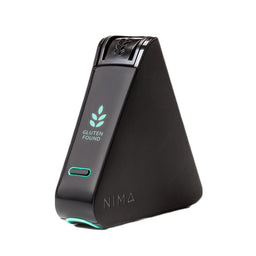
NIMA is an additional tool in your gluten-free toolkit for selected meals. It detects gluten from wheat, barley, and rye down to 10 parts per million, returns a result in about three minutes, and has 99% accuracy validated by Bia Diagnostics. That added layer can offer clarity when it matters most.
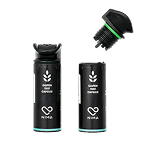
One capsule tests only the specific sample placed inside it. A “No Gluten Found” result applies to that sample rather than every bite or every part of the meal. Fermented or hydrolyzed foods and alcoholic beverages cannot be reliably tested with NIMA.
Sampling matters, especially for mixed dishes. Take small portions from areas prone to cross contamination to create one representative sample when the food and instructions allow it. Then interpret the result alongside everything else you know about the ingredients and preparation.
Review NIMA’s responsible-use guidance before testing so you know which foods require special handling or cannot be tested reliably. Used selectively, NIMA can reduce one layer of guessing without becoming a required ritual for every meal.
For someone experiencing food anxiety, testing should be used selectively rather than as a way to repeatedly seek reassurance. If testing becomes necessary before every meal or repeated testing is needed to feel comfortable eating, that may be a sign that additional support for the anxiety is needed.
When Should You Ask for Professional Support?
Ask for support when food anxiety is frequent, hard to control, or interferes with adequate eating. Unintended weight change, a shrinking range of foods, repeated panic around meals, or avoiding work, school, travel, relationships, and social events are reasons to talk with a qualified professional.
A registered dietitian with celiac expertise can review nutrition, labels, kitchen practices, and whether your restrictions match the evidence. Your gastroenterology team can address symptoms, follow-up testing, and medical questions. NIMA’s questions to ask your GI or dietitian after a diagnosis of celiac disease can help you prepare.
A licensed mental-health professional can help with persistent fear, avoidance, and repeated checking while respecting the need for strict gluten avoidance. A study of 538 adults with celiac disease linked maladaptive eating behaviors and social anxiety with lower quality of life, which supports treating emotional wellbeing as part of whole-person care. The overlap between celiac disease and anxiety disorders can make coordinated support especially useful.
The Celiac Disease Foundation recommends seeking support when worry or low mood regularly gets in the way of life, school, work, friends, or family. You do not need to wait until food anxiety has a diagnostic name. Asking for help is a way to protect your health and make your world larger again.
Food Anxiety and Celiac Disease FAQs
These brief answers can help you separate necessary precautions from anxiety that may need more support.
How Do You Know if You Have Food Anxiety?
Food anxiety may need support when worry affects how much or how widely you eat or stops you from taking part in daily life. Repeated checking that never provides lasting reassurance is a reason to speak with a dietitian familiar with celiac disease or a licensed mental-health professional.
Why Do I Get Anxious When I Eat With Celiac Disease?
Eating carries a real health consequence when you have celiac disease, and cross-contact is often invisible. A past exposure can leave you on alert in similar settings. If anxiety appears across many situations or continues even with reliable safety information, a broader mental-health concern may be contributing, and professional support can help.
Not every digestive symptom after eating means you were exposed to gluten. Bloating, abdominal discomfort, diarrhea, constipation, and other GI symptoms can have many causes, including IBS, lactose intolerance, changes in fiber intake, stress, or other gastrointestinal conditions. Persistent or changing symptoms should be discussed with your healthcare team rather than automatically attributed to gluten exposure.
How Can I Stop Food Anxiety Without Ignoring Gluten Risks?
Keep the steps that protect your health. Replace open-ended worry with a short, evidence-based routine, a backup option, and a stopping point. Adequate nourishment and gradual participation in activities you value matter, too, with help from celiac-informed professionals when needed.
Selective food testing can be one optional information layer. It is not necessary for every meal and does not replace labels, kitchen communication, or medical care.
Move Toward More Confidence, One Meal at a Time
Confidence grows from a process that protects your health without letting fear make every decision. Start with a clear routine, keep a backup ready, and ask for support when worry takes more than the routine gives back. Managing food anxiety with celiac disease means making room for safety and daily life at the same time.
Prepared. Informed. Still part of the moment.
NIMA grew from its founders’ experience with food sensitivities, and TIME named its first sensor one of the 25 Best Inventions of 2015. For selected meals that can be tested reliably, NIMA can add one more data point before your first bite without turning testing into a rule for every meal.
If another layer of information would help with selected meals, learn how the NIMA Gluten Sensor works and how to use it responsibly within your broader gluten-free toolkit.
Recent News

Is Sourdough Bread Gluten Free? What People With Celiac Disease Need to Know
Regular sourdough is not gluten-free, even though fermentation can reduce some gluten. Learn what that means for celiac disease, how to identify truly gluten-free sourdough, and why labels, bakery practices, and testing limits matter.


