


Easing the Anxiety of Being Glutened

You Got Glutened. Here's How to Take Care of Yourself (Body and Mind)
It happens to even the most careful, most prepared people in the gluten-free community. You double-checked the menu. You told your server. You did everything right. And then, somewhere between the appetizer and dessert, gluten found its way in anyway.
Getting "glutened" is one of the most frustrating experiences of living gluten-free. The physical symptoms are rough: nausea, cramping, fatigue, brain fog. But what often goes undiscussed is the emotional side of things. The anxiety. The second-guessing. The nagging fear that it will happen again.
Both of those things matter. And both of them deserve attention.
What Is Actually Happening in Your Body
When gluten enters the system of someone with celiac disease or non-celiac gluten sensitivity, it triggers an immune response that inflames the gut lining and disrupts digestion. Symptoms can start as soon as an hour after exposure and, depending on severity, can stick around for days or even a week or more. For people with celiac disease, even tiny amounts of gluten (amounts invisible to the naked eye) can set off a reaction.
There is no quick fix that flushes gluten out of your system. Your body has to process it on its own timeline. But there are things you can do to support your recovery.
Managing symptoms while you recover. Listen to your body. Some people experience mostly digestive symptoms, while others notice headaches, joint pain, brain fog, irritability, or overwhelming fatigue. Recovery looks different for everyone. Gentle movement such as a short walk or stretching may help some people feel better, but if you're exhausted, rest is often the best medicine.
Avoid experimenting with supplements or products that claim to "neutralize" gluten. Currently, there is no scientifically proven supplement that can prevent or stop the immune response triggered by gluten exposure in people with celiac disease. Focus instead on hydration, nourishing foods, and allowing your body time to heal.
Stay hydrated. Vomiting and diarrhea cause fluid loss fast. Drink plenty of water throughout the day, and consider electrolyte drinks to help restore balance. Peppermint or ginger tea can also work wonders for calming cramping and nausea. Pay attention to signs of dehydration. If you are unable to keep fluids down, feel dizzy when standing, have a rapid heartbeat, or notice very dark urine, contact your healthcare provider. Severe vomiting or diarrhea may require medical attention.
Eat gently. Your gut is inflamed and extra sensitive right now. Stick to simple, easy-to-digest foods like broths, rice, bananas, and cooked vegetables. Skip anything greasy, spicy, or heavily processed while you are in recovery mode. If you had a severe reaction, you may also be temporarily lactose intolerant, since gluten exposure can damage the intestinal villi that help you digest dairy. Give your gut a break from dairy until you feel more like yourself.
Rest. Sleep is when your body does most of its repair work. Do not push through. Give yourself permission to slow down.
Eat smaller, more frequent meals. Smaller portions spaced throughout the day are much easier on an inflamed digestive tract than three big meals. Prioritize protein when you are able. Once nausea begins to improve, incorporating easy-to-digest protein sources such as eggs, chicken, fish, tofu, or lactose-free yogurt can help support healing and maintain energy levels.
If your symptoms are severe or last beyond a few days, check in with your healthcare provider.
Keeping a simple symptom journal can also be helpful. Write down what you ate, where you ate, when symptoms began, and how long they lasted. While it won't undo the exposure, it may help identify potential sources of cross-contact and provide useful information if you need to follow up with a restaurant, manufacturer, or healthcare provider.
The Part We Do Not Talk About Enough: The Anxiety
The physical symptoms of being glutened are real and painful. But according to the Gluten Intolerance Group, the emotional stress that follows is just as real, and it can actually amplify your physical symptoms. Stress itself can cause stomach pain and other symptoms that overlap with gluten reactions, which creates a compounding effect that is hard to untangle.
After an accidental exposure, it is completely normal to feel unsettled in a few specific ways.
Fear of the unknown. What caused it? Could there be hidden damage happening that you cannot feel?
Worry about it happening again. That restaurant might be off your list forever now. Any similar situation can start to feel threatening.
Anxiety at social gatherings. If it happened at a friend's house or a work event, the thought of the next one can bring a wave of dread.
A loss of confidence. Even when you do everything right, the worry that it might happen again can feel impossible to shake.
These fears are valid. They are not overreactions. And experts who work with the celiac community consistently point out that being prepared, rather than just trying to "not worry," is one of the most effective ways to chip away at this anxiety over time.
Remember this: getting glutened does not mean you failed. Cross-contact can happen despite careful planning and diligent advocacy. The gluten-free lifestyle requires constant vigilance, and sometimes circumstances are simply outside your control.
Give yourself permission to take a break from the mental load for a day or two. Lean on trusted friends, family members, or members of the gluten-free community who understand what you're going through. Sometimes the most helpful thing is hearing, "I've been there too."
Practical Ways to Rebuild Your Confidence
Figure out what went wrong, if you can. Tracing back the likely cause (a sauce, cross-contact at a shared kitchen, an assumed-safe menu item) takes some of the mystery out of it. Mystery feeds anxiety. Information helps calm it.
Reach out instead of pulling back. After a bad experience, it is tempting to write off restaurants, friends' homes, and social events altogether. But isolation tends to make food anxiety worse over time. Instead, let the restaurant know what happened. Call ahead before your next visit somewhere new. Talk to the host before you arrive at a social event and ask if you can bring a dish. Taking proactive control of food situations, rather than avoiding them, is one of the most effective ways to reduce fear around eating out.
Ask the questions you need to ask, including big ones like whether gluten intolerance can go away over time. A GI specialist, a registered dietitian, or a celiac-informed therapist can all be incredibly helpful here. The more grounded your understanding of your condition, the less space anxiety has to fill.
Know that some anxiety is neurologically habitual. Research from those studying gluten anxiety has found that even after a gluten-free diet is well established and physical symptoms have improved, the brain's anxiety circuits can keep firing out of habit. Actively reminding yourself that you are safe, informed, and have good systems in place can help retrain those responses over time.
Be kind to yourself. Getting glutened is not a failure. It is a reality of navigating a world that was not built with your needs in mind. It happens to experienced, careful, diligent people all the time. The goal is not to never make a mistake. It is to keep building knowledge so that each experience teaches you something instead of just scaring you.
When Anxiety Grows Bigger Than One Incident
For some people, the anxiety that follows a glutening grows into something more persistent: a fear of eating out at all, cutting out more and more foods just in case, or dreading any social situation that involves food. If that sounds familiar, you are not alone. Studies show that people with celiac disease have significantly elevated rates of social anxiety compared to the general population, and this anxiety can persist even on a strict gluten-free diet.
If food anxiety is starting to limit your life, talking with a licensed mental health professional who has experience with chronic illness can make a real difference. That is not a sign that something is wrong with you. It is a sign that you are taking your whole health seriously.
The Bigger Picture
Living gluten-free takes real effort. It takes preparation, research, and advocating for yourself in situations where others do not always understand what is at stake. That is a lot to carry.
But having more certainty before you take a bite changes things. When you know what is in your food, the anxiety of eating out starts to soften. Not because the risk disappears, but because you are no longer just guessing. Having a repeatable way to test restaurant food for gluten is part of what makes that possible, because a fixed routine gives the worry somewhere to go.
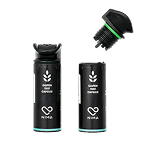
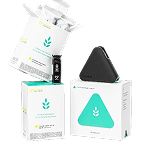
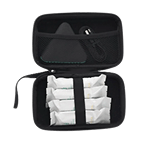
That is exactly what NIMA is built for: not to replace your instincts or your conversation with the kitchen, but to give you one more layer of confidence when it matters most. Fewer unknowns. More moments at the table.
Sources: Gluten Intolerance Group | VeryWell Health | GluteGuard
Recent News

Food Anxiety With Celiac Disease: How to Feel Safer Around Food
Food anxiety can be a rational response to managing celiac disease, but it should not make your world smaller. This guide explains how to build calmer safety routines, balance vigilance with quality of life, and recognize when professional support could help.


