

Can People With Celiac Disease Eat Fast Food? What to Order and Check
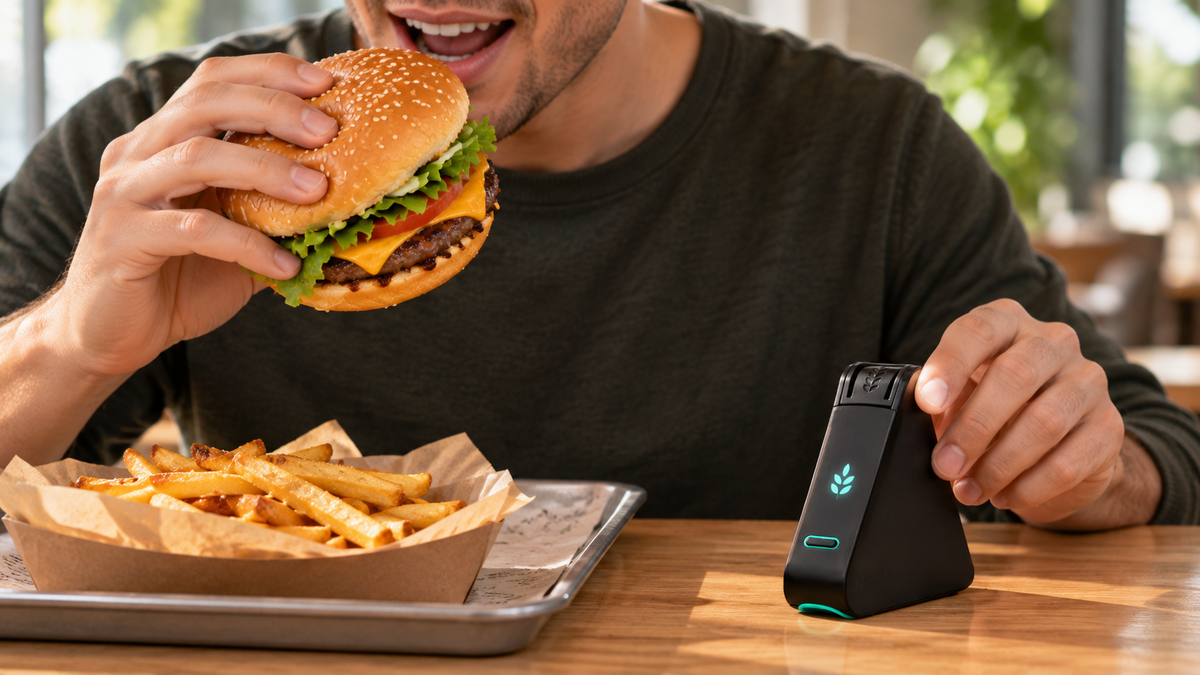
Finding fast food you can eat with celiac disease can feel frustrating because a gluten-free label does not explain what happens in a shared kitchen. You can still narrow the choices by starting with simpler orders. A bowl without flour tortillas, a lettuce-wrapped burger, grilled protein with a packaged gluten-free bun, or a plain baked potato is usually easier to check than a complicated order.
Ingredients are only half the decision. Menus and suppliers change, and kitchen practice can shift from one location or shift to the next. Narrow your choices here, then ask about the fryer, grill, utensils, and prep surface before you order.
Gluten-Free Fast Food Cheat Sheet
The best gluten-free fast food options have fewer moving parts, the kind staff can explain without hesitation. Bowls without flour tortillas, lettuce-wrapped burgers, grilled chicken, and plain potatoes are good places to start. No chain works for everyone. Check the current ingredients and handling at the location in front of you.
The chains below are not partnered with or affiliated with NIMA™. These examples are based on community reviews and publicly available allergen information. Ingredients and kitchen practices can vary by location and change over time.
|
Chain |
Practical order |
What to check at this location |
|
Five Guys |
Burger in a lettuce wrap or bowl, with fries |
Glove change, clean prep area, bun contact, and current fryer setup |
|
In-N-Out |
Protein Style burger with fries |
Clean grill area and utensils, plus bun and spread handling |
|
Shake Shack |
Burger on a gluten-free bun or in a lettuce wrap |
Bun handling, shared prep surfaces, and fryer use |
|
Chipotle |
Bowl or salad without a flour tortilla |
Fresh gloves and utensils, with care around shared bins and the tortilla station |
|
QDOBA |
Custom bowl, salad, or corn-tortilla tacos |
Current allergen guide, clean utensils, and shared prep areas |
|
Chick-fil-A |
Grilled chicken with a packaged gluten-free bun |
Keep the bun packaged for self-assembly and confirm shared cooking areas |
|
Jersey Mike's |
Sub on gluten-free bread |
Clean surface, knife, gloves, and bread storage at that store |
|
Wendy's |
Plain baked potato, or chili after a current check |
Toppings, utensils, location allergen information, and shared handling |
Use the table to make a short list before you leave home. If the answer depends on equipment or local procedure, open the chain's current allergen page and call the restaurant. If you are searching for gluten-free fast food near you, call the specific location rather than relying on a map listing or an old menu photo. Pack a backup snack, too. It is much easier to walk away from a vague answer when you have something else to eat.
When Is a Fast-Food Order Worth Testing?
A fast-food order is a good fit for NIMA™ testing after the ingredients and kitchen process are clear enough to support the choice.
Start with the same questions you would ask without a sensor. Check the official allergen guide, ask about shared fryers and prep surfaces, and skip the order if staff cannot describe what happens in the kitchen.
Testing should not be used to make an otherwise inappropriate restaurant choice seem safe. If the restaurant cannot provide adequate information about ingredients or cross-contact, the better recommendation is to choose another option rather than rely on a negative test result.
NIMA™'s gluten sensor is the last check, not a way to rescue an order that already raises red flags. It can add one more layer of information when cross-contact is still possible and the food fits NIMA™'s responsible-use guidance.
What to Order at Popular Fast-Food Chains
On paper, the best fast food that's gluten free is usually a customizable meal with fewer moving parts. Skip the pileup of sauces, fried toppings, and fussy substitutions. If you can, order during a quiet stretch so staff have time for specific questions.
Burger Chains: Five Guys, In-N-Out, and Shake Shack
At Five Guys, a burger can be ordered in a lettuce wrap or bowl. The Five Guys FAQs state that its fries contain no gluten and are cooked in fryers used for nothing else. Bread is still handled in the kitchen, so tell the cashier you need to avoid gluten and ask for fresh gloves and careful prep.
In-N-Out lists Protein Style, which replaces the bun with lettuce. Its current nutrition information warns that food is prepared where allergen cross-contact may occur. Ask for clean utensils and a cleaned grill area. Skip spread or grilled onions if staff cannot explain how shared tools are handled.
Shake Shack lists burgers on a gluten-free bun and in lettuce wraps at participating locations. Availability is useful, but the bun does not settle the preparation question. Confirm how the bun is stored, whether the prep surface is cleaned, and whether any side shares a fryer with breaded food.
Know your priorities before you reach the register. A lettuce wrap removes the bun, but crumbs on a shared counter or residue on a utensil can still reach the burger. Ask for a clean container and check the sauces and toppings instead of assuming the standard build carries over.
Bowl Chains: Chipotle and QDOBA
A bowl is often the easiest order to simplify. At Chipotle, choose rice, beans, a protein, vegetables, salsa, and guacamole while skipping the flour tortilla. Chipotle's allergen guidance tells highly sensitive guests they can request a glove change, and it notes that individual foods may contact one another during preparation.
Ask for fresh gloves and clean utensils before the order starts. If the serving spoon has touched a flour tortilla, request a fresh utensil. Ingredients near the tortilla station or in shared bins deserve extra attention because a naturally gluten-free ingredient can still pick up crumbs.
QDOBA describes bowls, salads, and tacos on corn tortillas as gluten-friendly. The company warns that cross-contact can still occur. Build a simple bowl or salad, check the current allergen guide, and ask the local team what they can do with gloves, utensils, and the prep surface.
Keep the build easy to follow. Rice, beans, one protein, vegetables, and one or two checked toppings are easier to discuss than a bowl loaded with every sauce and garnish. A simple order makes mistakes easier to spot.
Chicken and Sandwich Chains: Chick-fil-A and Jersey Mike's
Chick-fil-A offers an individually packaged, certified gluten-free bun and lists a grilled chicken filet as a possible pairing. Keep the bun sealed until you are ready to assemble the sandwich, since it can contact gluten once opened. Restaurant-prepared items use shared cooking and preparation areas, so confirm the grilled chicken, sauces, and fryer setup separately.
At Jersey Mike's, gluten-free bread may be available, but bread alone does not make the sub a low-risk order. Jersey Mike's says products may be prepared on the same equipment and in the same kitchen area as allergens. Ask the team to clean the counter, change gloves, use a clean knife, and keep your bread away from regular crumbs.
Follow the whole assembly path. A clean counter will not help if the slicer, topping bin, condiment utensil, or wrapping area adds crumbs later. If the location has a gluten protocol, ask the team to follow it from bread storage through wrapping.
Backup Orders: Wendy's and Other Limited Menus
When a menu offers few clear choices, a plain baked potato can be easier to verify than a modified sandwich. At Wendy's, check the current U.S. nutrition and allergen information for the potato, chili, and every topping you plan to add. Wendy's states that cross-contact is possible because restaurants use common handling and preparation areas.
Order the potato plain, then add only toppings you have checked. Ask for a clean utensil and find out whether butter, sour cream, cheese, or chili comes from a shared container. The order is useful because it is easy to verify, not because every potato is automatically a good fit.
A bunless patty may work at some locations, but ask where it is cooked and how it reaches the container. Fries, hash browns, tortilla chips, and other foods made from naturally gluten-free ingredients still need a fryer check. If staff cannot explain the process, choose another restaurant or use the snack you packed.
Some kitchens are harder to assess. McDonald's, Taco Bell, bakery-heavy restaurants, and places with open flour may have individual ingredients that look workable without offering a meal you feel comfortable ordering. If you need a gluten-free fast food breakfast, apply the same process to eggs, breakfast potatoes, sausage, sauces, and shared griddles. Clear answers about the kitchen process matter just as much as the ingredient list.
How Should You Sample a Fast-Food Meal for a Gluten Test?
When testing restaurant food for gluten with NIMA™, use a pea-sized representative sample from the parts of the meal most likely to have picked up gluten.
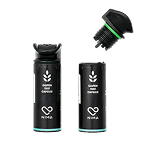
A representative sample can combine tiny portions from different areas of the same dish in one capsule. Use one capsule per test. If you want a separate result for the burger, fries, or sauce, that component needs its own capsule.
Sampling still has limits. Gluten may be unevenly distributed, so the result applies to the sample in the capsule rather than the entire meal.
What to Check Before You Order
Say that you need to avoid gluten for a medical reason, name the meal you want, and ask the questions that could change your decision. The Celiac Disease Foundation's dining-out guidance recommends researching ahead, asking about cross-contact, and being ready to choose a different order.
Call outside the lunch or dinner rush if you can, and ask for a manager. Start with equipment. A shared fryer or an open-flour prep area may rule out the meal before you spend time discussing toppings. Repeat the key request at the restaurant so the person preparing your food hears it too.
Ask About Shared Fryers and Grills
Start with the fryer because cross-contact can happen in shared oil. Ask whether fries, hash browns, tortilla chips, or other sides share oil with breaded foods. Foods made without gluten may still be exposed to gluten when cooked in shared oil.
For burgers and grilled chicken, ask whether buns or breaded foods use the same grill. Find out whether staff can clean a section or use a separate surface and clean utensils. A confident, specific answer is more useful than a quick "it should be fine."
Listen for a direct description of the process. "The fries have no gluten ingredients" does not answer whether breaded food enters the same oil. "We use a dedicated fryer that cooks only potatoes" does. If the answer changes between employees, pause the order and ask a manager or choose a non-fried option.
Ask for Clean Gloves, Utensils, and Prep Surfaces
Request fresh gloves, clean utensils, and a cleaned surface before preparation begins. At a sandwich or bowl line, ask for a clean knife or spoon rather than one that has already touched regular bread or flour tortillas. Keep the request short, calm, and specific.
Try this. "I need to avoid gluten for a medical reason. Could you change gloves, use clean utensils, and prepare this on a cleaned surface away from bread crumbs?" If the team cannot do that during a rush, wait, simplify the order, or leave.
Recheck Sauces, Toppings, and Location-Specific Ingredients
Sauces, marinades, seasoning blends, croutons, fried toppings, malt vinegar, and questions such as whether soy sauce is gluten-free all deserve a current ingredient check. Supplier changes, regional menus, and limited-time items can make an old third-party list unreliable. Use the chain's official allergen information, then confirm anything that is portioned or prepared locally.
Check what is added after the main item is cooked. A clean burger can pick up crumbs from a shared condiment utensil. A baked potato can become harder to assess when toppings come from a shared station. Fewer additions usually mean fewer questions.
Recheck the official page each time you return after a long gap. A seasonal sauce, supplier substitution, or regional recipe can change an item that used to fit your needs. A current list of celiac disease foods to avoid can also help you recognize less obvious sources of wheat, barley, rye, and malt. Screenshots and old blog lists are useful for ideas, but the current chain guide and the local kitchen are the sources that should drive today's order.
What a "Gluten-Free" Menu Label Does Not Guarantee
A gluten-free label can tell you something important about ingredients, but it cannot describe every movement in a restaurant kitchen. The FDA defines gluten-free for packaged foods as less than 20 parts per million and recommends that restaurant menu claims stay consistent with that federal definition. It does not certify a specific location's fryer, grill, counter, or staff practice.
What happens next is harder to see. Shared oil, utensils, grills, counters, and condiment containers can move gluten onto food that started with gluten-free ingredients. A restaurant can offer a gluten-free bun and still warn that cross-contact is possible.
One crowdsourced study summarized by the Celiac Disease Foundation found detectable gluten in 32% of restaurant foods labeled gluten-free. The results came from voluntary NIMA™ tests, so selection bias and uneven sampling are real limitations. Still, the study supports a practical point. A menu label is not a substitute for questions about preparation.
Lists of gluten-free fast food items can narrow your choices, but dedicated kitchens remove many shared-equipment questions. National chains may be more convenient, but they often require closer location-level checking. Skip the blanket safety ranking. Choose the kitchen that can describe a process that meets your needs.
Use NIMA™ as the Final Check Before the First Bite
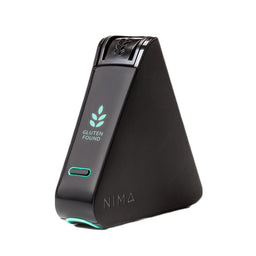
NIMA™ belongs at the end of your process, after you have read the menu, checked official allergen information, spoken with the restaurant, and made your best assessment. It is a portable, consumer-use food-testing tool, not a medical device and not a guarantee.
Use a representative pea-sized sample from the part of the meal most likely to have cross-contact. The next-generation NIMA™ sensor returns a result in about three minutes. Independent Bia Diagnostics validation found a 98.7% probability of detecting gluten at 10 ppm across wheat, barley, and rye in the tested food matrices, which NIMA™ rounds to 99%.
That result covers only the sample in the capsule. Gluten can be unevenly distributed, especially on food from a shared grill, fryer, or prep surface. A negative result cannot override a restaurant's warning that it cannot serve someone with celiac disease, and it cannot confirm the rest of the dish.
Some foods need a different approach. NIMA™'s responsible-use guidance says not to test fermented or hydrolyzed foods or alcohol, and it gives modified techniques for thick, oily, highly pigmented, acidic, or very dry foods. Follow that guidance before using a capsule. This keeps the result in context as one more data point alongside everything you already learned.
Gluten-Free Fast Food FAQs
What fast food is best for gluten-free diners?
The best choice is a restaurant that can explain both its ingredients and its cross-contact procedures. Dedicated gluten-free kitchens reduce variables, but they are not always nearby. At national chains, simple bowls without flour tortillas, lettuce-wrapped burgers, grilled proteins, and plain baked potatoes are often easier to assess than complicated or heavily fried orders.
Availability is not the same as suitability. Choose the location that gives clear answers about fryers, surfaces, utensils, and substitutions, even if another chain has a longer gluten-friendly menu.
Can people with celiac disease eat fast food?
Sometimes, yes, when the restaurant can provide enough ingredient and preparation information for the individual to make an informed decision. Check the official menu before you go, ask about cross-contact at the location, and be prepared to choose something else.
No chain or order works for every person with celiac disease. Your needs, the kitchen, the shift, and the staff's ability to follow a clear process all matter. If the answers do not support your comfort level, walking away is a successful decision.
Take the Guesswork Out of Your Next Fast-Food Stop
Gluten-free fast food gets easier to assess when you follow the same steps each time. Check the current menu, ask how the meal will be prepared, and walk away when the answers do not fit your needs. If uncertainty remains and the food is suitable for testing, NIMA™'s independently validated sensor adds one more layer of information before the first bite.
See how the NIMA™ Gluten Sensor works, then review the responsible-use guidance so your next test fits the food and the decision in front of you.
Recent News

Food Anxiety With Celiac Disease: How to Feel Safer Around Food
Food anxiety can be a rational response to managing celiac disease, but it should not make your world smaller. This guide explains how to build calmer safety routines, balance vigilance with quality of life, and recognize when professional support could help.


