

How Do You Test Restaurant Food for Gluten Reliably?
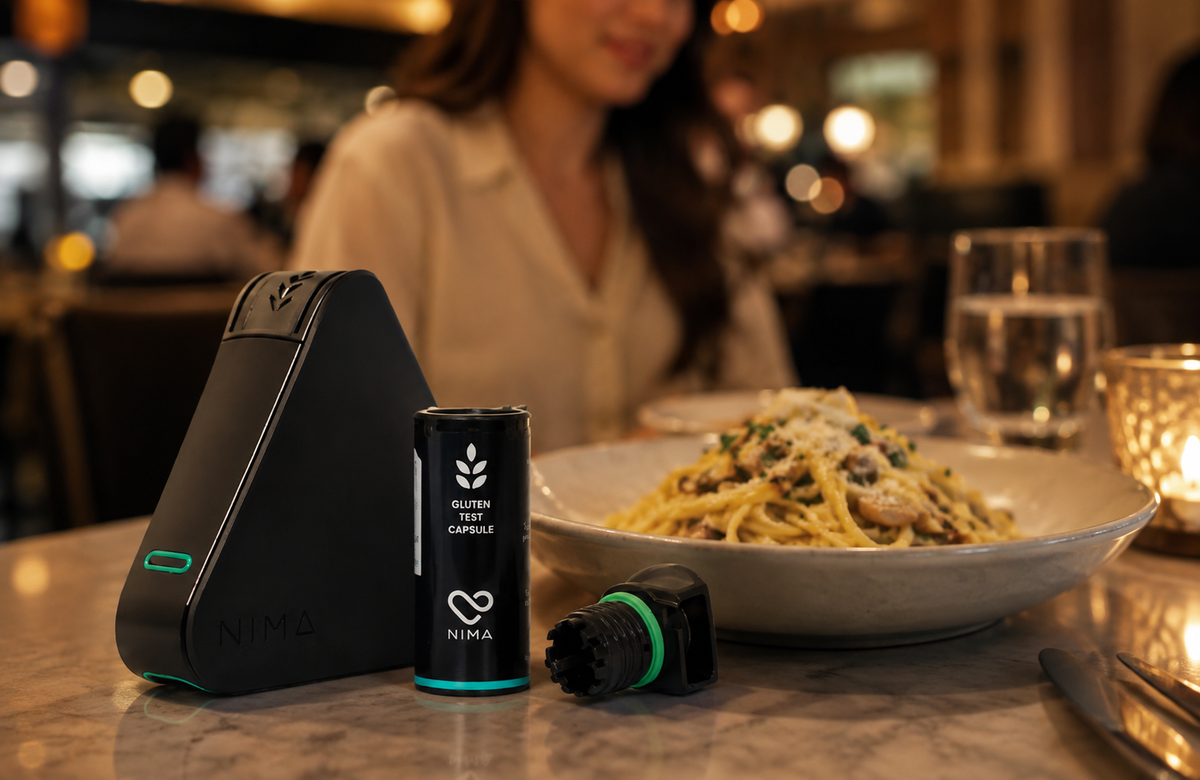
Restaurant meals can leave a gap between asking the right questions and feeling ready to take the first bite. Shared fryers, grills, utensils, and prep surfaces can introduce gluten through cross-contact, even when a dish is intended to be gluten-free.
Learning how to test restaurant food for gluten gives you another source of information before you eat. The right method depends on whether you need a quick result at the table or a detailed laboratory analysis later.
The Short Answer: Yes, You Can Test Restaurant Food for Gluten
Yes. You can test a restaurant plate with a portable gluten sensor or a rapid test kit in minutes, or send a sample to an ELISA lab for the most accurate result. No method is a guarantee, so testing works best alongside careful questions and label reading. For a gluten-free business perspective alongside the testing guidance, Spooky’s Swirls bakery story introduces the people behind a dedicated gluten-free bakery.
You know the moment. The plate arrives, it looks right, and the server promised the kitchen made it gluten-free. Still, you pause before the first bite, because "should be fine" and "I know it's fine" are not the same thing.
That pause is fair, and this guide is built around it. We'll walk through the three real ways to check a restaurant meal: lab testing, rapid strips and kits, and portable sensors. You'll get a clear look at how well each one works, then a simple step-by-step routine for eating out with more confidence.
Why Restaurant Food Is So Hard to Trust
You can do everything right and still be unsure. That's the hard part. Kitchens change staff and suppliers, recipes drift over time, and cross-contact from shared fryers, grills, pans, and prep surfaces can put gluten into a dish that was meant to be safe.
The evidence backs up the worry. A 2019 study in the American Journal of Gastroenterology found that 32% of foods labeled gluten-free in restaurants had detectable gluten, rising to 53% for pizza and 51% for pasta. Most of those kitchens are trying. Gluten just moves easily across shared surfaces, and it is nearly impossible to spot once it does.
Labels don't close the gap either. Under the FDA gluten-free rule, a food can be called gluten-free and still legally contain up to 20 ppm of gluten. Restaurants aren't required to test anything at all. So the menu note, the label, and a server's reassurance are all best efforts, not proof.
Which Restaurant Foods Are Hardest to Test for Gluten?
Fried foods, sauces and gravies, soups, and battered dishes are the hardest restaurant foods to test for gluten. Gluten spreads into them unevenly and hides in small amounts, so a clean-looking plate can still carry it. A shared fryer coats naturally gluten-free items in the same oil as breaded ones, and a spoonful of flour or soy sauce vanishes into a sauce completely.
Fermented or hydrolyzed foods and alcoholic beverages cannot be reliably tested with current rapid gluten tests. High-salt and high-fat foods can also be harder to test accurately. For foods NIMA can test, take a pea-sized sample from the area of the dish most likely to carry cross-contact, since the finished food on your plate is what you actually eat. Fermented and hydrolyzed foods are exactly where whether fermentation breaks down gluten becomes important, because rapid tests may not give a reliable answer.
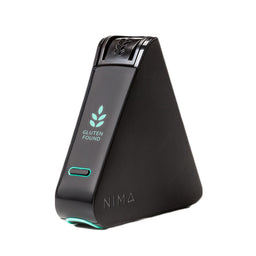
This is where a portable sensor earns its place. NIMA™ reads a sample from the finished dish and shows whether gluten is present in about three minutes, so you can check the fried side or the sauced protein right where the risk lives.
Can You Actually Test Food for Gluten? Your Real Options
There's no single perfect test. The right choice depends on how fast you need an answer and where you're standing. Verifying a product at home is a very different situation from checking a plate at a table.
Three methods cover almost every case, lab ELISA testing, rapid test strips and kits, and portable gluten sensors. Here's what each one does, how quick it is, how sensitive it is, and where it earns its place.
Lab ELISA Testing
ELISA is a laboratory method that can quantify gluten in parts per million, which is why authorities such as the National Celiac Association recommend laboratory testing for reliable results. When you need a quantitative analysis, this is the most appropriate option.
The catch is time and place. You mail a sample to a reputable lab, pay for the analysis, and wait days for the result. That makes ELISA excellent for verifying a packaged product, a supplier, or a batch you're unsure about. It can't help you at the table tonight.
Rapid Gluten Test Strips and Kits
Test strips and kits, such as EZ Gluten or Hygiena GlutenTox, bring testing into your own hands. You mix a small food sample with a solution, then read a strip that signals gluten down to roughly 5 to 10 ppm. A gluten test kit for food is a legitimate tool, especially for anything you prepared yourself. Quinoa is another naturally gluten-free staple, but answering whether quinoa is gluten-free in practice still requires checking seasonings, processing, and cross-contact. Understanding how much gluten someone with celiac disease can tolerate helps put ppm thresholds, cross-contact, and individual reactions into practical context.
The trade-off is effort and time. Most kits involve several preparation steps, take about 10 to 20 minutes, and come with a real learning curve the first few times. That makes gluten test strips for food better suited to kitchen and prep testing than a quick check at a busy table.
Portable Gluten Sensors
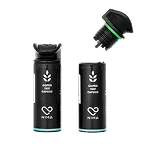
Portable sensors are built for speed. You place a pea-sized sample into a single-use capsule, the device reads it, and you get a result in about three minutes. No mixing, no strips, no timing a chemical reaction. A portable gluten sensor is the gluten testing device designed for the moment right before you eat.
NIMA is the current example. It detects gluten from wheat, barley, and rye down to 10 ppm with 99% accuracy, validated by an independent lab, Bia Diagnostics. The same category of portable sensor is what the researchers used to gather that restaurant data. This is the option built for the table, the last check before your first bite, an addition to your routine rather than a replacement for it.
Do Gluten Testers Really Work?
Yes. Portable testers and strips detect gluten in the sample you test, and understanding their limits helps you use the result appropriately.
Three limits matter.
-
You test only a small sample, and gluten can be spread unevenly, so a clean result on one bite isn't a promise about the whole plate.
-
Fermented or hydrolyzed foods and alcoholic beverages cannot be reliably tested with current rapid tests. High-fat foods may also require extra care.
-
These tools tell you whether gluten is present, not the exact amount.
A portable test adds a real layer of confidence. It's not a guarantee of perfect safety, and it never replaces your doctor, your dietitian, or the careful habits you already rely on. NIMA relaunched in 2025 with independent validation, which provides useful context for the current device.
What to Look for in a Portable Gluten Sensor
A portable gluten sensor is worth trusting when it detects gluten to a low threshold, reads results fast enough to use at the table, and has been checked by an independent lab. Those three things separate a sensor you can rely on from a gadget that just looks the part.
Sensitivity comes first. Look for a clearly stated detection threshold and instructions that explain what the result means. Speed matters next, because a long testing process may be impractical mid-meal. Then check whether an independent laboratory verified the accuracy claim and whether the supporting results are available.
NIMA is built around those three standards. If you are weighing it against another device, compare sensitivity, speed, validation, and responsible-use guidance rather than relying on price alone.
How to Test Restaurant Food for Gluten, Step by Step
This is the part you can actually do. Think of it as your toolkit in motion, not a list of warnings. It has three stages, before you order, at the table, and reading the result. Testing is the last step, layered on top of everything you already do well.
Before You Order
Start before you sit down. Check a resource like the Find Me Gluten-Free app for reviews from other gluten-free diners, then call ahead to ask about dedicated fryers, separate prep areas, and gluten-free protocols. A celiac-friendly restaurant is one whose staff can answer those questions without hesitation.
Once you're seated, ask specific questions. Not "do you have gluten-free options," but "is there a dedicated fryer" and "how do you prevent cross-contact." A server's "it's gluten-free" is a best effort from the front of house, which is exactly why a quick test earns its place.
Testing a Bite at the Table
With a portable sensor, take a pea-sized sample from an area of the dish most prone to cross-contact. You can include small amounts from different areas of the same meal in one capsule. If you want a separate result for another component, use a new capsule. Load the capsule, then wait about three minutes for the result.
Sample thoughtfully. Test the actual food on your plate, and remember that a single bite can't represent an unevenly mixed dish. Where you take the sample matters just as much as taking one at all.
Reading and Acting on the Result
A positive result is a clear signal. Gluten is present, so don't eat that dish. Simple as that.
A negative result adds confidence for the sample you tested, though it isn't an absolute guarantee for the entire plate. Keep it in context with your questions and the kitchen's answers. Either way, you have another piece of information to guide your decision.
Building a Reliable Gluten-Testing Routine
Put it together and it becomes a short, repeatable habit, four steps you mostly already do. For planning beyond restaurant meals, review living with celiac disease alongside the habits you already use.
-
Research the restaurant.
-
Ask specific questions.
-
Read the label on anything packaged.
-
Use a portable sensor as the final check before your first bite.
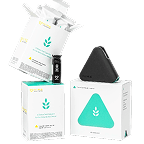
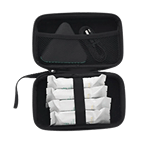
You don't need to test every bite. Many people test higher-risk meals, roughly two to three times per week when eating out or trying somewhere new, and lean on their existing habits the rest of the time. NIMA is the last layer that ties the routine together. The Starter Pack includes 12 single-use capsules, packaged as two boxes of six.
Frequently Asked Questions
Is there a way to test for gluten in food?
Yes. Lab ELISA testing measures gluten most accurately, while rapid strips, kits, and portable sensors detect gluten down to about 5 to 10 ppm in minutes. For a restaurant meal, a portable sensor is the practical choice, since it needs no mixing and reads in about three minutes.
Do gluten testers really work?
They do, within their stated limits. Testers detect gluten in the sample you test, but they read only a small portion of the meal and show presence rather than an exact amount. Fermented or hydrolyzed foods and alcoholic beverages cannot be reliably tested with current rapid tests. Treat a result as an added layer of information, not a guarantee for the entire plate.
How can you tell if a restaurant is celiac friendly?
Look for dedicated fryers and prep areas, staff who can speak clearly about cross-contact, and consistent gluten-free protocols. Review resources like Find Me Gluten-Free help you spot the careful kitchens. A thoughtful kitchen plus your own questions is the foundation, and a quick test is the final confirmation.
Know What's Safe Before Your First Bite
It comes down to a simple checklist. Research the restaurant, ask specific questions, read the label on anything packaged, and test the finished dish as your last layer. Each step adds a little more clarity than the one before.
That's the whole point. You get to eat out, travel, and try new places with more confidence and less second-guessing. NIMA adds a final layer that can help detect gluten your questions and the kitchen's best efforts may miss. See how NIMA works if you want that final check in your pocket, and approach your next meal with more information before taking a bite.
Recent News

Gluten Belly: Symptoms, Causes, and How to Know If Gluten Is the Problem
What people call “gluten belly” is usually bloating, pressure, or abdominal discomfort, but gluten is not the only possible cause. Learn the signs to track, conditions to rule out, and why testing should come before a gluten-free trial.


