

Accidentally Ate Gluten? Here's How Long Symptoms May Last With Celiac Disease

Realizing you accidentally ate gluten can send your thoughts racing, even when you took every reasonable precaution. If you have celiac disease and accidentally ate gluten, first take a breath. Accidental exposure happens to careful people, and it says nothing about how seriously you take your health.
In a prospective study of suspected gluten exposure, symptoms started after a median of one hour and lasted a median of 24 hours. The range was much wider, from 10 minutes to 48 hours for onset and from one hour to eight days for duration. Symptoms are not a reliable way to determine the amount of gluten consumed or the extent of intestinal injury. Someone with celiac disease may experience significant symptoms after a small exposure, while another person may have little or no immediate symptoms despite an immune response.
Your reaction may be shorter, longer, or symptom-free. The way you feel can't show whether intestinal injury occurred.
How Long Do Symptoms Last After You Accidentally Eat Gluten?
Symptoms commonly last about a day in the study cited, but there is substantial individual variation. This should not be interpreted as a predictable recovery timeline or as an indication of when the body has fully recovered. A gluten sensor is for checking food before you eat; it cannot measure recovery or confirm a past exposure.
Some felt better pretty quickly.
Others reported symptoms for several days, which is why your own history gives you a better comparison than somebody else's recovery story.
Celiac disease can bring abdominal pain, bloating, nausea, vomiting, or diarrhea. Other symptoms include fatigue, headache, brain fog, irritability, joint pain, and skin problems. NIDDK's overview of celiac symptoms notes how widely the experience varies, including symptoms that return after someone eats even a small amount of gluten.
No symptoms? Exposure can still matter.
Some people with celiac disease notice little or nothing after eating gluten. A rough reaction doesn't reveal the dose either, and it can't prove gluten caused the problem. Save the pattern for your clinician.
When Symptoms May Start
If you accidentally ate gluten and wonder how long it may take before you feel sick, symptoms can arrive within minutes or much later. In the study, the median onset was one hour, and the longest reported delay was 48 hours.
Digestive trouble may be easier to connect to a meal. Fatigue, brain fog, headache, or irritability can be harder to place, especially later in the day. If you feel sick after eating out even when ordering gluten-free, remember that foodborne illness, infection, medication effects, and reactions to other ingredients can overlap, so a different symptom pattern can't confirm or rule out gluten.
How Long Symptoms May Last and Why Healing Is a Different Timeline
Most reported reactions in the study clustered around one day, though the full range ran from one hour to eight days. Call your clinician if the reaction keeps getting worse. The same applies when it falls far outside your usual pattern or shows no sign of improving after a few days.
Feeling better tells you how your symptoms are changing. It doesn't reveal what's happening in the small intestine. Celiac disease is an autoimmune condition, and intestinal effects may be present without symptoms that match their timing or severity.
No dependable at-home clock can measure mucosal recovery after a single exposure. Avoid using symptom length to estimate damage. Repeated exposures, persistent problems, or worries about healing are all good reasons to speak with your gastroenterologist or registered dietitian about follow-up.
What to Do Right Now After Accidental Gluten Exposure
After you eat gluten, no proven method can instantly remove it or switch off the autoimmune response. Shift your attention to what you can control now. Support your body, return to your established gluten-free routine, and get medical help if the reaction is severe or unusual.
Recovery advice should fit the person. If you accidentally ate gluten while pregnant, if a child was exposed, or if you manage another health condition, ask a healthcare professional who knows the situation for personalized guidance.
If you searched “I accidentally ate gluten what do I do,” keep the next few minutes simple. Stop eating the suspected food, get comfortable, sip some fluid, and note the time. Compare what you're feeling with your usual pattern. You can wait on the detective work.
Rehydrate and Choose Foods You Tolerate
If appetite is reduced, focus on small, frequent meals or snacks that are naturally gluten-free and easy for you to tolerate. As symptoms improve, gradually return to your usual balanced eating pattern rather than following a restrictive “detox” or recovery diet.
Take regular sips of water, particularly if vomiting or diarrhea is causing fluid loss. Water supports hydration, but it won't clear gluten faster. With meaningful fluid loss, ask a healthcare professional whether an electrolyte drink makes sense for you.
Choose familiar, naturally gluten-free foods that sit well with you. Skip rigid recovery menus. Cut out dairy only if it is part of your care plan. National Celiac Association guidance focuses on replacing fluids, eating tolerated foods, resting, and seeking care when symptoms persist or become severe.
Temporary lactose intolerance can occur in some people with intestinal damage from celiac disease, but dairy does not need to be routinely eliminated after every gluten exposure unless symptoms or an individual's care plan indicate that it is necessary.
Rest, Resume Your Gluten-Free Routine, and Keep a Simple Log
Give yourself room to slow down. If you accidentally ate gluten and are looking for ways to feel better, focus on comfort instead of a quick fix. When pain, fatigue, or brain fog makes the day harder, move a meeting, ask someone else to handle school pickup, or choose a quieter evening. Strict bed rest isn't required.
Return to the strict gluten-free diet recommended for celiac disease. Set the suspected food aside until you can check the label, preparation method, or cross-contact details. Eating more to see whether the symptoms repeat only creates another possible exposure.
Keep a short exposure log for your clinician. Record these details.
-
What you ate
-
Where and when you ate it
-
When symptoms began
-
Which symptoms you noticed
-
How long the reaction lasted
-
Whether you needed medical care
When to Contact a Healthcare Professional
Get prompt medical care if symptoms feel severe, keep worsening, or include any of these warning signs.
-
Severe or worsening abdominal pain
-
Repeated vomiting or diarrhea
-
Blood in vomit or stool
-
Fainting or confusion
-
An inability to keep fluids down
-
Signs of dehydration, such as very dark urine, much less urination than usual, dizziness, a dry mouth, or unusual drowsiness
Contact your clinician when symptoms last longer than your normal pattern, fail to improve after a few days, keep returning without a clear source, or seriously disrupt eating, hydration, sleep, work, or school. Concerns during pregnancy and symptoms in children deserve advice tailored to the person. NIMA's questions to ask your GI or dietitian can help you prepare for that follow-up.
This guidance offers general education. It can't diagnose gluten exposure or replace care from your gastroenterologist, primary care clinician, or registered dietitian.
What Not to Do After Being Glutened
Skip the flushes and detoxes. Drinking far more water than you need won't clear gluten faster. If you accidentally ate gluten and wonder whether you should throw up, do not induce vomiting; it can cause additional harm. Fasting can make a rough day harder by draining the fluids and energy you need.
Unless your healthcare professional has advised otherwise, prolonged fasting is generally unnecessary. If you can tolerate food, small amounts of familiar gluten-free foods can help maintain energy and nutritional intake while symptoms resolve.
Follow your gluten-free care plan rather than relying on activated charcoal, digestive enzymes, or supplements sold for gluten exposure. NIDDK treatment guidance identifies a gluten-free diet as the standard treatment and recommends speaking with a doctor before using supplements. Check with a pharmacist or clinician before taking medication for a specific symptom.
And leave blame out of it. One mistake doesn't erase the care you put in every day. If the emotional fallout feels heavy, NIMA's guide to easing the anxiety of being glutened takes a closer look at self-compassion and practical ways to rebuild confidence.
Can a Gluten Test Confirm a Past Exposure?
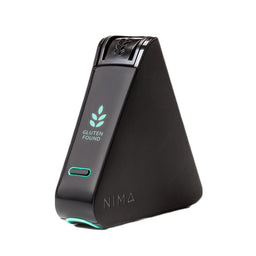
NIMA's portable gluten sensor tests food before you eat, so it cannot diagnose a past exposure or prove that gluten caused your symptoms.
Its role starts with a future meal. After checking labels and asking restaurant staff, test a representative pea-sized portion for a gluten-detected result in about three minutes. That result applies only to the sample, so keep medical questions with your care team.
Find the Likely Source and Lower the Risk Next Time
When you feel ready, review the meal without turning it into an interrogation. Check these possible sources.
-
Ingredient lists and changed packaging
-
Sauces and marinades
-
Shared fryers and serving utensils
-
Cutting boards and other shared kitchen tools
-
How restaurant staff handled your request
Keep the package and its lot information nearby if a packaged food seems like the source. Contact the manufacturer or restaurant and ask what may have changed. For a food labeled gluten-free, the FDA's gluten-free labeling guidance explains the US standard and how to report a possible problem.
Pick one or two changes that would make the next meal easier.
-
Ask sharper questions at restaurants
-
Carry a backup snack
-
Separate a kitchen tool
-
Update your trusted foods list
Our cross-contact guide can help you spot the quiet ways gluten moves between foods and surfaces.
Restaurant details fade fast after a busy service. Jot down who you spoke with and what they said about ingredients and preparation. A calm follow-up may uncover a changed sauce, shared fryer, or handling step that wasn't clear when you ordered. This information may help the restaurant tighten its process for the next guest.
Where NIMA Fits Before a Future First Bite
NIMA is an additional food-testing tool designed for use before you eat. It can't treat symptoms, diagnose an exposure, replace medical care, or guarantee that a whole dish is safe. Labels, restaurant questions, careful preparation, and your clinical care plan still do the heavy lifting.
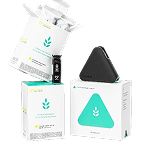
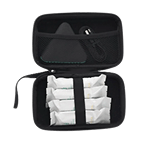
See how NIMA works. Use these steps before you eat.
-
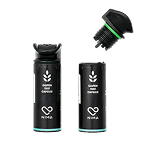
Place a representative pea-sized portion in a single-use capsule.
-
Insert the capsule into the sensor.
-
Wait about three minutes for a result showing whether the sample contains gluten from wheat, barley, or rye at 10 ppm or higher.
NIMA's responsible-use guidance reports a 98.7% probability of detection at 10 ppm in independent Bia Diagnostics testing across four real-world food types.
The result applies only to the tiny portion sealed inside that capsule, so representative sampling is a key part of using NIMA well. Sample more than one spot. Fermented or hydrolyzed foods and alcoholic beverages can't be tested reliably.
The NIMA FAQs explain other food limits and handling steps. Use NIMA as one more layer before the first bite. That can quiet second-guessing. No single tool can promise complete safety.
Frequently Asked Questions
These answers address common concerns about recovery, risk, and symptom patterns after an exposure.
Can One Accidental Gluten Exposure Cause Permanent Damage?
Symptoms after you accidentally ate gluten can reflect a celiac immune response, yet what you notice at home cannot tell you what that means over the long term. Feeling completely fine afterward still does not prove there was no exposure or hidden intestinal effect. Intensity does not reveal the dose.
Repeated exposure raises a different concern from one known mistake. If incidents keep happening, symptoms linger, or healing is on your mind, ask your clinician what follow-up makes sense.
How Do You Flush Gluten Out of Your System?
No proven method can flush gluten from your system. Hydration replaces lost fluids and supports recovery while your body processes the exposure on its own timeline.
Stick with regular sips of fluid, tolerated gluten-free foods, rest, and avoiding more exposure. Call a healthcare professional when symptoms become severe, unusual, or prolonged.
Why Can Symptoms Differ From One Exposure to the Next?
The amount and form of gluten, the rest of the meal, other ingredients, your baseline health, and your individual response can all shape what you notice. Symptoms still can't confirm gluten as the cause.
A simple exposure log can help you and your clinician see patterns over time. Keep it as a record, not a home diagnostic test, since other conditions can cause similar symptoms.
Move Forward With Clarity After You Accidentally Eat Gluten
Accidentally ate gluten and now wondering what comes next? Your steps can stay manageable, with time to review the likely source once you are ready. Care for your body first. Many symptomatic reactions settle around a day, though the range is broad and your own pattern matters.
If you want one more check before a future meal, see how NIMA works and decide where a pre-bite test fits your current routine. It tests a representative food sample in about three minutes, giving you one more piece of information after label checks and restaurant questions. Keep it alongside your care plan, not in place of it.
Sources
Silvester, Jocelyn A., et al. “Symptomatic Suspected Gluten Exposure Is Common among Patients with Coeliac Disease on a Gluten-Free Diet.” Alimentary Pharmacology & Therapeutics, vol. 44, no. 6, pp. 612-619. PubMed.
National Institute of Diabetes and Digestive and Kidney Diseases. “Symptoms & Causes of Celiac Disease.” NIDDK.
National Celiac Association. “What to Eat or Do after Being Glutened.”
National Institute of Diabetes and Digestive and Kidney Diseases. “Treatment for Celiac Disease.” NIDDK.
U.S. Food and Drug Administration. “‘Gluten-Free’ Means What It Says.”
Recent News

Food Anxiety With Celiac Disease: How to Feel Safer Around Food
Food anxiety can be a rational response to managing celiac disease, but it should not make your world smaller. This guide explains how to build calmer safety routines, balance vigilance with quality of life, and recognize when professional support could help.


