


Gluten Intolerance Symptoms: The Complete Guide to Signs, Causes & Next Steps

You finished the meal, you double-checked the menu, you asked the right questions. And now you're sitting at the table wondering if the slight ache in your stomach is just dinner settling, or if something snuck through. If that scene feels familiar, you already know how exhausting the guesswork can be.
This guide walks through what gluten intolerance symptoms actually look like, how to tell them apart from celiac disease and wheat allergy, and what you can do next if gluten keeps showing up as the likely culprit. Gluten intolerance, also known as non-celiac gluten sensitivity (NCGS), is a reaction to gluten that triggers digestive, neurological, and whole-body symptoms without the autoimmune damage seen in celiac disease, and without the allergic response of a true wheat allergy.
What Is Gluten Intolerance?
Gluten intolerance is a condition in which eating gluten (a protein found in wheat, barley, and rye) triggers a cluster of digestive, neurological, and whole-body symptoms. It's also called non-celiac gluten sensitivity. The reaction is real, but it doesn't damage the lining of your small intestine the way celiac disease does, and it doesn't involve the IgE antibodies that drive a true wheat allergy.
Estimates of how many people live with NCGS vary, but published reviews suggest somewhere between 0.5% and 6% of the population may be affected, with figures still under active study (Igbinedion et al., World Journal of Gastroenterology, 2017).
If you've already cleaned up your diet and still feel off, you're not alone. This guide is for people who suspect gluten is the cause and want clarity, not a beginner guide to going gluten-free. You already do the work.
The Most Common Gluten Intolerance Symptoms
The signs and symptoms of gluten intolerance usually appear within a few hours of eating gluten and fall into three broad groups, including digestive, neurological and mood-related, and whole-body or skin-based. Early signs of gluten intolerance can be subtle, so the quick list below is a fast scan. The sections that follow go deeper on each group.
-
Bloating, gas, abdominal pain, diarrhea, constipation, nausea
-
Brain fog, fatigue, headaches, anxiety, low mood
-
Skin rashes, joint pain, tingling or numbness, occasional dizziness
Bloating is the symptom people report most often, according to the Cleveland Clinic overview of gluten intolerance. But the experience is rarely just one thing. Most people notice two or three of these at once, and the pattern becomes easier to recognize the more times it shows up.
Digestive Symptoms
The digestive picture usually shows up first. Bloating leads, often within an hour or two of the meal. Gas, abdominal cramps, and either diarrhea or constipation tend to follow. Nausea is common. Some people describe their stomach as feeling sloshing or full long after the plate is cleared.
Timing is one of the clearest signals. Most digestive symptoms appear within a few hours of exposure and ease over the next day or two. If yours drag on for a week or more, that's worth flagging to a clinician.
These symptoms overlap heavily with irritable bowel syndrome and other GI conditions, which is part of why a clear answer matters. A bloating pattern alone isn't proof of gluten intolerance. The full picture is.
Brain Fog, Fatigue, and Mood Changes
The non-digestive side of NCGS symptoms surprises many readers. Brain fog from gluten is the most commonly reported neurological symptom, and it shows up as trouble focusing, slowed thinking, short-term memory slips, and the sense that you're processing the world through a thin layer of static.
Fatigue shows up alongside the brain fog and sometimes outlasts the stomach upset by a day. Headaches and migraines come up often too, along with anxiety and a low, off mood that lifts as your body recovers. Beyond Celiac documents these patterns across the NCGS population.
None of this means you're imagining anything. These symptoms appear across multiple published reviews of NCGS, and they show up in real lives.
Skin, Joint, and Whole-Body Symptoms
Beyond the gut and the head, gluten intolerance can show up on the skin and in the joints. People report itchy, eczema-like rashes, dry patches, and sometimes hives. Joint pain (often in the hands, knees, or hips) shows up for some, along with tingling or numbness in the hands and feet.
One distinction matters here. Dermatitis herpetiformis is a specific, intensely itchy rash linked to celiac disease, not NCGS. If you have a recurring rash that fits that description, see a doctor for a celiac workup before assuming gluten intolerance.
Whole-body inflammation language gets tossed around in this space. Stick to what you can actually feel and track. Rashes. Joint aches. Tingling. Dizziness. Those are signals worth paying attention to.
What Does a Gluten Flare Actually Feel Like?
A gluten flare-up typically starts within one to three hours of eating gluten, sometimes faster. The first sign is usually bloating or stomach discomfort, followed by some combination of brain fog, fatigue, headache, and a low mood over the next several hours.
Picture the meal you weren't sure about. By the time you're back home, your stomach feels tight and heavy. By bedtime, your head is foggy and you're more tired than the day earned. The next morning, you wake up flat, with a dull headache and zero appetite. By the afternoon, you start to feel like yourself again. That's the typical arc.
How long does a gluten reaction last? Severity is personal. Some people bounce back in a day, others need three or four. The amount of gluten matters, but so does your individual sensitivity. There's no single right flare experience, which is part of why tracking your own pattern helps so much.
Gluten Intolerance vs. Celiac Disease vs. Wheat Allergy
Non-celiac gluten sensitivity symptoms, celiac disease symptoms, and wheat allergy reactions get blended together constantly, and they shouldn't be. These three conditions have different mechanisms, different diagnostic paths, and different long-term consequences. Understanding gluten allergy vs. celiac disease helps readers distinguish an immune disorder from intolerance or other reactions.
-
Celiac disease is an autoimmune condition. When someone with celiac eats gluten, their immune system attacks the lining of the small intestine. Over time, this causes measurable damage, nutritional deficiencies, and other complications. It's diagnosed with blood tests and a biopsy, as outlined by Mayo Clinic. Both come with out-of-pocket costs that vary widely by insurance and provider.
-
Wheat allergy is a classic IgE-mediated allergic reaction. Symptoms can include hives, swelling, breathing difficulty, and in serious cases anaphylaxis. It's diagnosed with allergy testing.
-
Gluten intolerance (NCGS) involves real symptoms after eating gluten, but no autoimmune attack on the gut and no allergic antibody response. It's diagnosed by exclusion. Celiac and wheat allergy are ruled out first, then gluten is removed and reintroduced under medical guidance.
The key point here. Gluten intolerance doesn't cause the intestinal damage that celiac disease does. But the day-to-day symptoms can feel similar, and quality of life takes a real hit either way. The diagnostic order matters because missing celiac has long-term health consequences that NCGS doesn't carry.
Why You Might Suddenly Become Gluten Intolerant
Why this came on suddenly is one of the most common questions readers ask. The honest answer is that the causes of gluten intolerance, or NCGS, aren't fully understood. Researchers have pointed to shifts in the gut microbiome, changes in intestinal permeability, and innate immune system involvement as likely contributors.
A few patterns come up again and again in patient histories. A bout of GI infection or food poisoning. Pregnancy. A course of antibiotics. A high-stress life chapter. None of these are causes you can confirm in the moment, but they're worth noting in your own timeline if you're trying to make sense of when symptoms started.
Here's the reassuring part. This is common. It's not your fault. And finding the cause takes a process, not a single day. The work you do now (tracking, ruling out other causes, talking to a clinician) sets you up for clarity later.
How to Confirm Gluten Is the Cause
If you're wondering how to know if you're gluten intolerant, the right diagnostic path starts by ruling out other conditions first. There isn't a single gluten intolerance test that delivers a clean yes or no, so before you assume gluten intolerance, ask your doctor to test for celiac disease and wheat allergy. Celiac testing requires you to still be eating gluten, so don't go gluten-free before the test or you may get a false negative. For someone who feels sick after eating gluten-free, hidden exposure is one possibility, but other causes still need to be ruled out. The NIH National Institute of Diabetes and Digestive and Kidney Diseases outlines the standard path.
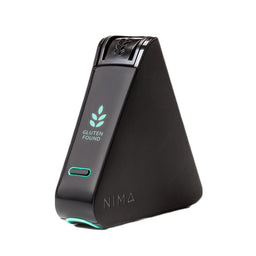
If celiac and wheat allergy are ruled out and symptoms still point at gluten, the next step is usually an elimination protocol. That usually looks like a strict gluten-free trial for four to six weeks, followed by a controlled reintroduction while you track symptoms in a journal, which is also the process clinicians use to test whether gluten intolerance can be reversed. Pair this with a registered dietitian if you can. Some readers also use a portable gluten sensor like NIMA as an extra layer of certainty during the reintroduction phase.
A note on scope. This section is general education, not personal medical advice. Use it as a starting point for the conversation with your healthcare provider, not as a substitute for one. NIMA sits alongside your doctor and dietitian, not in place of them.
Why You Might Still React on a Gluten-Free Diet
This part doesn't get said enough. You can be strict, careful, and informed, and still get glutened. That's a labeling and kitchen problem, not a personal failure.
In the United States, the FDA gluten-free labeling rule allows products labeled gluten-free to contain up to 20 parts per million (ppm) of gluten. For most people that small amount is fine, but for some it isn't, and gluten-free isn't a synonym for zero gluten.
Cross-contact (often called gluten cross-contamination) is the other half of the equation. Shared fryers, shared toasters, shared cutting boards, and shared utensils all transfer gluten in tiny amounts that don't change how a food looks or smells. Restaurants change staff and protocols. Manufacturers tweak ingredients and lines. A meal that was safe last month may not be this month.
The NIMA gluten sensor was built for this exact gap. NIMA is a portable sensor that detects gluten from wheat, barley, and rye down to 10 ppm with 99% accuracy, validated by an independent third-party lab (Bia Diagnostics, October 2025), with results in about three minutes. It's an additional tool in your gluten-free toolkit, used for the moments when label-reading and careful prep have done all they can and you're still not sure.
Building Your Gluten-Free Toolkit: Next Steps
Most readers already have the toolkit in place. It usually looks something like this. A physician and a dietitian who know your history. Label literacy, including the certified gluten-free marks. Awareness of where cross-contact tends to happen. A short list of trusted brands and restaurants. And a plan for the moments when those aren't enough.
-
Talk to your doctor before you go gluten-free, so celiac testing stays accurate.
-
Keep a symptom and meal journal for at least four weeks during any elimination trial.
-
Practice the questions you'll ask servers (shared fryers, dedicated prep areas, ingredient changes) so they roll off the tongue.
-
Build a short list of certified gluten-free brands you trust for staples.
-
Add a layer of certainty for the moments that still feel uncertain.
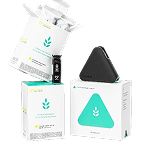
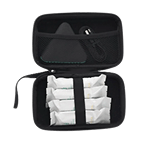
Gluten intolerance symptoms can keep showing up even when you've done everything right. When you're still not sure at the table, NIMA gives you clarity in minutes. That's the spot it fills. The last step before the first bite, not a replacement for everything that came before it. To date, NIMA has helped people safely eat more than 100,000 meals. If that's the layer of confidence you've been looking for, see how the NIMA gluten sensor works. Our starter pack is a great first-time option.
Frequently Asked Questions
How do I tell if I'm gluten intolerant?
Track your symptoms after meals containing gluten and look for a consistent pattern. Common signs include bloating, brain fog, fatigue, and other symptoms within a few hours, easing over a day or two. Ask your doctor to rule out celiac disease and wheat allergy first. If both come back negative and a guided gluten elimination eases your symptoms, NCGS is the likely answer.
What are common symptoms of a gluten allergy?
A true wheat allergy can cause hives, swelling, itching, breathing difficulty, stomach upset, and in serious cases anaphylaxis. Symptoms usually appear within minutes of exposure. Gluten intolerance is different and usually shows up as bloating, gas, brain fog, fatigue, headaches, and mood changes over a longer window. If you suspect an allergy, see a doctor for allergy testing.
What does a gluten flare feel like?
A flare typically starts with stomach discomfort and bloating within one to three hours of eating gluten, then expands into brain fog, fatigue, headache, and a low mood over the rest of the day. Most people feel better within 24 to 72 hours, though severity and recovery time vary by person and exposure.
Why did I suddenly become intolerant to gluten?
The causes of NCGS are still being studied, but shifts in the gut microbiome, gut permeability changes, and immune-related factors are the leading theories. Many people report onset after a GI infection, a course of antibiotics, pregnancy, or a stressful life chapter. A sudden start isn't unusual, and identifying the cause is a process that pairs well with a doctor and a symptom journal.
Recent News

Food Anxiety With Celiac Disease: How to Feel Safer Around Food
Food anxiety can be a rational response to managing celiac disease, but it should not make your world smaller. This guide explains how to build calmer safety routines, balance vigilance with quality of life, and recognize when professional support could help.


