

Is Sourdough Bread Gluten Free? What People With Celiac Disease Need to Know

Regular sourdough made with wheat, barley, or rye is not gluten-free. It is not a safe choice for someone with celiac disease, even when it has been fermented for a long time or feels easier to digest.
The confusion is understandable. Fermentation changes the dough. It may reduce some gluten and fructans, yet an ordinary wheat loaf stays outside a gluten-free diet.
Labels, bakery questions, and cross-contact checks can help you find genuinely gluten-free sourdough. Testing fermented bread has its own limits.
Answer First: Regular Sourdough Bread Is Not Gluten-Free
Standard sourdough bread is not gluten-free. If it is made with wheat, barley, or rye flour, or with a starter fed on those grains, it still contains gluten. For someone with celiac disease, only sourdough made entirely from gluten-free ingredients and protected from cross-contact is an appropriate choice.
A starter begins with flour and water, where wild yeast and bacteria get to work. Wheat or rye carries gluten into every loaf. Later feedings with gluten-free flour cannot erase the gluten already in the starter.
Sourdough names the fermentation method. The grain can still be wheat, barley, or rye. Whole wheat, spelt, einkorn, rye, and many "ancient grain" sourdoughs still contain gluten.
Is sourdough bread naturally gluten free? No. Fermentation does not change the fact that wheat, barley, and rye contain gluten.
Beyond Celiac gives the same guidance. Choose sourdough that carries a gluten-free label or is safely made at home with gluten-free ingredients.
Reduced gluten differs from gluten-free. Feeling fine after eating a slice does not prove the bread was safe.
For someone with celiac disease, symptom response should not be used to determine whether a food is safe. Gluten exposure can cause intestinal and immune effects even when noticeable symptoms are absent.
Why Fermentation Reduces Gluten but Does Not Make Standard Sourdough Safe
Sourdough fermentation relies on wild yeast and lactic acid bacteria. As the dough rests, these microorganisms and their enzymes break down some carbohydrates and proteins. That process creates sour flavor, helps the dough rise, and can change how the bread feels to digest.
No timer can tell you when wheat sourdough becomes gluten-free. Its final gluten level depends on the flour, microbes, temperature, enzymes, and process controls. A long rise or sharp tang tells you how the loaf was made, but not how much gluten remains.
Bakery methods vary widely. Some loaves get a long, traditional fermentation. Others use added baker's yeast or a shorter production schedule.
A bakery's proofing time does not reveal the remaining gluten, and a recipe description cannot replace a gluten-free claim.
What Fermentation Actually Breaks Down
Fermentation can reduce some gluten proteins, but the amount is not predictable from a recipe name or proofing time. Fermentation can reduce fructans, a group of fermentable carbohydrates found in wheat and rye.
That distinction matters. Monash University explains that some traditionally fermented sourdough breads contain fewer fructans, which may affect tolerance for some people with irritable bowel syndrome.
Those breads can still contain gluten. Easier digestion for one person does not establish celiac safety for another.
For individuals with IBS or other gastrointestinal sensitivities, reduced fructans may help explain why some people tolerate traditionally fermented sourdough better. This is separate from gluten safety and should not be used to determine whether a bread is appropriate for someone with celiac disease.
How Does Fermentation Affect a Portable Gluten Sensor?
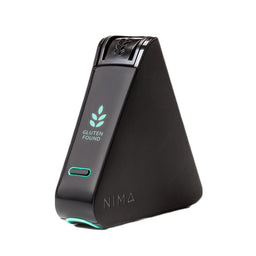
Fermentation can change the gluten protein shape a portable gluten sensor needs to recognize, so sourdough is not a reliable test food. NIMA’s sensor uses antibodies to check a food sample for gluten from wheat, barley, and rye. During fermentation, those proteins can break into smaller fragments that the antibodies may not bind to consistently. A “No Gluten Found” result cannot resolve that gap. For sourdough, judge the loaf by its flour, starter, label, and production controls instead.
Why Research-Grade Sourdough Is Different From Bakery Sourdough
A 2010 pilot study is often cited in discussions about sourdough and celiac disease. Researchers used selected lactobacilli and fungal proteases under tightly controlled conditions to reduce gluten in wheat flour to less than 10 ppm. Eight young people with celiac disease enrolled, and six completed the 60-day challenge.
That result came from a tiny, tightly controlled experiment. Researchers spray-dried the processed flour before baking it into sweet goods, a far cry from leaving an ordinary wheat starter on the counter for another day.
The study called for larger and longer trials. It did not show that commercial or homemade wheat sourdough is safe for people with celiac disease. Extra-long fermentation, an ancient-grain label, or a baker's low-gluten claim cannot stand in for verified gluten-free ingredients and controls.
Is homemade sourdough bread gluten free? Not when the starter or flour contains wheat, barley, or rye.
Research-grade results depend on specialized organisms, enzymes, measurements, and controls. A bakery’s fermentation time alone does not reveal the final gluten level.
Can People With Celiac Disease Eat Sourdough Bread?
People with celiac disease should not eat regular wheat-based sourdough. The National Institute of Diabetes and Digestive and Kidney Diseases says celiac disease requires a lifelong gluten-free diet to prevent symptoms and intestinal damage from returning.
You can still enjoy sourdough, but it needs to be made with gluten-free flour and a dedicated gluten-free starter. The full process matters too. A sound recipe can be compromised by shared equipment, airborne flour, or a knife used on wheat bread.
Judge sourdough safety with several checks instead of sight or symptoms. Review the ingredients and label, ask exactly how the loaf was prepared, and bring any remaining questions to a clinician or registered dietitian. Base your decision on ingredients, process details, and clinical guidance rather than a baker’s confidence or another customer’s experience.
If you're new to the diet, NIMA's guide to celiac disease foods to avoid can help you spot other obvious and hidden sources of gluten.
No Symptoms Do Not Mean No Intestinal Damage
Celiac disease is an autoimmune condition, not a measure of how uncomfortable you feel after eating. Symptoms differ from person to person, and some people have few noticeable symptoms even while gluten exposure is damaging the small intestine.
That means a comfortable afternoon after eating sourdough is not a reliable safety check. If you have diagnosed celiac disease, follow the plan you developed with your clinician or registered dietitian instead of experimenting with wheat sourdough.
Ask your care team what follow-up fits your health history. Personal tolerance cannot replace clinical guidance.
Gluten Sensitivity and IBS Are Different From Celiac Disease
"Celiac disease," "wheat allergy," "non-celiac gluten sensitivity," and "IBS" do not describe the same condition. Someone with IBS may react to fructans in wheat and find certain long-fermented breads easier to tolerate. Someone with a wheat allergy may need to avoid wheat for a different immune reason.
Is sourdough good if you're gluten intolerant? The answer depends on what is causing your symptoms and whether celiac disease and wheat allergy have been ruled out. If you have unexplained symptoms, talk with a clinician before removing gluten, since starting a gluten-free diet can affect the accuracy of celiac testing.
Someone else’s food experience can mislead you here. A loaf that fits one person’s IBS plan may still be a poor choice for someone with celiac disease.
What Counts as Gluten-Free Sourdough Bread?
Is there gluten-free sourdough bread? Yes. Gluten-free sourdough is made with a gluten-free starter and gluten-free flours. Rice flour, sorghum, buckwheat, millet, and tested gluten-free blends can all support sourdough fermentation. "Sourdough" names the method.
For packaged foods in the United States, FDA's gluten-free labeling rule requires products using a gluten-free claim to contain less than 20 ppm of gluten. The ingredient choices, supplier controls, production space, and handling practices all contribute to whether a finished loaf meets that standard.
A gluten-free certification can add another layer of oversight, but the core questions remain the same.
What went into the loaf? What fed the starter? And what controls kept gluten away from the dough from milling through slicing?
Is a Gluten Sensor Still Useful if It Cannot Test Sourdough?
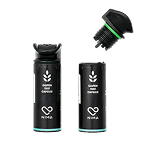
A portable gluten sensor can add useful information for many foods, but it only helps when the food suits the test. NIMA is designed for a pea-sized sample of solid or semi-solid food that can mix evenly in its capsule. It checks that portion for gluten from wheat, barley, and rye, and returns a result in about three minutes. It is one more step after label reading and restaurant questions. Because fermentation can alter gluten proteins in ways that affect antibody-based detection, fermented sourdough is not an appropriate food to rely on the sensor to evaluate. Use ingredient records and cross-contact details for that decision.
Start With Gluten-Free Flour and a Gluten-Free Starter
Use a starter that has always been maintained with gluten-free flour. Keep wheat and rye out from day one.
Is rye sourdough bread gluten free? No. Rye contains gluten, even after sourdough fermentation.
For home baking, choose ingredients labeled gluten-free when cross-contact is plausible, especially flours, grains, seeds, and oats. Give the starter its own jar.
Clean tools, storage containers, and work surfaces before you begin. If your kitchen handles wheat flour, NIMA's cross-contact prevention guide offers practical ways to separate preparation.
Think beyond the mixing bowl. A shared flour scoop, cloth cover, banneton, toaster, bread knife, or butter dish can undo careful ingredient choices. Store the finished loaf where crumbs from wheat bread cannot reach it.
Check the Finished Loaf and Cross-Contact Controls
At a store, look for a clear gluten-free claim or a reputable certification. Then read the ingredient list and allergen statement. A loaf can use naturally gluten-free grains yet still encounter gluten during milling, mixing, shaping, baking, slicing, or packaging.
For loaves made with oats, verify that the oats are labeled gluten-free.
At a bakery, ask how staff control loose wheat flour. Shared mixers, proofing baskets, benches, ovens, cooling racks, knives, and display areas can create cross-contact. People who need celiac-level controls deserve specific process details, not a vague promise that the recipe contains no wheat.
Ask whether gluten-free dough is prepared in a dedicated room, at a separate time, or alongside wheat dough. Then ask how equipment and surfaces are cleaned between batches.
Specific answers help you assess the process. A vague "we try to be careful" falls short.
How to Read a Sourdough Label or Question a Baker
Start with the ingredients, then check how the loaf was handled. Use this quick checklist:
-
Read every grain and flour in the dough.
-
Ask what flour is used to feed the starter.
-
Look for a clear gluten-free claim or certification.
-
Review the allergen statement and any shared-facility warning.
-
Ask whether mixing, shaping, proofing, baking, and slicing happen with dedicated equipment.
-
Ask how the bakery controls airborne wheat flour and shared display areas.
Be cautious with phrases such as "low gluten," "gluten friendly," "ancient grain," "long fermented," or "easier to digest." None of them means gluten-free. If the staff cannot explain the starter or cross-contact controls, skip the loaf.
A packaged loaf and a bakery loaf offer different evidence. A package gives you a regulated label and ingredient list. At a bakery, your questions about the starter, work area, equipment, and flour dust carry more weight because the label may not tell the whole story.
Can You Test Sourdough Bread for Gluten?
Sourdough presents a special measurement problem. Fermentation breaks intact gluten proteins into smaller fragments, and the FDA explains that conventional analytical methods may not accurately detect and quantify gluten in fermented foods. This is why labeling compliance for fermented products depends on ingredient and production records rather than a test of the finished food.
The same limitation applies at home. Because sourdough is fermented, NIMA cannot reliably test it for gluten. A "No Gluten Found" result should not be used to clear a sourdough loaf for someone with celiac disease.
NIMA's responsible-use guide says fermented and hydrolyzed foods are not reliable candidates for the sensor because processing changes the proteins that lateral-flow testing needs to recognize. Extra samples leave the underlying measurement limit unchanged.
For sourdough, stronger safeguards are a verified gluten-free starter, gluten-free ingredients, a trustworthy label, direct bakery questions, careful cross-contact controls, and guidance from your care team. This is a case where knowing a tool's limit gives you better information, not less.
Frequently Asked Questions About Sourdough and Gluten
Which sourdough bread is gluten free? Start with a loaf made from gluten-free flour and a dedicated gluten-free starter.
Use these quick answers to compare ingredient and process details.
Is All Sourdough Bread Gluten-Free?
No. Most sourdough is made with wheat or rye flour, so it contains gluten. Only bread made with gluten-free flour, a dedicated gluten-free starter, and adequate cross-contact controls can qualify.
Is Sourdough Good if You Are Gluten Intolerant?
It depends on the diagnosis. Some people with IBS or non-celiac gluten sensitivity may tolerate certain long-fermented breads better, possibly because fermentation reduces some fructans. Wheat sourdough remains unsafe for celiac disease or wheat allergy.
If you still need an evaluation, speak with a clinician before changing your diet. Starting a gluten-free diet before testing can make the results inaccurate.
What Kind of Bread Has the Least Gluten?
For someone with celiac disease, compare breads by whether they are gluten-free and protected from cross-contact. A lower-gluten wheat loaf still falls short.
If you are wondering how much gluten a person with celiac disease can tolerate, the practical answer is to follow a strict gluten-free diet.
Fermentation can reduce some gluten, but the final amount varies and cannot be judged by taste, texture, or proofing time. Only a verified gluten-free loaf fits a diet for someone with celiac disease.
Choose Sourdough That Meets Gluten-Free Standards
Is sourdough bread gluten free? Not when it is made with wheat, barley, or rye.
Ordinary sourdough is not celiac-safe, but genuinely gluten-free sourdough can still give you the tang, crust, and texture you enjoy. Check the flour. Check the starter. Check the process.
Choosing sourdough gets easier when you know which evidence to trust. A gluten-free claim, a dedicated starter, and clear cross-contact controls carry more weight than fermentation time or a home test result. NIMA’s responsible-use guidance explains why fermented foods cannot be tested reliably, and its cross-contact guide helps you spot the preparation risks that labels may not show. Read both guides before your next bakery visit, then ask the starter and process questions that matter.
Recent News

Food Anxiety With Celiac Disease: How to Feel Safer Around Food
Food anxiety can be a rational response to managing celiac disease, but it should not make your world smaller. This guide explains how to build calmer safety routines, balance vigilance with quality of life, and recognize when professional support could help.


