

Why You Feel Sick After Eating Out Even When Ordering Gluten-Free
You did everything right. You checked the menu ahead of time, asked the server about the kitchen, and ordered the dish marked gluten-free. Then a few hours later, the cramping and bloating and brain fog showed up anyway. If that was your night, you are not careless, and you are not imagining it.
For someone with celiac disease, symptoms after eating out do not necessarily mean that gluten was present. Accidental gluten exposure is one possibility, but symptoms can also result from other food intolerances, a high-FODMAP meal, foodborne illness, or another gastrointestinal condition. Because symptoms alone cannot identify the cause, it is important to look at the full picture rather than automatically assuming that every reaction was caused by gluten.
Here is the frustrating truth and the reassuring one, side by side. A restaurant's gluten-free designation does not necessarily mean that the finished meal has been tested for gluten. For someone with celiac disease, it is important to understand how the restaurant prevents cross-contact and whether the ingredients and preparation methods are appropriate. A menu that says gluten-free tells you what a kitchen is trying to do, not what it verified. Below, we walk through the real reasons a safe-sounding meal can still make you sick. Cross-contact, hidden ingredients, a labeling loophole, and sometimes a trigger that was never gluten at all. Then we turn it into something you can use, so your next meal out feels less like a gamble.
The Short Answer: Why You Still Get Sick After Ordering Gluten-Free
A menu that says gluten-free is a kitchen's best effort, not a tested guarantee. Cross-contact from shared fryers and surfaces, hidden gluten in sauces, and a labeling loophole can all let trace gluten slip through. And sometimes the culprit was never gluten at all, but another ingredient your body reacts to.
You asked the questions. You ordered the safe dish. And you still spent the night paying for it. That gap between following every rule and being sure is exhausting, and it deserves a real explanation. The rest of this guide covers why it happens, and how to shift the odds in your favor next time.
Ordering Gluten-Free Is Not the Same as Getting Gluten-Free Food
That gluten-free label reflects intention. The food still has to survive a busy kitchen to reach your table safely. Between the printed menu and your plate sit shared equipment, rushed prep, and a dozen small decisions made by people you never see.
Most diners never hear about a second gap. In the United States, no federal standard governs a restaurant's gluten-free claim the way one governs packaged food. A restaurant can call a dish gluten-free based on its recipe alone, with no requirement to test anything. Safety comes down to staff training, kitchen setup, and how carefully the team works on any given night. To see the people and planning behind a dedicated gluten-free business, read Spooky’s Swirls bakery story.
So a safe-sounding meal can go wrong in a handful of specific ways. It could be cross-contact during cooking, hidden gluten in ingredients you would not suspect, a labeling loophole on the products the kitchen buys, or the real chance that gluten was not the problem at all. Let's take them one at a time.
Cross-Contact Is the Most Likely Culprit
Cross-contact is an important potential reason someone with celiac disease may react after eating a meal that was intended to be gluten-free. It happens when a naturally gluten-free food picks up gluten from a shared surface, tool, or oil. That is different from cross-contamination, a term usually reserved for bacteria and foodborne illness. Here, the problem is trace gluten hitching a ride onto an otherwise safe plate.
The evidence is worth sitting with, calmly. In a 2019 study published in the American Journal of Gastroenterology, researchers found that 32% of foods labeled gluten-free at restaurants had detectable gluten, a number that climbed to 53% for pizza and 51% for pasta. A restaurant may intend to provide a gluten-free meal, but preventing cross-contact requires more than simply using gluten-free ingredients. Staff knowledge, communication, food preparation procedures, and kitchen practices all play a role. Gluten just travels easily, and it does not take much to trigger a reaction.
Two spots on the line cause most of the trouble.
Shared Fryers, Grills, and Cooking Surfaces
The shared fryer is a classic offender. French fries are often naturally gluten-free, but when they cook in the same oil that fries breaded chicken or onion rings, they come out carrying gluten. The potato never changed. The oil did.
The same logic runs across the kitchen. A grill that just seared a flour-dusted, marinated steak. A saute pan wiped but not washed. A cutting board that held sandwich bread minutes earlier. Even a pot of boiling water reused for gluten-free pasta after regular noodles can be enough. Each of these is fixable with dedicated equipment, which is exactly the thing worth asking about before you order.
Busy Kitchens, Prep Areas, and Utensils
Flour is the quiet troublemaker. It is airborne, it drifts, and it settles on counters, aprons, and tongs long after the baking is done. A shared prep bench or the same pair of tongs can carry gluten from a breaded dish straight onto your salad, and nobody sees it happen.
Under a dinner rush, small things slip. A garnish added at the last second. A dusting of flour on a pan. A side swapped because the kitchen ran out of the gluten-free option. None of it is malicious, just the speed of a packed kitchen. Staff turnover plays a role too, because the careful cook who plated your meal last month may not be the one working tonight, and recipes quietly drift over time.
Hidden Gluten in Sauces, Marinades, and Safe Sides
Sometimes the dish itself carries gluten in plain sight, just not where you would think to look. Soy sauce is wheat-based. Gravies and pan sauces are often thickened with a flour roux. Marinades, salad dressings, and spice blends frequently use wheat as a binder or filler. And a salad sent back to lose its croutons often returns as the same bowl, minus the visible bread but not the crumbs.
The usual hiding spots are worth memorizing:
-
Soy sauce and teriyaki
-
Cream sauces and gravies
-
Malt vinegar
-
Beer used in a braise
-
Spice or seasoning blends
-
Imitation crab in a roll or salad
-
Fries dusted with flour for extra crunch
None of these look like bread, which is exactly why they get missed.
Servers miss them for the same reason. Ask most people where the gluten hides in a stir-fry and they will not say the sauce. A spoonful of soy sauce or a pinch of flour disappears into a dish and takes the gluten with it. The practical move is to ask sharper questions. Not just "is this gluten-free," but "how is this sauce thickened" and "what is in the marinade." Checking whether the soy sauce is gluten-free before you order can matter more than any blanket gluten-free label.
Which Restaurant Dishes Are Worth Testing Before You Eat
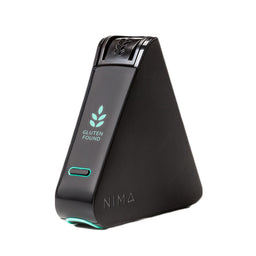
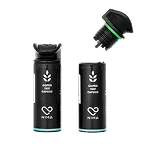
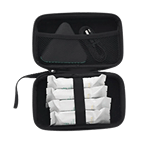
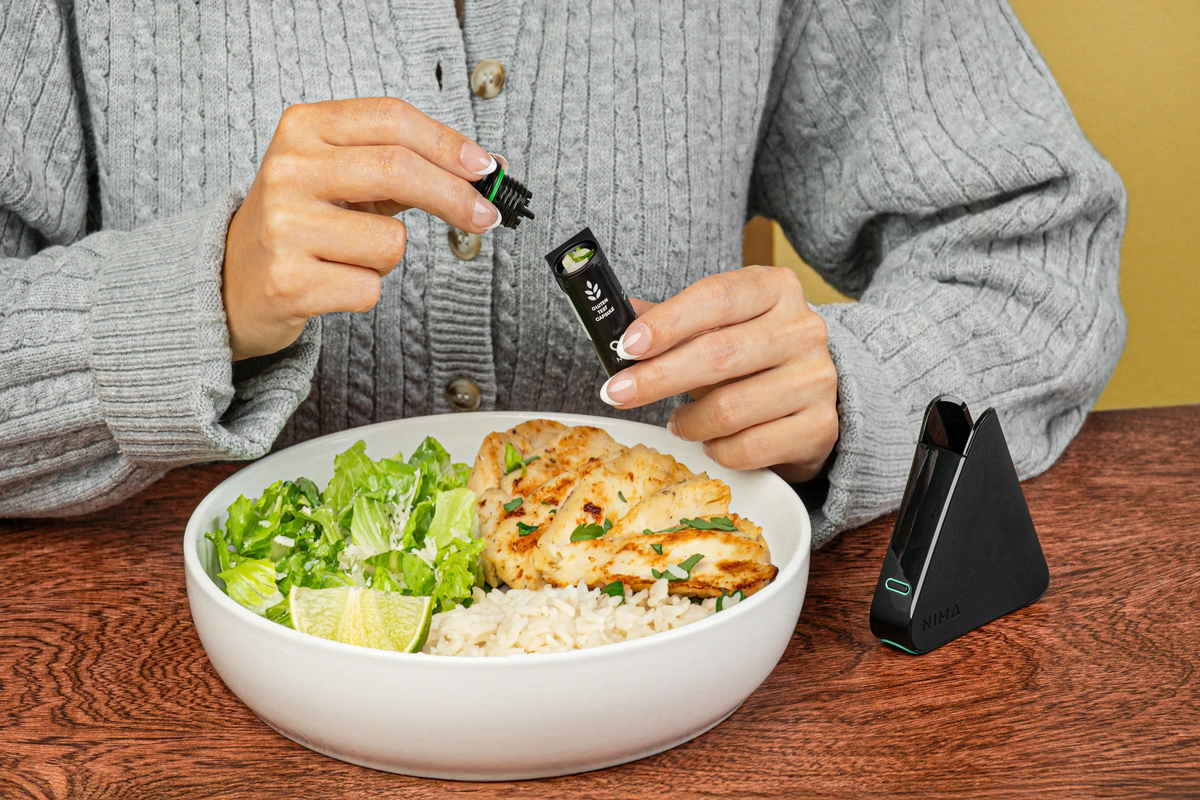
The dishes most worth a quick check are the ones where gluten travels invisibly. Think fried foods from a shared basket, grilled proteins off a busy line, and anything sitting under a sauce or dressing. These are the plates a menu label can vouch for in theory but no server can verify by eye. That is the gap a portable gluten sensor like NIMA is built to close. You place a pea-sized piece of the finished food into a single-use capsule, and in about three minutes it tells you whether gluten is present on that plate, not just on the recipe card.
A few limits keep this practical. NIMA reads the food in front of you, so test the plated dish, not the soy sauce bottle or the marinade jar. Heavily fermented and hydrolyzed ingredients and alcoholic drinks cannot be read reliably, so a beer-braised stew or a splash of soy is not where the sensor helps. Save it for the fries, the grilled chicken, the pasta, the plate you would otherwise have to trust on faith. Testing two to three times a week, on the meals that carry the most risk, turns a guess into a real answer.
Reminder: A gluten-detection device may be useful as an additional tool when you are uncertain about a particular food, but it should not be used to determine whether a restaurant is "safe." The first priority should always be choosing an appropriate meal and communicating clearly with the restaurant about cross-contact.
The Gluten-Free Label Has a Legal Loophole
Even the products a kitchen trusts come with fine print. Under the FDA's gluten-free labeling rule, a packaged food can be labeled gluten-free and still legally contain up to 20 parts per million (ppm) of gluten. Restaurants, for their part, are not required to test anything at all.
The FDA's gluten-free labeling standard uses 20 parts per million (ppm) as a regulatory threshold. This does not mean that 20 ppm is a "safe dose" or a level at which an individual with celiac disease will or will not experience symptoms. Gluten exposure should still be minimized as much as possible when managing celiac disease.
Trace amounts add up across a day of eating, and the more sensitive you are, the more those small exposures matter. Picture a labeled bun, a labeled sauce, and a seasoned protein, each under 20 ppm on its own. Individually fine for most. Together, on one plate, the traces can stack past what a sensitive gut will tolerate.
None of this makes labels useless. Menu notes and gluten-free claims are genuinely helpful tools. They are just not proof, which is why a quick check before you eat has real value.
How to Know If Trace Gluten Made It Onto Your Plate
You cannot see 20 ppm of gluten, and you cannot taste it, which is what makes the labeling loophole so frustrating. The only way to know whether trace gluten reached a specific plate is to check that plate. This is where NIMA fits into a careful routine. The same portable sensor that reads a finished dish detects gluten down to 10 ppm, a stricter line than the 20 ppm a label is allowed to carry. So a meal that cleared the label can still get a second read before you commit to the first bite.
It will not catch everything, and it is not meant to. Fermented sauces, hydrolyzed ingredients, and alcohol fall outside what the sensor can read, and it checks the food on your fork rather than every component in the kitchen. What it does give you is a direct look at the plate in front of you, so the trace amounts that stack up across a day stop being a complete unknown. For a sensitive gut, that one extra data point can be the difference between ordering with dread and ordering with a plan.
Maybe It Was Not Gluten at All
The culprit might not have been gluten. That possibility is worth sitting with, because it takes some of the blame off both you and the kitchen, and it opens up new things to look into.
It is also possible to have gastrointestinal symptoms after eating a meal that contains no gluten. Restaurant meals may be larger, higher in fat, higher in sodium, more heavily seasoned, or contain ingredients that you do not regularly eat at home. Alcohol, caffeine, lactose, and fermentable carbohydrates can also contribute to symptoms in some individuals.
A meaningful share of people with celiac disease keep having symptoms even after going strictly gluten-free, and the cause is often something other than gluten. When a careful meal still leaves you unwell, it is worth widening the lens beyond the obvious suspect.
FODMAPs and Other Food Intolerances
FODMAPs are a common hidden trigger. They are fermentable carbohydrates found in foods like onions, garlic, beans, and wheat, and they can cause bloating, gas, and cramping that look almost identical to a gluten reaction. A garlicky gluten-free pasta could upset you because of the garlic, not the noodles.
Lactose and fructose intolerances ride along the same way, and restaurant meals are full of both. Telling these apart from gluten is hard to do on your own. A structured elimination approach, guided by a registered dietitian, can separate the real trigger from the assumed one.
Importantly, a low-FODMAP diet is not the same thing as a gluten-free diet. Wheat is restricted on a low-FODMAP diet primarily because it can contribute fructans, a type of FODMAP-not because all wheat-containing foods are inherently problematic for people without celiac disease. Anyone considering a low-FODMAP elimination diet should work with a registered dietitian when possible, particularly because the elimination phase is intended to be temporary and followed by systematic reintroduction.
When It Is Worth Talking to Your Doctor
If symptoms stick around even with careful eating, that is a reason to bring in a professional. Conditions like small intestinal bacterial overgrowth, nutrient deficiencies, and other digestive issues can all keep symptoms going, and they need a proper diagnosis rather than guesswork.
This is also where it helps to be clear about what a food test can and cannot do. A tool that checks your food supports your routine. It never replaces your doctor or your dietitian. And learning that gluten might not be your problem is not a dead end. It is useful information that points you somewhere new.
Why Symptoms Show Up Hours Later
Part of what makes this so confusing is timing.Symptoms related to gluten exposure may not occur immediately, which can make it difficult to identify the food responsible. Timing varies from person to person and depends on the type of symptom. Symptoms can take several hours, sometimes a full day, to appear, which makes last night's dinner easy to overlook as the cause.
According to the Cleveland Clinic, the symptoms of gluten intolerance can last anywhere from hours to days, and they do not always start right away. So feeling fine while you eat does not clear the meal. A simple food and symptom note, kept over a couple of weeks, helps you connect a Tuesday dinner to a Wednesday morning you would otherwise never link.
How to Eat Out With More Confidence
Now the reassuring part. You can shift the odds with a routine that is calm and doable. Research the restaurant, ask specific questions, and add one more layer of certainty before you eat.
Start before you arrive. Read reviews from other gluten-free diners, check whether the restaurant keeps a dedicated gluten-free menu, and call ahead during a slow hour if you can. Then, at the table, ask the questions that matter.
-
Is there a dedicated fryer?
-
Is there a separate prep area for gluten-free orders?
-
How are your sauces thickened?
-
How do you prevent cross-contact in the kitchen?
The answers reveal whether a kitchen truly understands the risk, and telling your server it is a medical need rather than a preference tends to sharpen everyone's attention.
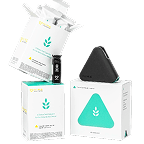
For one more layer before your first bite, some people add a portable gluten test to the mix. NIMA is a portable sensor that reads a pea-sized sample from your finished plate and shows whether gluten is present, down to 10 ppm with 99% accuracy, validated by an independent lab, in about three minutes. It has clear limits, too. Fermented and hydrolyzed foods and alcoholic beverages cannot be reliably tested. Think of it as the last step in your gluten-free toolkit, an addition to your careful habits, your label reading, and your dietitian's guidance, never a replacement for any of them.
Know What's Safe Before Your Next Bite
So when a gluten-free meal makes you sick, there is almost always a real reason behind it. Cross-contact in a busy kitchen, hidden gluten in a sauce or side, a labeling loophole on trusted products, or a trigger that was never gluten at all. None of it means you did something wrong.
It does mean eating out is a puzzle with more pieces than the menu shows. With the right questions and one more layer of certainty, that puzzle gets smaller, and the table gets a little less stressful. You deserve to enjoy a meal without spending it braced for what might come later.
That is the whole idea behind NIMA. It helps you know what's safe before you take a bite. See how NIMA works, and give yourself one more reason to feel calm, clear, and in control the next time you order.
Recent News

Gluten Belly: Symptoms, Causes, and How to Know If Gluten Is the Problem
What people call “gluten belly” is usually bloating, pressure, or abdominal discomfort, but gluten is not the only possible cause. Learn the signs to track, conditions to rule out, and why testing should come before a gluten-free trial.


